
Publishing Talks: Interview with Kyle Schlesinger
November 15, 2026 by David
Filed under Publishing History, PublishingTalks, The Future
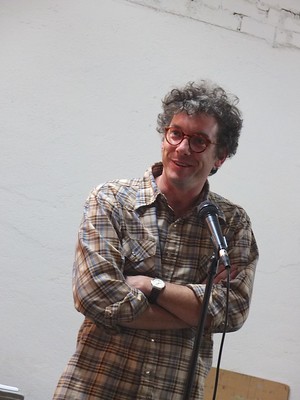 Publishing Talks started as a series of conversations with book industry professionals, and others involved in media and technology, mostly talking about the future of publishing, books, and culture. It was great fun talking with people in the book industry about the evolution of publishing in the context of technology, culture, and economics.
In the past few years, I’ve talked with a variety of editors, publishers and others who have been innovators and leaders in independent publishing and bookselling in the past and present, with thoughts about the future of the book ecosystem.
These conversations have been inspirational to me. I’ve had the pleasure to speak with visionaries and entrepreneurs, editors, publishers, and many others who have influenced and changed contemporary literature and culture, some of whom are longtime friends and colleagues. And I particularly enjoy learning from the many brilliant folks that bring their energy to the creation of literary books and magazines.
I have been interested in type, typesetting and printing since I was a teenager when I had my first job working at my hometown newspaper, The Ridgefield Press, a weekly newspaper that had its own pressroom. There, you’d find linotype machines and old time operators and printers (all men of course). A few years later at college, I learned to set metal type by hand and print on a letterpress from a retired Austrian printer.
When I was operating Truck Press in the 1970s, I frequently worked with letterpress printers who taught me alot about typography and book design. But over time, the transition to photograpic typesetting, and later computer typesetting, took me away from the metal type environment. Nonetheless, I have always appreciated the work of printers and typographers who have committed their lives to the fine art of type, book design, and especially those whose work has been centered around letterpress printing and continuing the that tradition.
Kyle Schlesinger’s Cuneiform Press is a wonderful example of a contemporary literary fine arts press. He’s been doing this work for more than 25 years while continuing to write his own poetry and prose criticism. I interviewed Kyle about his work and his thinking about publishing and books for Publishing Talks in 2021. Since then, he has moved to Plainfield, Vermont, returning to the place where he began his work as a poet, printer and publisher.
I’ve long admired Kyle’s publishing projects, and also his own creative and critical writing. I wanted to catch up with him again to find out how things have evolved in his work since so much has changed since our last conversation.
“The press merges critical and creative writing with historically informed typographic practices and small-press print traditions.” And does so beautifully.
I hope you will enjoy hearing from Kyle once again.
Kyle Schlesinger was born in Providence in 1976. He studied poetry and pedagogy at Goddard College, and studied poetics with Robert Creeley at the University at Buffalo, where he earned his doctorate in 2005. He’s the author of more than twenty books of poetry and criticism, including Let’s Drift, Parts of Speech, Poems and Pictures, and Charles Olson at Goddard College.
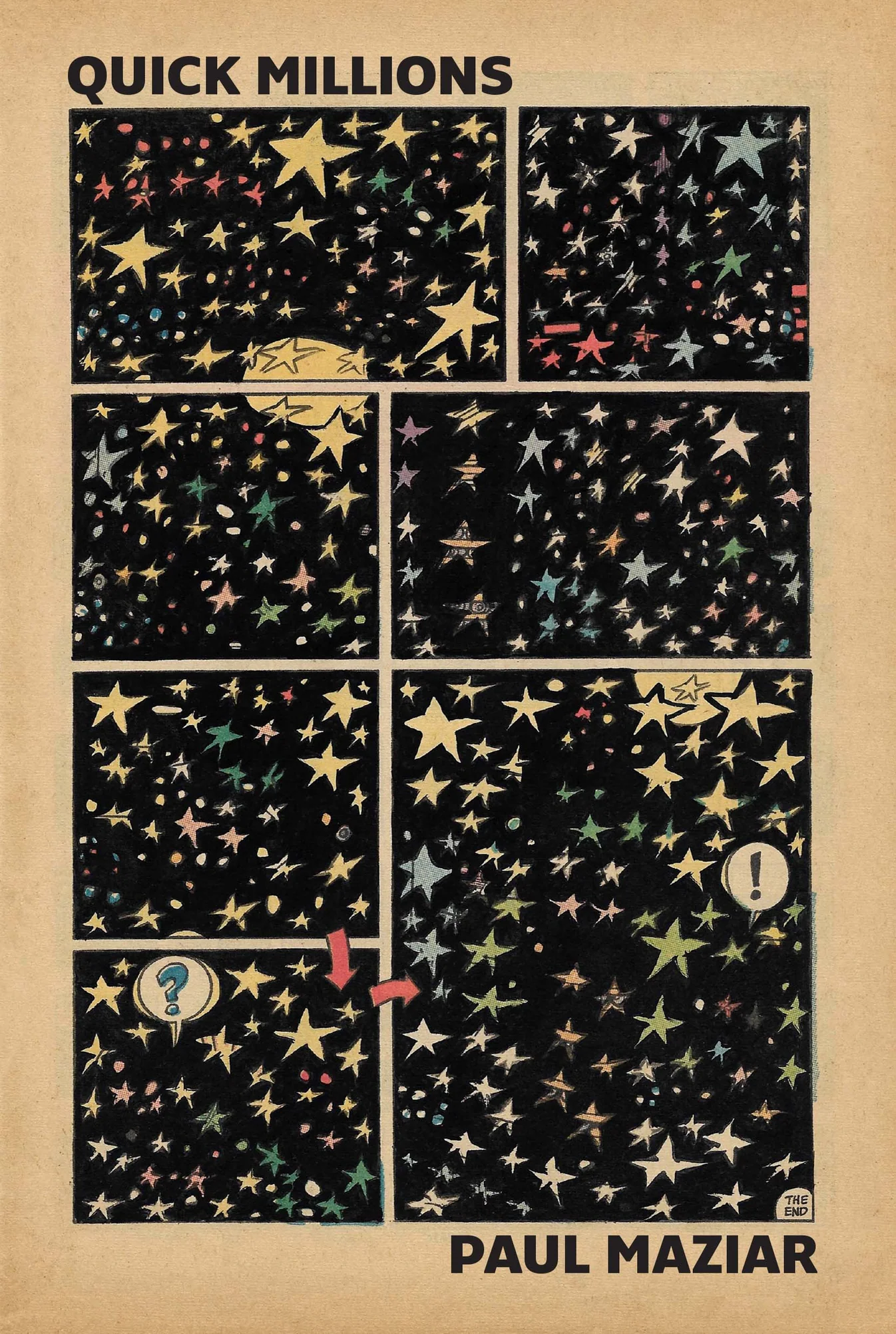
Some of the important books Cuneiform has produced include Three Dimensions for Edwin Denby by Cedar Sigo and Anne Waldman, Smash the State & Have a Nice Day: A Larry Fagin Reader, and Quick Millions by Paul Maziar, just to name a few.
Cuneiform Press website.
Kyle Schlesinger’s website.
Some of his own books include Parts of Speech (Chax Press), A New Kind of Country (Chax Press), and Color and Light (Dusie).
A deadpan ode to American speech, the poems in this collection take fresh bits out of Capitalism’s hide. Parts of Speech defines a generation’s disillusionment in a post-Occupy world.—Brenda Coultas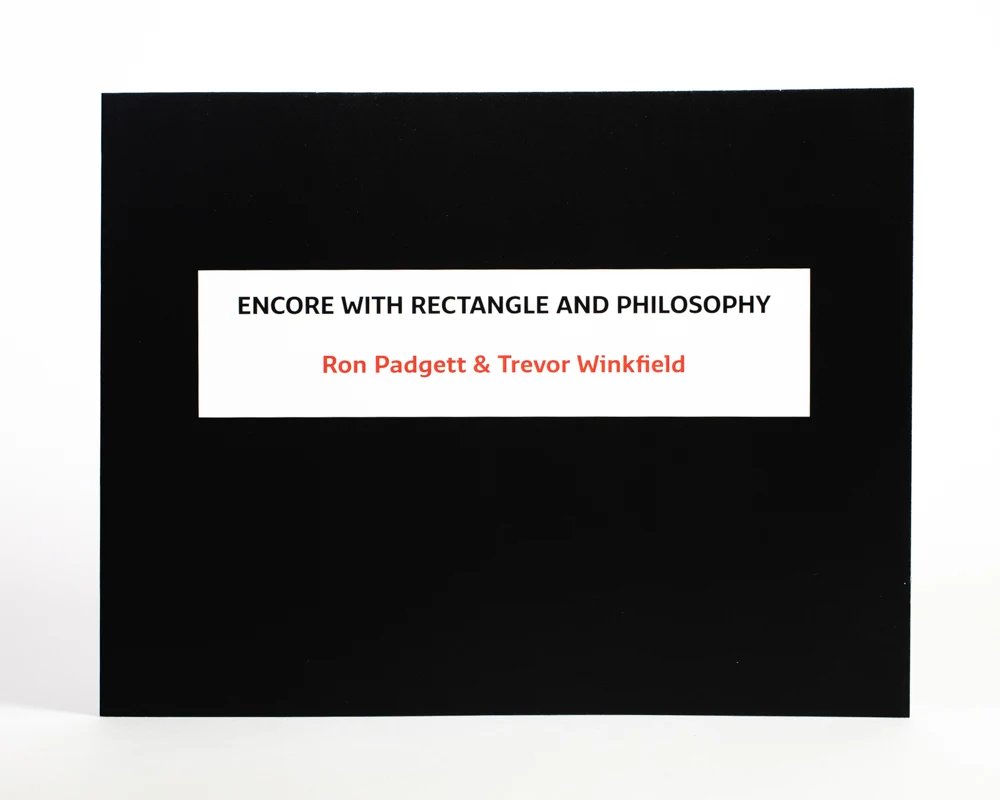
Podcast: Play in new window | Download
Allan Kornblum, Coffee House Press


 My good friend, long time publisher and poet Allan Kornblum passed away November 23, 2014. He was only 65, and will be missed by many. Coffee House Press, which he and Cinda Kornblum founded as the successor to the earlier and more informal Toothpaste Press, has been in Minneapolis for over 30 years now, and has become a hugely important literary organization in its local community and far beyond, with national and international reach.
Allan and I first met in the mid-seventies when we attended a range of small press bookfairs around the country, and we shared many interests, both in poetry and in book production. Toothpaste was an early participant in the tiny midwestern literary project I started in 1976 called Truck Distribution Service.
When I traveled to Iowa to sell independently published literary books to local bookstores, I would stay with Allan and Cinda in their house in West Branch (proudly known as the birthplace of Herbert Hoover). They taught me alot about the local literary community and history, and as Allan became more involved in letterpress printing, Allan beautifully produced books and ephemera for my Truck Press (and later for Jim Sitter’s Bookslinger, the successor to Truck Distribution, Allan turned out a long list of beautifully produced broadsides and small books). The list of great books published by Allan and Coffee House is pretty incredible. Visit the press’ website to learn more about what Allan and his colleagues have accomplished, and to see the vibrant work the now well-established nonprofit press is doing today. Some really excellent publishing is going on there, and has been for a long time; no better legacy for Allan could be imagined than the books this press produces.
In later years, we I did not see Allan much more than once a year at the annual booksellers’ conventions, but we kept in contact, did business together, and always shared news of each other’s work and family. I interviewed Allan for Writerscast as part of the Publishing Talks series as I think the history of independent publishing needs to be documented, and first hand accounts by those involved seem to me the best way to preserve some of the knowledge and experiences of an important era in publishing. You can listen to it here if you want to get a feel for Allan and his work.
One moment with Allan still stands out for me. Probably six or seven years ago, when Amazon was first promoting digital conversion of print books, they put on presentations to publishers and distributors to convince us to convert as many of our books as possible to digital formats. I was perhaps naively convinced aready that the reflowable ebook format would be a great boon to reading. But Allan stood up and asked the pointed question – “What happens to the carefully designed pages we create for our books in this new digital format?” The Amazon representative bluntly stated something to the effect that “designed pages don’t matter in our ebooks.” That answer did not satisfy Allan, and somewhat presciently, he told me that this lack of interest and concern for design would be a big problem for e-readers and e-reading. How right he was then, and sadly, his views then about ebook design matters are still meaningful today. As he knew so well, the interaction between the reader and the word is where the magic of reading comes alive.
