
Interview with Nona Footz: A Mansion of Her Own
September 17, 2026 by David
Filed under Non-Fiction, WritersCast
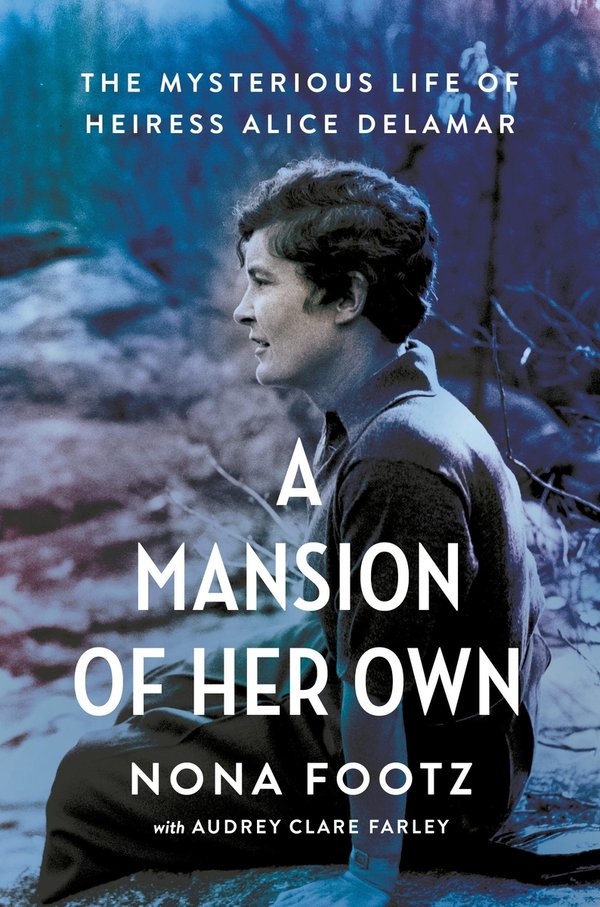 A Mansion of Her Own: The Mysterious Life of Heiress Alice Delamar – Nona Footz with Audrey Clare Farley – Grand Central Publishing – 9781538772072 – 272 pages – $32.50 – October 8, 2026 – ebook versions available at lower prices
It was impossible for me to resist a story about a reclusive heiress who lived only a few miles from where I grew up and lived in southwestern Connecticut. The towns there now are mostly well-to-do suburban enclaves, and best known for their wealth and well-known residents. But when I was growing up there, and earlier in the twentieth century, much of Fairfield County was quite rural. In those times, the area attracted many artists, writers, dancers and Bohemian types who found it a respite from the urban travails of nearby New York City. Only an hour by train or car (on roads with far less traffic than today), it was attractive to a wide range of people, some of whom were quite well off.
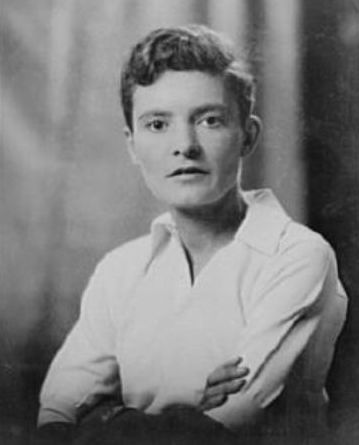
One of those very rich people was a secretive heiress, Alice DeLamar. In 1918 at age twenty-three, she inherited her mining magnate father’s massive wealth, making her the richest woman in America. She immediately became the target of the press, who wanted to know all about her, especially whom she would marry (of course).
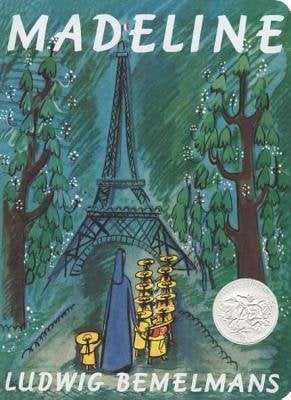
Alice was not the kind of person who enjoyed this attention. She found a piece of land in then rural Weston, Connecticut, and built an estate, where she spent time with an amazing array of interesting people, most of whom were in the arts and many of whom either were then or who are now, quite well-known. She sponsored the children’s writer Ludwig Bemelmans (Madeleine was created there), the actress and producer Eva LeGallienne (with whom she had a lengthy romantic relationship), hosted Vladimir Nabokov, Salvador Dali, George Balanchine (who also lived in Weston), Dave Brubeck, and many others at social gatherings and soirees.
While she kept her apartment in New York City, and eventually had another large home in Palm Beach and a townhouse in Paris too, Weston was always the center of her multifaceted and mostly unknown and undocumented life.
HR executive Nona Footz also lived in Weston for a number of years. She only accidentally learned about Alice Delamar after reading a biography of Eva Le Gallienne by Helen Sheehy. Nona found herself drawn to Alice, and became dedicated to finding out more about this reclusive, highly secretive woman. She spent a decade tracking down anyone she could find who had known Alice, interviewing them and researching her life, all the while in search of Alice’s original papers, including a memoir Alice was rumored to have written, all of which had disappeared upon Alice’s death in 1983.
Nona’s book is not only a mystery story, it is also a memoir as well, in which she recounts her own saga of trying to understand and uncover the true life and times of a remarkable woman. It’s a great story and it was really special for me to have the opportunity to speak with Nona about Alice and this book. I am certain you will enjoy this conversation as much as I did. It is a great story. Don’t miss it!
“A journey through the bedrooms and drawing rooms of the twentieth-century art world where luminaries expressed forbidden sexual desires and found inspiration for much of the art they created. The book is so good, I picked it up and barely breathed until I was finished.” -Mary Gabriel, author of Ninth Street Women
Nona Footz is currently an executive and board recruiter and has been a freelance writer for the magazines VENU and for Art New England. A native of Canada, Footz is an adjunct faculty member at New York University. This is her first book.
Co-author Audrey Clare Farley is the author of The Unfit Heiress and Girls and Their Monsters, which won the Michigan Notable Book Award and was named a New York Times Editors’ Choice.
Some interesting notes: a portion of what was the Delamar property is now the 21-acre Stonebridge Waterfowl Preserve in Weston, which she donated in 1969.
On her estate, Alice had a pool built that includes a tunnel leading from the basement. It is rumored that this was so she could swim in the nude without fear of being seen (or to walk outside).
Delamar funded the Civic Repertory Theatre established by Le Gallienne in New York City.
When she passed away, most of her estate went to Harvard, Columbia, and Johns Hopkins, per her father’s original will.

Podcast: Play in new window | Download
Mel Harkrader Pine: From Pain to Peace
September 4, 2026 by David
Filed under Non-Fiction, WritersCast
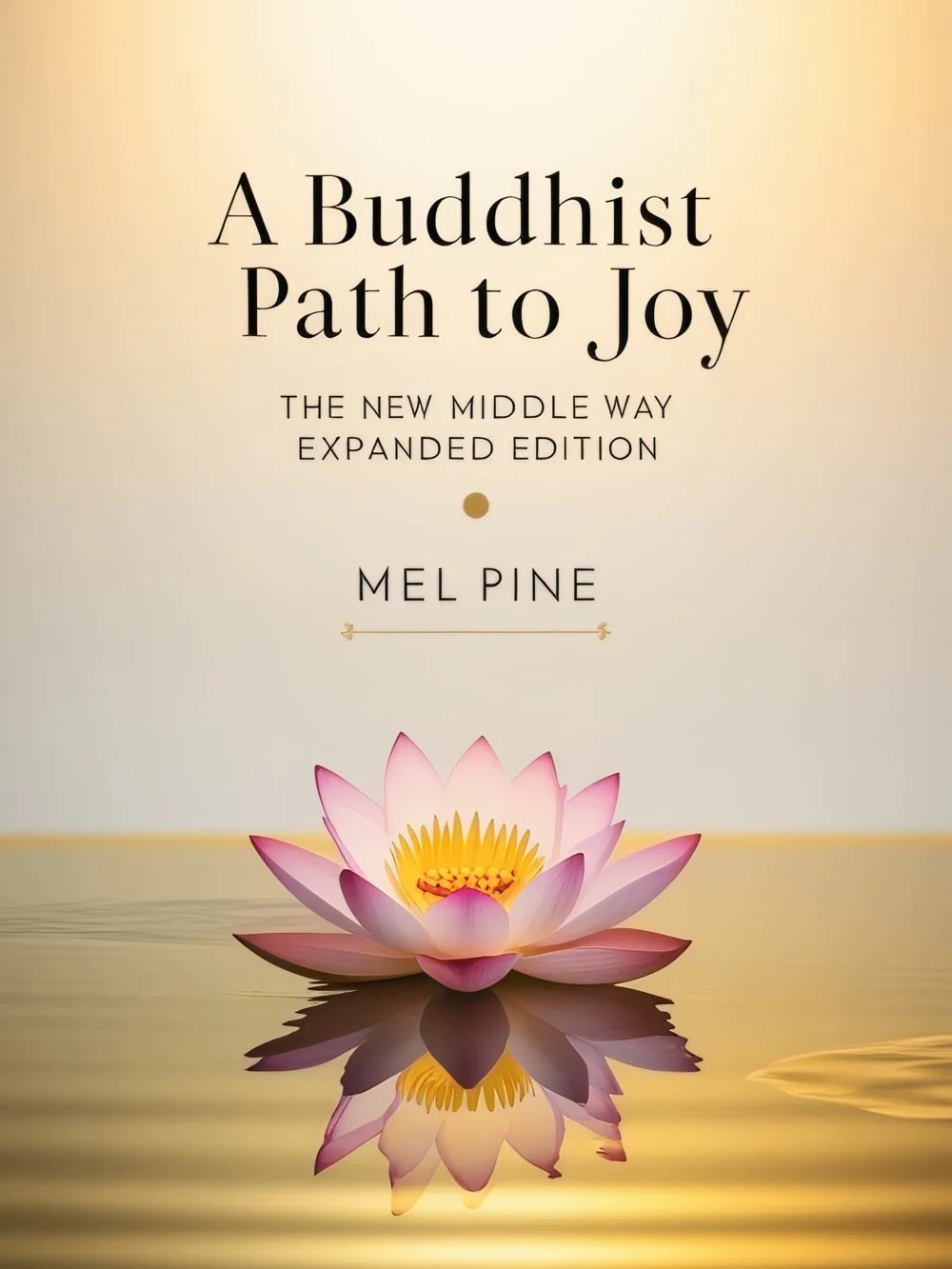
 From Pain to Peace: How Trauma and Tragedy Teach Us Compassion and Wisdom – Mel Harkrader Pine – Prospecta Press – Paperback – 9781632261786 – 240 pages – $18.00 – September 15, 2026 – ebook versions available at lower prices
The subject of trauma has become far more discussed and understood over the past half century. When I was growing up, people never really talked about the traumatic events and experiences in their lives. Today, trauma is much more commonly talked about and recognized, yet still so many of us are unable to heal from our traumatic experiences. The counter culture of the sixties planted seeds for a broader acceptance and understanding of trauma, both personal and cultural, experienced directly or epigenetically, as well as an increased awareness and practice of non-western religions and philosophies that often enable practitioners heal from traumatic experiences.
Mel Pine has experienced deep trauma throughout his life. He is a long time Buddhist practitioner. In From Pain to Peace, he demonstrates how Buddhist concepts like impermanence, impermanence and equanimity become tools for healing. It is an extraordinary book by an extraordinary human being, whom I have had the pleasure of getting to know. And it has been my honor to publish his extraordinary book.
As Mel says on his website, “this book speaks to the universal longing for healing and wholeness.” It seems that today, almost every feeling human being feels traumatized, and in need of tools like those this book provides to help live a fuller life.
Here’s what Mel says about himself: “I live in the State of Joy. I’ve devoted my remaining days of cognitive and physical health to helping others join me here.
I’ve had a passion for writing since eighth grade, began a career in journalism at age 20, moved on to other forms of communication through words, images, and videos, and became a spiritually focused author at 78.
That very-late-life career put new oomph into these old bones and neurons, so as I approach my 80th birthday, I intend to keep pursuing my mission as long as impermanence lets me.”
Mel also publishes two Substack newsletters. From the Pure Land focuses on spiritual issues, especially Buddhism for modern life. Human-AI Mutuality covers what Mel calls humankind’s most important frontier — how we relate to artificial intelligence.
The trauma Mel has experienced is acutely painful—at once generational, social, and decidedly personal. It is a morass of sludge enough to soil a soul interminably. And yet, out of the mud, the lotus blossoms. This book is Mel Pine’s lotus blossom. It describes how he discovered spiritual resources within the suffering that not only enabled him to survive; they enhanced his equanimity, deepened his compassion, and awakened in him a sober wisdom. They brought him to a place of genuine peace. Trauma can cut both ways. It can mire one in the mud, or the mud can give rise to a flower born of suffering. This book is one of those flowers.—Frank Rogers Jr., author of Cradled in the Arms of Compassion
Author website (he has a Kickstarter!) melpineauthor.com
You can buy the book here at Bookshop.org

Podcast: Play in new window | Download
Jeff Gomez: The 10 Commandments of Successful Corporate Narratives
August 12, 2026 by David
Filed under Non-Fiction, WritersCast
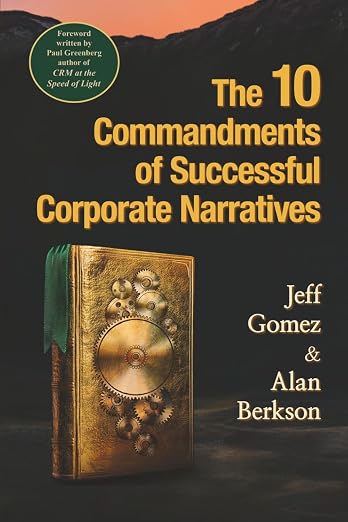 The 10 Commandments of Successful Corporate Narratives – Jeff Gomez & Alan Berkson – Intelligist Press – Paperback – 9798218853914 – 138 pages – $24.00 – February 15, 2026 – Kindle version $14.99 (Amazon only)
Jeff Gomez is an amazing guy. We met years ago in some now forgotten business connection, but I always remembered being impressed by his innate understanding of narrative. He seems to always have been able to use that understanding to engage in brilliantly executed world building for a range of brands and entertainment properties.
For the many years he has been in the entertainment industry, he has worked on some of the most iconic properties in the world with many brands and companies, including Coca-Cola, Hasbro, Pirates of the Caribbean, Spiderman, and many more. His work has doubtless touched the lives of millions of people.
Jeff has also recognized how much the media world has changed as the internet as grown and new media has arisen. Many of us recognize how different the media landscape is today, but most of us do not fully understand exactly what has changed and similarly, while we can feel that society and culture have changed inalterably, understanding how to operate in this new environment is deeply challenging, not only to creators and entertainment industries, but to all of us as consumers and citizens.
Jeff has written about this under the rubric “The Collective Journey: Storytelling architecture for the post-digital age.” Follow this link to read the entire piece. Here is a quote to get you started:
For centuries, every agency, company, studio, and writer has relied on the Hero’s Journey as a standard for storytelling. But nonlinear, trans-platform communication has entirely disrupted that model. To rising generations, the standard tropes of classic storytelling have begun to feel slow, obvious, and dated. We yearn for a new, far more dynamic and participative approach…
Society is grappling with seismic, accelerated, and seemingly chaotic change.”
Together with his long-time colleague Alan Berkson, Jeff has also written on this topic in the book we started out to discuss, The 10 Commandments of Successful Corporate Narratives. It’s a short book and is well worth reading. While it is directed at and oriented toward business executives trying to understand and navigate our fractured and challening media landscape, it is really useful for anyone who wants to grapple with the implications of a highly connected culture.t to
The core insight is that the now famous structure of “The Hero’s Journey” has been transformed into what they call “the lightning bolt” of the Collective Journey.
Jeff posits and I agree, that this understanding is crucial for all of us, not just as consumers of media, but more importantly as citizens in a democracy that is subject to all of the pressures and tensions of this new world. If you do not understand what is happening, you will not be able to work successfully to achieve your goals, whether they are cultural or political.
I hope you will enjoy listening to our conversation as an entry point to Jeff’s thinking and writing. The Collective Journey comprises an eight part series of essays published on Medium (available for free). I think it’s an important piece of writing that should be read more widely.
Jeff Gomez is the CEO of Starlight Runner, a transmedia entertainment company. He is a brand and cause-related consultant, producer of franchise storyworlds and transmedia entertainment properties.
Alan Berkson has provided top-tier service to companies from one-person firms to enterprise-level corporations—across Wall Street, the United Nations and Main Street—by wielding his own brand of non-traditional business strategy. Alan was named one of The Top 100 Most Social Customer Service Pros On Twitter and is the Director of Community Outreach for SaaS helpdesk company Freshdesk.
You can buy The 10 Commandments of Successful Corporate Narratives on Amazon.


Podcast: Play in new window | Download
Publishing Talks: Brooke Warner of She Writes Press 2026
July 29, 2026 by David
Filed under Publishing History, PublishingTalks, The Future
 I originally began Publishing Talks as a series of conversations with book industry professionals and others involved in media and technology, mostly talking about the future of publishing, books, and culture. I continue to enjoy my conversations with people in the book industry about the evolution of publishing in the context of technology, culture, and economics. This latest episode features a conversation I recently had with the wonderful Brooke Warner, publisher of She Writes Press (which is only one among the many other roles she somehow manages).
It was ten years ago that I first talked to Brooke for Publishing Talks about her work with She Writes (which she co-founded with Kamy Wicoff in 2012) when the publishing world was a very different place. She Writes was and is a hybrid publisher, requiring support from its author for the publishing process. Ten years ago that was far less common than it is today.
Since Brooke not only keeps a close watch on everything that is happening in independent and commercial publishing, she also writes, talks and podcasts herself about book matters, and now she is also publishing a weekly newsletter about writers, books, and writing. So she is an ideal person for me to talk to about what is happening in the book world today, and I think you will find our conversation to be interesting and educational, no matter your role – reader, writer, publisher, book marketer – or your degree of knowledge about books and publishing. I always enjoy speaking with knowledgeable publishing folk and I think you will enjoy hearing what Brooke has to say. Please have a listen.
Brooke is also is a memoir coach and author of Write On, Sisters!, Green-light Your Book, What’s Your Book?, and three books on memoir. She’s also a TEDx speaker (“Green-light Revolution”), weekly podcaster (of “Memoir Nation” with co-host Grant Faulkner), and publishes a weekly newsletter, Writerly Things, on Substack at brookewarner.substack.com.
In March 2025, SWP joined The Stable Book Group as one of the inaugural imprints in this new publishing collective. Brooke became Stable Book Group’s COO while maintaining her role as Publisher of She Writes Press.
During the course of its existence SWP has worked with over 1300 authors.
Brooke’s own website is here.
She Writes Press website.
The Stable Book Group website.


Podcast: Play in new window | Download
William Loving: Fells Point: A Novel
July 16, 2026 by David
Filed under Fiction, WritersCast
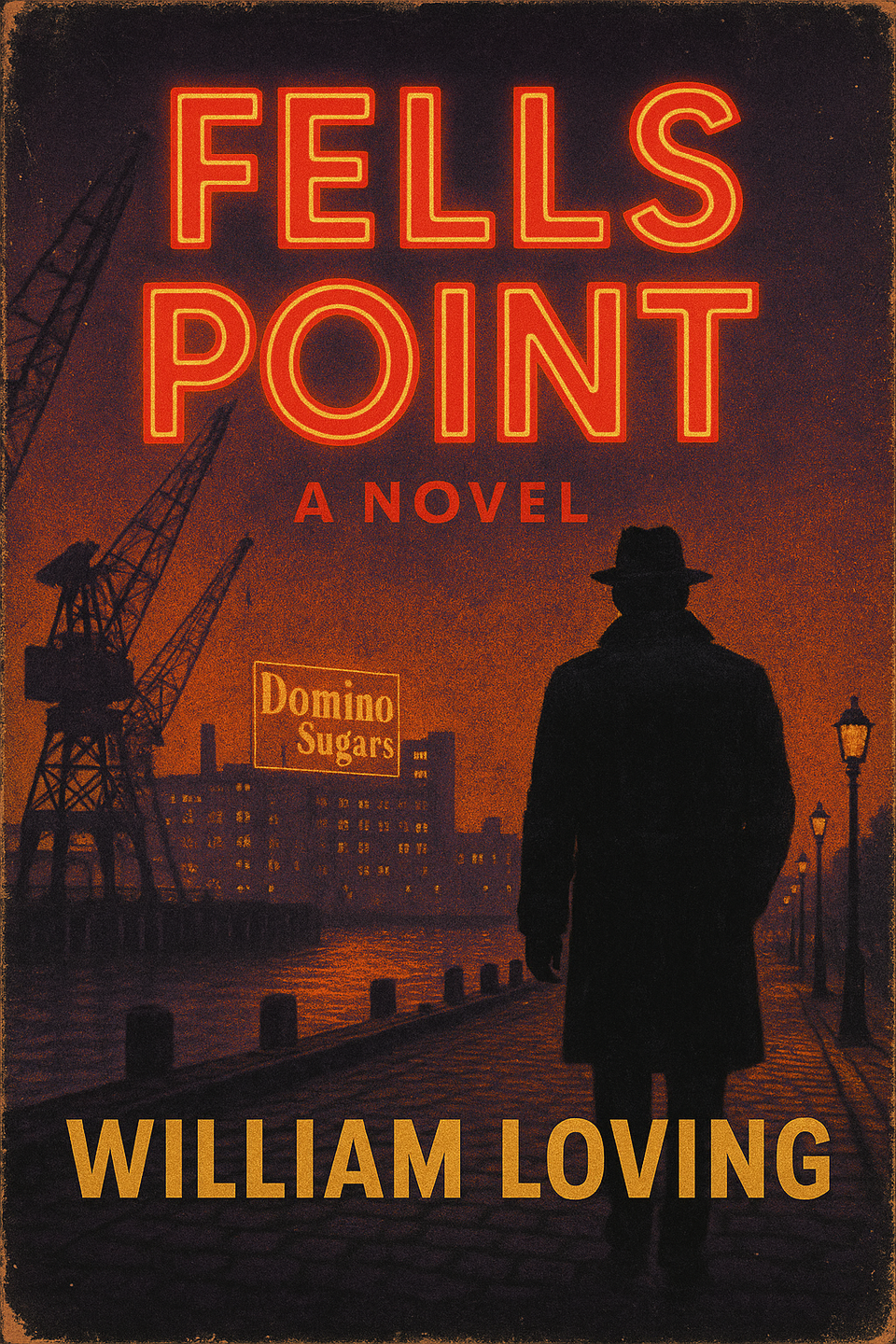 Fells Point: A Novel – William Loving – Rare Bird Books – Hardcover – 9781644285558 – 240 pages – $28.00 – June 9, 2026 – ebook available at lower prices
Fells Point is a bit of a noirish, bit of a postmodernish novel set in modern day Baltimore. In all honesty, I was surprised by how much I enjoyed it. For some reason I just did not expect to get into it so easily. Maybe because the writing is clear and the author clearly loves his characters and the city of Baltimore where the book takes place.
The novel’s protagonist is Daniel Doyle Jr., who comes off as bored with his life and aware that there must be something more. We kind of like him but we don’t quite know why. Maybe it is because now that he has reached the time he might have had his mid-life crisis, he finds out that he has a congenital heart defect that could kill him at any moment. Imminent death does seem to be a wake up call for Doyle so he starts exploring his home city for the first time. He makes a “bucket list” of places he has missed or taken for granted for his entire life that he can actually see for the first time.
Just as he’s beginning to get comfortable with his new understanding of Baltimore’s hidden treasures, Doyle starts to realize that he is being followed by a mysterious stranger who seems to appear wherever he goes. He wonders whether this is actually real, or some sort of fantasy he has created for himself, but it turns out to be real in a surprising and complicated way that makes the novel completely engrossing for the reader (and for the characters in it as well). Difficult life questions are asked and possibly answered.
Bill and I had an excellent conversation about this novel and Loving’s approach to fiction. And given the surprising twists and turns in this story, we were careful to avoid any spoilers. You will have to read the book to find out why it is so compelling. I hope you enjoy our conversation as much as I did.
Before turning to fiction, Loving was an accomplished journalist at the Los Angeles Times and the Minneapolis Star Tribune. In addition to Fells Point, he is also the the author of two other novels, City of Angles (set in Los Angeles) and Blue Earth River (set in Minneapolis). In his fiction, he has tended to explore the cities he has lived in, using his journalist’s skills to create stories that reflect those places in vivid ways. He currently lives in Pasadena, California with his wife.
William Loving has crafted a maze of identity and irony that leads to a climax that will stay with the reader long after the last page.”—David Bolton, author of Whispering Pines and Love Thief
“As thought-provoking as it is hilarious, Fells Point is a page-turning masterpiece of existential wit and suspense.”—J. Paul Rieger, author of A Most Unlikely Man and Sunscreen Shower

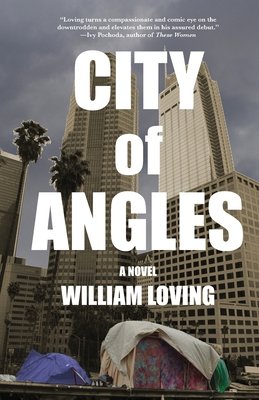
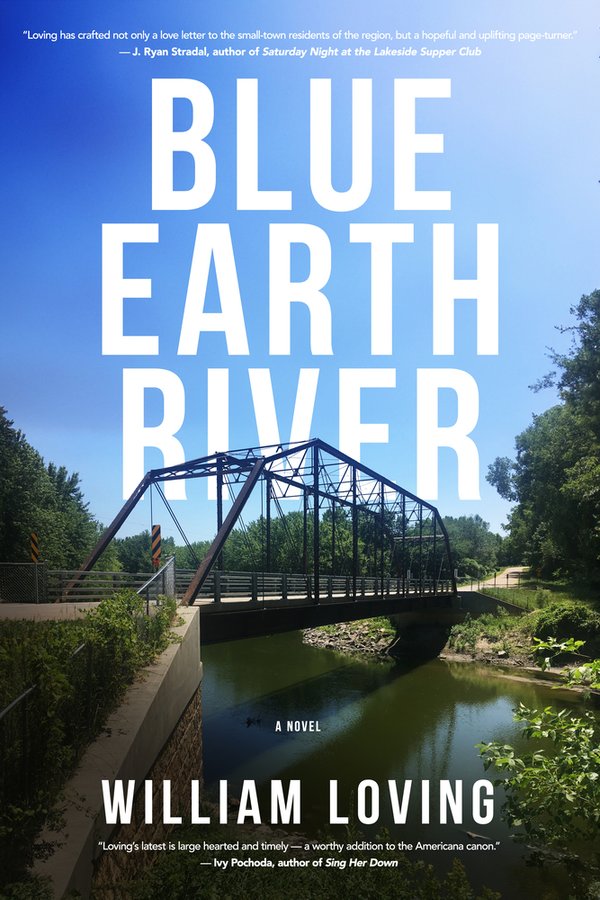
Podcast: Play in new window | Download
David Margolick: When Caesar Was King
June 30, 2026 by David
Filed under Non-Fiction, WritersCast
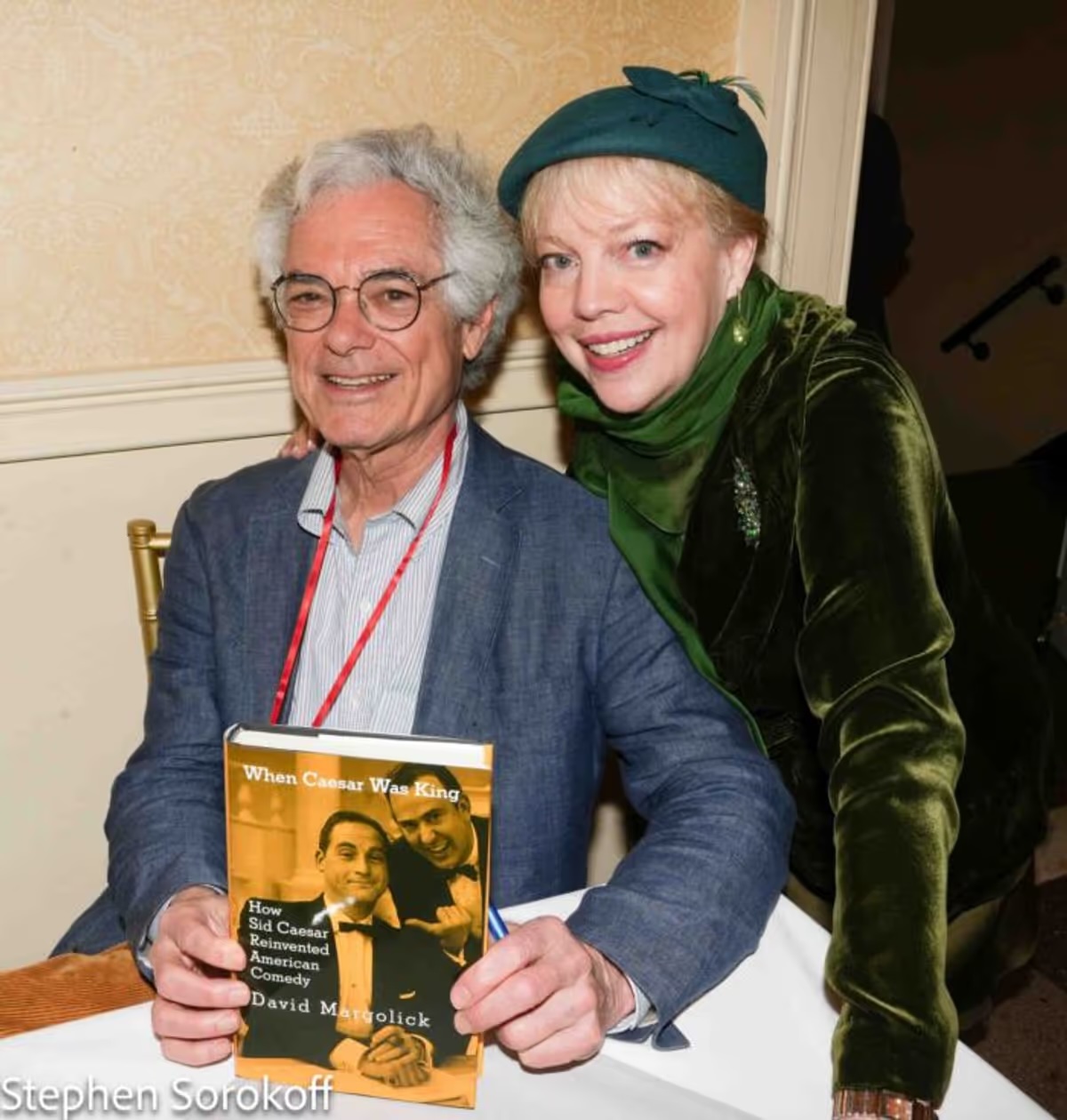
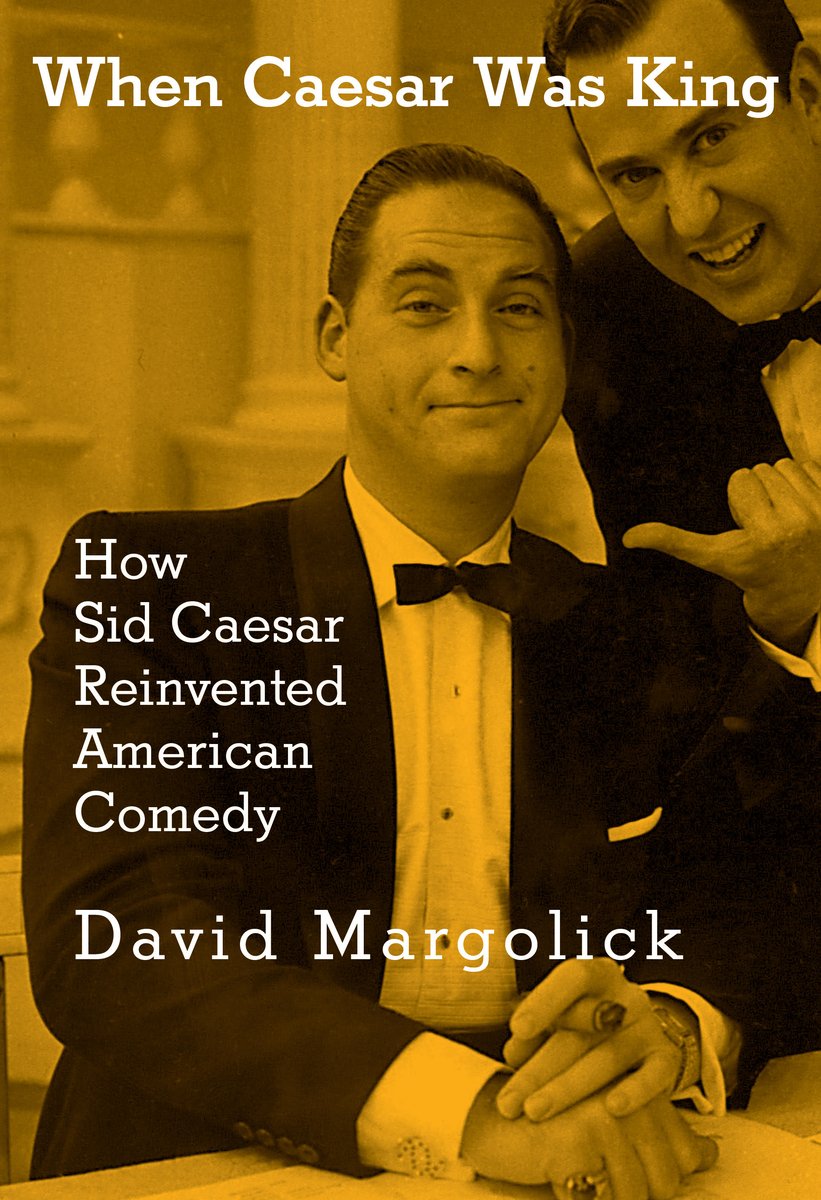 When Caesar Was King: How Sid Caesar Reinvented American Comedy – David Margolick – Shocken Books – Hardcover – 9780805242553 – 400 pages – $35.00 – November 11, 2025 – ebook edition available at lower cost, audio book also available.
I am almost the same age as author David Margolick, so was born too late to see any of Sid’s early classic shows that aired when he was establishing the way comedy would work on the then new medium, television. Growing up with a comedy writer father, Sid Caesar was legendary in our house as a revered progenitor of the current crop of television comedy, but by the time I was old enough to know who he was, Sid Caesar was no longer at the pinnacle of his success. Despite being active on TV through the sixties, seventies and beyond, he was no longer culturally relevant as he had been earlier in his career. Yet his impact on television and its audiences was massive, and I remember hearing my parents and their friends talk about Sid Caesar, Imogen Coca, Carl Reiner, and Mel Brooks and their less well-known writers, always with admiration and joy.
Whether you are lucky enough to have seen Sid Caesar in action in his early days, or know nothing about him at all, David Margolick’s biography brings Sid to life. He provides us with a vivid rendering of an extremely complicated actor/comedian. In the early 1950s, Caesar was television’s first real star, his show drawing am audience of twenty million people at a time before televisions were not even present in most homes in America. His sketches helped define the nature of television comedy for generations to come even to this day. (All you have to do is watch a Caesar sketch followed by a modern SNL sketch and you will get it.)
Most of Caesar’s writers and actors went on to their own successful and influential careers and helped define television culture for decades. His writers included Neil Simon (The Odd Couple), Larry Gelbart (M*A*S*H), Mel Tolkin (All in the Family), Woody Allen (too many to list), Mel Brooks (Blazing Saddles, The Producer) and Carl Reiner (Dick Van Dyke Show).
Sid Caesar success was relatively short-lived. As television moved to take over the heartland of America, other stars supplanted him. As Margolick makes clear, Caesar was a complicated, introverted, socially awkward person, completely unlike the public personae he portrayed in performance. He could not or would not adapt to the changing tastes of television audiences—perhaps because Caesar’s humor was based on and drawn from 20th century urban American Jewish experience, and was more sophisticated than what mass market television would support. And Caesar’s personality was not suited for the massive success he achieved.
Margolick’s research and attention to detail, interviews with key people involved in Caesar’s life and his obvious love for Caesar’s humor and culture all contribute to make this a highly readable and enjoyable book for anyone who is interested in American culture and especially television comedy.
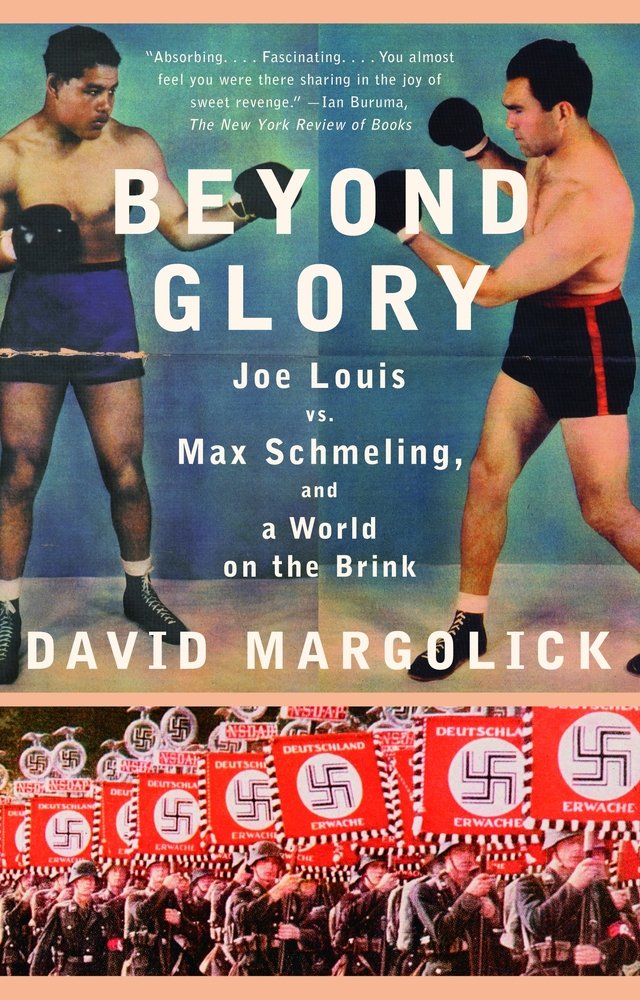
David Margolick was a reporter on legal affairs for the New York Times, where he wrote the weekly “At the Bar” column and covered, among other stories, the trial of O. J. Simpson. He was subsequently a contributing editor at Vanity Fair. His books include Beyond Glory: Joe Louis vs. Max Schmeling, At the Bar, Strange Fruit: The Biography of a Song, Dreadful: The Short Life and Gay Times of John Horne Burns; and Elizabeth and Hazel: Two Women of Little Rock, and The Promise and the Dream. He lives in New York City.
I very much enjoyed reading this biography, which is appropriately entertaining as well as informative. It broadened and deepened my appreciation for early television comedy, a milieu I enjoy. With the ubiquity of old television clips now available on YouTube, I was able to sample some of the sketches that are described in the book, including some I had never seen. Watching Caesar in action with his great supporting casts, while reading about those people in the book will change the way you see them now. David and I had a terrific conversation which I hope you will enjoy as much as I did.


Podcast: Play in new window | Download
Publishing Talks: Ramsey Kanaan of PM Press
June 15, 2026 by David
Filed under Publishing History, PublishingTalks, The Future
 Publishing Talks started as a series of conversations with book industry professionals and others involved in media and technology, mostly talking about the future of publishing, books, and culture. It has been an ongoing education talking with people in the book industry about the evolution of publishing in the context of technology, culture, and economics. This latest episode features a recent conversation with Ramsey Kanaan about the anarchist publisher PM Press he founded in 2007, and his work in publishing, music and activism for the past many years. Ramsey has been a leader among the innovative, creative editors, publishers, and others in independent publishing and bookselling whose work is so important, especially now.
I met Ramsey years ago when he was working with activist AK Press he helped start in the UK. He later left AK, establishing PM Press in 2007 to focus on a wider range of literary publishing, and to reach a larger audience than AK nonfiction oriented publishing could do.
PM Press was originally based in the Bay Area and still maintains space there, but moved its main operations to Ithaca, New York in 2023, when it purchased the former Autumn Leaves bookstore space to establish its warehouse there. And there’s also a branch in the UK, so it’s pretty wide-reaching for an independent publisher. Publishing authors as varied as Ursula K. Le Guin, Peter Linebaugh, Silvia Federici, C.L.R. James, James Kelman, and Jonathan Lethem, as well as a plethora of newer and less well-known voices, PM has become one of the most successful radical publishers of modern times. Their list is impressive, including a range of books in fiction, art, music, politics, history, and culture in print, ebook, and audio formats.
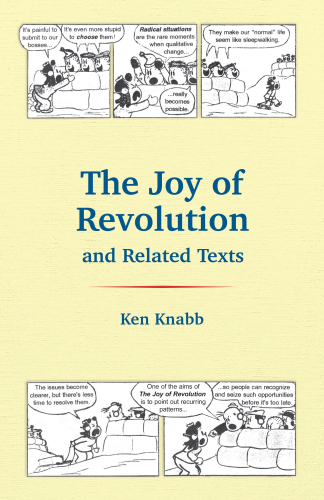
PM’s publishes widely, including coloring books and cookbooks, polemics, memoirs, novels, pamphlets, treatises, manifestos, and comics in almost every topic imaginable – bicycles, vegetables, squatting, sex, sports, punks, Wobblies, self-defense, parenting, striking, and much more. PM brings tremendous energy to its publishing, reaching readers “by any means necessary” with unmatched creativity and gusto.
Aside from his work in books and publishing, Ramsey was also the vocalist of the Scottish punk band Political Asylum.
We had a great conversation about books, publishing, distribution and the current state of politics in America. Talking to Ramsey, it’s clear that the energy and strength of outsider publishing is stronger than ever, and that energy is needed now more than ever.
Check out the press and its books here.
You can join Friends of PM Press to support their work and get access to an array of essential books.
PM is an altogether terrific outfit keeping the flags flying – red, black, and rainbow. What energy! What facts-on-the-ground! What excitement! What dreams!—Peter Linebaugh, author of The Magna Carta Manifesto: Liberties and Commons for All and coauthor of The Many-Headed Hydra: Sailors, Slaves, Commoners, and the Hidden History of the Revolutionary Atlantic
If a revolutionary’s first weapon is a book, PM Press has the arsenal. Their texts are battle plans for a new world.—Peter Werbe, The Fifth Estate

Podcast: Play in new window | Download
Thomas W. Gilbert: Death in the Strike Zone
June 7, 2026 by David
Filed under Non-Fiction, WritersCast
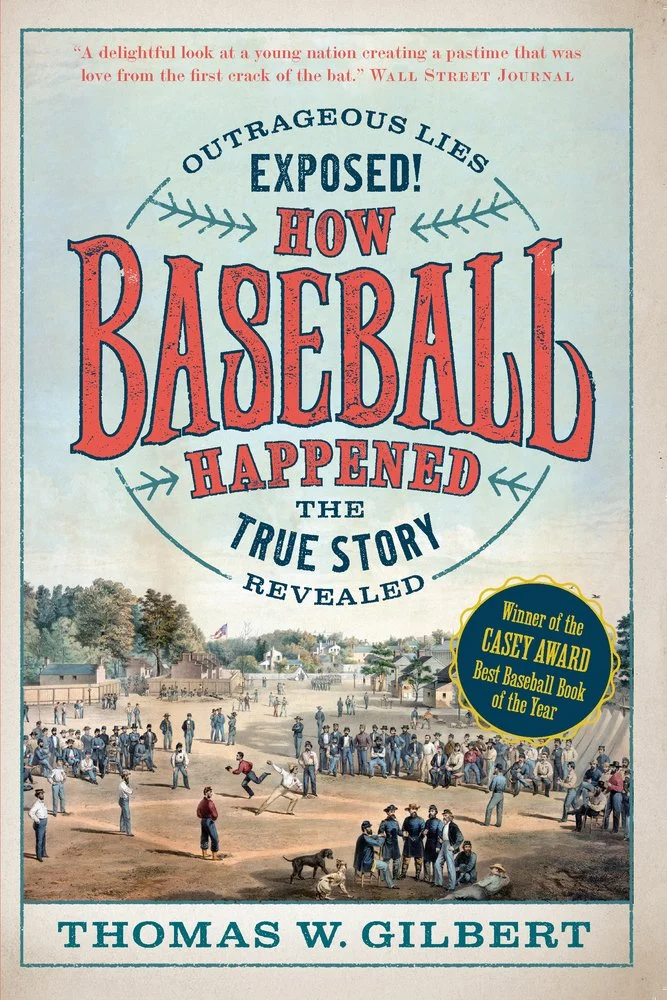
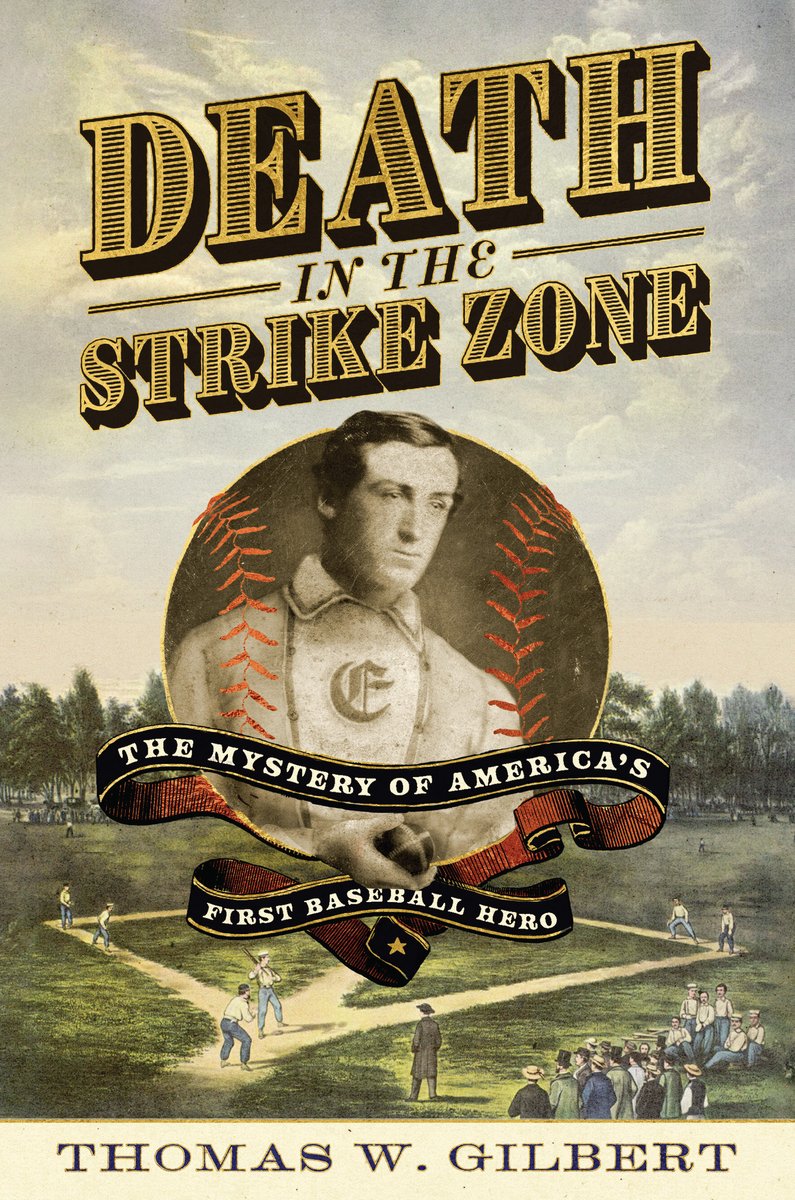 Death in the Strike Zone: The Mystery of America’s First Baseball Hero — Thomas W. Gilbert — David Godine — Hardcover — 978-1-56792-759-7 — 192 pages — $27.95 — March 24th, 2026 – ebook edition available at lower cost
As most of my listeners probably know by now, I love baseball and I really love books about baseball. At one time I thought I knew alot about baseball history, but I have come to realize that I am a rank amateur in a world where there are true baseball historians at work on almost any baseball related subject one could imagine.
I loved reading Tom Gilbert’s wonderful book about James Creighton, arguably the first true baseball star, whose brief career took place in the heated era of early baseball in New York City. Pre-Civil War baseball is really not the same game as the one we play today. It was a precursor even to the game played in the late 19th century and early twentieth century, an era that at least some rabid fans today know something about. But baseball as it was played in the 1850s and 1860s was far different, and perhaps no more so than how pitching was done.
Reading this vividly written book, we learn about an era that is both strangely foreign and similar to our own in many ways. Baseball this early was still being defined by its players, and the game was emerging from pure amateur club sport played only in the big eastern cities, showing signs of popularity that would enable baseball to become the dominant sport in the entire country in less than 50 years.
Creighton was his era’s Babe Ruth and Shohei Ohtani, someone whose skills and manner of playing changed the game completely. What I learned from Tom Gilbert is that in this early time, pitching was much more like today’s slow pitch softball than what we recognize as hardball pitching today. The mount was much closer to home plate, and there were no balls and strikes – hitters just waited for a pitch “served” to them that they could hit, and it was fielding and running that made the game interesting, not today’s “inside game” where the pitcher and hitter define so much of what will happen.
Even if you don’t care as much about baseball as I do, Gilbert’s narrative weaves together the history of nineteenth century America into his narrative in a way that will interest many in the story of American culture.
Thomas W. Gilbert is also the author of How Baseball Happened: Outrageous Lies Exposed, The Truth Revealed, Baseball and the Color Line, Roberto Clemente, and Playing First. He grew up in Connecticut and lives in Brooklyn, not far from where James Creighton played and is buried.
We had a great conversation I hope you will enjoy as much as I did.

Podcast: Play in new window | Download
Anne Enright: Attention: Writing on Life, Art, and the World
May 7, 2026 by David
Filed under Non-Fiction, WritersCast
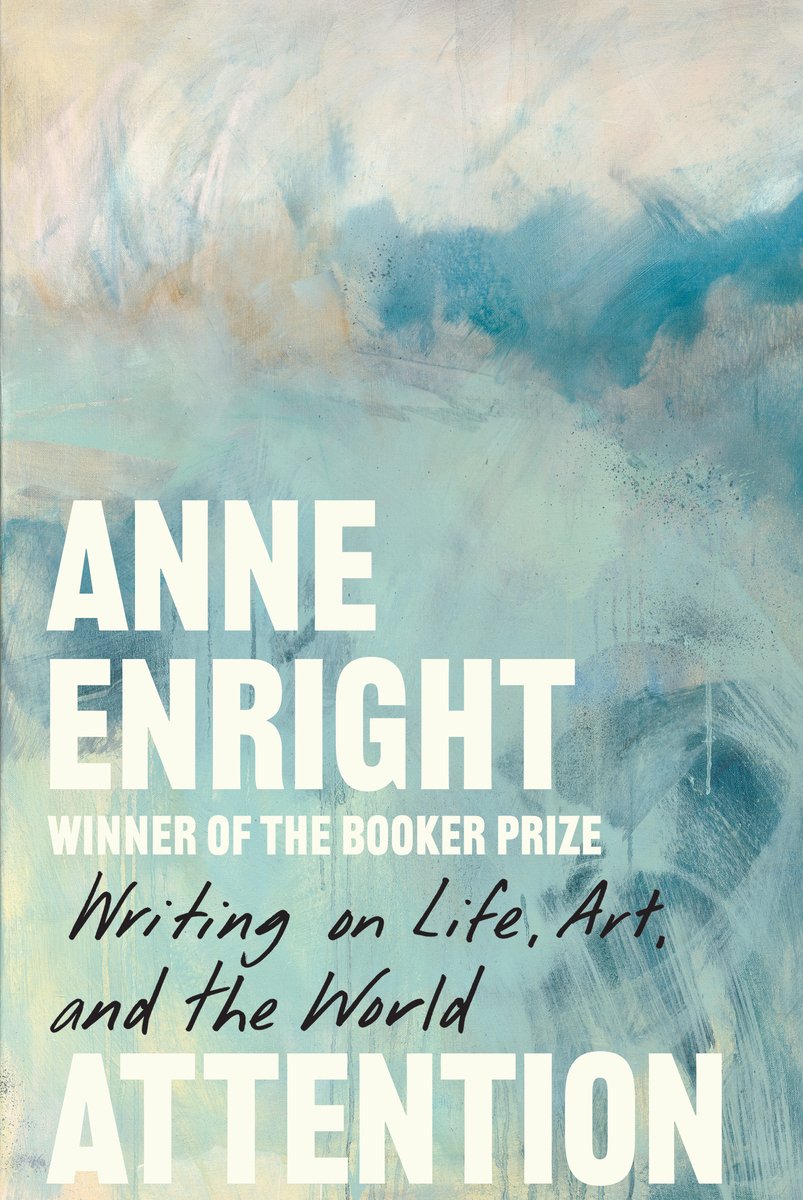 Attention: Writing on Life, Art, and the World — Anne Enright — W.W. Norton — Hardcover — 978-1-324-12413-9 — 288 pages — $29.99 — April 7, 2026 — ebook and audio book versions available, prices vary
Anne Enright has quickly become one of my favorite writers over the past several years. Her fiction is superb, her characters fully alive, and the complex stories of their lives are gripping. She has rightfully won just about every major award, including the Man Booker, a Whiting Campbell award, the Andrew Carnegie Medal, and in 2022 a Lifetime Achievement Award from the Irish Book Awards. We talked in person in 2020 just prior to the pandemic about her beautiful novel, Actress, a great honor for me.
Her newest book, Attention: Writing on Life, Art, and the World, collects nearly thirty years of her essays that cover a wide range of topics, always focusing with laser attention on what matters most about her subjects, mostly writers. Some you will know well, others, unless you are Irish or particularly well read in contemporary Irish lit will be new to you, as they were to me. You’ve probably read James Joyce, Alice Munro, Angela Carter, and Toni Morrison, for example, but you may be less familiar with John McGahern or Maeve Brennan. I think Enright’s personal approach to these writers and the stories of how they have affected her life bring her unique perspective to all of them.
But there is more, much more in this collection than writing about writers. The book is divided into three sections: “Voices,” “Bodies,” and “Time.” The first section collects her writing about writers and the second presents her essays about women, their bodies and who will control them, while the third section is broader (as time is, isn’t it?) and less specific, including essays about Canada (beautiful), where Enright spent time in her youth, Honduras for a visit, children and religion (challenging), and traveling with her husband, among others.
Enright’s writing is always spot on, simultaneously warm and tough. It’s a great read. And the essays always leave the reader thoughtful and engaged, which I like very much.
We had a great talk about a great many things, some not included in the book at all. Talking to Anne Enright is like being in a room where a brilliant salon is taking place. The conversation is always great, and like her essays, spur one to thought and reflection. What more could you ask for?
“…she is one of the best essayists alive.”—Megan Nolan, Observer
Buy: Attention: Writing on Life, Art, and the World
- The Wig My Father Wore (1995)
- What Are You Like? (2000)
- The Pleasure of Eliza Lynch (2002)
- The Gathering (2007)
- The Forgotten Waltz (2011)
- The Green Road (2015)
- Actress (2020)
- The Wren, the Wren (2023)
- The Portable Virgin (1991)
- Taking Pictures (2008)
- Yesterday’s Weather (2009) – A collection of new and selected stories
- Making Babies: Stumbling into Motherhood (2004) – Essays on motherhood
- Attention: Writing on Life, Art and the World (2026)

Podcast: Play in new window | Download
Publishing Talks Interview: Luke Palder of MemoirGhostWriting.com
April 21, 2026 by David
Filed under PublishingTalks
 I discovered the very interesting Luke Palder by accident one day when I saw an ad he ran for his memoir writing and publishing business, MemoirGhostWriting.com. It sounded really interesting, and similar enough to some of my own work that I wanted to find out more about his work.
Luke is a serial entrepreneur in book publishing and production – he is the founder and CEO of ProofreadingServices.com, MemoirGhostwriting.com, TranslationServices.com, and TranscriptionServices.com. As he says about himself – “I’m committed to enhancing communication—whether it’s through the written word, across different languages, or from audio to text. My passion lies in empowering writers to share their stories, assisting businesses to overcome language barriers, and enabling individuals to immortalize their spoken words in written form. Leading these companies, my goal is to maintain the highest standards of service, treating every project with meticulous attention to detail.”
Publishing Talks has given me the opportunity to meet and talk to so many smart people in the book business. I really enjoy sharing the boundless creativity that motivates so many of us in the book business. Luke exemplifies those qualities and what this series of conversations is about. It was a pleasure to get to speak with him about his work and I am sure you will find this conversation of interest. We had a great conversation about his work, the book business and the importance of storytelling, among other subjects. His passionate commitment to people and their stories is visible in everything he does.
Luke is a Yale College graduate who also studied at Yale Law School, the Yale School of Management (SOM), Cambridge University, and Peking University. He is the founder of ProofreadingServices.com, serving more than 25,000 clients globally over 13 years. And he rode a bicycle across the United States, covering more than 4,000 miles in 63 days. He lives and works in North Carolina.

Podcast: Play in new window | Download