
Publishing Talks: Interview with Kyle Schlesinger of Cuneiform Press
April 5, 2021 by David
Filed under Publishing History, PublishingTalks
 Publishing Talks began as a series of conversations with book industry professionals and others involved in media and technology, mostly talking about the future of publishing, books, and culture. I’ve spent time talking with people in the book industry about how publishing is evolving in the context of technology, culture, and economics.
Later this series broadened to include talks and interviews that go beyond the future of publishing. In an effort to document the literary world, I’ve talked with a variety of editors, publishers and others who have been innovators and leaders in independent publishing in the past, and into the present.
These conversations have been inspirational to me on many levels. I have gotten to speak with visionaries and entrepreneurs, as well as editors and publishers who have influenced and changed contemporary literature and culture. I started out in independent publishing, and early on learned how to set type by hand and operate mechanically operated printing presses that were even then becoming obsolete. I was never a very good printer and admire the poets and editors who have taken up the mantle of what is known as fine press printing to produce books that are artistically innovative and at times handmade.
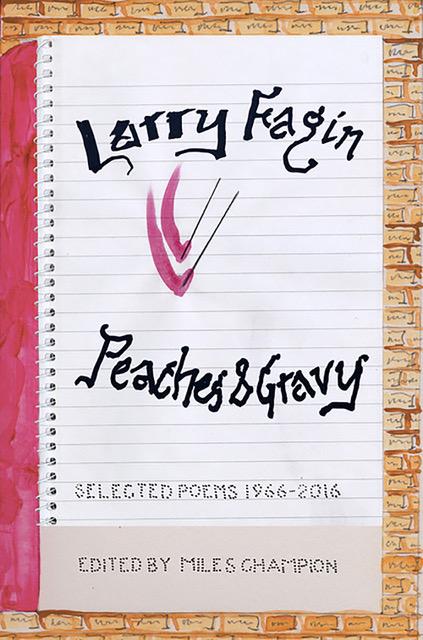
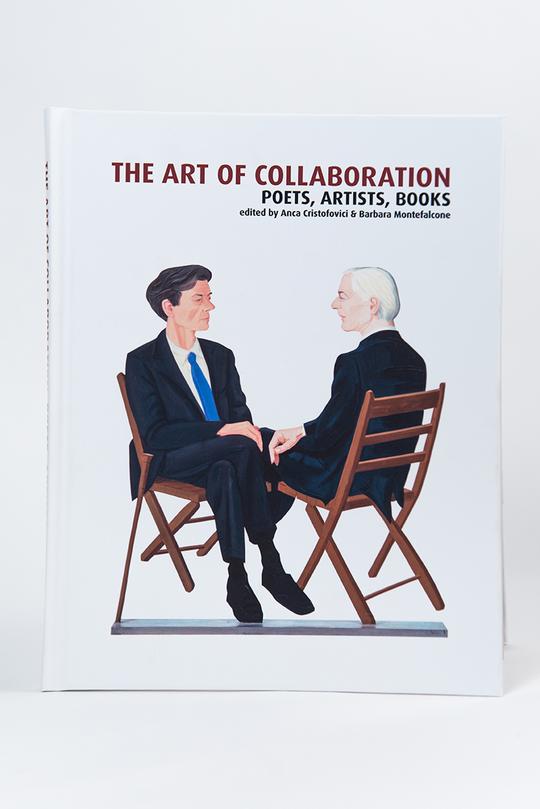
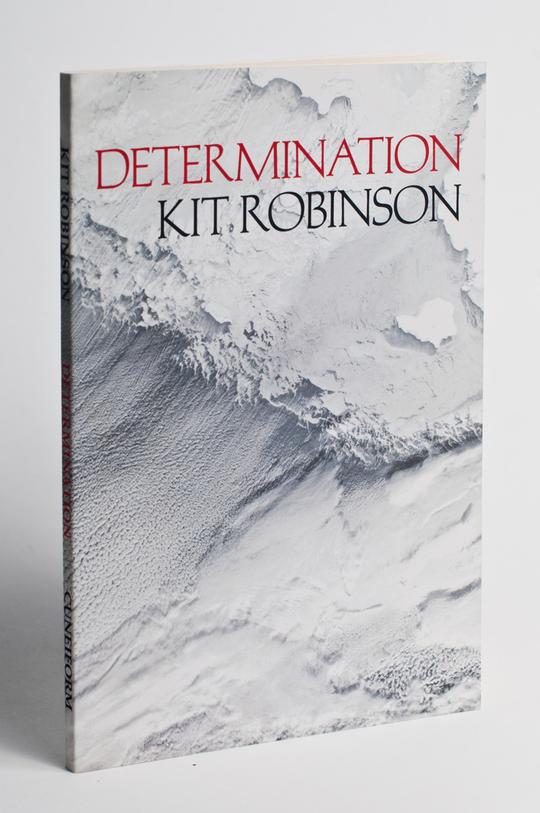
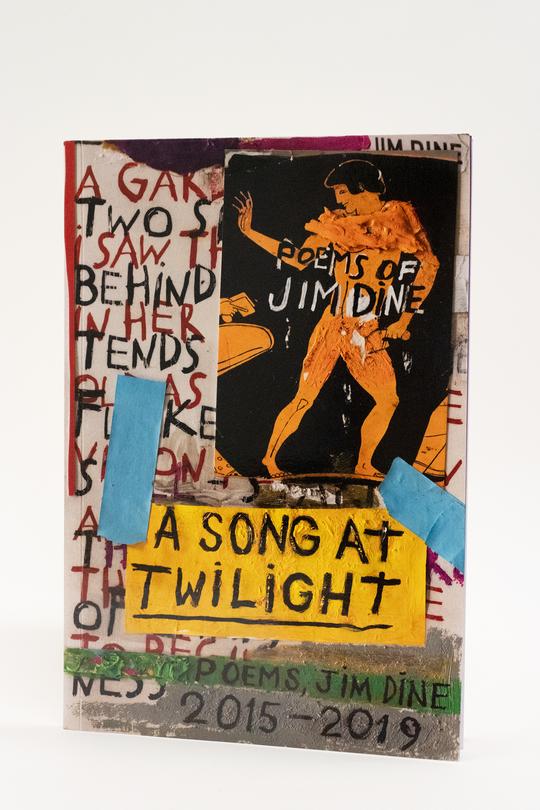
Kyle Schlesinger is a poet and independent publisher whose work I have long admired. His press, Cuneiform (“Poetry, Typography and Artists’ Books) has established an incredible body of work since he issued his first book in 2000, Luisa Giugliano’s Chapter in a Day Finch Journal, published in Buffalo while Kyle was a student in the Poetics Program at SUNY, where he studied with Robert Creeley, Susan Howe, and Charles Bernstein.
Kyle first discovered the idea of printing through Will Hamlin, a Black Mountain College alumnus, while he was studying at Goddard College. He learned to print first in Vermont on an 1889 Prouty platen press with metal type. As he says on the Cuneiform site:
“We printed the literary review for Goddard College, instructions for using a compost toilet, Gertrude Stein stationery, and a few short poems. I remember building up the letters of William Carlos Williams’ “A poem is a small (or large) machine made of words” early on.”
This early experience quite evidently sent Kyle on the path to becoming a fine printer and book designer, and the hand work well suited to his personal design views, as he has gone on to produce a range of excellent writing expressed through fine design and outstanding creativity in book production.
After he left Buffalo, Kyle moved to Austin, Texas, where Cuneiform is now based. He teaches at the University of Houston, Victoria. Cuneiform produces books of poetry, artists’ books and even scholarly works, using letterpress and offset printing. Kyle and I had a great conversation earlier this spring. When it is possible to travel again, I am looking forward to visiting Cuneiform and seeing Kyle and the great Vandercook 219 proof press he runs in his shop in Austin.
Kyle and I share a number of connections, including poets and old friends, Kit Robinson, Steve Benson, and Kyle printed for years on a press he got from another old friend, Michael Waltuch, as well as a shared interest in Black Mountain College and its many amazing poets, artists and craftspeople. It’s inspiring to see his work, that carries forward the meaningful traditions of poets in collaboration with artists in the making of books. We had a wide ranging conversation about his work, past, present, and future.
Visit the Cuneiform Press website – do consider buying some books or subscribing or even donating, as Cuneiform is a 501 (c)3 nonprofit, donations are tax-deductible!
Podcast: Play in new window | Download
Publishing Talks: David Wilk Interviews Howard Junker about Zyzzyva
June 30, 2020 by David
Filed under Publishing History
 Publishing Talks began as a series of conversations with book industry professionals and others involved in media and technology, mostly talking about the future of publishing, books, and culture. I’ve spent time talking with people in the book industry about how publishing is evolving in the context of technology, culture, and economics.
Some time back, this series broadened to include conversations that go beyond the future of publishing. In an effort to document the literary world, I’ve talked with a variety of editors, publishers and others who have been innovators and leaders in independent publishing in the past and into the present.
One of my favorite lines of exploration for Publishing Talks has been a series of conversations with editors and publishers of independent presses and literary magazines. These enterprises are at the core of literary culture. They bring new voices to light, tap into the always changing literary culture, and bring it forward to readers and importantly, to other writers as well.
One of the most important literary magazines of the late twentieth and early twenty first century is Zyzzyva: The Journal of West Coast Writers & Artists, founded by Howard Junker in San Francisco as a purely West Coast platform in 1985. Howard and I knew each other in the eighties and nineties when I was involved in literary magazine and press distribution. I’ve always thought highly of Zyzzyva, its look and feel and the breadth and scope of its literary vision. Having a chance to talk for awhile with Howard about the magazine and his own literary output since leaving the magazine in 2010 was a welcome pleasure. He has a lot to say on alot of subjects. I truly enjoyed our conversation and hope you will find it as interesting and rewarding as I did.
Howard Junker was born in Port Washington, NY and grew up in Chappaqua, NY. He attended Amherst, Stanford, and the University of San Francisco. Junker has written for many magazines, including Architectural Digest, Art in America, Artforum, Esquire, Film Comment, Film Quarterly, Harper’s Bazaar, The Nation, The New Republic, New York, Newsweek, Playboy, Rolling Stone, The Village Voice, and Vogue.
He has also worked as a documentary filmmaker, television producer, construction carpenter, junior high school science teacher, fondue cook, P.R. flack, and technical editor.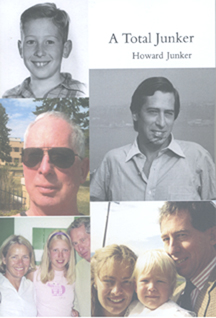
He founded Zyzzyva in 1985, and edited 90 issues before he retired at the end of 2010. He also edited five anthologies of work from the magazine, including AutoBioDiversity, as well as four Zyzzyva first novels and three Zyzzyva first collections of poems. There is much more about Howard to be found at his website here.
Photo above by Dennis Letbetter.
Podcast: Play in new window | Download
Publishing Talks: David Wilk interviews Mary Gannon of CLMP
May 30, 2020 by David
Filed under Publishing History, PublishingTalks, The Future
 Publishing Talks began as a series of conversations with book industry professionals and others involved in media and technology, mostly talking about the future of publishing, books, and culture. As every media business continues to experience disruption and change, I’ve spent time talking with some of the people involved in our industry about how publishing might evolve as it is affected by technology and the larger context of culture and economics.
Some time back, this series broadened to include conversations that go beyond the future of publishing. In an effort to document the literary world, I’ve talked with a variety of editors, publishers and arts professionals who have been innovators and leaders in independent publishing in the past and the present, and continue to explore the ebb and flow of writing, books, and publishing in all sorts of forms and formats, as change continues to be the one constant we can count on.
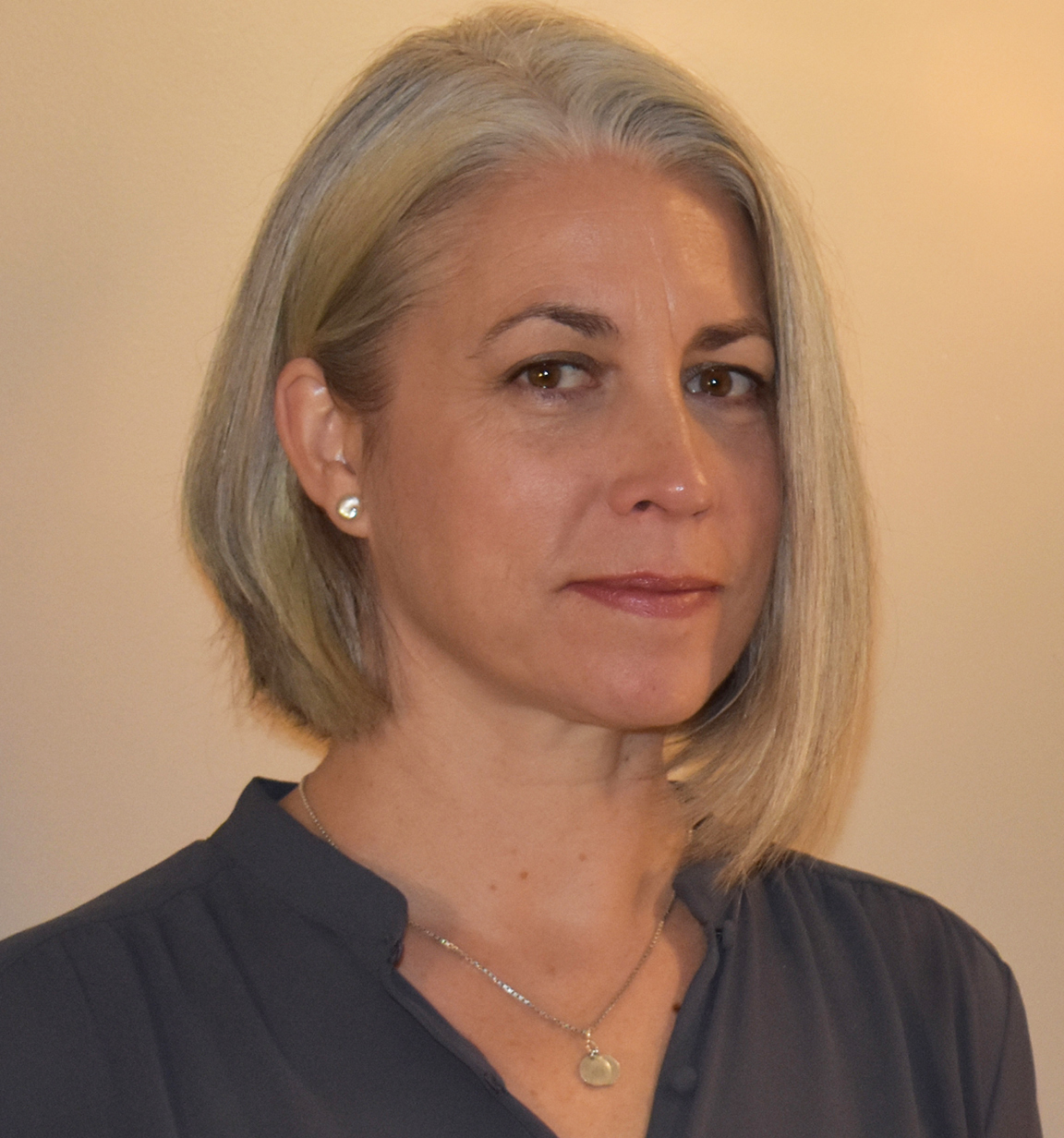
Mary Gannon is the Executive Director of the Community of Literary Magazines and Presses, a now more than fifty-year-old nonprofit that is the primary organization in the US supporting the literary publishing community. There are hundreds of publications of all sizes that benefit from CLMP’s work, some well-established, others that are start-ups, and many others in various stages of growth and development. Some have institutional support, while the majority are supported only by the work of volunteers and readers.
Mary is herself a poet, and has worked in the literary community for many years. She well understands the struggles and needs of the community she serves. Before joining CLMP in 2018, she was the Associate Director and Director of Content for the Academy of American Poets, and before that she was the Editorial Director of Poets & Writers, the country’s largest nonprofit organization serving poets and literary writers.
Mary has published numerous articles about publishing and the literary field, as well as book reviews in a variety of journals. With her husband, Poets & Writers Magazine Editor-in-Chief Kevin Larimer, she wrote The Poets & Writers Complete Guide to Being a Writer, published by Avid Reader Press/Simon & Schuster April, 2020.
I’ve wanted to talk to Mary for some time about the state of the independent literary community. Now, with the COVID pandemic having such an impact, especially so on the arts (to the point of crisis for many) it’s an important time for a conversation about the current state and future prospects of literary publishing.
CLMP was founded in 1967 by writers and editors, including Russell Banks (whom I interviewed in 2018.) It offers a range of services and funding to magazines and literary publishers. Visit the CLMP website for more information or to make a donation in support of its vital work to support independent literary culture.
Disclosure: I am currently proud to be a member of the board of trustees of CLMP.
Podcast: Play in new window | Download
Publishing Talks: David Wilk interviews writer and entrepreneur Rachel Lehmann-Haupt
November 5, 2019 by David
Filed under Publishing History, PublishingTalks
 Publishing Talks began as a series of conversations with book industry professionals and others involved in media and technology, mostly talking about the future of publishing, books, and culture. As every media business continues to experience disruption and change, I’ve been talking with some of the people involved in our industry about how publishing might evolve as it is affected by technology and the larger context of culture and economics.
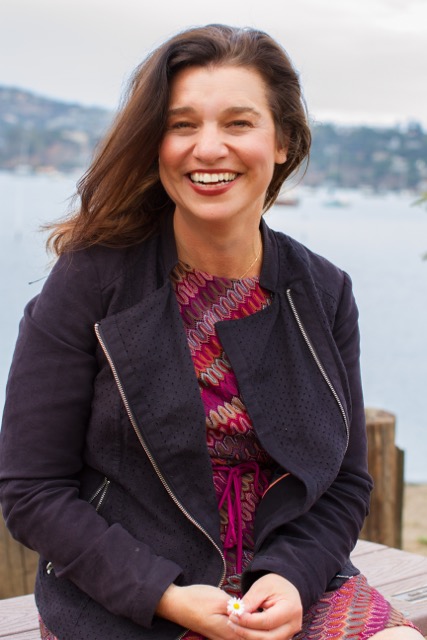
Rachel Lehmann-Haupt is best known for being an expert on the future of family life, career timing, and the influence of science and technology on fertility, pregnancy and family.
She is the author of In Her Own Sweet Time: Egg Freezing and the New Frontiers of Family. Her articles have been featured in a wide range of magazines and websites.
Rachel graduated with a degree in English literature from Kenyon College, and has a Masters in Journalism from the Graduate School of Journalism at the University of California, Berkeley. At UC Berkeley, she apprenticed under Clay Felker, the founder of New York Magazine. She has spoken on numerous panels at bookstores, hospitals and corporate events, and has delivered keynotes at universities.
Rachel’s newest venture, StoryMade Studios, a content development and editorial production studio was what introduced me to her work and caused me to want to talk to her for this Publishing Talks podcast series.
Much like my own work with content creators, and similar to the way movie studios work, Rachel builds teams that include writers, designers, developers, and video producers, and then manages the creation and editing of all the elements of a digital media story. StoryMade Studios focuses on health, parenting, advanced reproductive technology, neuroscience, women, sustainability, and food.
In recent years, Rachel has been a senior content strategist and strategic advisor for a number of technology start-ups, media properties, and non-profits including TED Books, The Dwell Store, Wired Magazine, BabyCenter.com, The Women 2.0 Conference, Code for America, Bridge Housing, Shebooks, and Dr. Dean Ornish/Healthways.
It was a pleasure to spend some time with her for a lengthy and wide ranging conversation when she was recently in New York City for a visit. I wanted to talk to her about her work as a writer and as a facilitator of book and other content projects, but in particular, I thought it would be really interesting to talk to Rachel about what it was like to have grown up as the child of two writers in the hothouse environment of New York City literary culture and how it influenced her own professional and personal life.
Thank you Rachel for a great conversation!
You can buy her book from RJ Julia here.
Visit Rachel’s own website here. Read about her book,In Her Own Sweet Time. 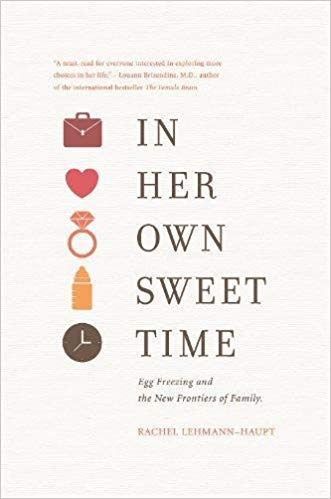
And about Story Made Studio here.
Podcast: Play in new window | Download
Publishing Talks: David Wilk interviews poet and editor Tom Montag
October 8, 2019 by David
Filed under Publishing History, PublishingTalks
 Publishing Talks began as a series of conversations with book industry professionals and others involved in media and technology, mostly talking about the future of publishing, books, and culture. As every media business continues to experience disruption and change, I’ve been talking with some of the people involved in our industry about how publishing might evolve as it is affected by technology and the larger context of culture and economics.
I’ve expanded this interview series to include conversations that go beyond the future of publishing. I’ve talked with editors and publishers who have been innovators and leaders in independent publishing in the past and the present, and will continue to explore the ebb and flow of writing, books, and publishing in all sorts of forms and formats, as change continues to be the one constant we can count on.
Tom Montag is a poet, critic, editor and publisher whom I have known for many years. I love his biography, which emphasizes his pure identity as a midwesterner. Unlike so many Americans, he has lived in the midwest for his entire life, and his work identifies deeply with where he lives. He does not need to declaim his role as a true poet of place.
Tom was somewhat famously the editor of Margins: A Review of Little Magazines and Small Press Books during the 1970s, was active in the Milwaukee literary scene, and was an editor and feature writer for Wisconsin’s Fox River Patriot during its heyday from 1977 to 1979. With his wife Mary, he edited and published the Wisconsin Poet’s Calendar from 1982 to 1984, which was subsequently handed to the Wisconsin Fellowship of Poets to continue.
Tom spent the better part of his work life at the family owned Ripon Community Printers in Ripon, Wisconsin. During those years, he wrote pithy sayings from a character he called Ben Zen. Four collections of the BZ poems were published between 1992 and 2000.
His memoir, Curlew: Home is about his first fourteen years spent on a farm outside Curlew, Iowa, and about his sense of loss in revisiting the community forty years later. Kissing Poetry’s Sister gathered eleven of Montag’s essays about writing and being a writer, including his long piece on creative nonfiction.
After he retired from his Ripon job, he spent five years creating “Vagabond in the Middle,” an attempt to determine what makes us middle western. He has been collecting stories from residents of twelve communities across the middle west, true stories of their families, their lives, and their connections to the places they inhabit.
Tom and I have worked together on publishing projects at Woodland Pattern in Milwaukee, and we’ve presented together there and at the Lorine Niedecker festival in Fort Atkinson, Wisconsin. Tom’s writing and editing has meant a great deal to me over the years, we are linked in so many ways, yet have such different backgrounds, and it was a great pleasure to speak to him here about his lifetime of work in writing and publishing, though to be sure, we barely scratched the surface of what we could have talked about.
SOMETIMES
Sometimes
in the weeds
a loveliness.
This moment
among all
the moments.
Rain when it’s
needed. Tom,
stop wanting
anything more.
MY FATHER,
holding the Y
of willow
lightly
in his hands,
walks the land.
The willow
leaps
for something
we do not
see: Here,
my father says
to the man,
drill here.
Tom is the author of many books and has edited anthologies as well. His most recent large scale collection is In This Place: Selected Poems 1982-2013.
There are two really good written interviews with Tom in the Wombwell Rainbow and the Mocking Heart Review. You can learn more about Tom and his work here and you can keep up with his prodigious output of poetry at his outstanding blog The Middle Westerner where you will regularly find him posting poems that will endure.
“Exploring the heart of the country; or, as Nancy Besonen has said, “Tom Montag is defining the character of the Midwest – one character at a time.”
Thanks Tom, for being who you are.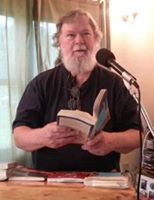

Podcast: Play in new window | Download
David Wilk interviews Bob Miller of Flatiron Books
October 8, 2018 by David
Filed under Publishing History, PublishingTalks
 Publishing Talks began as a series of conversations with book industry professionals and people active in media and technology. At that time, some years ago, we were mostly talking about the future of publishing, books and culture, exploring what people were then thinking about the changing economics and culture of publishing and reading.
This series has expanded to go beyond the future of publishing, now engaging with the history of contemporary publishing and various other book-related subjects. I’ve talked with editors and publishers who have been innovators and leaders in a range of publishing projects, and will continue to explore the ebb and flow of writing and publishing in many forms and formats, to help document the specific cultural milieu around books, authors and publishers.
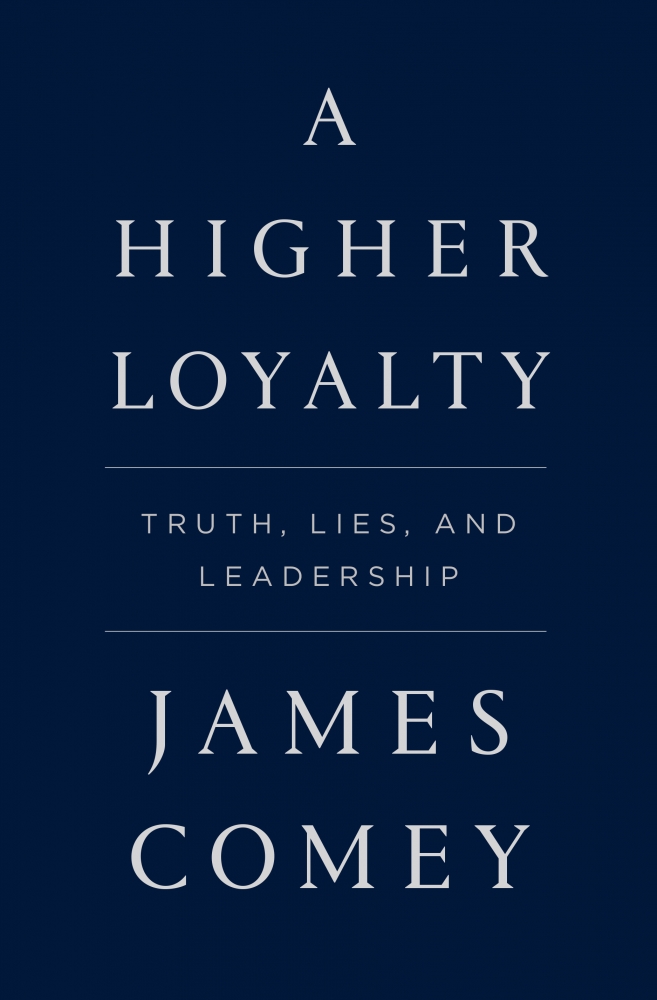
Bob Miller is currently the president and publisher of Flatiron Books, a relatively new division of Macmillan. Bob founded Hyperion for Disney in 1990 and was its president and publisher until 2008. He began his career at St. Martin’s Press and has also worked at Delacorte Press, HarperCollins, and Workman. Key titles Miller has acquired for Flatiron to date include What I Know For Sure by Oprah Winfrey, The Secret History of Twin Peaks by Mark Frost, Promise Me, Dad by Vice President Joe Biden, and in April, 2018, A Higher Loyalty by James Comey.
I thought it would be valuable to hear from Bob about his extremely successful publishing work with Flatiron and his colleagues there, and to get an understanding of what it takes to be successful in today’s commercial publishing. Bob has mastered all of the tools and strategies available to publishers, and understands better than most what it takes to continue to innovate and do well in a challenging environment. And the essential philosophy underlying the foundation of Flatiron has proved to be exceptionally strong. I hope you enjoy this conversation with Bob Miller as much as I did.
You can learn more about Flatiron Books and its current books here.
Podcast: Play in new window | Download
David Wilk interviews Russell Banks about Lillabulero magazine
February 4, 2018 by David
Filed under Publishing History, PublishingTalks
 Publishing Talks began as a series of conversations with book industry professionals and others involved in media and technology, mostly talking about the future of publishing, books, and culture. As every media business continues to experience disruption and change, I’ve been talking with some of the people involved in our industry about how publishing might evolve as it is affected by technology and the larger context of culture and economics.
Over the past few years, the series has expanded to include conversations on many other literary and publishing topics. I’ve talked with editors and publishers who have been innovators and leaders in independent publishing in the past and into the present, and will continue to explore the ebb and flow of writing, books, and publishing in all its forms and formats, to help document the breadth and depth of modern literary publishing.
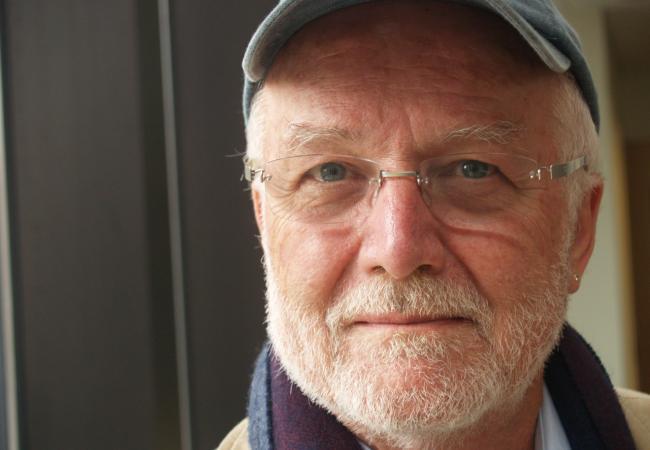
Listeners will most likely know of Russell Banks for his powerfully written and evocative fiction. His novels include The Darling, The Sweet Hereafter, Cloudsplitter, Rule of the Bone, Affliction, Continental Drift, Searching for Survivors, Trailerpark, among others, as well as a collection of short stories, A Permanent Member of the Family.
The prolific Banks has written poems, stories, and essays that have appeared in The Boston Globe Magazine, Vanity Fair, The New York Times Book Review, Esquire, Harper’s and other magazines and journals. His most recent book is the memoir entitled Voyager.
Banks has been widely honored, having won the Ingram Merrill Award, the John Dos Passos Award, the Literature Award from the American Academy of Arts and Letters. Continental Drift and Cloudsplitter were Pulitzer Prize finalists; Affliction, Cloudsplitter and Lost Memory of Skin were PEN/Faulkner Finalists. He is also the founder and president of Cities of Refuge North America.
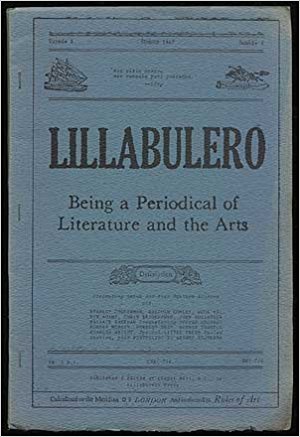
I think Russell Banks is among the best writers we have. I’ve been moved and challenged by his writing for a very long time. But the main reason I wanted to talk to Russell for this Publishing Talks series is that he was the co-editor of the important literary magazine and press, Lillabulero. With poet Bill Matthews, Russell started publishing Lillabulero when they were students at UNC in Chapel Hill in 1966. That magazine was an important part of the sixties generation of literary magazines and presses, and along with its many peers and competitors helped build a new literary culture that we are still experiencing today.
In those days, mimeographs and a new generation of small offset printing presses, along with inexpensive postal rates, enabled a low cost of entry for writers and editors to reach a wide audience all over the country and to create a new community of readers that were equally hungry for new work as much as the writers themselves sought audiences. Russell and Bill were at the center of much of the creative energy that was circulating around the country at that time, and Lillabulero quickly earned a reputation for quality writing from new writers.
Bill Matthews passed away far too young, and is missed by all those who knew him and his work; I hope this conversation will help bring him wider attention. And it was a great pleasure and honor for me to have this opportunity to speak with Russell about this period in his illustrious literary career.
Bill Matthews’ son, Sebastian, interviewed Russell for the Fiction Writers Review a few years ago, and that interview is a valuable source as well, and the Paris Review interview with Banks is flat out terrific.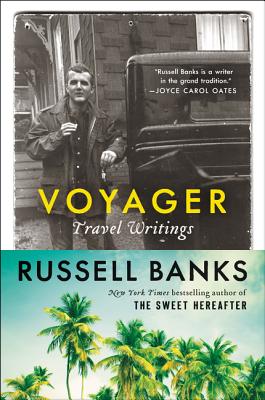

Podcast: Play in new window | Download
David Wilk interviews Steve Clay of Granary Books
July 26, 2017 by David
Filed under Publishing History, PublishingTalks
 Publishing Talks began as a series of conversations with book industry professionals and others involved in media and technology about the future of publishing, books, and culture. As we continue to experience disruption and change in all media businesses, I’ve been talking with some of the people involved in our industry about how publishing might evolve as our culture is affected by technology and the larger context of civilization and economics.
I’ve now expanded the series to include conversations that go beyond the future of publishing. I’ve talked with editors and publishers who have been innovators and leaders in independent publishing in the past and into the present, and will continue to explore the ebb and flow of writing, books, and publishing in all sorts of forms and formats, as change continues to be the one constant we can count on.
For the past several years, I’ve been talking to editors and publishers of independent presses about their work, including a number of important literary publishers.
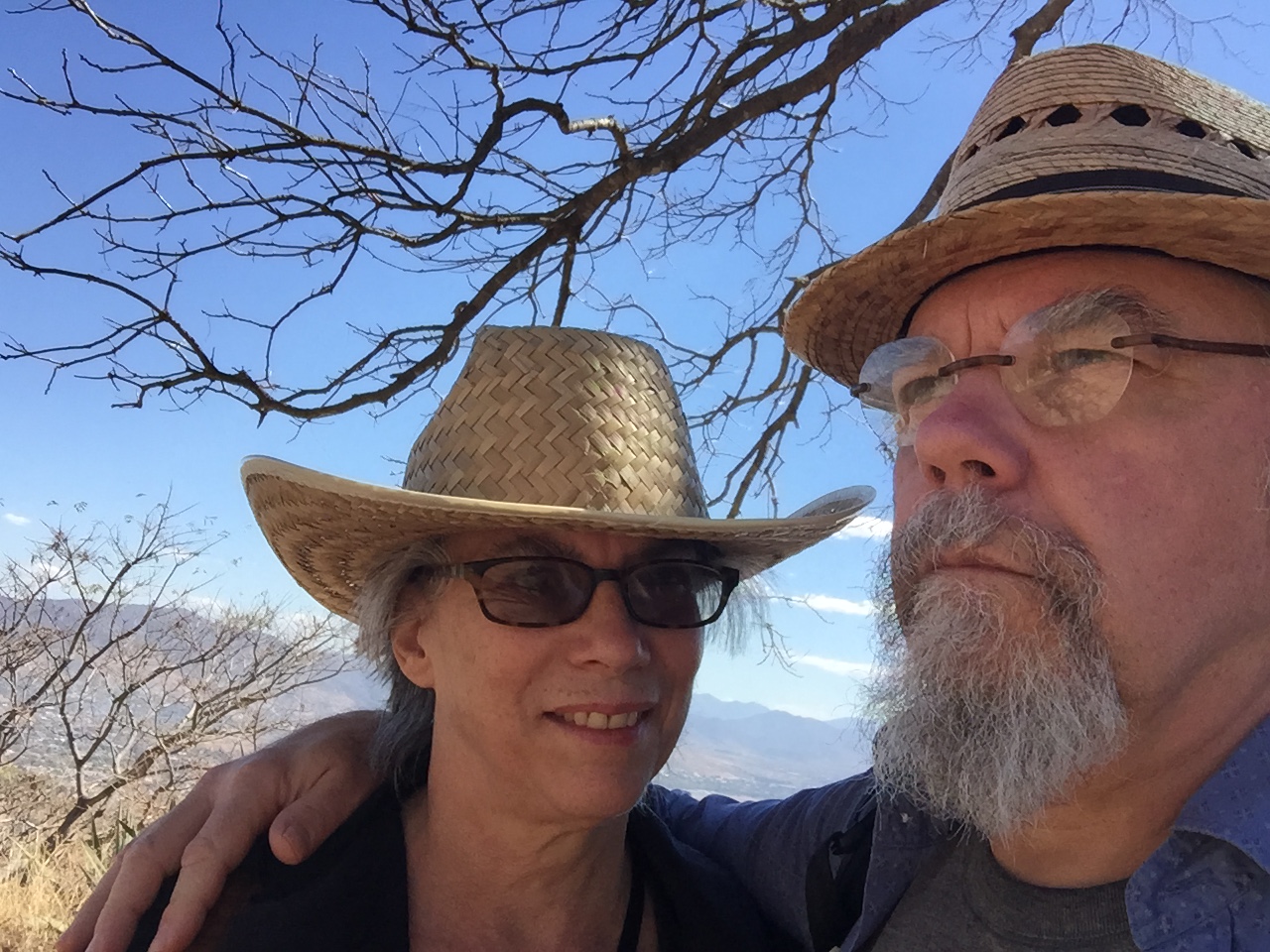
Steve Clay is an old friend, who has been involved with poetry, art and publishing for about the last forty years or so. Steve is the publisher of Granary Books, through which he has done some extraordinary work with an incredible range of poets, artists and crafts people. He has been the instigator of literally hundreds of important standout works of art.
He calls himself an editor, curator, and archivist specializing in the American art and literature of the 1960s,’70s, and ’80s. Steve is also the author, with Rodney Phillips, of A Secret Location on the Lower East Side: Adventures in Writing 1960-1980 (1998) and editor, with Jerome Rothenberg, of A Book of the Book: Some Works & Projections about the Book & Writing. He lives in New York City.
But this outline of his work barely scratches the surface of Steve’s work. In our conversation, I tried to give him the opportunity to talk broadly about the scope of his creative work. He is truly an exemplar of the powerful nexus of writing, editing, and publishing, the “making public” work so critical to art and those who make and experience it. His work is a gift I urge you to spend some time to discover and explore on your own.
A good start is to visit the Granary Books website. Then go to the absolutely essential From a Secret Location: Poetry, Little Mags, Small Presses, and transient documents from the mimeo era and beyond.
There is another useful interview with Steve conducted by the brilliant poet Bill Corbett for the Paris Review here.
When Columbia University, which purchased the Granary Books archive, opened their first exhibit from the Granary archives in 2015, Mark Dimunation, chief of the Rare Book and Special Collections Division of the Library of Congress said about Steve: “Beginning in 1985 he has concocted a mix of poets, artists, printers and craftspeople whose work defines an era and fundamentally shapes our understanding of the artists’ book.”
Enjoy!


Podcast: Play in new window | Download
David Wilk interviews Infinite Ideas publisher Richard Burton
July 5, 2017 by David
Filed under Ebooks and Digital Publishing, Publishing History, PublishingTalks, The Future
 Publishing Talks began as a series of conversations with industry professionals about the future of publishing, books, and culture. As we continue to experience disruption and change in all media businesses, I’ve been talking with some of the people involved in our industry about how the book business might evolve as our culture is continues to be affected by technology and macro-economic factors.
Over the years I’ve expanded this series to include conversations that go beyond the future of books and publishing. I’ve talked with editors, publishers, booksellers and others who have been innovators and leaders in independent publishing, and will continue to explore the ebb and flow of writing, books, and publishing in all sorts of forms and formats, as change continues to be the one constant we can count on.
I continue to be interested in the ways that publishers might reinvent themselves in order to be able to succeed in a challenging sales and marketing environment. Most publishers acknowledge that the business model that worked for so many years, which relied on bookstores and other retailers to stock a wide range of books, simply does not work now that we are in the age of Amazon.
In fact, there are distinct, though perhaps short term, advantages to a consolidated market – lower cost of sales, better inventory management, and lower returns rates, principally. But having ceded direct knowledge of actual customers to intermediaries, foregoing the meaning of their brands for consumers, and working diligently to protect existing pricing models, all pose difficulties to the future business proposition for commercial publishers.
Some publishers have decided to change their models to address these concerns. One who has found a way to adapt to a changing book selling environment is Infinite Ideas, an innovative publisher based in Oxford, UK. Founded and operated by Richard Burton to publish business content, Infinite Ideas has literally reinvented itself over the past few years, and now focuses on books about wine and spirits, with a digital printing underpinning, and a strong direct to consumer and special markets focus.
Publishers and publishing observers will find my conversation with Richard to be of interest, and the thinking that led to this model may demonstrate some valuable lessons for anyone connected to books and publishing today.
Aside from having had success in publishing over an interesting and varied career, Richard has a background in literature. He holds a PhD on the early poetry of W.B. Yeats, and recently authored a significant biography of the important Northumbrian poet, Basil Bunting, A Strong Song Tows Us, which was published by Infinite Ideas in the UK and by Prospecta Press in the US.

Podcast: Play in new window | Download
David Wilk interviews Hungry Minds Bookstore Founder David Unowsky
May 31, 2017 by David
Filed under Publishing History, PublishingTalks
 Publishing Talks began as a series of conversations with book industry professionals about the future of publishing, books, and culture. As we continue to experience disruption and change in all media businesses, I’ve been talking with some of the people involved in our industry about how the book business might evolve as our culture is continues to be affected by technology and macro-economic factors.
I’ve now expanded this series to include conversations that go beyond the future of books and publishing. I’ve talked with editors, publishers, booksellers and others who have been innovators and leaders in independent publishing, and will continue to explore the ebb and flow of writing, books, and publishing in all sorts of forms and formats, as change continues to be the one constant we can count on.
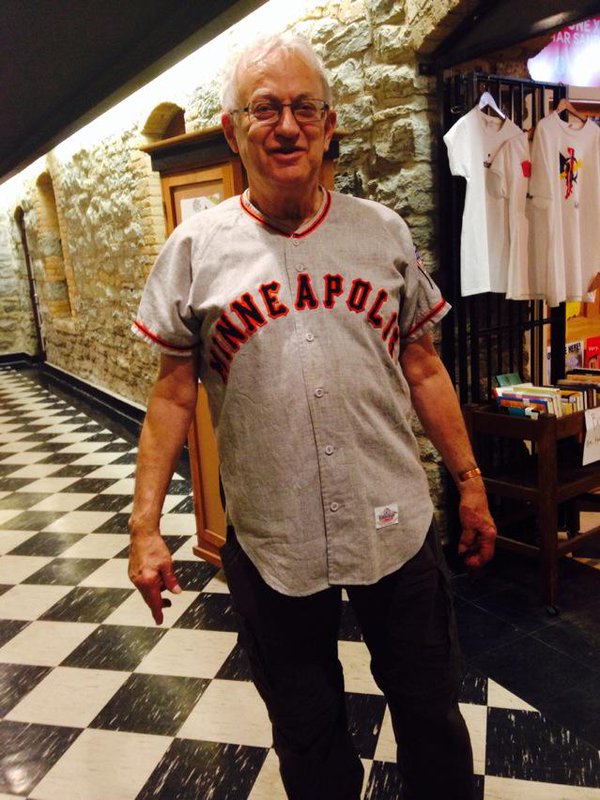
For the past several years, I’ve been talking to editors and publishers of independent presses about their work, including a number of important literary publishers. In this conversation, I am speaking with an old friend and colleague, David Unowsky, founder of the outstanding St. Paul bookstore, the Hungry Mind, which evolved into many other book related ventures, including a literary review and a successful independent press.
The store eventually sold its name to help stay in business in the face of ever increasing financial pressures, and ultimately, under its new name, Ruminator Books, closed in 2004. Which means it was in business for over 30 years, and was for most of that time an incredibly important place, not only to Twin Cities residents, but for the many writers and publishers whose work the store supported, and importantly provided an entry point into the book business for many individuals who have gone on to a wide variety of positions in the book industry.
The Hungry Mind was and remains for many, a special place, and David Unowsky was its beating heart and soul. I’m really pleased to have the chance here for David to talk about his work as a bookseller, communitarian, publisher and entrepreneur. David and “the Mind” – and all the wonderful people and books that passed through its doors – are central to our understanding of what might eventually be considered a “golden age” of books in our country.
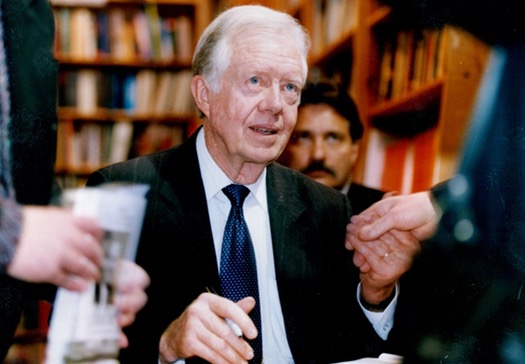
Jan. 12, 1994: Former President Jimmy Carter made an appearance at the Hungry Mind Bookstore in St. Paul to sign his latest book,”Turning Point: A Candidate, a State and a Nation Come of Age.” In the book, Carter describes how his first race in the pre-civil-rights South almost was taken away by a political boss.
Photo: Minneapolis Star Tribune.
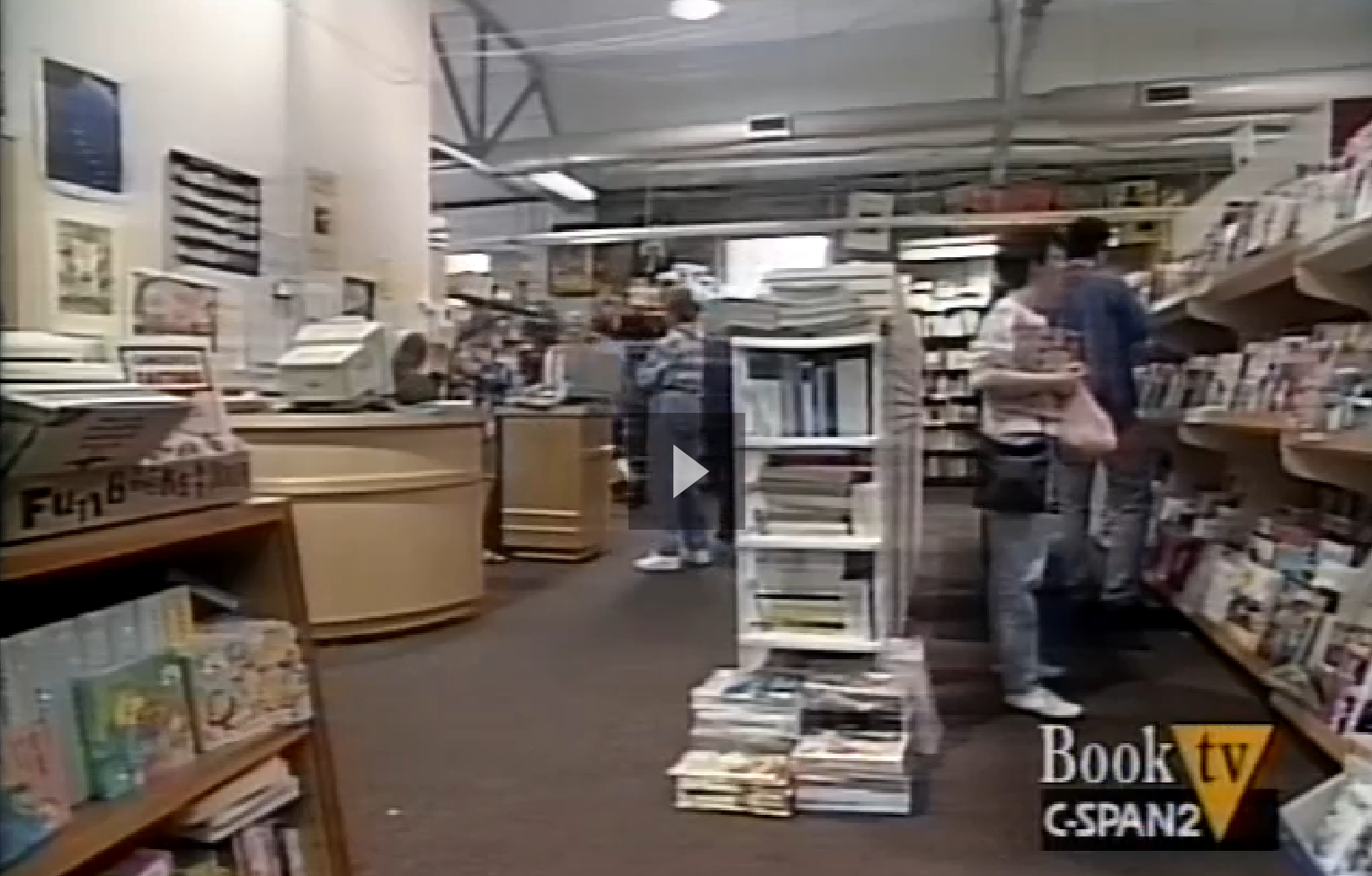
Screen shot from a 1998 C-Span program about Hungry Mind
Podcast: Play in new window | Download