
Arthur Phillips: The King at the Edge of the World
April 21, 2020 by David
Filed under Fiction, WritersCast
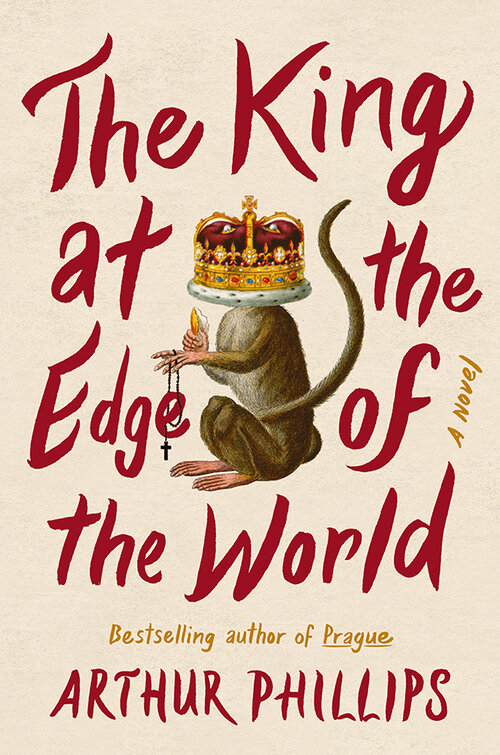 The King at the Edge of the World – Arthur Phillips – 9780812995480 – Random House – Hardcover- 288 pages – $27.00 – February 11, 2020. Ebooks available at lower prices.
At Writerscast, there is a strict rule that I only talk to authors whose books I like. So every book that appears here is one that I truly enjoyed reading. Given that fact, it is important to note that Arthur Phillips’ novel, The King at the Edge of the World, is a book I loved reading. It is a great story by a writer in full command of his craft.
I hate giving away plot so I won’t even come close to doing that. Suffice to say, this book takes place at the end of the Elizabethan era (the first Elizabeth, that is). It involves a series of events that lead inexorably to a glorious and satisfying conclusion, beginning with the arrival of a Turkish doctor to England as part of a diplomatic mission and going through a series of sometimes unfortunate and even tragic events. What develops from this quiet beginning is what makes this book so pleasurable to read. And it is full of ideas, ruminations, wonderful characters, all woven together to create a fabric that wraps around you like an old and very comfortable shawl.
“The book is a delightfully rich fruitcake and an old-fashioned pleasure to read; its plot is an intricate set of intersecting mechanisms and locks and keys, which, when they finally all fall into place, provide the reader with the gawping satisfaction of having been well and truly fooled,” Dominic Dromgoole writes in his review. “Simply writing for the reader’s pleasure seems to be increasingly rare these days, and to pick up a book like The King at the Edge of the World, which contains teasing philosophical and theological ideas within an unapologetic entertainment, is a small mercy for which much gratitude is due.”
A New York Times Editor’s Choice selection
I’ve spoken to Arthur before. In 2009 – so long ago, it seems – we talked about an earlier novel of his, The Song is You, another wonderful book. Arthur is a distant relative of mine and it is a wonderful thing to have such a terrific writer in the family.
Arthur Phillips was born in Minneapolis and educated at Harvard. He has been a child actor, a jazz musician, a speechwriter, a failed entrepreneur, and strikingly, he as been a five-time Jeopardy! champion.
His first novel, Prague, was a New York Times Notable Book, and received the Los Angeles Times/Art Seidenbaum Award for best first novel. His second novel, The Egyptologist, was an international bestseller in 2004. His third novel, Angelica, made The Washington Post list of best fiction of 2007 and that paper called him “One of the best writers in America.” The Song Is You was a New York Times Notable Book, and Kirkus wrote, “Phillips still looks like the best American novelist to have emerged in the present decade.” His fifth book, The Tragedy of Arthur, was published in 2011 to critical acclaim, and like its predecessors, and was named a New York Times Notable Book.
The play taken from that book received its world premiere reading at New York’s Public Theater in 2011 and became a full stage production in 2013, under the auspices of the Guerrilla Shakespeare Project. His short story, Companionship, was adapted into an opera by Rachel Peters and debuted at the Fort Worth Opera in 2019.
The film version of Angelica was released in 2015, and other films based on his work are currently in development. His work has been published in twenty-seven languages.
He has written for television, including Damages (FX/DirecTV), Bloodline (Netflix), Tokyo Vice (HBOMax) and he has further television pilots in development.
Arthur lives in New York City with his two sons.
Reading Arthur Phillips novels is always a deep pleasure for me. Talking to Arthur Phillips about his writing is similarly always a pleasure.
Learn more about Arthur Phillips at his website.
The wonderful bookstore, RJ Julia, in Madison, Connecticut, carries all the books we talk about here. You can purchase a copy of The King at the Edge of the World from them right here.

Podcast: Play in new window | Download
Writer and editor Richard Marek has died.
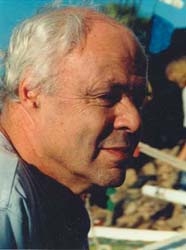 Dick Marek was a legendary book editor and later an extremely successful writer and ghost writer. He lived in Westport, Connecticut with his second wife, the writer and therapist, Dalma Heyn.
I had the honor to interview Dick for Writerscast in 2015, in which he talked at length about what many consider to be the golden age of American trade book publishing, of which he was an integral part. And I had the great pleasure to have worked with Dick and Dalma on one of their jointly written novels, A Godsend some years ago. He was a wonderful person and a uniquely talented literary being.
Dan Woog wrote a lovely piece remembering Dick for his great Westport centric blog 06880 (the quote by Dick below comes from Dan’s piece.)
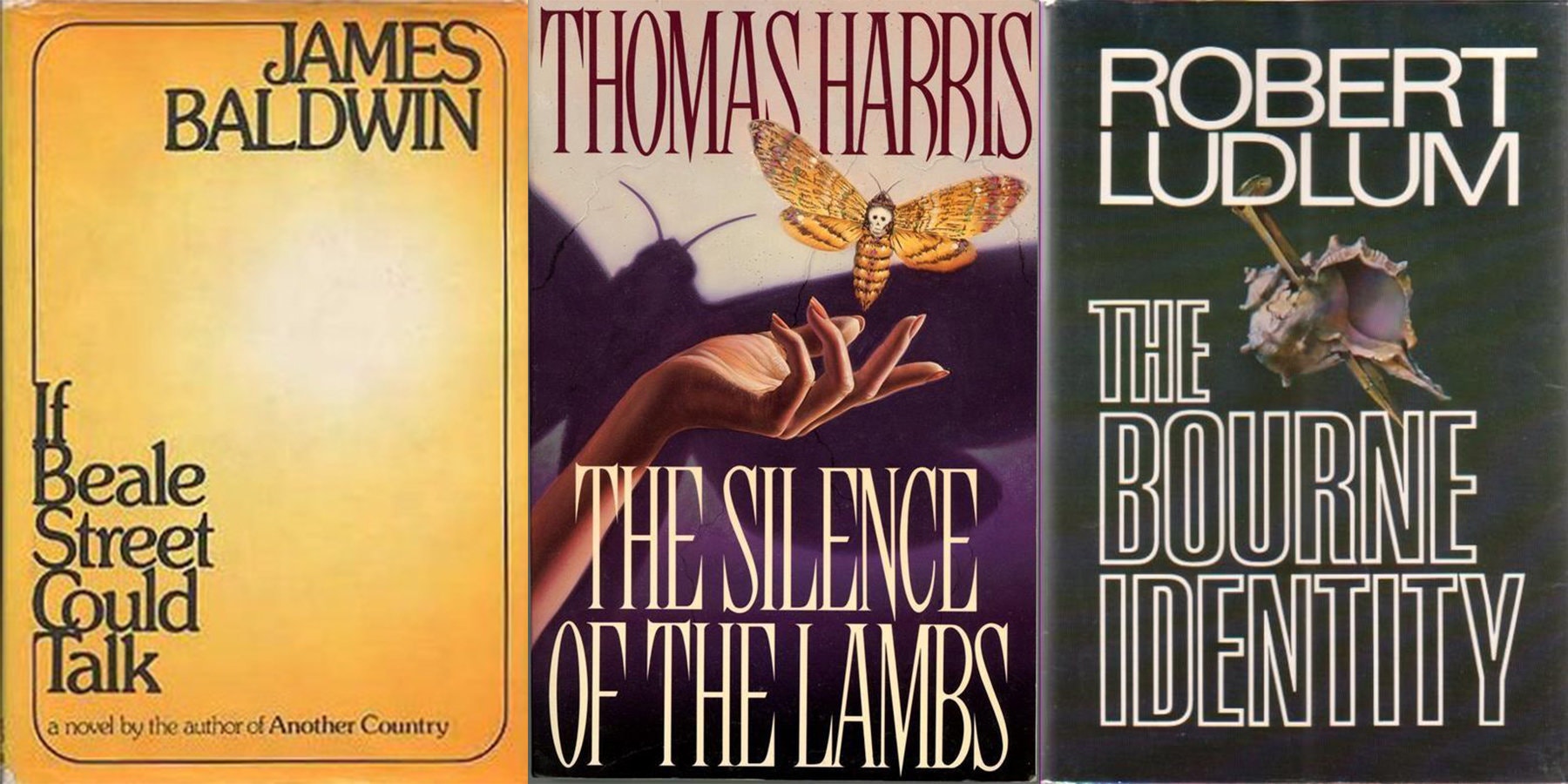
Richard started as a junior acquisitions editor at Macmillan and worked my way up to becoming President and Publisher of E.P. Dutton. He edited James Baldwin’s last five books, Robert Ludlum’s first nine books and novels by Peter Straub, Thomas Harris, including The Silence of the Lambs, and also Ben Stein, and David Morrell. Marek was a novelist himself. His 1987 Works of Genius concerns the psychological takeover of his literary agent by a great (and narcissistic) modern writer.
Richard and Dalma were fixtures in the Westport literary community. Together they wrote How to Fall in Love: A Novel, which was published last year.
“Love is more important than anything else in this world,” Marek said shortly before he died. “If you’re lucky enough to have it — and write about it — you will have a happy life.”
We will miss you, Richard.
New York Times obituary here.
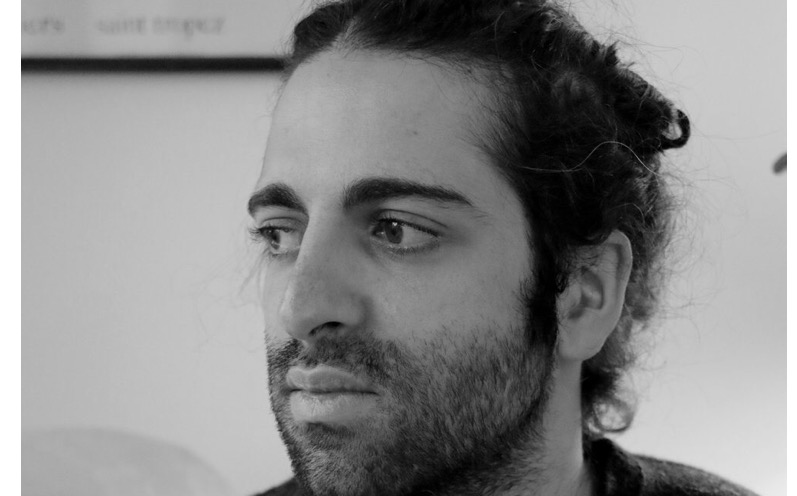
Publishing Talks: David Wilk interviews Brian Birnbaum of Dead Rabbits
December 31, 2019 by David
Filed under PublishingTalks, The Future
 Publishing Talks began as a series of conversations with book industry professionals and others involved in media and technology, mostly talking about the future of publishing, books, and culture. As every media business continues to experience disruption and change, I’ve spent time talking with some of the people involved in our industry about how publishing might evolve as it is affected by technology and the larger context of culture and economics.
Some time back, this interview series broadened to include conversations that go beyond the future of publishing. In an effort to document the literary world, I’ve talked with a variety of editors and publishers who have been innovators and leaders in independent publishing in the past and the present, and continue to explore the ebb and flow of writing, books, and publishing in all sorts of forms and formats, as change continues to be the one constant we can count on.
There are many reasons to establish an independent literary venture, but usually the urge is based in the most basic impulse to publish, i.e. make public, work that matters, either to an individual, or a group of writers clustered around a particular geography or literary pursuit. Dead Rabbits is one such new venture. Its founders began by creating a poetry reading in a place that was underserved. The Dead Rabbits Reading Series was founded in 2014 by Devin Kelly (Sarah Lawrence MFA ’15), Katie Longofono (Sarah Lawrence MFA ’14), and Katie Rainey (Sarah Lawrence MFA ’14) as a way of providing a place for an emerging young New York City literary scene to exist and thrive in Upper Manhattan.
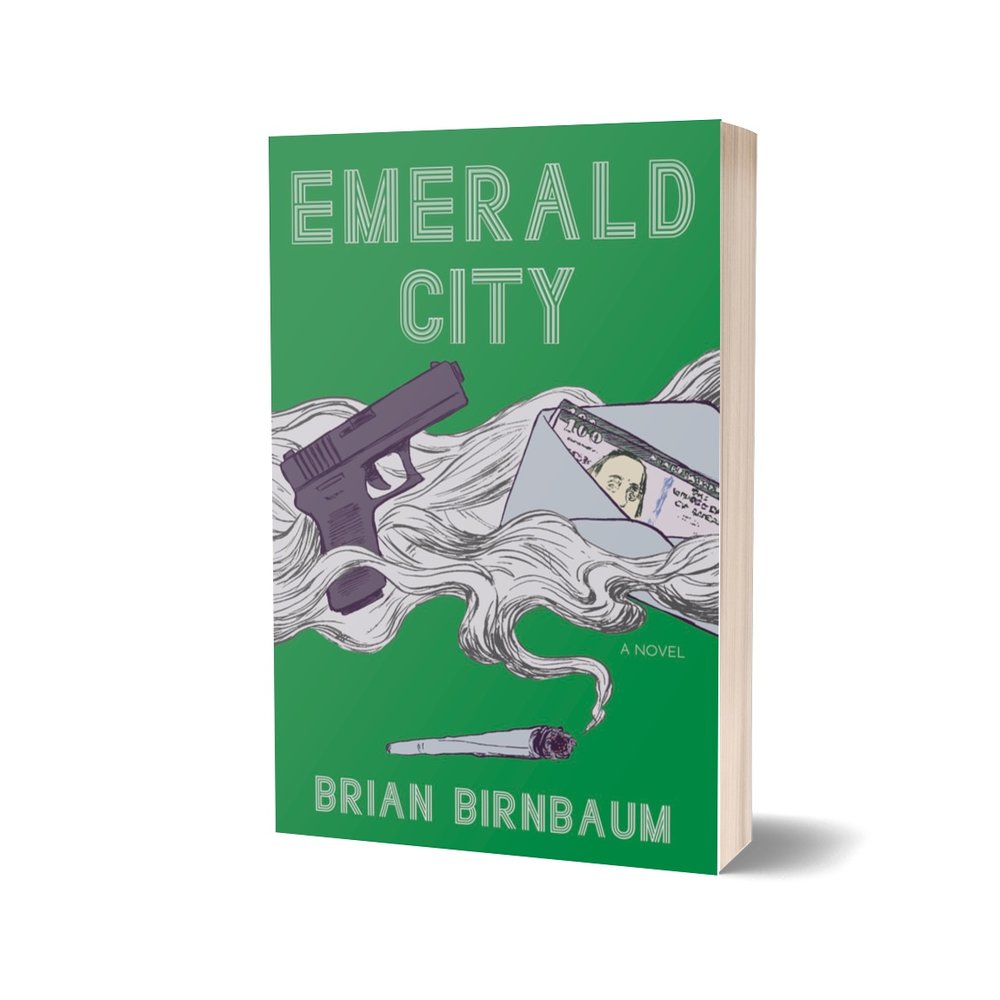
Out of that extremely successful undertaking – with a long list of readers with whom I confess I was not familiar – Katie Rainey, Jonathan Lee Kay and Brian Birnbaum subsequently founded Dead Rabbits Books (“Books that Matter”). Their first publication is Brian Birnbaum’s novel, Emerald City, with several more books planned and ambitions to establish a long term self sustaining publishing venture.
I’ve talked to many folks in publishing who have spent years at their work and thought it would be a useful counterpoint to talk to someone new, on the other end of the spectrum, is just beginning the struggle to publish and reach readers in new ways that have continued to emerge over the past few years.
Dead Rabbits is emblematic of a new generation of writers and editors that is in many ways wrestling with the same challenges that have faced every generation before them, but the current environment is also very different than it has been at any time in the past. Social media creates unmatched opportunities for communication and at the same time a vast array of issues for any new enterprise trying to be discovered. It seems there are more poets and independent presses than ever, all competing for an audience of readers for whom poetry is yet another option for consumption alongside every other media form. Which makes this a very interesting time indeed. Good luck to Dead Rabbits, (in all their various literary ventures) – this is a group of young literary adventurers who seem to have some very good ideas as well as access to some very good writing. Anyone interested in the current literary scene should listen to this podcast.

Podcast: Play in new window | Download
Karl Marlantes: Deep River, a Novel
November 19, 2019 by David
Filed under Fiction, WritersCast
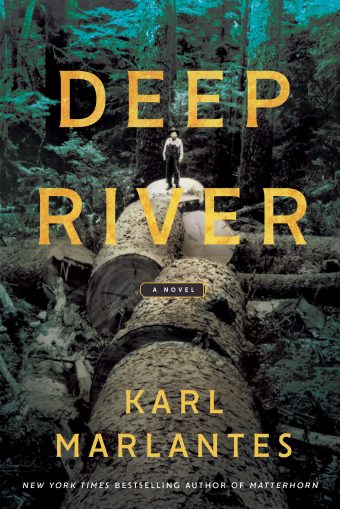 Deep River – Karl Marlantes – 978-0-8021-2538-5 – Atlantic Monthly Press – Hardcover – 736 pages – $30 – July 2, 2019 – ebook version widely available at lower prices.
“Deep River seems a work born from Willa Cather by way of Upton Sinclair. But this new book is its own animal, and it’s something of a masterpiece… In Deep River, [Aino] takes her place beside Antonia Shimerda as one of the great heroines of literature.”—BookPage (starred review)
Several years ago I discovered Karl Marlantes’ first novel, Matterhorn, which is a loosely autobiographical novel about the Vietnam War, in which Karl served as a Marine lieutenant. I think that is one of the best war novels I have ever read and was pleased to interview Karl about that book.
That book was followed by a nonfiction book called What it is Like to Go to War, which I also read and was affected by. What I said in 2011 still holds true: this book is a deeply thoughtful and moving work of nonfiction about the nature and meaning of war, and what it means to the individual warriors who participate who fight, as well as to the society that gives them that responsibility.
It took Marlantes almost thirty years to write and rewrite Matterhorn. Almost ten years after he completed that book, he has now turned in a completely different book, an historical novel set in the early 1900s, starting in Russian occupied Finland and moving to the Pacific Northwest. The three Koski siblings, Ilmari, Matti, and the politically radical young Aino, flee Russian oppression and come to the United States.
They join a community of other Finns in the logging area in southern Washington, during a time when massive trees of the old growth forest are being harvested by hard working men and dangerous technology. It is fertile ground for the establishment of radical labor movements like the IWW (Industrial Workers of the World, also known as the Wobblies). The two Koski brothers build their lives in this environment amid danger and many challenges, while Aino, just one of the book’s many also hard working independent women, works to build a union in an environment where organized labor is not welcomed by the logging industry or the power structures of the day.
Karl has built this novel following the structure and characters of the great stories of the Finnish oral tradition, written down in the nineteenth century as the Kalevala. It is a truly magisterial novel that weaves together so many strands of American and immigrant cultures, documents the struggles of the early twentieth century in the great forests of the Pacific Northwest, and shows us how human beings find a way to make meaningful lives despite the harshest challenges. Nothing comes easy for the Koskis their friends and families, but everything about them is redemptive and strong. It’s impossible to read this book and not be moved.
Reading Deep River is a commitment – it’s a long book – and there are inevitably times when it becomes difficult to keep track of the whole story and the many compelling characters in the book. That is not a criticism. The book is gripping, and well worth the time and attention of the reader. And it is impossible not to read it in the context of our current political circumstance. Reading about the sacrifices made by workers in the early twentieth century, to make advances for labor that are now taken for granted, and imagining their struggles as evidenced by the characters in this book, who are so thoroughly human in their differences and outlooks, personalities and beliefs, brings forth a range of thoughts about what has become of America today. We live in a world that others made great sacrifices for, and have somehow managed to avoid making sacrifices of our own. The people of Deep River as imagined by Karl Marlantes, deserve better from us.
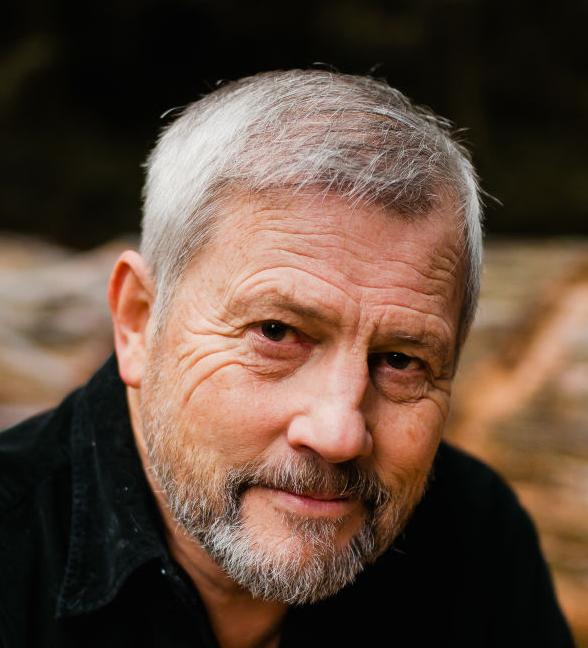
I had the great pleasure to interview Karl in New Haven in a building on the Yale campus, where he was visiting during his book tour.
Karl Marlantes graduated from Yale University and was a Rhodes Scholar at Oxford University, before serving as a Marine in Vietnam, where he was awarded the Navy Cross, the Bronze Star, two Navy Commendation Medals for valor, two Purple Hearts, and ten air medals. He is the author of the novel, Matterhorn and a work of nonfiction, What It Is Like to Go to War. He lives now in Washington State.
Buy Deep River from RJ Julia here.
Podcast: Play in new window | Download
Fred Waitzkin: Deep Water Blues, a Novel
August 18, 2019 by David
Filed under Fiction, WritersCast
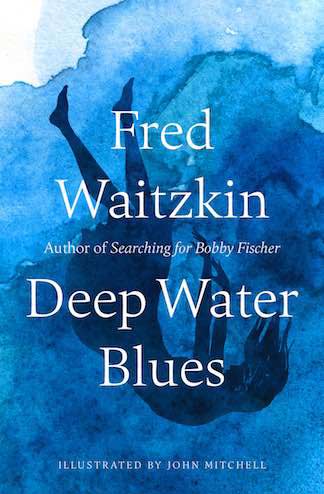 Deep Water Blues: A Novel – Fred Waitzkin – 9781504057745 – 160 pages – Open Road Media – paperback – May 28, 2019 – $17.00 – ebook versions available at lower prices.
Fred Waitzkin’s Deep Water Blues is a surprisingly affecting short novel based to a great extent on his personal experiences in a small boat on the open water and islands of the Caribbean. Because it is based in so much lived experience, it has an authenticity that shines through in every page. In Deep Water Blues three older men (including the boat’s owner) and one younger man, a painter who has never been to sea, leave Ft. Lauderdale on an old boat heading for a Bahamian island that has an almost mythical story and appeal. Each is there for a different reason and each will gain something different from their adventure. But the story is really about the island and the mysteries of what happened there.
When I first started reading this book, I did not expect to find it as compelling as I did in the end. There’s alot more here than initially meets the eye, and this is a book I can recommend to readers.
Waitzkin calls his book a “curated blend of real-life experience and fiction.” Deep Water Blues tells a compelling story about an unusual man in an exotic place, an almost mythical story whose hero suffers a classic fate and redemption in a mysterious and beautiful location, bringing to mind Shakespearean and Biblical storytelling. Waitzkin writes in spare prose that carries his story through to its exciting end, and makes a short book impactful beyond its length.
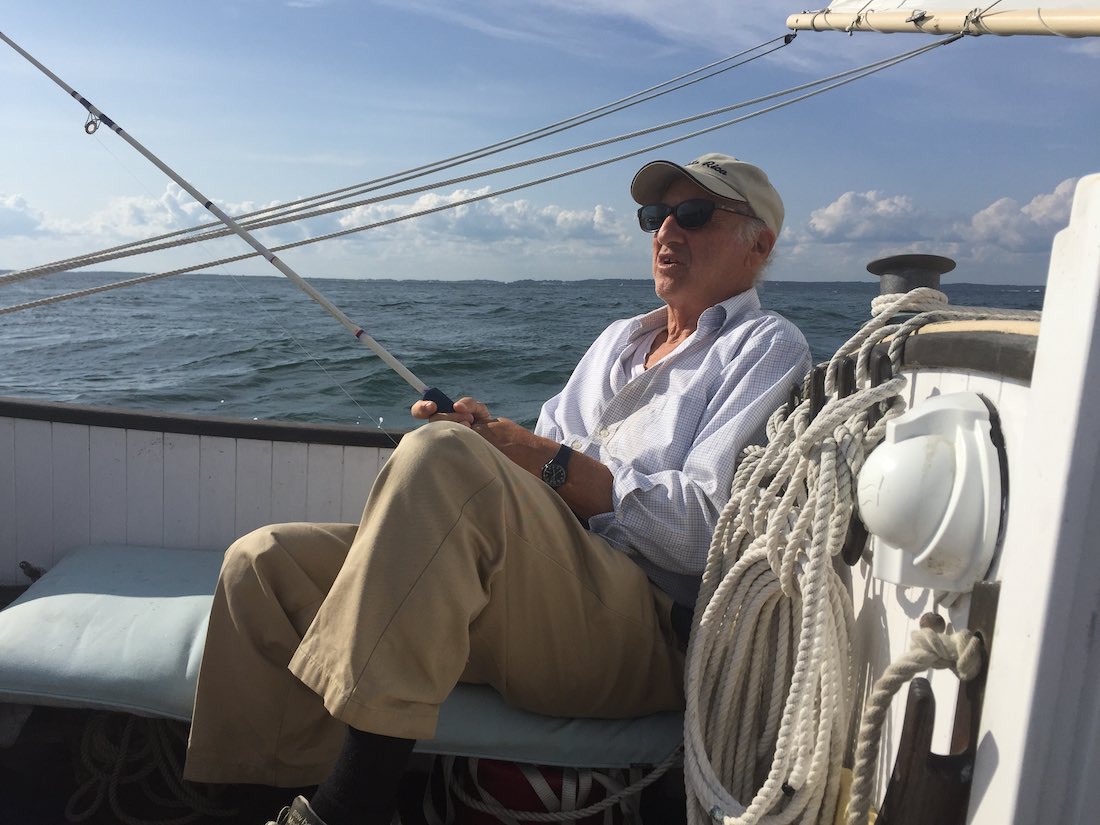
Fred Waitzkin was born in Cambridge Massachusetts. He was an English major at Kenyon College in Ohio, then taught English at The College of the Virgin Islands, where he also got to pursue his love of fishing for big game fish. Fred and his wife moved to New York City, where Waitzkin wrote feature journalism, personal essays and reviews for numerous magazines including Esquire, Forbes, the New York Times Sunday Magazine, the New York Times Book Review, New York Magazine, Outside Magazine, and Sports Illustrated.
Waitzkin’s first book was Searching for Bobby Fischer. Published in 1984, it’s the story of three years in the lives of Fred and his chess prodigy son, Josh Waitzkin. The book became an internationally acclaimed best seller, and the film based on it was nominated for an academy award.
Mortal Games, his biography of world chess champion, Garry Kasparov was published in 1993, and was followed in 2000 by The Last Marlin, a memoir. The Dream Merchant, Waitzkin’s first novel, was published in 2013 – Deep Water Blues is his second published work of fiction. Fred still lives in Manhattan with his wife Bonnie, and still spends as much time as possible on his old boat, Ebb Tide.
It was my pleasure to speak with Fred, and while we talked about the book at hand, our conversation went into a variety of related coves and channels.
Visit Fred Waitzkin’s website to learn more about him and his writing.
“Deep Water Blues does what all fine literature aspires for – it transports readers to another time and place, in this case, to a sleepy, lush island deep in the Bahamas. Fred Waitzkin writes about life, sex and violence with aplomb, and Bobby Little is a tragic hero fit for the Greek myths. Hope to see everyone on Rum Cay soon.” – Matt Gallagher, author of Youngblood
“Fred Waitzkin effortlessly recreates a singular world with uncanny insight and humor. His language is remarkable for its clarity and simplicity. Yet his themes are profound. This is like sitting by a fire with a master storyteller whose true power is in the realm of imagination and magic.” – Gabriel Byrne, actor and director
Podcast: Play in new window | Download
Adina Hoffman: Ben Hecht: Fighting Words, Moving Pictures
June 30, 2019 by David
Filed under Non-Fiction, WritersCast
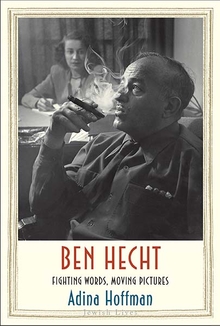 Ben Hecht: Fighting Words, Moving Pictures – Adina Hoffman – 9780300180428 – Yale University Press – Hardcover – 264 pages – $26 – February 12, 2019 – ebook versions available at lower prices
I grew up in a family where the movie business was in our blood, and part of the conversations of everyday life, so I have long known about – and appreciated – the amazing screen writing of Ben Hecht. Hecht’s many screenplays in many ways established and defined what is now standard movie practice. He wrote some of the greatest and most watched films in history, and made a well paid career out of “doctoring” other writers’ scripts. Hollywood was his reluctant artistic base for many years, though he would never be completely comfortable there.
Reading this very comprehensive, but highly readable biography by Adina Hoffman, brought Hecht’s life and work into focus for me for the first time. Hecht’s story was that of a classic 20th century second generation Jewish immigrant. He was raised in Wisconsin, made his way to Chicago, became a newspaper writer and then a novelist in the glory years after World War I, where he helped create and define the literary scene in that great city, before moving to New York, where he truly established himself as literary star.
Hecht and Charles MacArthur together wrote the now-classic play, The Front Page, becoming writing partners and pals for many years thereafter. Some of Hecht’s most famous screenplays include Scarface, Gone with the Wind, Stagecoach, Notorious and His Girl Friday. Hecht worked on literally hundreds of films, was a powerful enough writer to be able to be given the opportunity to produce four films with MacArthur (a mis-adventure described wonderfully by Hoffman). Hecht worked with some of the greatest directors, producers and actors in 20th century film. His work literally defined what a Hollywood movie could be, and much of what we think about 20th century American culture is derived from his cynical, yet optimistic worldview.
Hecht’s many novels and nonfiction books are not widely read or known today, and according to Hoffman, who has read them all, some are lost to literary history for good reason. Still, it is quite possible that this fully formed biography with its clear eyed evaluation of Hecht as passionate human, brilliant intellect and outstanding writer, will help their cause. For myself, I have made a commitment to read at least one or two of the books that Hoffman tells us are important enough to seek out, including at least one novel. I have thought about reading Hecht’s very early novel Fantazius Mallare: A Mysterious Oath, even though Hoffman pretty much dismisses it, except for one great sentence that is said to have inspired Ginsberg’s Howl. But it is his autobiography, A Child of the Century that calls out to me the most, and that I will be reading soon.
Though he was decidedly a non-secular Jew during World War II, Hecht rediscovered his Jewish identity and became a powerful public voice pressuring American politicians to save the Jews of Europe. After the war, Hecht’s Zionism led him to support the nascent Jewish state of Israel with the burning fervor of a convert, his trademark enthusiasm focused on building a safe haven for Jews, which ironically, he never visited. Hecht, as Hoffman shows us, was a complicated human being – and frequently an unforgivable one as well.
Ben Hecht was emblematic as the “child of the [20th] century” who helped to define modern Jewish America and modern popular culture. Adina Hoffman is a terrific writer and a gifted storyteller, perfectly suited to tell this story. Thanks to Yale University Press for creating an absolutely beautiful book, one that serves her writing well, and makes reading it a better experience.
Adina Hoffman is an essayist and biographer who splits her time between New Haven and Jerusalem. Fortunately, she was in New Haven when I wanted to talk to her about this book and the work that went into it. Hoffman is the author of four books, including Till We Have Built Jerusalem: Architects of a New City and My Happiness Bears No Relation to Happiness: A Poet’s Life in the Palestinian Century. She was a film critic for the American Prospect and the Jerusalem Post, and was a founder and editor of Ibis Editions, a small press devoted to the publication of the literature of the Levant. She has been a visiting professor at Wesleyan University, Middlebury College, and NYU, and was notably one of the inaugural (2013) winners of the Windham Campbell prize. Read more about Adina and Ibis Editions here.
And you can find a good bibliographical of Hecht’s work here.
Note to listeners, this interview was recording live in a room with a bit of echo, so apologies to all for the sound quality.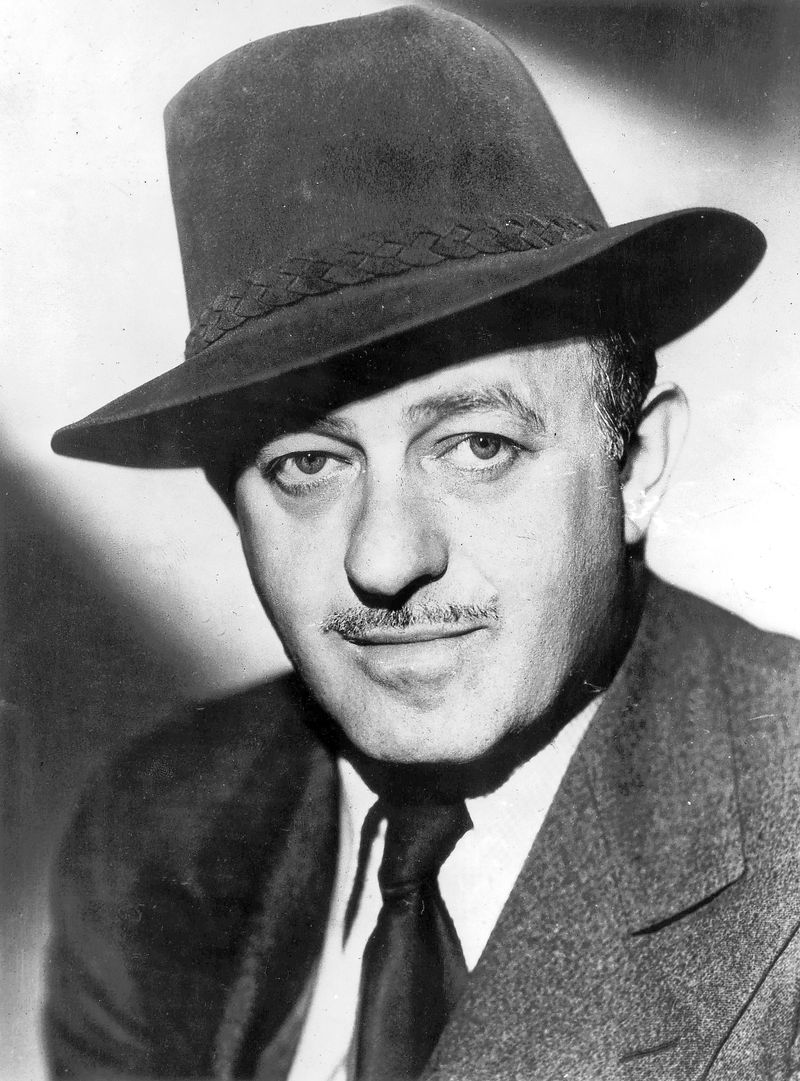
Podcast: Play in new window | Download
Peter Rock: The Night Swimmers (A Novel)
April 7, 2019 by David
Filed under Fiction, WritersCast
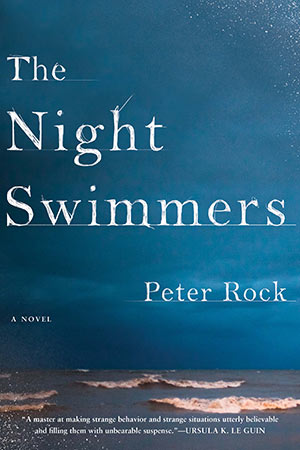 The Night Swimmers – A Novel – Peter Rock – ISBN 9781641290005 – Soho Press – Hardcover – 272 pages – $25.00 – March 12, 2019 – ebook versions available at lower prices.
As I have said here before, one of the things I like best about doing the Writerscast interviews is that it’s introduced me to the work of many writers I would not have discovered on my own. The Night Swimmers is a perfect example. Peter Rock has been writing extremely fine fiction for many years, and yet I had never run across his work before, which still seems quite surprising to me, given the nature of his work.
Peter’s autobiographical novel captured my imagination from the outset. The writing is luminous and personal, dreamy, yet descriptive. His narrator is a young aspiring writer living temporarily in beautiful Door County in the northern reaches of Wisconsin’s Lake Michigan coastline. He’s bit lost, maybe stuck in his inability to see himself as an adult. He meets a young widow, Mrs. Abel, who is, like him, not exactly clear about herself and who she wants to be. She is older, attractive, smart and mysterious. The narrator finds himself swimming with Mrs. Abel at night without really knowing why, although there is a strong undercurrent of attraction between them, a tension that defines the essential mystery of their relationship, and the way they swim in the depths of the lake across large distances is similar to the ebb and flow of the narrator’s own life. And then Mrs. Abel disappears.
Some twenty years later, the narrator, who is now married, living in San Francisco and the father of two daughters, finds himself trying once again to understand what happened that summer, his psychic history rising to capture him like a deep lake current he used to swim in. He reads old letters and notebooks from the past, explores his relationship to a former lover, tries to understand through a sort of personal archeological expedition the world he once lived in and still cannot fully understand. Back in Door County once again, he tries to find out what happened to the elusive Mrs. Abel, and again he enters the deep lake waters to swim across the night.
Scattered throughout the book is the evidence of the narrator’s archeological exploration of his own history, pieces of paper, old emails, quotations from poets, and references to the extraordinary and strange psychic photographer Ted Serios. This book is a sort of literary pastiche that really could exist in multiple forms and formats, reflecting the author’s psychic imagination crossing over time and space through the medium of memory.
The Night Swimmers is a beautiful, complicated and challenging work of literary inspiration I found completely engaging. And it was a pleasure then, to have the opportunity to speak with Peter Rock about his fine novel.
“Peter Rock has written a weird and haunting story about a younger man and an older woman who like to swim in the dark. Happily The Night Swimmers is no male coming of age story. Instead their secret nightly practice in a dark and foreboding lake shimmers as a queer refusal for either of them to grow up right.”
—Eileen Myles, author of Afterglow
I recommend visiting Rock’s website, and follow the link to The Night Swimmers page, where there are some great visuals related to the book.
Peter Rock was born and raised in Salt Lake City. He is the author of several novels SPELLS, Klickitat, The Shelter Cycle, My Abandonment, The Bewildered, The Ambidextrist, Carnival Wolves and This Is the Place, as well as a story collection, The Unsettling. Rock attended Deep Springs College, received a BA in English from Yale University, and was a Wallace Stegner Fellow at Stanford University. He lives in Portland, Oregon, where he is a Professor in the English Department of Reed College. Leave No Trace, the film adaptation of My Abandonment, directed by Debra Granik, premiered at Sundance and Cannes and was released in 2018.
Podcast: Play in new window | Download
Maureen Owen and Barbara Henning reading in Tucson, Arizona
March 3, 2019 by David
Filed under AuthorsVoices
 What a great trip! Starting January 18, 2019, with a reading at McNally Jackson Bookstore in Brooklyn, New York, poets Maureen Owen and Barbara Henning, started a cross country journey together (you can view their trip itinerary here).
Appropriately, their story and journey began in Brooklyn, where Barbara lives, and this amazing cross-country jaunt ends in Denver two months later, where Maureen lives.
The two writers have been blogging about their adventure here – their writing is terrific and fun, it is always fresh and lively, truly poets’ reportage, and reading their travel log will make you feel like you are along for the ride with them. They are having alot of fun and meeting and talking with some wonderful people along the way. They are getting to see some beautiful parts of our country too. Their two months on the road will feature 16 public events, and innumerable anecdotes and stories. It’s really fun to follow along with them as they travel, and when they are done, this will make a really interesting book.
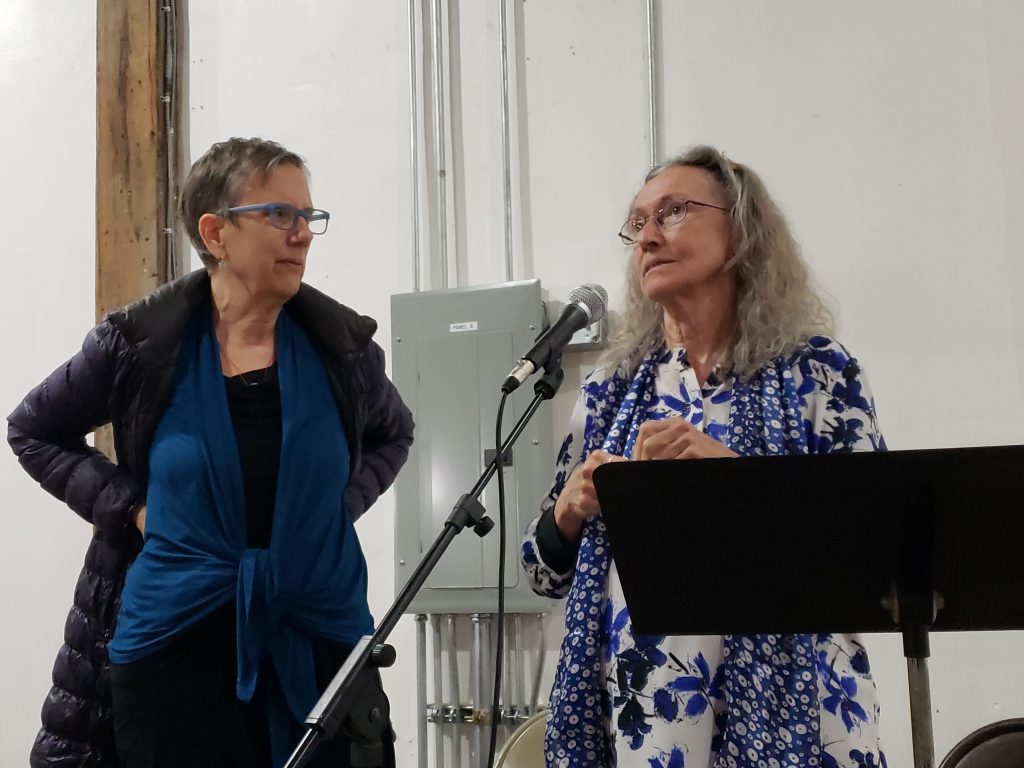
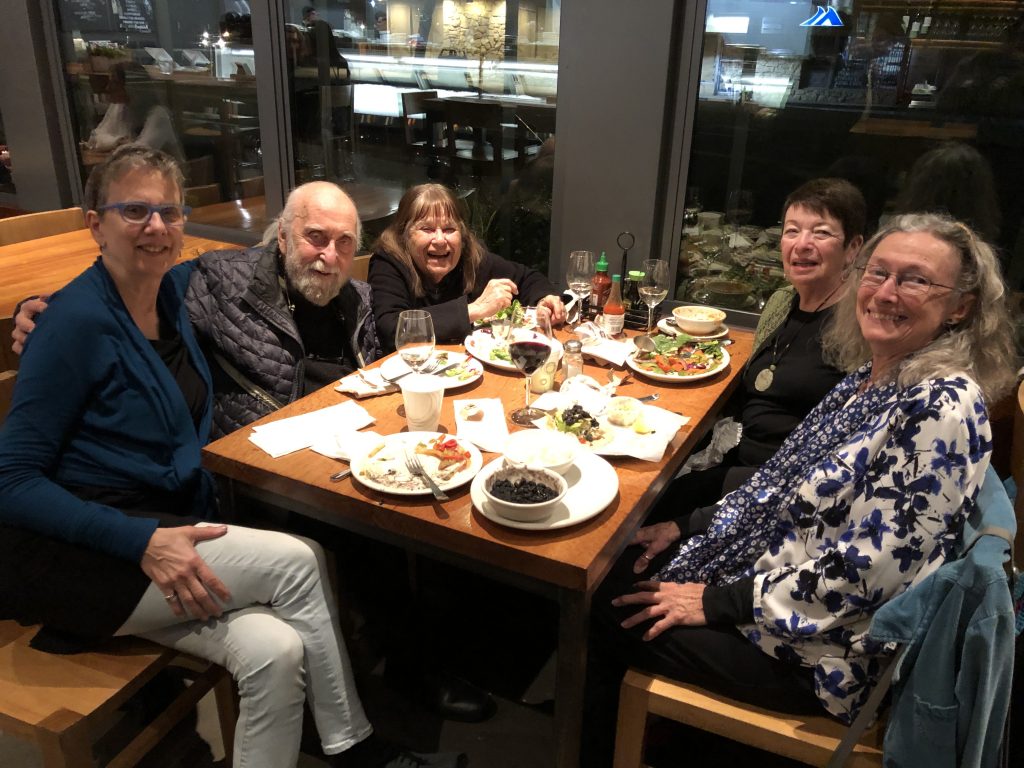
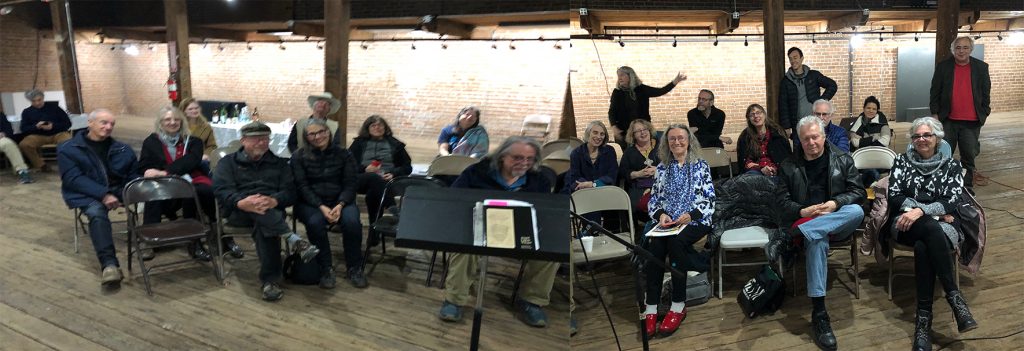
I had the good fortune to be in Tucson, Arizona, when the two writers arrived there on February 14. Maureen is an old friend and colleague, so it was wonderful to get together with her, and to meet Barbara for the first time. When I went to hear them read for the POG Poetry reading series at the Steinfeld Warehouse Community Art Center, 101 West 6th Tucson on Saturday, February 16, and I recorded the event for this Authors Voices series here on Writerscast.
Local writer Steve Salmoni introduced the event. Poet and publisher (Chax Press) Charles Alexander introduced Maureen, and artist Cynthia Miller introduced Barbara, who lived in Tucson for a few years and has many friends there still.
It was a great event, and a wonderful opportunity to hear two terrific writers, both of whom engage with their audience and their writing. I’ve known Maureen for a long time, and believe she is one of the best poets of our time. Getting to hear Barbara Henning was a treat for me, as she is also a terrific writer of both poetry and fiction. I’m very pleased to have the opportunity to present this reading here.
Poet Maureen Owen was born in Minnesota, lived and worked in New York City and Connecticut, and has been living in Denver for a number of years, where she has long taught at nearby Naropa University. She was the founder of Telephone magazine and Telephone Books, worked at the Poetry Project in NYC, and is the author of a number of wonderful collections of poems.
Barbara Henning is a poet and fiction writer, born in Detroit, who has lived mostly in New York and Tucson since the early eighties. Aside from being the author of a number of books of poetry and fiction, she was also the editor of a book of interviews, Looking Up Harryette Mullen, and The Selected Prose of Bobbie Louise Hawkins. She is professor emeritus at Long Island University, where she taught for many years.
Podcast: Play in new window | Download
Bram Presser: The Book of Dirt (a novel)
January 8, 2019 by David
Filed under Fiction, WritersCast
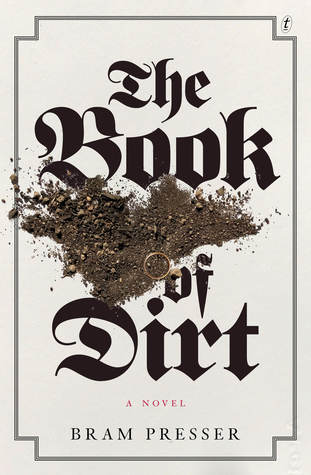 The Book of Dirt – Bram Presser – Text Publishing Company (Australia) – Paperback – 9781925240269 – 325 pages – $15.95 – September 11, 2018 – ebook versions available at lower prices
Personal and family history for most contemporary Jews is frequently fraught. Most of us have relatives who disappeared without a trace, except for scattered entries in German records of extermination. Some fewer of us have had living relatives whose lives were entwined with and defined by the Holocaust, almost always in horrific and devastating ways.
Bram Presser, an Australian punk rocker and practicing attorney who also happens to be a brilliant writer, spent eight years working on this novel, The Book of Dirt. It is a fabulous story that explores the real life story of Presser’s grandfather, Jakub Rand, from the 1920s onward through the Holocaust and beyond. Presser addresses history in all its complexity with the only tool that could possibly make sense of it – imagination.
Presser starts with family stories and personal legends, combined with archival research and interviews to create this novel. Of course it becomes partly fact, partly fiction. Some is memory and much is imagined.
The relatively large number of characters and the movement between places can be confusing for the reader, but Bram Presser’s grandfather, Jakub Rand, and his grandmother, Dasa Roubicek, and their immediate family are the focus of the book, and their story of survival shines through. The pain and suffering was immense and the power of humanity was as well.
You do not need to be Jewish to find this novel compelling and real. All of us can share through this novel what it means to find hope, and for the descendants of survivors of terror and loss to try to understand the stories of their forebears. This is a wonderful and transformative literary work.
The Book of Dirt has won a number of well-deserved awards in Australia. Bram Presser was born in Melbourne in 1976. He has been a punk rocker, an academic and a criminal attorney. He writes the blog Bait For Bookworms and is a founding member of Melbourne Jewish Book Week. His stories have appeared in Vice Magazine, The Sleepers Almanac, Best Australian Stories, Award Winning Australian Writing and Higher Arc. In 2011, Bram won The Age Short Story Award. Presser’s own website is very active and includes a great deal of material related to the stories behind The Book of Dirt; it is worthwhile to explore.
‘Meet Bram Presser, aged five, smoking a cigarette with his grandmother in Prague. Meet Jakub Rand, one of the Jews chosen to assemble the Nazi’s Museum of the Extinct Race. Such details, like lightning flashes, illuminate this audacious work about the author’s search for the grandfather he loved but hardly knew. Working in the wake of writers like Modiano and Safran Foer, Presser brilliantly shows how fresh facts can derail old truths, how fiction can amplify memory. A smart and tender meditation on who we become when we attempt to survive survival.’
Mireille Juchau
I hope you enjoy listening to Bram Presser talk about The Book of Dirt, a book I strongly recommend you seek out and read.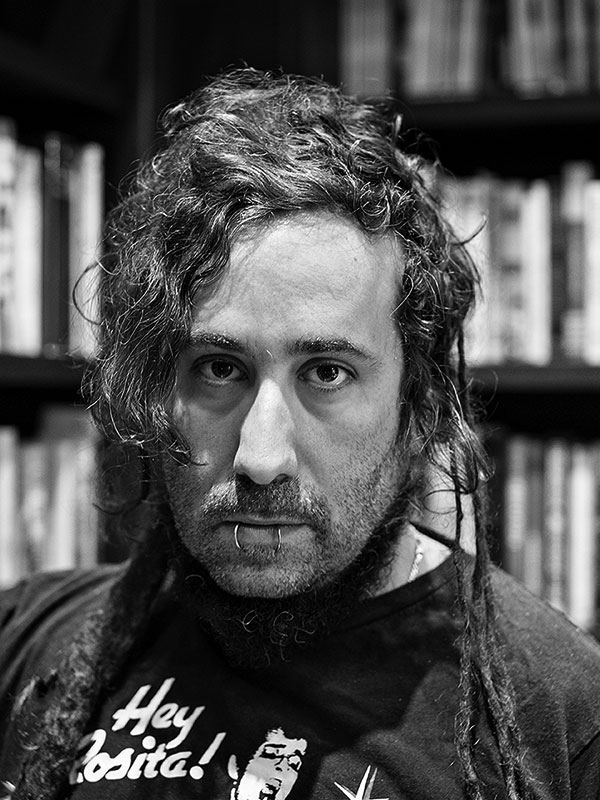
Podcast: Play in new window | Download
Joanna Cantor: Alternative Remedies for Loss (A Novel)
July 31, 2018 by David
Filed under Fiction, WritersCast
 Alternative Remedies for Loss – Joanna Cantor – Bloomsbury – Hardcover – 9781635571714 – 320 pages – $26.00 – May 8, 2018 – ebook editions available at lower prices. Paperback comes out
One of the great things for me about doing this podcast is that I have been introduced to such a varied range of books and writers. When I started this series, my intention was primarily to make myself a more regular reader. Like so many other people, I have found the intrusion of devices and media of all kinds distracting (in an enjoyable way for the most part), taking so much of my time away from the pure pleasure of reading, that I thought a regular schedule of talking to writers about their books would give me the discipline I generally lack, and make certain that I both read more books, and think more reflectively about what I read.
In many ways, of course, that intention has succeeded. But one of the surprises for me in this process has been that so many publishers and authors have approached me to read and interview an amazingly wide range of books. I have done my best to read books that are outside my “normal” range of interests. And that has been incredibly rewarding. Today’s interview, with the author of Alternative Remedies for Loss demonstrates one of those enjoyable discoveries that being a book podcaster has enabled.
Joanna’s story revolves around Olivia, who leaves her senior year at college to be with her mother through her terminal illness. The through line of the book is Olivia’s effort to cope with this unexpected loss. She takes a job in media in New York City in a sort of dazed state, and while it appears the rest of her family is moving on with their lives, Olivia cannot quite figure out what is going on now. Then she accidentally discovers that her mother might have been involved with a man other than Olivia’s father, and this emotional shock triggers Olivia’s quest to more fully understand her mother, come to terms with her own self in the world, and essentially to work through the emotions that are blocking her from being at peace.
There’s a great energy to this book, and because the writing is so good, the characters believable and fully formed, it is easy to get wrapped up in Olivia’s effort to become a fully formed human being in challenging emotional circumstances, perhaps her first in a fairly privileged upper middle class upbringing that many readers will recognize, and perhaps identify with themselves. Author Cantor refuses to whitewash her main character and gives her flaws and weaknesses that bring her to life. A good novel solves problems we sometimes did not realize we were able to engage with, and this one does that for me – I am glad to have had the chance to engage with Olivia’s story, and it was a pleasure to meet and speak with Joanna.
Joanna Cantor is a very talented writer. She lives in Brooklyn, teaches yoga and continues to write fiction. I really enjoyed reading this book and talking to her about writing, first novels, and of course, this book.
Joanna Cantor’s website is worth a visit.
(Production note: in doing this interview, I had a problem with the recording device, and we had to finish the conversation by phone, so you will notice some variations in the sound during the course of this particular podcast. I’ve got a new recording device now and hope to avoid problems like this in the future.)
Podcast: Play in new window | Download