
Publishing Talks: Interview with Jeff Deutsch of Seminary Co-op Bookstores
October 12, 2021 by David
Filed under PublishingTalks, The Future
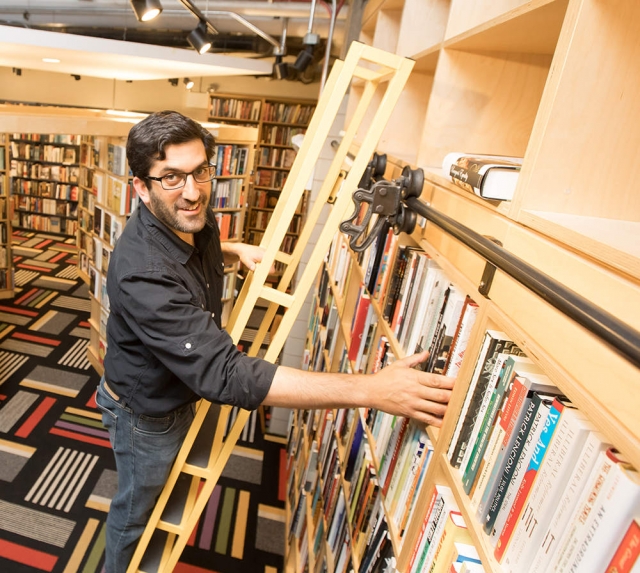 Publishing Talks began as a series of conversations with book industry professionals and others involved in media and technology, mostly talking about the future of publishing, books, and culture. I’ve spent time talking with people in the book industry about how publishing is evolving in the context of technology, culture, and economics.
Some time back, this series broadened to include conversations that go beyond the future of publishing. In an effort to document the literary world, I’ve talked with a variety of editors, publishers and others who have been innovators and leaders in independent publishing in the past and into the present.
These conversations have been inspirational to me on many levels. I have gotten to speak with visionaries and entrepreneurs, as well as editors and publishers who have influenced and changed contemporary literature and culture. I’ve also had the opportunity to speak with a number of friends and colleagues I have met over the many years I have been in the book business.
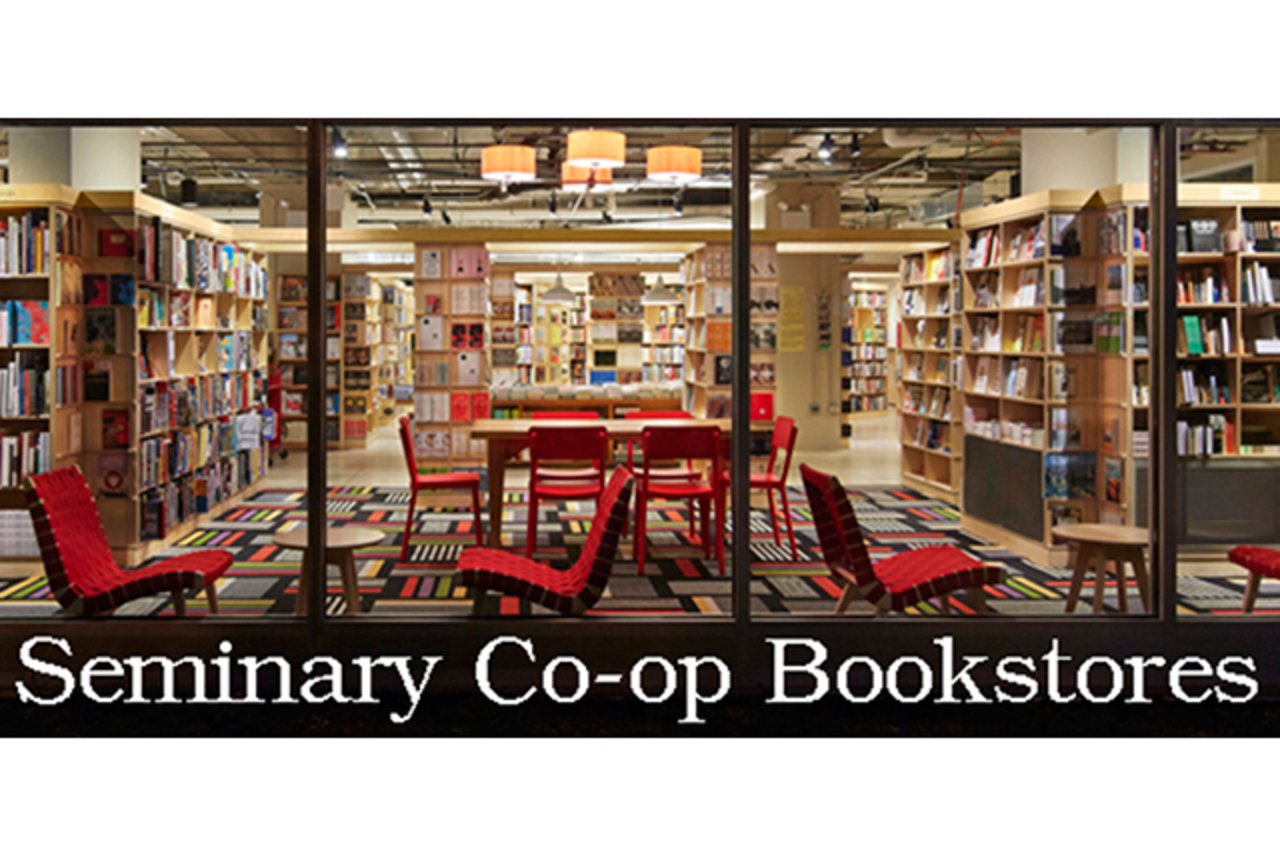
This week’s podcast is one I am really excited about. Jeff Deutsch is the director of Chicago’s Seminary Co-op Bookstores, which calls itself the first not-for-profit bookstore in the United States whose mission is devoted to bookselling (there are other nonprofit bookstores of course, generally components of literary centers, like Beyond Baroque in Venice, California, Woodland Pattern in Milwaukee, and Writers and Books in Rochester, NY are examples).
Last spring I read a report of a Book Industry Study Group panel that included Jeff, and what he talked about immediately caught my attention. Deutsch was reported to have said that the model of bookselling we’ve inherited needs to be rethought: just facilitating more sales, more efficiently, is not the way for bookstores to survive. A bookstore that actually means something to readers will need to carry a deep backlist and to spend time helping readers discover new voices, new texts.
During that panel Deutsch said, “The publishing world and distributors—what you value is not our ability to sell books,” because independent bookstores can never sell in the same volume as Amazon. “Yet we all know how important bookstores are,” he said. As publishers and booksellers once knew, developing readerships for books and authors takes time and devotion that have been boiled out of the entire process now.
Jane Friedman’s outstanding book industry newsletter Hot Sheet compared Jeff’s approach to the Slow Food movement (I think that idea makes sense – I wrote a manifesto for publishers a few years ago on the idea of Slow Publishing, but never developed it enough to publish). Nina Barrett, owner of Bookends & Beginnings in Illinois (which has filed a lawsuit against Amazon), also on the BISG panel said “I think it’s like Alice Waters talking for decades about a sustainable food ecosystem and ultimately revolutionizing the food industry that way. That’s the point we’re at.”
As Jane pointed out, “independent booksellers will lose every time if they base their worth on the mere transactional value of selling books. His stance—that bookselling has a deeper meaning and cultural value—is indeed how boutique and online retailers outside of the Amazon ecosystem are positioning themselves for success.”
Deutsch also said, “We should figure out models that support the work that we’re trying to do, not shoehorn this other model of retail that is really just about buying and selling and not about culture….We all have vocational awe, but couldn’t we have vocational awe and still make a decent living?”
This conceptual framework resonates with me and I think is worthy of much more discussion. Why shouldn’t there be a nonprofit bookselling sector to promote literary and other noncommercial books and authors, just as there is a nonprofit theater? Why should we continuously try to fit a crucially important culture activity into a commercial model, and always fail?
I hope that hearing Jeff talk about this concept will help stimulate further discussion and concrete action. Please feel free to comment and if you are interested in helping, please be in touch.
Connect to the Seminary Co-op Bookstores website here.
Before joining the Co-op Deutsch was the director of stores for the Stanford Bookstore Group and prior to that managed the Cal Student Store at the University of California, Berkeley.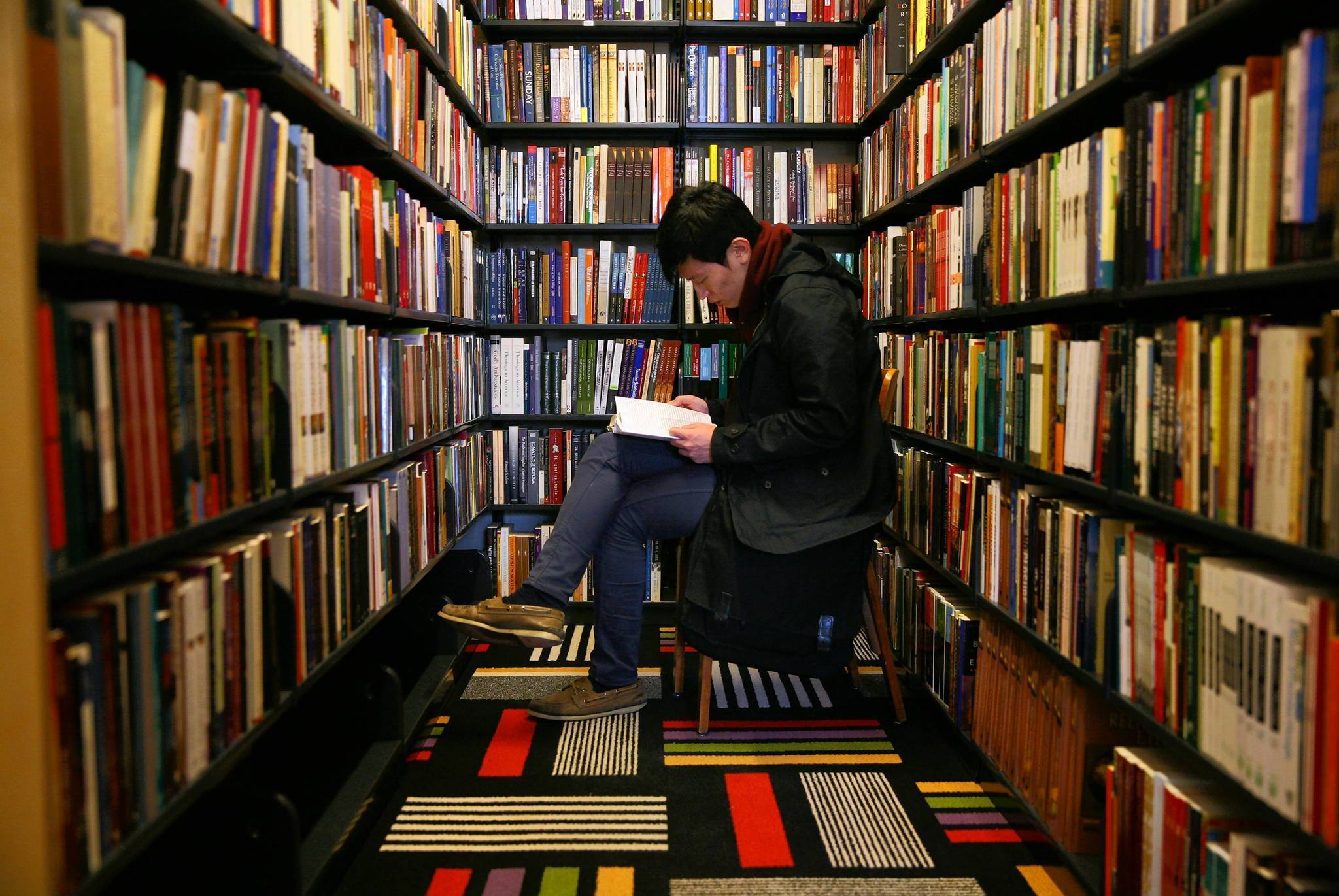
Podcast: Play in new window | Download
Publishing Talks: Interview with Ben Fox of Shepherd.com
September 20, 2021 by David
Filed under PublishingTalks, The Future
 Publishing Talks began as a series of conversations with book industry professionals and others involved in media and technology, mostly talking about the future of publishing, books, and culture. I’ve spent quite a bit of time over the years talking with people in the book industry about how publishing has evolved in the context of technology, culture, and economics.
Some time back, this series broadened to include conversations that go beyond the future of publishing. In an effort to document the literary world, I’ve talked with a variety of editors, publishers, booksellers, innovators, and leaders in publishing from the past into the present.
These conversations have been inspirational to me in many ways. I have gotten to speak with visionaries and entrepreneurs, as well as editors and publishers who have influenced and changed contemporary literature and culture. I’ve also had the opportunity to speak with a number of friends and colleagues I have met over the decades I have been in the book business.
Everyone in the book business recognizes the challenge of matching books to readers and vice versa. Search and discovery are the defining issues of this era of vast abundance and creativity in books and all media. There have been any number of efforts to address these challenges that go far beyond what any individual author or publisher can accomplish. One new effort that is trying to address the problem of online book discovery is called Shepherd. Ben Fox is the founder of this book search and recommendation website which he describes as being “Like browsing the best bookstore in the world.”
Like so many others who have become involved with the book publishing industry, he was motivated by a love of books and a desire to replicate the experience of browsing in a physical bookstore online. It’s a simple enough proposition in theory, but in practice, we know that nothing is easy for start ups, and especially so for start ups in the book industry.
I learned about Shepherd from an author I have worked with who has become a friend. Since I believe we need to foster creativity and innovation in every aspect of the book delivery chain, I wanted to talk to Ben to find out more about what he is doing, how he is doing it, and how he feels he can make this effort a success.
In a fairly short time, Shepherd has built a robust offering, with book lists of all kinds, and direct connections on the site to a large number of active authors.
Visit Shepherd.com and see for yourself what Ben Fox is doing. It would be interesting to me to hear what you think of it. Does Shepherd help you find books you might not otherwise have discovered? Does meeting authors online make a difference to your sense of their books and your willingness to buy and read them? Does Shepherd succeed in creating an online book browsing experience that matches what a great bookstore can do?
“I love walking around the bookstore and browsing until something grabs my attention. I want to bring that experience online. I want to help readers bump into books they would otherwise not find. And, help them follow their curiosity to new places.
And, I want to help authors meet more readers. Authors illuminate our world, take us on faraway journeys, and entertain us. There is a growing trend that authors have to become their own marketing team. That concerns me because it takes time away from writing and is very hard to do. One of my long-term goals is to help authors market themselves and give them more time to write.” — Ben Fox
It’s pretty obvious that retail shopping is changing. As readers, we need to figure out new ways to discover books, and for writers and publishers, it is crucial that there are a variety of different ways for us to reach out to readers when we have books we want them to know about. I hope Shepherd will succeed.
Podcast: Play in new window | Download
Publishing Talks: Interview with Roxanne Coady of R.J. Julia Booksellers
June 17, 2021 by David
Filed under PublishingTalks, The Future
 Publishing Talks began as a series of conversations with book industry professionals and others involved in media and technology, mostly talking about the future of publishing, books, and culture. I’ve spent time talking with people in the book industry about how publishing is evolving in the context of technology, culture, and economics.
Some time ago, this series broadened to include conversations that go beyond the future of publishing. In an effort to document the literary world, I’ve talked with a variety of editors, publishers, booksellers, and others who have been innovators and leaders in independent publishing in the past and in the present.
These conversations have been inspirational to me on many levels. I have gotten to speak with visionaries and entrepreneurs, as well as editors and publishers who have influenced and changed contemporary literature and culture. I’ve also had the opportunity to speak with a number of friends and colleagues I have known over the many years I have been in the book business.
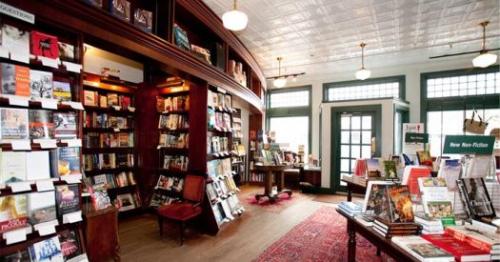
Bookstores have been an essential part of my entire life, even from early childhood, one benefit of growing up with a writer as father. Independent bookselling thrived from the late seventies into the late 1990’s, no doubt reflecting the Baby Boomer generation’s enthusiasm for books and ideas. The last twenty or more years have been very different, and now there are far fewer communities that support bookstores than at anytime in the past fifty years. Bookstores (along with public libraries) are a crucial element of a healthy culture, far more valuable than their size and scope would suggest. Local communities benefit from the presence of bookstores in many ways, and literary culture needs them too, as visible representations of a reading culture. Ideas grow and spread from books, but culture is also built around physically being present with one another.
So it is important for us to find ways as readers and literary citizens, to support bookstores, and it is equally important for booksellers to locate themselves, create and support communities around their stores, to support their workers and to make themselves meaningful enough to be thrive, despite the challenges of being small businesses in a mass-oriented consumer culture.
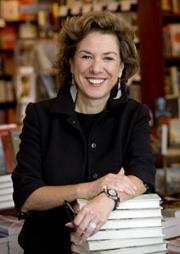
There are quite a few examples of booksellers who have made just such an impact, and their experiences and ideas are important for all of us to share and understand. It has been a particular pleasure for me to have known and worked with Roxanne Coady, the founder and owner of the exceptional R.J. Julia Booksellers, in Madison, Connecticut. We first met when Roxanne came to Connecticut to establish her new business after pursuing a successful career as a CPA in New York City. Over the years, I have spent many hours browsing their shelves, attending author events, and enjoying the cafe.
R.J. Julia has thrived during the period when local bookselling has faced an array of challenges, first from chain bookstores, then from Amazon and the rise of online retailing, and of course most recently, the pandemic. Throughout this time, Roxanne and her staff have innovated on many levels, including creating a drive-by pickup window for busy parents, putting on over 300 events a year (some of which are with celebrity authors), establishing an active email newsletter, providing online sales with speedy service, podcasting, and building an active book club. Throughout, the emphasis on community, care for staff as individuals, and listening to customers have been paramount characteristics of the enterprise. There is a bit of practical magic at work there, I think.
After more than 30 years of hard work and success, it’s obvious that Roxanne has quite a bit to say about what it takes to be a successful bookseller, to be a locally based business, and to be a crucial part of literary culture. I believe that our conversation should be meaningful for anyone interested in the future success of bookstores and the importance of building a real literary culture within a society that does not put enough value on books, authors, writing.
We need more bookstores! Visit the R.J. Julia Bookseller website and sign up for their newsletter.
Podcast: Play in new window | Download
Publishing Talks: Interview with Arthur Attwell
February 2, 2021 by David
Filed under Ebooks and Digital Publishing, PublishingTalks, Technology
 Publishing Talks began as a series of conversations with book industry professionals and others involved in media and technology, mostly talking about the future of publishing, books, and culture. I’ve spent time talking with people in the book industry about how publishing is evolving in the context of technology, culture, and economics.
Some time back, this series broadened to include conversations that go beyond the future of publishing. In an effort to document the literary world, I’ve talked with a variety of editors, publishers and others who have been innovators and leaders in independent publishing in the past and into the present.
These conversations have been inspirational to me on many levels. I have gotten to speak with visionaries and entrepreneurs, as well as editors and publishers who have influenced and changed contemporary literature and culture.
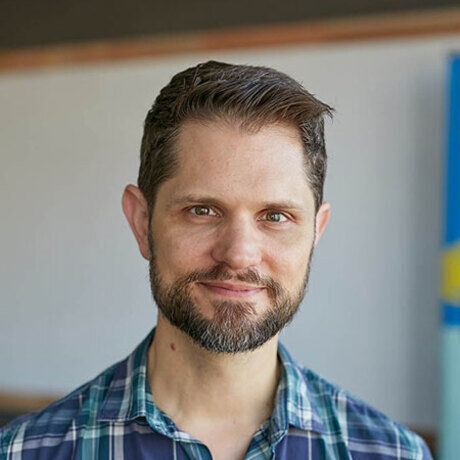
Today’s guest is another such special individual. Arthur Attwell, who lives in Capetown, South Africa, got his start in publishing working for Oxford University Press as an editor. Impatient with the inefficiencies of publishing, he left to start up his current venture with some collaborators, Electric Book Works, which has been building books since 2006 that are active in multiple formats and versions, from beautifully produced print books to well fashioned ebooks to websites that express the book form in new ways.
In addition to the work he has done with Electric Book Works, this energetic entrepreneur has co-created an impactful health care information project, Bettercare, which has created and distributed healthcare learning materials to thousands of practitioners and consumers all over Africa. Although this project, entirely volunteer run, has had to cut back on its activities because of the pandemic, its impact continues with part timers and reduced capabilities.
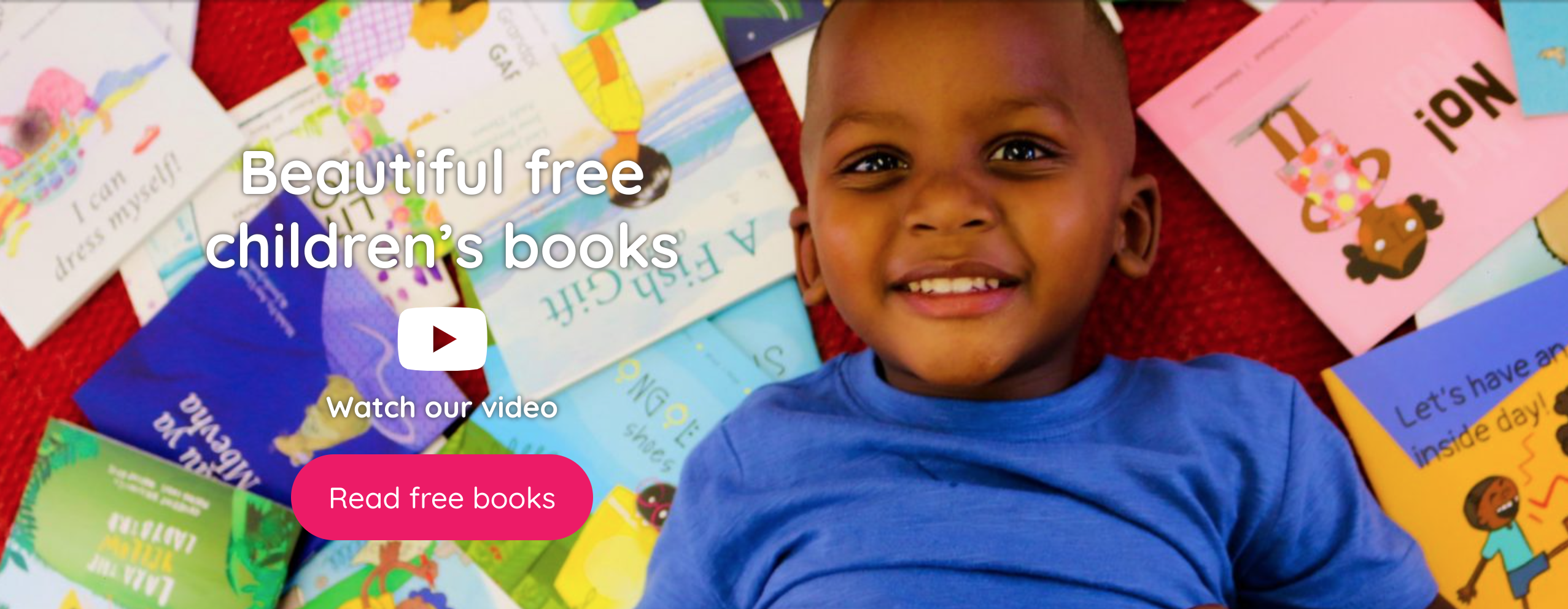
Perhaps the most exciting efforts I have learned about recently is yet another Attwell project, Book Dash. Arthur and his partners created (and have since carefully refined) a process that assembles teams of book professionals to create and publish children’s books, and which also the raises money and support needed for the printing and distribution of thousands of books across Africa, with the stated goal that every child should own 100 books by the time they are five years old! The Book Dash process was built as an intensive one day effort, gathering teams in person, but has quickly adapted to a virtual model, enabling contributors to participate from multiple physical locations. They have made some really terrific books using this process and Book Dash has now distributed over one million books to children in Africa.
With the time difference between us, arranging this talk required bit of organizing, but we were able to speak recently by Skype. My original goal was simply to give Arthur an opportunity to talk about Book Dash. But we ended up having a much wider conversation on a range of topics, including distributed print on demand printing, a dream concept we both have explored, and much more. I suspect we will talk further in the necessary follow up conversation I hope to have with him as there are so many exciting ideas to discuss.
For now, I hope you will enjoy listening to Arthur Attwell as much as I did.
Arthur’s “On Transit” Talk


Podcast: Play in new window | Download
Publisher and editor John O’Brien has died
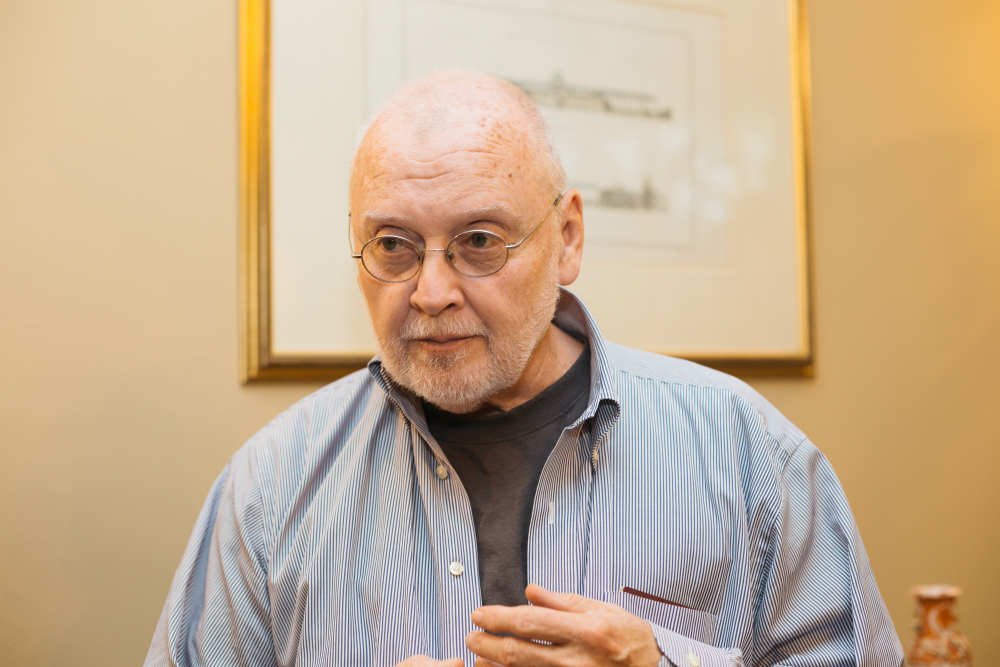 Old friend and colleague John O’Brien, founder of Review of Contemporary Fiction and Dalkey Archive Press passed away on November 21st.
John and I had many mutual friends in literature and similar tastes and interests, and his vision of writing and books led me to learn about many writers whose work I would otherwise never have known. He was opinionated and sometimes difficult, but his dedication and commitment to discovering and presenting important books never wavered.
Here’s a good representation of his view of the work he did:
So I started the Review out of a sense of isolation, as well as a kind of outrage at the fact that books and authors were reduced only to marketplace value. And I should say that, from the start, I wanted the magazine to break down the artificial barriers that exist among countries and cultures. It was my view then and now that one can’t properly come to terms with contemporary writing without seeing it in an international context, and it’s also my view that Americans generally don’t want to know anything about the world outside the United States unless they are planning a vacation.
I interviewed John in 2016 for my Publishing Talks series of conversations with independent editors and publishers. We had a long and wide ranging conversation about the history of both his journal and his book publishing efforts.
In the description of that interview I quoted him: “I wanted the Press to define the contemporary period, or at least what I saw as what was most important in the contemporary period. Further, I wanted these books permanently protected, which is why from the start the Press has kept all of its fiction in print, regardless of sales. And as with the Review, I wanted the books to represent what was happening around the world rather than more or less being confined to the United States. Like the Review, Dalkey Archive Press was and is a hopelessly quixotic venture.”
In 2011, Dalkey Archive received a Lifetime Achievement Award from the National Book Critics Circle, and in 2015 John O’Brien was made a knight in the Orde des Arts et des Lettres for his contributions to publishing French literature abroad. Not bad for such a “hopelessly quixotic” operation. The catalog of Dalkey is massive and is a remarkable testament to the talent, taste and energy John brought to his work and life.
The latest news is from Deep Vellum, which has acquired Dalked and RCF:
Before his passing, the Dalkey Archive’s board of directors approved an agreement to merge with Deep Vellum Publishing, a nonprofit publishing house and literary arts center based in Dallas, TX. Deep Vellum and its publisher Will Evans plan to honor John O’Brien’s legacy by keeping Dalkey Archive’s backlist in print and by signing future titles, together with the assistance of editorial consultant, Chad W. Post, of Open Letter Books at the University of Rochester.
As an editorial imprint of Deep Vellum, Dalkey Archive will remain true to O’Brien’s vision of keeping its legendary backlist in stock, continuing to publish leading literature from around the world, and working closely with readers, students, editors, writers, and translators to foster an international community for literature. Will O’Brien, John’s son and current president of Dalkey Archive’s board of directors, will join Deep Vellum’s board of directors as part of the merger.
An online memorial service to honor John O’Brien’s life and work will be held on December 9th. Keep up with Deep Vellum here.

American Gospel, A Novel: Lin Enger
November 11, 2020 by David
Filed under Fiction, WritersCast
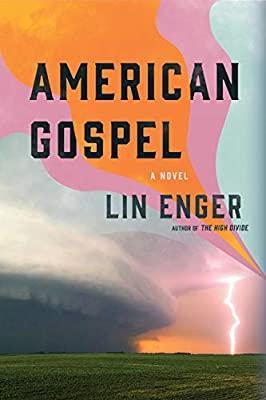 American Gospel, A Novel – Lin Enger – 978-1-5179-1054-9 – University of Minnesota Press – Hardcover – 248 pages – October 27, 2020 – $24.95 – ebook versions available for sale at lower prices
I read Lin Enger’s last novel, High Divide, a few years ago and was really taken with his writing and the mythic fictional structures he loves to tell. Storytelling is certainly humanity’s oldest art form. We use stories to explain ourselves to ourselves. Lin seems to breathe storytelling like air. His new novel is very different than his earlier books, at least that it is set more or less in modern times and in northern Minnesota, a place that Lin is completely familiar and comfortable with.
American Gospel begins in 1974 while the rest of the country is fixated on the Watergate scandal, on a north woods Minnesota farm, where Enoch Bywater, a self-styled preacher has had a vision of the Rapture. It is all so real for him, he believes that the end of the world is about to be upon us. His millennial dream is shared by his followers, and then as word spreads about the impending end of the world, his Last Days Ranch attracts a polyglot of dreamers and believers in a completely American quest for emergence.
Enoch’s son, estranged both from his father, and from Minnesota, is an aspiring reporter with his own dreams and ambitions who is attracted back home by the potential for a big story – and the possibility of reconnecting with his high school love who is now a Hollywood star, the biggest thing to ever happen to their small rural town.
And there is still more intrigue involving other characters with their own complex agendas, and the backdrop of the denouement of the Nixon saga.
Lin Enger enjoys telling stories that involve men and their fathers. And he is taken with mythological, almost Jungian figures. In this book we have father figures of all kinds – God, the president, the preacher, and even his son. The psychic wounds of America are on full display and the resonance with our current time is unmistakable.
Enger is a compassionate and perceptive writer whose prose is clean and clear. He plainly loves to shed light on who we are and what we must do in order to live together as humans in a complex, disparate modern world. American Gospel is a quietly brilliant novel that I hope will find a large audience.
Lin Enger grew up in Minnesota and now lives in Moorhead, where he teaches English at Minnesota State University. He’s won many awards for his fiction, which include the novels, The High Divide (2014) and Undiscovered Country (2008). During the 1990s Lin and his brother, the novelist Leif Enger collaborated (as L. L. Enger) on a series of mystery novels for Pocket Books.
I always enjoy speaking with Lin. We had a terrific conversation about this book, and much more for this podcast episode. I hope you enjoy it as much as I did.
Author’s website is here.
You can buy American Gospel from Bookshop.org.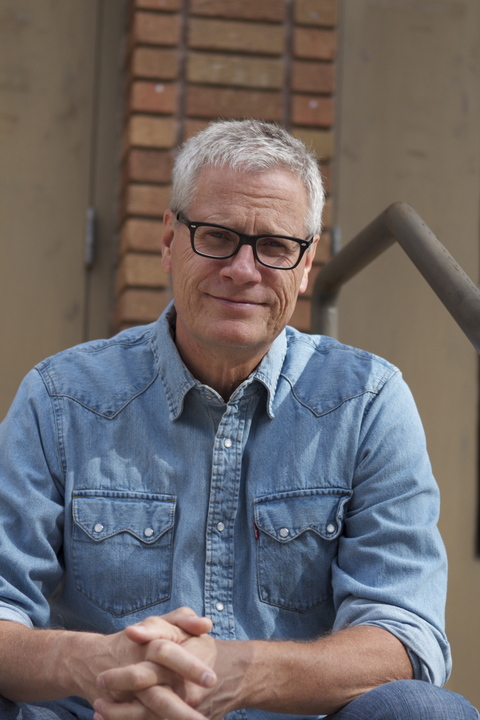
Podcast: Play in new window | Download
Fenton Johnson – At the Center of All Beauty: Solitude and the Creative Life
June 14, 2020 by David
Filed under Non-Fiction, WritersCast
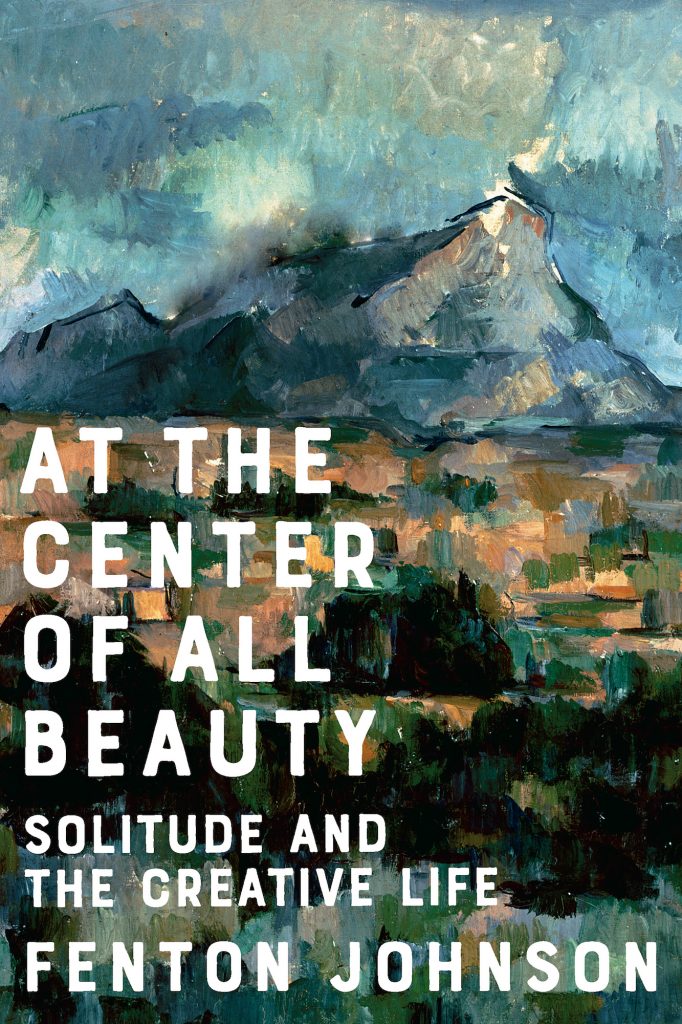 At the Center of All Beauty: Solitude and the Creative Life – Fenton Johnson- 9780393608298 – W.W. Norton – Hardcover – 256 pages – March 10, 2020 – $26.95 – ebook versions available at lower prices
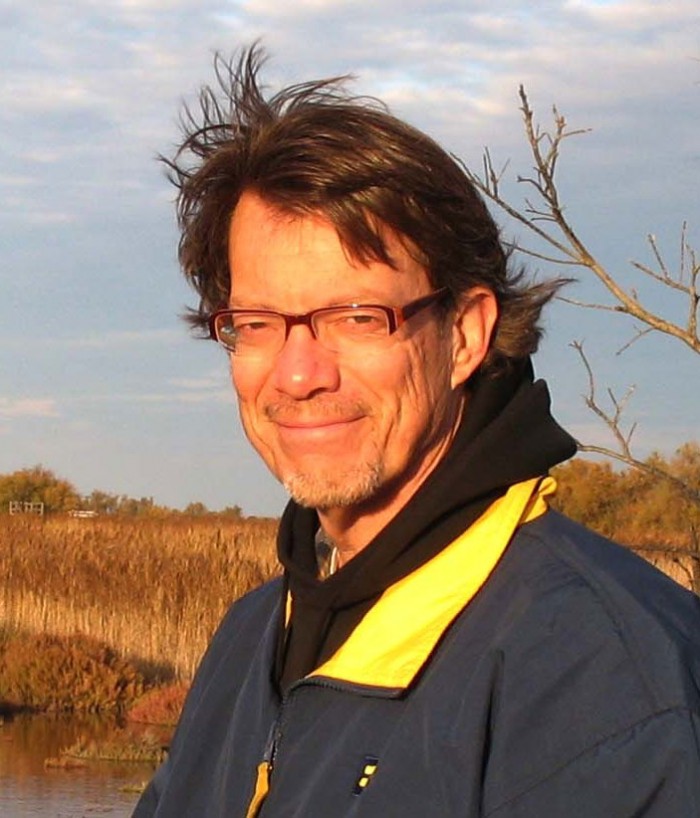
So much of the pleasure of conducting this podcast for all these years has been (and continues to be) the discovery of new writers and books, that so deeply nurture my inner being. Discovering Fenton Johnson’s writing during the pandemic, where I have been spending most of my time alone or with just my immediate family, has been both apt and especially rewarding. I want to thank my cousin, Fred Hertz, for introducing me to Fenton and his work. I am especially interested in this book, as it is about the inner lives if writers, artists and musicians, their thought processes and creative lives, Fenton Johnson’s perspective on creativity and the artistic journey should resonate with us now more than ever.
Fenton is an outstanding writer, whose prose flows like a slow moving brook through the woods. I am really surprised not to have known about his work before now. Now, having read this most recent very personal memoir, I am adding his other works of memoir, and his fiction to my long term reading list.
But back to this book. In At the Center of All Beauty, Fenton explores the lives and works of nearly a dozen writers, painters and singers, those he feels most close to in his own life and work. He calls them “solitaries,” and links them to members of his own family, friends he knew growing up, his life, his lovers, his loves. He rightly questions the dominant cultural narrative we all absorb that coupling is the highest and best way to live. Of course there is a long and celebrated tradition in the West of creatives who must separate themselves from others in order to be themselves, and this clearly is a crucial story for anyone involved in trying to create.
Fenton devotes chapters to Thoreau at Walden Pond, Emily Dickinson in Amherst, the great Bill Cunningham photographing in the streets, Cézanne repeatedly painting Mont Sainte-Victoire and Zora Neale Hurston, Nina Simone, and several other exemplars of the creative solitary life. Each of these stories relate back to Fenton’s own journey, first growing up in Kentucky near the famous Gethsemane monastery (best known as home to Thomas Merton,) his father and mother, also both solitary souls despite their family lives, and then later living in San Francisco in the time of AIDS, to now, where in late middle age, he finds himself solitary and at peace with all that it means to be both alone and completely connected to the world around him.
This book is full of wisdom, of beauty, and of language that helps us go beyond our daily perceptions into our own stories of self and meaning. You can read this book as a narrative or perhaps as well, use it as an inspirational spur to personal meditation on self and beauty.
It was truly a pleasure to read At the Center of All Beauty and also to have the opportunity to speak with Fenton about this book. To illustrate life during Covid-19, while we happened to both be in Tucson, Arizona this spring, Fenton delivered the book to me, both of us wearing masks, in the local post office parking lot, and we conducted the interview via Skype, despite being less than two miles apart from each other on the day we talked.
Aside from At the Center of All Beauty: Solitude and the Creative Life, Fenton Johnson is the author of three novels: The Man Who Loved Birds, Scissors, Paper, Rock, and Crossing the River, each of which have been reissued in new editions. He has also published two previous memoirs, Geography of the Heart: A Memoir and Keeping Faith: A Skeptic’s Journey among Christian and Buddhist Monks and an essay collection Everywhere Home: A Life in Essays.
Geography of the Heart received the American Library Association and Lambda Literary Awards for best LGBT Creative Nonfiction, and Keeping Faith received a Lambda Literary and Kentucky Literary Award in Creative Nonfiction. He was recently featured on NPR’s Fresh Air and writes for Harper’s Magazine.
Fenton is professor emeritus at the University of Arizona and teaches creative writing workshops nationally. He is on the faculty of the low-residency creative writing program of Spalding University.
Support local booksellers! Buy At the Center of All Beauty from independent bookseller RJ Julia.
Podcast: Play in new window | Download
Publishing Talks: David Wilk interviews Mary Gannon of CLMP
May 30, 2020 by David
Filed under Publishing History, PublishingTalks, The Future
 Publishing Talks began as a series of conversations with book industry professionals and others involved in media and technology, mostly talking about the future of publishing, books, and culture. As every media business continues to experience disruption and change, I’ve spent time talking with some of the people involved in our industry about how publishing might evolve as it is affected by technology and the larger context of culture and economics.
Some time back, this series broadened to include conversations that go beyond the future of publishing. In an effort to document the literary world, I’ve talked with a variety of editors, publishers and arts professionals who have been innovators and leaders in independent publishing in the past and the present, and continue to explore the ebb and flow of writing, books, and publishing in all sorts of forms and formats, as change continues to be the one constant we can count on.
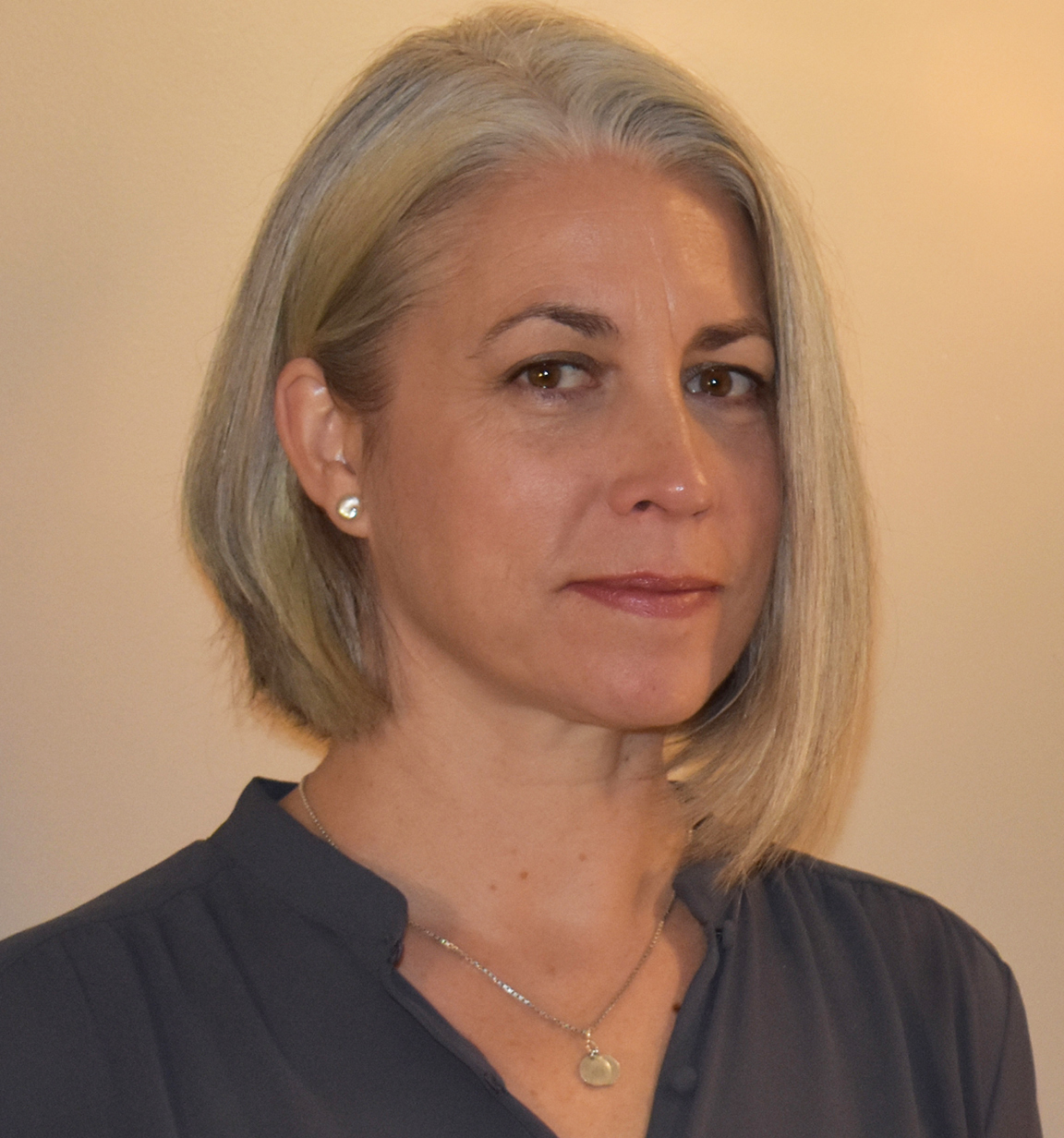
Mary Gannon is the Executive Director of the Community of Literary Magazines and Presses, a now more than fifty-year-old nonprofit that is the primary organization in the US supporting the literary publishing community. There are hundreds of publications of all sizes that benefit from CLMP’s work, some well-established, others that are start-ups, and many others in various stages of growth and development. Some have institutional support, while the majority are supported only by the work of volunteers and readers.
Mary is herself a poet, and has worked in the literary community for many years. She well understands the struggles and needs of the community she serves. Before joining CLMP in 2018, she was the Associate Director and Director of Content for the Academy of American Poets, and before that she was the Editorial Director of Poets & Writers, the country’s largest nonprofit organization serving poets and literary writers.
Mary has published numerous articles about publishing and the literary field, as well as book reviews in a variety of journals. With her husband, Poets & Writers Magazine Editor-in-Chief Kevin Larimer, she wrote The Poets & Writers Complete Guide to Being a Writer, published by Avid Reader Press/Simon & Schuster April, 2020.
I’ve wanted to talk to Mary for some time about the state of the independent literary community. Now, with the COVID pandemic having such an impact, especially so on the arts (to the point of crisis for many) it’s an important time for a conversation about the current state and future prospects of literary publishing.
CLMP was founded in 1967 by writers and editors, including Russell Banks (whom I interviewed in 2018.) It offers a range of services and funding to magazines and literary publishers. Visit the CLMP website for more information or to make a donation in support of its vital work to support independent literary culture.
Disclosure: I am currently proud to be a member of the board of trustees of CLMP.
Podcast: Play in new window | Download
Anne Enright: Actress – A Novel
May 12, 2020 by David
Filed under Fiction, WritersCast
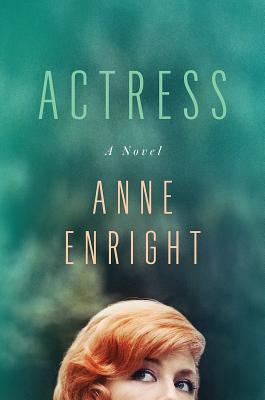 Actress: A Novel – Anne Enright – 978-1-324-00562-9 – W.W. Norton – Hardcover – 272 pages – March 3, 2020 – $26.95 – eBook version available at lower prices
I think it is pretty safe to say that Anne Enright is one of the best writers of our time. Her writing is so well done that you don’t notice her deft ability to portray characters and tell their stories as if you were present at the time.
In some ways, Actress is an unusual novel, structured more like a memoir, albeit a fictional one. The story meanders the way a person might when telling a story about their parents and themselves. Ostensibly Actress is the story of Katherine O’Dell, the narrator’s mother. Norah, the daughter, is herself a writer in mid-career. But as I read the book, it became clear that this book is really about Norah, and while the daughter-mother relationship is central to her story, there are more layers than initially meet the eye here. It’s not so much a fictional portrait of an actress, but a fictional portrait of a writer.
Norah, the writer, has spent her life avoiding writing about her mother. Being the daughter of a famous, even notorious actress, is something she has tried not to deal with, even though it is the grounding of her own life story. That her mother ends up in decline is also defining for her. Katherine was a difficult, mercurial, highly private and complicated person. Her daughter, our narrator, is ultimately more like her mother than she wants to believe or accept. In Enright’s telling, the writer tells the story she must tell, even if it is not always the story she wants to tell.
Aside from being a terrific writer, Anne Enright is an outstanding conversationalist, making her a great subject for an interview. It’s pretty obvious how much I like speaking with writers about their books, and a conversation with Anne Enright is a joy. I am sure that you will enjoy listening to this interview and you will find this book well worth spending some time with. I had the pleasure to speak with her in 2015 about her last novel, The Green Road, another terrific book. Here’s a link, in case you want to listen to that conversation as well.
Anne Enright was born in Dublin in 1962, studied English and Philosophy at Trinity College, Dublin, and studied for an MA in Creative Writing at the University of East Anglia.
She has written short stories that have appeared in magazines including The New Yorker and The Paris Review. In 2004 she received the Davy Byrnes Irish Writing Award for her short story, ‘Honey’. She has published three collections of short stories.
Her novels are The Wig My Father Wore (1995), shortlisted for the Irish Times/Aer Lingus Irish Literature Prize; What Are You Like? which was the winner of the 2001 Encore Award; The Pleasure of Eliza Lynch (2002); The Gathering (2007) which won the 2007 Man Booker Prize for Fiction; and The Forgotten Waltz (2011). Her most recent novel, The Green Road (2015) won the Irish Novel of the Year.
Enright is also the author of a book of humorous essays, Making Babies: Stumbling into Motherhood (2004). She lives in Ireland.
You can buy Actress online from RJ Julia Booksellers in Madison, Connecticut where it is a current Staff Pick.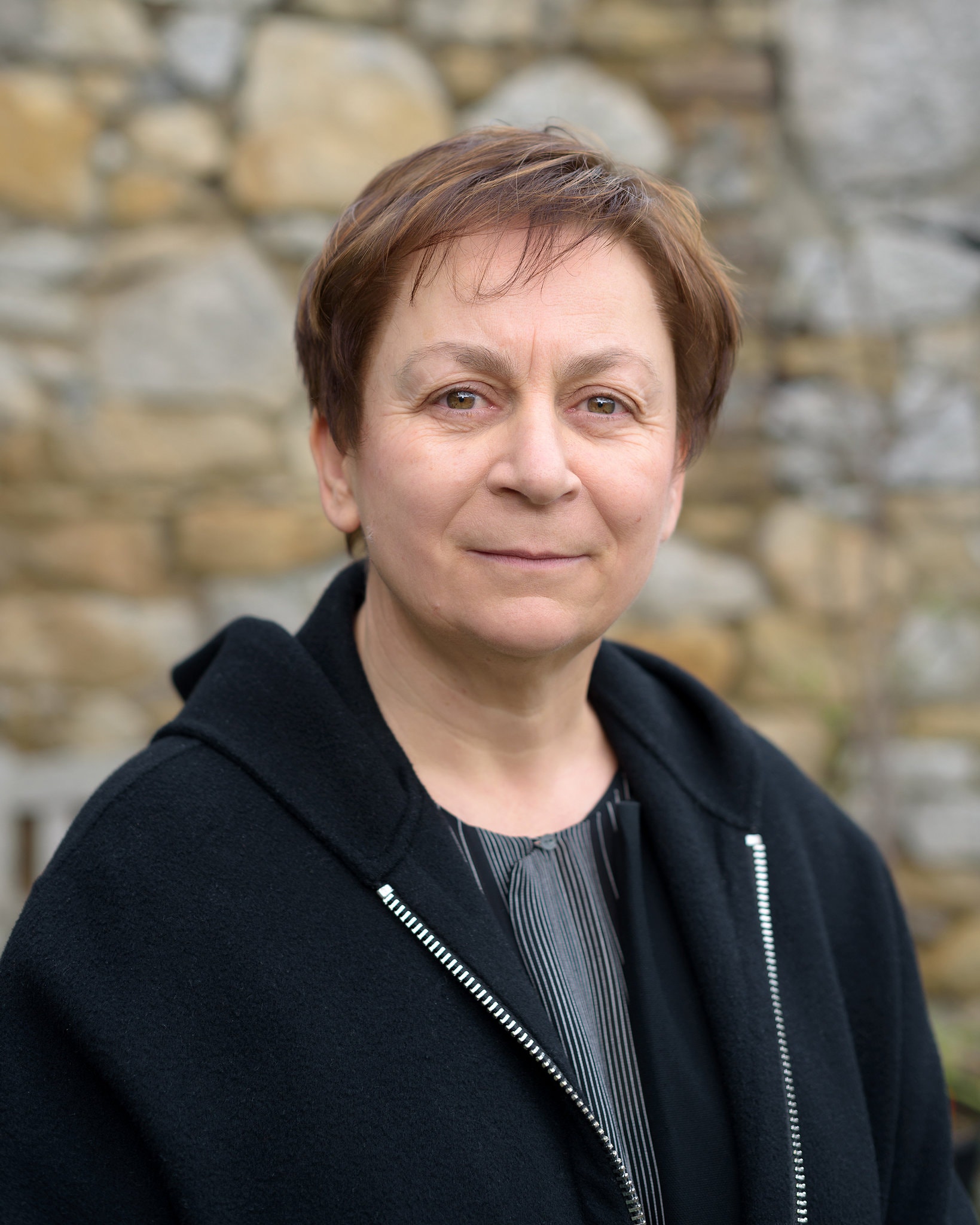
Podcast: Play in new window | Download
Naomi Shulman: Be Kind: You Can Make the World a Happier Place!
March 31, 2020 by David
Filed under Children's Authors, WritersCast
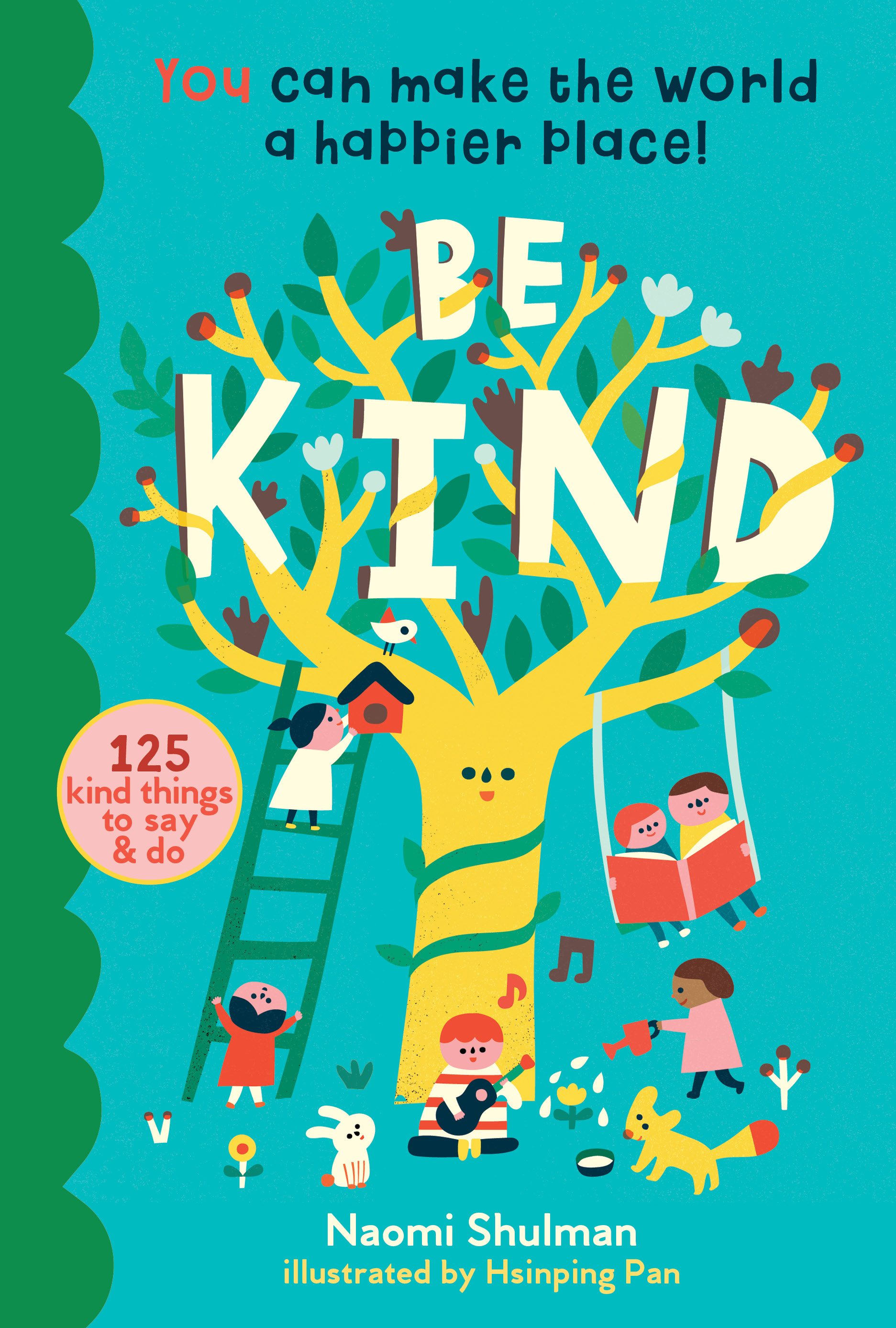 Be Kind: You Can Make the World a Happier Place! 125 Kind Things to Say & Do – Naomi Shulman – Illustrated by Hsinping Pan – Storey Publishing – 9781635861549 – Hardcover – $12.99 – June 25, 2019 – ebooks available at lower prices.
I learned about Naomi Shulman because of something she wrote a few years ago that has circulated widely. What she said resonated with my own thinking about our responsibilities as citizens:
“Nice people made the best Nazis. My mom grew up next to them. They got along, refused to make waves, looked the other way when things got ugly and focused on happier things than “politics.” They were lovely people who turned their heads as their neighbors were dragged away. You know who weren’t nice people? Resisters.”
So I went in search of Naomi Shulman online, feeling like this would be someone I’d be really interested in talking to. I discovered she has also written this wonderful kids’ book, Be Kind, and was very happy to set up a chance to talk with her about this book and her thinking about the world. One thing we did address is the big difference between being nice and being kind.
Kindness seems like such a simple thing. But it really isn’t. Kindness requires empathy, connection with others, and being genuinely other directed. Kindness is something we all appreciate but recognize as not being generally practiced by so many of our fellow human beings and planetary citizens. Kindness is not passive either, as Naomi points out.
Be Kind helps parents and children aged 5 and up learn some simple, action-oriented things they can do in their daily lives to help them become active practitioners of kindness and love.
Naomi teaches kids that kindness is much more than being “nice,” to others. Some of the things she demonstrates include standing up for someone or something, engaging in a community, showing compassion toward others (beings as well as humans), and expressing gratitude. The illustrations by Hsinping Pan are absolutely perfect, as is Naomi’s writing. Though it’s small book, there are 125 concrete activities kids and their families can pick and choose from and act out. You can be the first person to say good morning to a friend, or pay someone a compliment, help elderly neighbors with chores, maybe just learning to say hello to an immigrant in their own language, or just sending a card to someone for no particular occasion.
Be Kind empowers kids to make the world a better, kinder place, and that is nothing but a good thing. I talked to Naomi about the book, her philosophy of living and teaching, and all sorts of things relating to politics and culture. It was a fun conversation for me, and I hope one that will help all of us during this particularly challenging time.
Being kind will help us get through the difficulties of daily life. And that includes being kind to ourselves.
Be Kind was a 2019 Mom’s Choice Award Gold Winner
“Be Kind is a lovely reminder that every moment can be filled with a thoughtful act of kindness. This beautifully illustrated book gives fresh and meaningful ways that each child — and adult — can make our world a happier place and prove that KINDNESS MATTERS!” — Jill McManigal, cofounder & executive director, Kids for Peace and The Great Kindness Challenge
Naomi Shulman lives with her daughters in Northampton, Massachusetts. She’s now a writer and editor, formerly having worked in book publishing at St. Martin’s Press, and was the research editor at Wondertime, a Disney parenting magazine. As a freelancer, she has worked in memoir, fantasy, literary fiction, mysteries, sci-fi and children’s books.
You can support local bookselling, which needs your support, by purchasing Be Kind from RJ Julia Booksellers in Madison, Connecticut. They fill online orders quickly – click here to order.
More of Naomi’s work can be found here.
Podcast: Play in new window | Download