
Writerscast: David Wilk interviews Roger Angell
October 1, 2020 by David
Filed under Non-Fiction, WritersCast
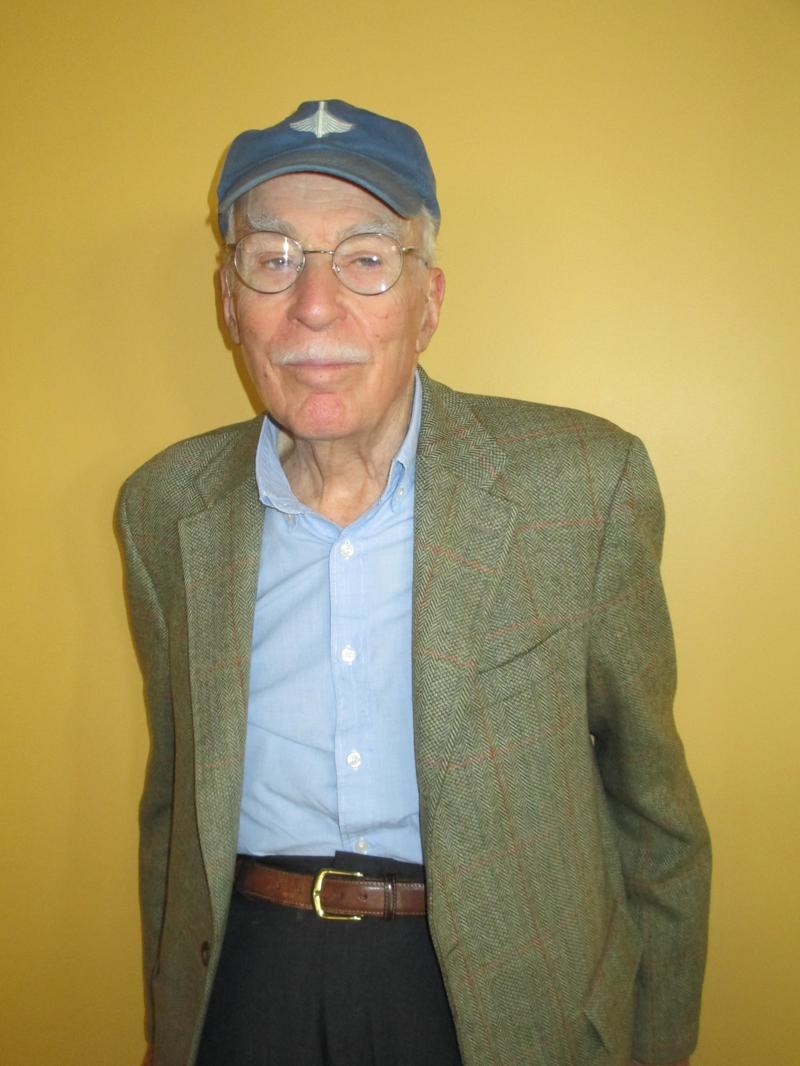 A couple years ago, in the process of researching the mostly unknown and under-appreciated New Yorker writer Robert M. Coates, I reached out to Roger Angell, who knew Coates during his many years of writing for and working at The New Yorker (and whose mother, Katharine Sergeant Angell White, and stepfather, E.B. White, knew Coates well from the earliest days of the magazine in New York and elsewhere). I wanted to learn as much as I could about Coates, and in the process, had the distinct pleasure of talking to one of the greatest writers of our time.
After telling me some interesting first-hand remembrances of Coates, Roger was kind enough to sit or an in-person interview with me in his apartment in New York along with his wife Peggy Moorman. It’s my honor to publish this interview now to celebrate Roger Angell’s 100th birthday. His prodigious, meticulous, and far-ranging memory is a match for his remarkable abilities as a writer.
Roger has always lived in New York City, and spent summers in Brooklin, Maine. He graduated from Pomfret School and Harvard University, served in the Air Force in World War II, first as an instructor in machine guns and power turrets, and then, in the Pacific, as an editor and reporter for the GI magazine Brief.
In 2014 Roger was inducted into the writers’ section of the Baseball Hall of Fame, and then in 2015 he was deservedly elected to the American Academy of Arts and Letters.
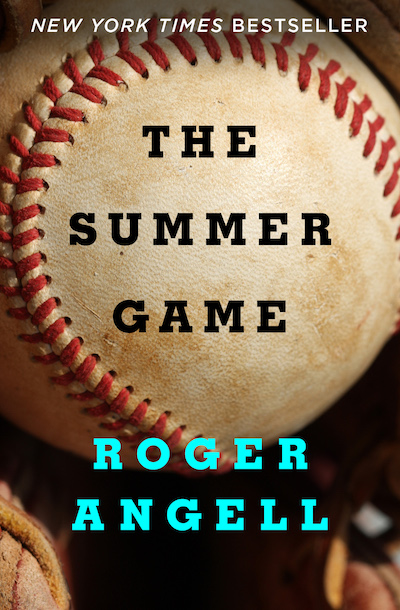
It is impossible to speak about and with Roger Angell without mentioning his writing about baseball, for which he is best known, including the classic books, The Summer Game and Five Seasons: A Baseball Companion, as well as a number of great shorter pieces that appeared first in the The New Yorker.
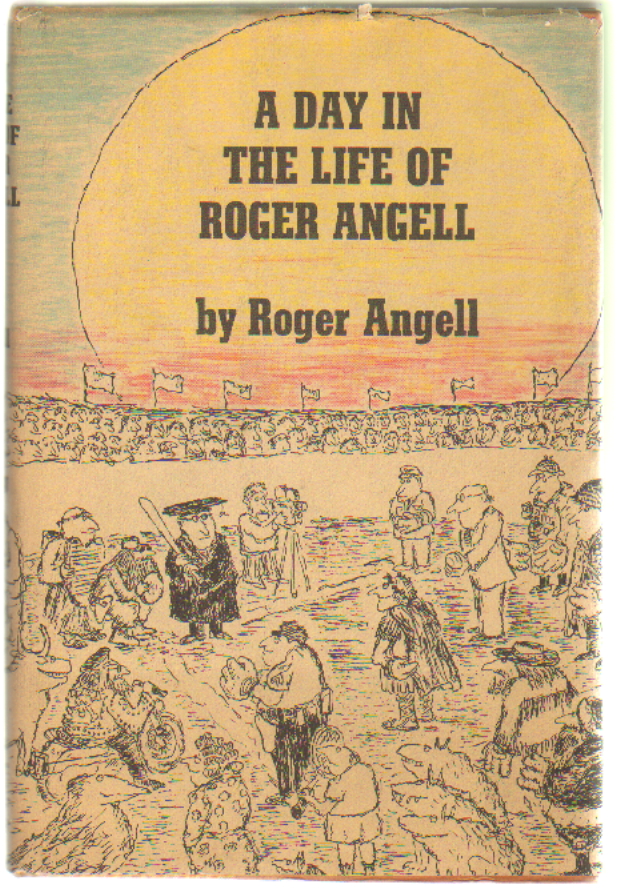
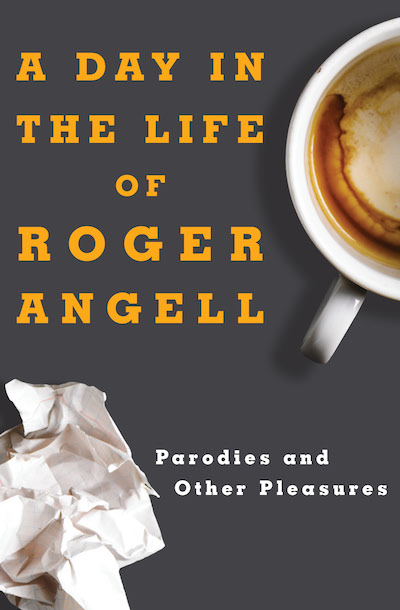
Angell’s earliest published works of short fiction and personal narratives. Several of these pieces were collected in early books, The Stone Arbor and Other Stories (1960) and A Day in the Life of Roger Angell (1970).
Roger first contributed to the The New Yorker in March 1944. He began writing about baseball in 1962, when William Shawn, then the editor of The New Yorker sent him to Florida to write about spring training and over the course of several decades produced some of the best baseball books ever written, inspiring countless readers with his brilliant descriptions of baseball games and players, and of course, fans of the game.
In a review of Once More Around the Park for the Journal of Sport History, Richard C. Crepeau wrote that “Gone for Good”, Angell’s essay on the career of Steve Blass,”may be the best piece that anyone has ever written on baseball or any other sport”.
While Angell has been praised fulsomely for his baseball writing, I’d prefer to think of him as simply one of the better literary stylists of our time. Listening to Roger Angell talk about books, writers and his writing life was one of the great pleasures of my own literary life, which I am pleased to share with you here.
Roger turned 100 on September 19, 2020. Happy Birthday Roger! And thank you and Peggy, for giving me the opportunity to speak with one of my literary heroes.
“Angell writes about baseball the way M.F.K. Fisher did about food, as a metaphor for life’s complexities of desire, defeat, utility and beauty.” — Phillip Lopate
This article in The New Yorker by David Remnick – “Roger Angell Turns 100” – is a must-read piece.
7 Must-Read Roger Angell Books: Legendary essays on baseball, reflections on aging, and so much more. Stephen Lovely, The Archive. 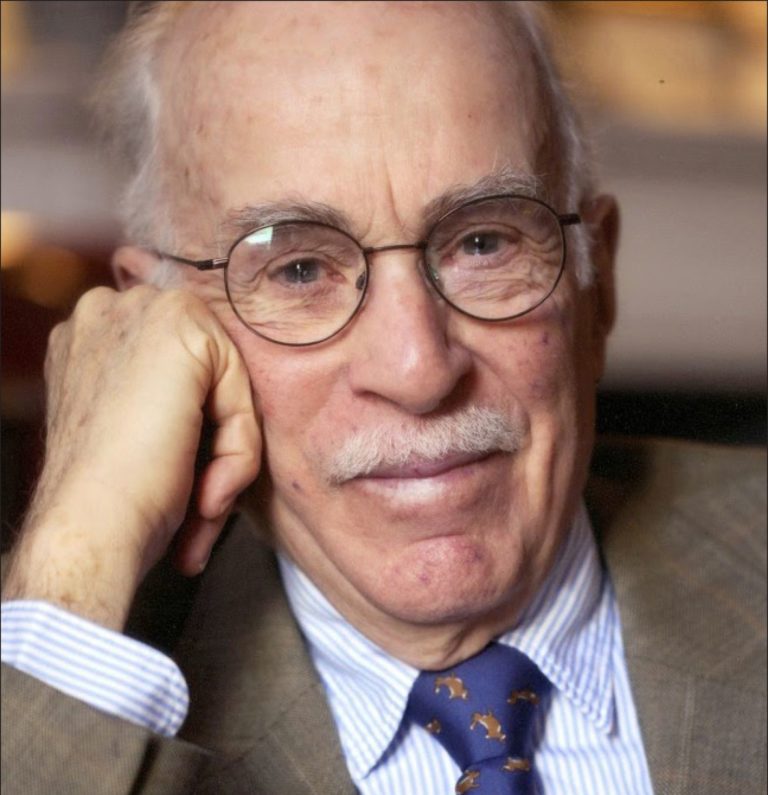
List of Roger Angell’s Books
A Day in the Life of Roger Angell
Five Seasons: A Baseball Companion
Game Time
Late Innings
Let Me Finish
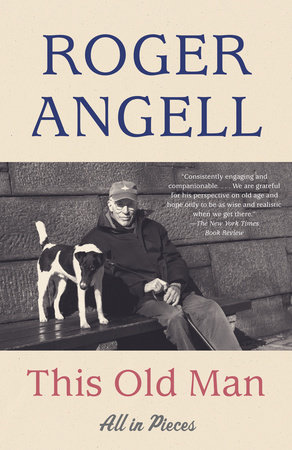
This Old Man: All in Pieces
Once More Around the Park: A Baseball Reader
A Pitcher’s Story: Innings with David Cone
Season Ticket
Selected Shorts: Baseball, a Celebration of the Short Story
The Summer Game
Roger Angell Day – Celebrating Roger Angell – a 100th birthday celebration was held at the Friend Memorial Public Library in Brooklin, Maine, August 8, 2020 Photo by Bill Ray
Podcast: Play in new window | Download
Blackwood: A Novel by Michael Farris Smith
August 14, 2020 by David
Filed under Fiction, WritersCast
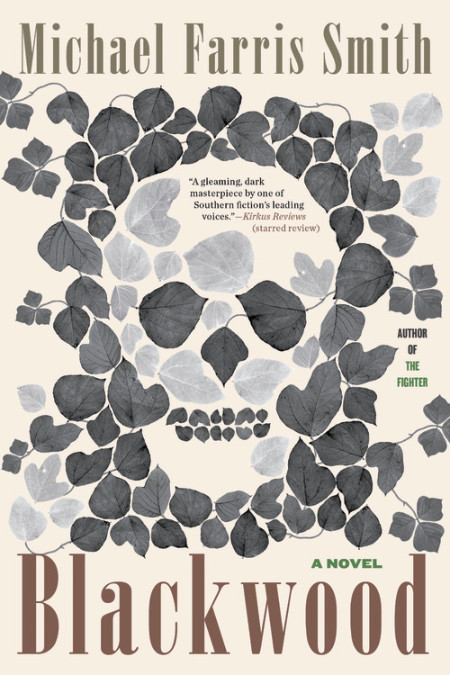 Blackwood: A Novel – Michael Farris Smith – 9780316529815 – Little Brown – Hardcover – 256 pages – March 3, 2020 – $27.00 – ebook versions for sale at lower prices
This is pretty much a stunningly written book. I discovered the writing of Michael Farris Smith serendipitously through the southern culture magazine, Garden & Gun. I read a short piece they published called “How a Steadfast Pup Helped an Author Find His Voice,” which is just a fantastic work of personal memoir. That one essay prompted me to learn about Smith and to get a copy of his latest book. Yes, this is how literary discovery works today. There are so many good writers in the world, and we are blessed with a plethora of books to read. But at the same time, how do we find out about them? I had not heard of Michael Farris Smith before. Blackwood is his fifth book, and his work has been well reviewed and praised by writers whose opinions I respect. I was surprised I had never run across his work before, and pleased I did.
I started reading Blackwood without knowing very much about this writer or his past work, or the kinds of stories he tells. There is no doubt that Blackwood can be pretty dark at times – funnily, it reminded me of the great Netflix series, Stranger Things – though much more powerful in the way that only fiction can convey mystery. It can be scary at times, and there are characters in this book who are just terrible, dangerous figures. I don’t think you have to be a southerner or to have lived in the south at all to appreciate this book, or the kinds of people who inhabit the fictional Red Bluff, Mississippi, but it helps, I am sure, as the landscape and the mysteries Smith explores are very much “of the South” and the pain and suffering that resides in its countryside. That suffering is an integral element of the history of the people and the land that is palpable in this novel. The collection of characters is interestingly diverse, combining a bit of Faulkner with a touch of Stephen King, it seems.
I tend to think of this book as a novel of magical realism that taps into a mysterious darkness that inhabits the land itself. It is chthonic – almost literally. There is a part of this novel that is mythic, subliminal, deeply psychic in a wounded way, and the people who live in this strange place have become part of the mystery and part of the land as well. I wondered at times if Smith is telling a story that even he may not fully understand, almost like a Druid priest channeling voices from another reality. The book is very powerful, and that power makes it difficult sometimes to get your bearings, as a reader, you can feel outside the realm of your own experience enough that you must allow Smith’s language to transport you to this other place, and dream alongside and almost within the author’s psyche.
Some of the words used by reviewers come to mind – “brutal,” “supernatural,” “startling,”. All are accurate. I felt the pain of this novel deeply. And yes, it is a southern novel, but that should not ever be considered a limitation. This is just a great novel that happens to be set in the south.
I am really pleased that I discovered Blackwood and the work of this compelling writer, Michael Farris Smith. I’d like to especially thank the magazine Garden & Gun for doing what they do so well — exploring and expounding on modern southern culture. And thanks to Michael Farris Smith for taking the risk to write this difficult book, and for talking to me about it. We had a great conversation together.
“Lurking over Blackwood is a family of itinerant grifters—a version of Faulkner’s Snopes clan, forces of chaos, human kudzu except for the youngest of them, a mysterious boy in whom Colburn sees his young self. As in the best noir, A soul-strangling inevitability hangs over Red Bluff, yet somehow Smith gives his doomed characters a dignity in the face of forces well beyond their control.” Booklist (starred review)
Michael Farris Smith website.
Buy the book at RJ Julia Booksellers.

Podcast: Play in new window | Download
Fenton Johnson – At the Center of All Beauty: Solitude and the Creative Life
June 14, 2020 by David
Filed under Non-Fiction, WritersCast
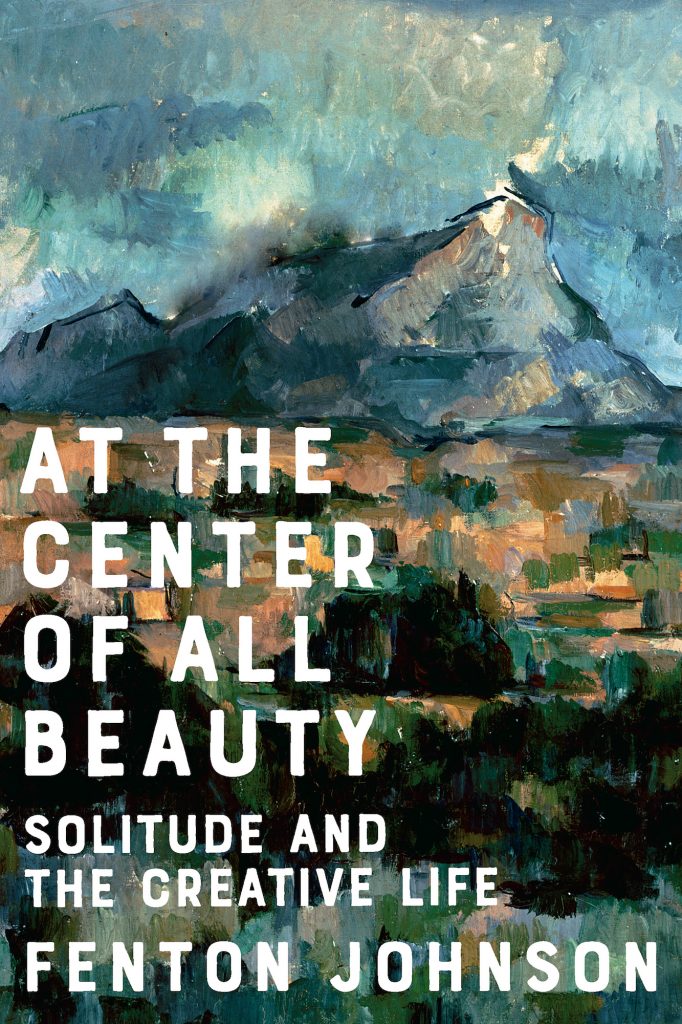 At the Center of All Beauty: Solitude and the Creative Life – Fenton Johnson- 9780393608298 – W.W. Norton – Hardcover – 256 pages – March 10, 2020 – $26.95 – ebook versions available at lower prices
So much of the pleasure of conducting this podcast for all these years has been (and continues to be) the discovery of new writers and books, that so deeply nurture my inner being. Discovering Fenton Johnson’s writing during the pandemic, where I have been spending most of my time alone or with just my immediate family, has been both apt and especially rewarding. I want to thank my cousin, Fred Hertz, for introducing me to Fenton and his work. I am especially interested in this book, as it is about the inner lives if writers, artists and musicians, their thought processes and creative lives, Fenton Johnson’s perspective on creativity and the artistic journey should resonate with us now more than ever.
Fenton is an outstanding writer, whose prose flows like a slow moving brook through the woods. I am really surprised not to have known about his work before now. Now, having read this most recent very personal memoir, I am adding his other works of memoir, and his fiction to my long term reading list.
But back to this book. In At the Center of All Beauty, Fenton explores the lives and works of nearly a dozen writers, painters and singers, those he feels most close to in his own life and work. He calls them “solitaries,” and links them to members of his own family, friends he knew growing up, his life, his lovers, his loves. He rightly questions the dominant cultural narrative we all absorb that coupling is the highest and best way to live. Of course there is a long and celebrated tradition in the West of creatives who must separate themselves from others in order to be themselves, and this clearly is a crucial story for anyone involved in trying to create.
Fenton devotes chapters to Thoreau at Walden Pond, Emily Dickinson in Amherst, the great Bill Cunningham photographing in the streets, Cézanne repeatedly painting Mont Sainte-Victoire and Zora Neale Hurston, Nina Simone, and several other exemplars of the creative solitary life. Each of these stories relate back to Fenton’s own journey, first growing up in Kentucky near the famous Gethsemane monastery (best known as home to Thomas Merton,) his father and mother, also both solitary souls despite their family lives, and then later living in San Francisco in the time of AIDS, to now, where in late middle age, he finds himself solitary and at peace with all that it means to be both alone and completely connected to the world around him.
This book is full of wisdom, of beauty, and of language that helps us go beyond our daily perceptions into our own stories of self and meaning. You can read this book as a narrative or perhaps as well, use it as an inspirational spur to personal meditation on self and beauty.
It was truly a pleasure to read At the Center of All Beauty and also to have the opportunity to speak with Fenton about this book. To illustrate life during Covid-19, while we happened to both be in Tucson, Arizona this spring, Fenton delivered the book to me, both of us wearing masks, in the local post office parking lot, and we conducted the interview via Skype, despite being less than two miles apart from each other on the day we talked.
Aside from At the Center of All Beauty: Solitude and the Creative Life, Fenton Johnson is the author of three novels: The Man Who Loved Birds, Scissors, Paper, Rock, and Crossing the River, each of which have been reissued in new editions. He has also published two previous memoirs, Geography of the Heart: A Memoir and Keeping Faith: A Skeptic’s Journey among Christian and Buddhist Monks and an essay collection Everywhere Home: A Life in Essays.
Geography of the Heart received the American Library Association and Lambda Literary Awards for best LGBT Creative Nonfiction, and Keeping Faith received a Lambda Literary and Kentucky Literary Award in Creative Nonfiction. He was recently featured on NPR’s Fresh Air and writes for Harper’s Magazine.
Fenton is professor emeritus at the University of Arizona and teaches creative writing workshops nationally. He is on the faculty of the low-residency creative writing program of Spalding University.
Support local booksellers! Buy At the Center of All Beauty from independent bookseller RJ Julia.

Podcast: Play in new window | Download
David J. Silverman: This Land is Their Land: The Wampanoag Indians, Plymouth Colony, and the Troubled History of Thanksgiving
March 11, 2020 by David
Filed under Non-Fiction, WritersCast
 This Land is Their Land: The Wampanoag Indians, Plymouth Colony, and the Troubled History of Thanksgiving – David J. Silverman – Bloomsbury – Hardcover – 9781632869241- 528 pages – $32.00 – November 5, 2019 – ebook versions available at lower prices
There have been a number of books I have read recently (and another I am reading now) that both challenge and retell the founding myths that power America’s beliefs about itself. In particular, I find books like David Silverman’s extraordinary work of historical storytelling, grounded in deep research and a new perspective so powerful, because they make us question and rethink stories and beliefs about ourselves we have come to take for granted.
Every culture tells its creation myths, establishing core values through historical story telling, that help shape the shared belief systems of the people who make up that culture. American creation myths tell stories that train our citizens to believe in the essential rightness of European settlement of the “virgin” territory now known as the United States to overlook not only the invasion and displacement of indigenous peoples, but to justify the way those peoples have been cast and treated subsequently by the dominant culture.
One of the most powerful of all historical American myths is that of the Pilgrims’ arrival in what is now called Plymouth, Massachusetts. The people who then lived along the eastern coast of America were primarily the loosely confederated Wampanoags, a tribal group that controlled most of what is now coastal Massachusetts and Rhode Island.
That creation story suggests that the Pilgrims were the first white people the Wampanoags met, and greeted them with open arms and friendship. In fact, by the time the Pilgrims landed on their shores, the Wampanoags had over 100 years’ experience with Europeans, including fishermen and explorers, and they had just gone through a horrendous five year period wracked by European diseases against which they had no anti-bodies, and their population and culture had been devastated. The Wampanoags, led by their sachem, Ousamequin (Massasoit), greeted this new group of visitors with a deep knowledge and understanding of who these newcomers were and what they might want. And they also had an extremely clear idea of how the Europeans could be positioned to help the Wampanoags in their ongoing territorial struggles with neighboring Massachusetts peoples, and other more distant tribes who frequently attacked them. Europeans came with guns and tools they would reasonably expect to trade with indigenous people in return for food and furs.
In March 1621, Ousamequin and the Plymouth colony’s governor, John Carver, agreed on their friendship and made an active commitment to mutual defense. That fall, the English, with the help of the Wampanoag, made their first successful harvest in their “New World.” When Ousamequin and some of his tribe visited Plymouth, they also helped create the “First Thanksgiving.” And the treaty made between the Wampanoags and the English remained functional, despite much friction and miscommunication between the two cultures, for more than fifty years, until King Philip’s War in 1675, when peace ended, and Wampanoags lost most of their power and land.
The relationship between Wampanoags and Europeans, then Americans, did not end, however, in the seventeenth century. The Wampanoags survived and have retained their culture against tremendous odds. In this book, historian David J. Silverman illuminates this long, fraught, and difficult relationship, even to modern times, from the perspective of the indigenous people, providing us with a powerfully different view of our history than we typically experience.
The story of the Wampanoags, who were among the earliest tribes in conflict with the European invaders, is one that was repeated many times across hundreds of years, with other tribes elsewhere across the North American continent. What the Wampanoags experienced through the last several centuries is a story that can help us all understand a truer picture of our country’s history, one we should all aim to better comprehend. And with a different perspective about our past, perhaps we will be able to create a better present for us all.
“David Silverman has crafted a gripping Native-centered narrative of the English invasion of New England. Finally, there is a book that vividly contextualizes the fabled first Thanksgiving, placing Native diplomacy and actions at the very center of the story, along with the warfare, dispossession, and struggle for sovereignty that was very much part of the longer aftermath of first contact. It is a story that continues into the present and a must read for every American.” – Linford Fisher, author of THE INDIAN GREAT AWAKENING
David J. Silverman is a professor at George Washington University, where he specializes in Native American, Colonial American, and American racial history. He is the author of Thundersticks, Red Brethren, Ninigret, and Faith and Boundaries. His essays have won major awards from the Omohundro Institute of Early American History and Culture and the New York Academy of History.
It was my great pleasure to speak with David Silverman about This Land is Their Land.
You can buy the book from RJ Julia Booksellers in Madison, Connecticut – they will deliver! Click here to purchase.
Podcast: Play in new window | Download
Fuchsia Dunlop: The Food of Sichuan
February 12, 2020 by David
Filed under Non-Fiction, WritersCast
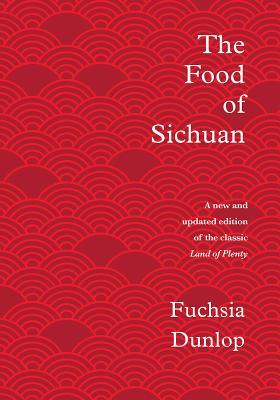 The Food of Sichuan (A New and Updated edition of Land of Plenty)- Fuchsia Dunlop – Hardcover – 978-1-324-00483-7 – 480 pages – W.W. Norton – October 15, 2019 – $40.00 – ebook versions available at lower prices.
I love cooking and I particularly love cooking Chinese cuisine, and among Chinese cuisines, my favorite has always been Sichuanese. I am by no means an expert chef, but as an educated and somewhat experienced eater and cook, books like The Food of Sichuan are wonderful for me to read and learn from. Now having spent some time with the recipes, I can attest that this is a spectacular book for anyone interested in becoming a better cook of any form of Chinese cuisine.
Fuchsia’s writing about traditional Sichuan cookery is illuminating, and her knowledge and awareness the issues facing western cooks make this book a pleasure to work with. And it is a beautifully produced book – so much so that I have had to be extremely careful as I cooked from it, as I did not want to splash soy sauce or hoisin on any of the pages of the book.
Nearly twenty years ago, Fuchsia’s first book, Land of Plenty, was viewed by many to be one of the greatest cookbooks of all time. In this new book, Dunlop returns to the region where her own culinary journey began, adding more than 70 new recipes to the original selection and adding new writing as well.
The Food of Sichuan offers home cooks the tools needed to make a broad range of Sichuan dishes, ranging from the simple to the complex. The book includes beautifully reproduced food and travel photography, as well as Dunlop’s extensive writing about the culinary and cultural history of Sichuan, home of one of the great cuisines of the world.
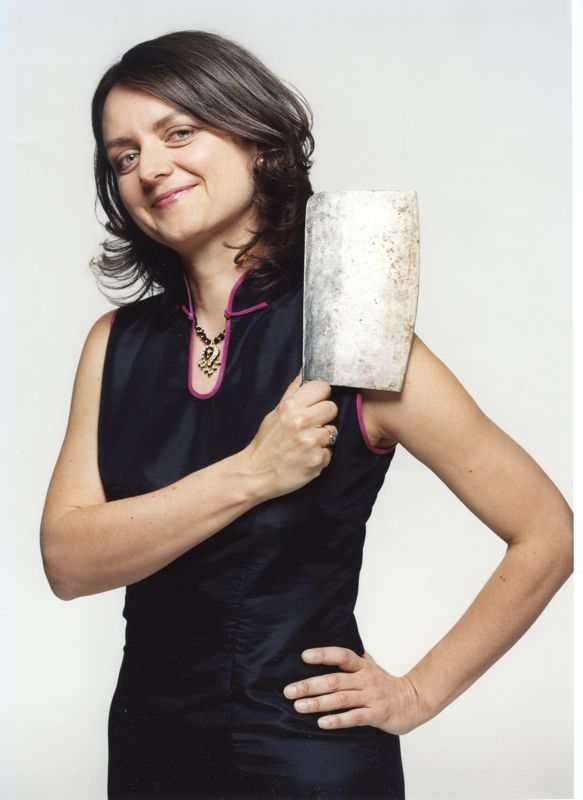
Fuchsia Dunlop is a cook and food-writer specializing in Chinese cuisine. She is the author of the award-winning Land of Fish and Rice: Recipes from the Culinary Heart of China (a collection of recipes from the Jiangnan or Lower Yangtze Region in eastern China), Every Grain of Rice: Simple Chinese Home Cooking; Shark’s Fin and Sichuan Pepper: A Sweet-Sour Memoir of Eating in China, an account of her adventures in exploring Chinese food culture; and two other now well-known books of Chinese cooking, Revolutionary Chinese Cookbook, and of course, the aforementioned Land of Plenty.
Fuchsia’s writing has appeared in many publications including Lucky Peach, Saveur, The New Yorker, and Gourmet. In the US, she has won four James Beard awards and was named ‘Food Journalist of the Year’ by the British Guild of Food Writers (GFW) in 2006. Shark’s Fin and Sichuan Pepper won the IACP Jane Grigson Award in the US, and the GFW Kate Whiteman Award for Food and Travel in the UK. Most recently, Land of Fish and Rice won the 2017 Andre Simon Food Book of the Year award.
She is a restaurant consultant in London, and has also consulted and taught Chinese cookery for companies including Williams Sonoma and Marks and Spencer. Dunlop has spoken and cooked at conferences and events in China, Barcelona, California, New York, Sydney and Singapore, and as part of the Transart festival in Bolzano, Italy.
Fuchsia Dunlop grew up in Oxford, England, and studied at Magdalene College, Cambridge University, Sichuan University, and the School of Oriental and African Studies in London. She speaks, reads and writes Chinese.
‘The best writer in the West… on Chinese food’ — Sunday Telegraph
‘Fuchsia Dunlop joins the ranks of literary food writers such as Elizabeth David and Claudia Roden.’ — Independent
‘A world authority on Chinese cooking… Her approach is a happy mixture of scholarly and gluttonous.’ — Observer Food Monthly
Support independent bookselling – purchase The Food of Sichuan from RJ Julia Booksellers in Madison, Connecticut, they will send the book to you promptly.
Visit the author’s excellent and comprehensive website here.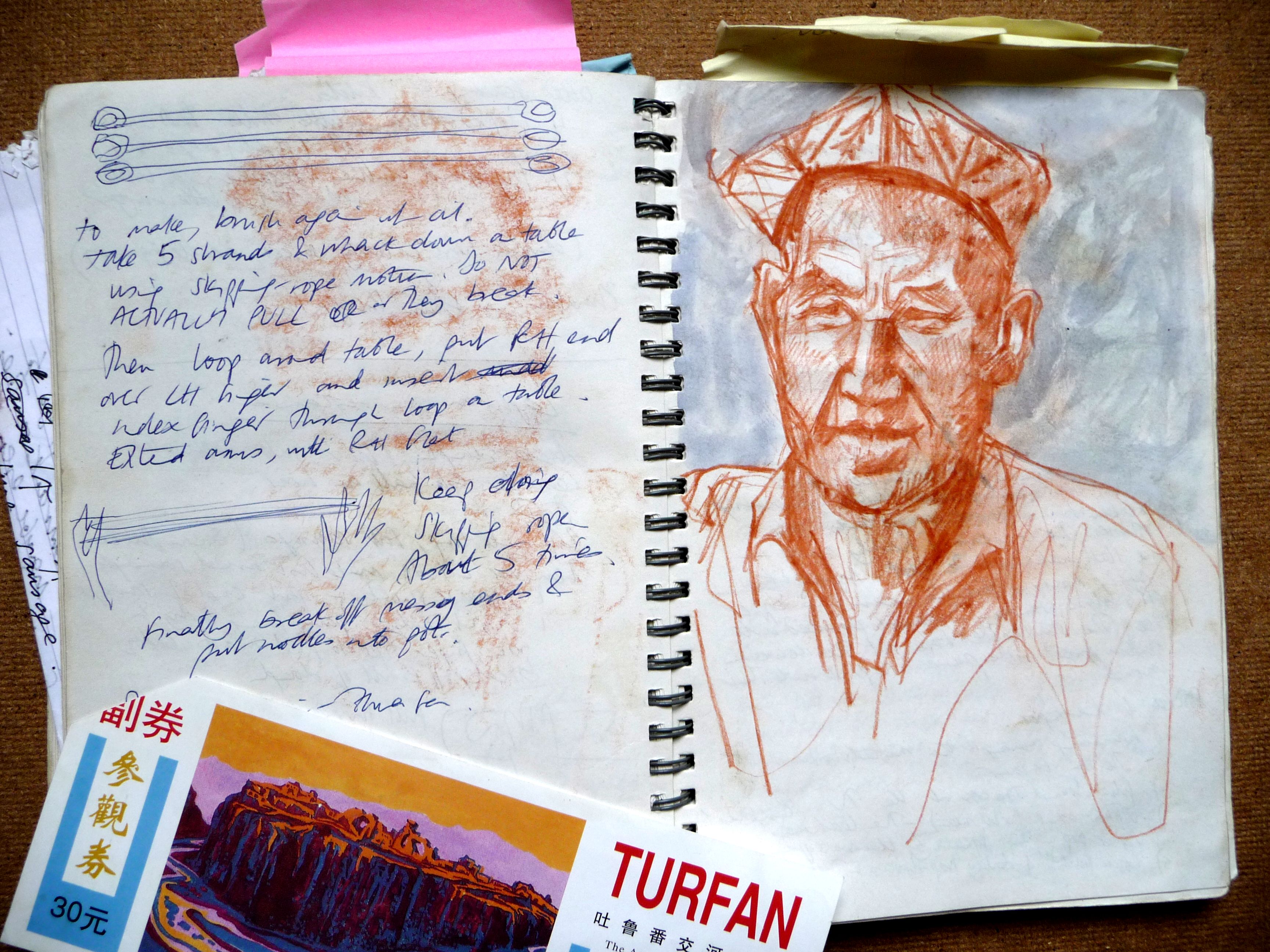
Podcast: Play in new window | Download
Gregory McNamee: Tortillas, Tiswin & T-Bones: A Food History of the Southwest
September 23, 2018 by David
Filed under Non-Fiction, WritersCast
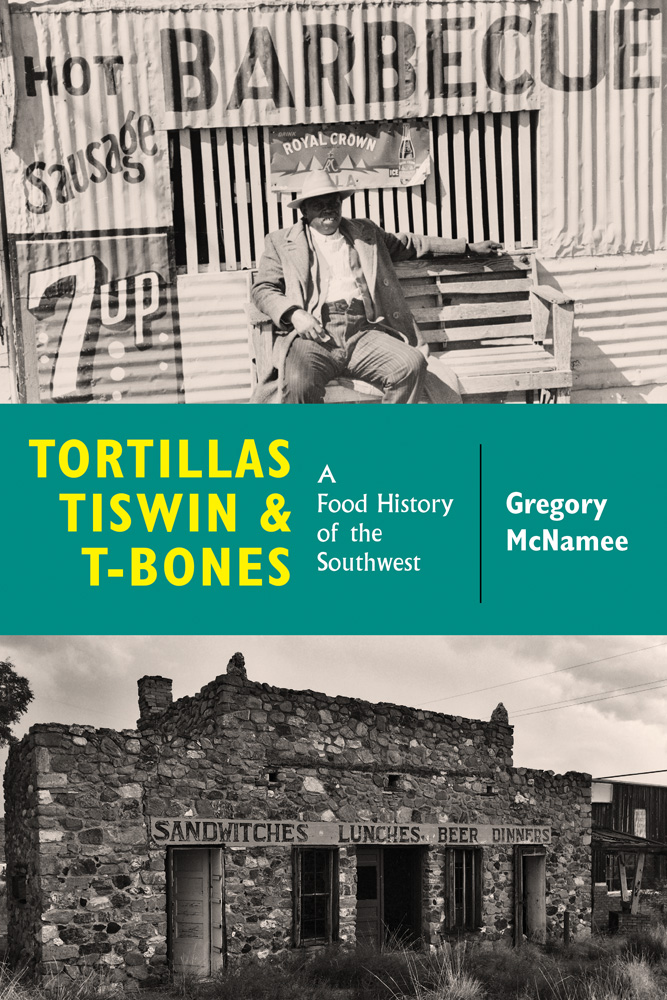 Tortillas, Tiswin & T-Bones: A Food History of the Southwest – Gregory McNamee – University of New Mexico Press – 256 pages – paperback – 9780826359049 – $24.95 – October 30, 2017 – ebook versions available.
According to the publisher, this book is an “entertaining history [of] the many ethnic and cultural traditions that have contributed to the food of the Southwest.” And while I do agree that the book’s style makes it a relatively compelling and easy book to read, I think its author, Greg McNamee, is trying to do much more than entertain. McNamee uses food and cooking as a lens to understanding culture, yes, but also to pinpointing the issues that face us in America as we try to grapple with climate change, to live reasonably and sustainably on the earth, and to work together with our fellow humans. There is no heavy handedness to his approach, but he never lets us forget the driving themes of his work, and his perspective.
McNamee starts off by going back to the earliest periods when humans arrived in the Americas, and takes us through the beginning of agriculture in Mesoamerica, and the ancient trade networks that evolved to connect peoples of the coasts, plains, and mountains. From there, he takes us through the various areas that comprise the loosely labelled southwestern region of America, up through the present day’s fusion of cultures and foodways from so many different areas that defines this cuisine now.
Covering just about everything edible in human cultures in what we consider to be the southwest region (which he defines a bit more broadly than most), from chili pepper and agave, to modern day cuisines that include Frito pie and other cross cultural inventions, McNamee traces a culinary journey through varieties of space and time, to get us where we are today and significantly, what the southwest and its food and people might look like in our emerging future.
Tortillas, Tiswin & T-Bones is indeed, a masterful work of accessible anthropology that was recognized as one of the 2017 Southwest Books of the Year. Since I love the southwest and its food, reading this book was a great pleasure for me.
Greg McNamee is a writer, journalist, editor, photographer, and publisher. He is the author or editor of forty books and more than five thousand periodical contributions. He operates Sonora Wordworks, an editorial and publishing service, and is also the publisher of Polytropos Press.
McNamee is a research associate at the Southwest Center of the University of Arizona, and a lecturer in U of A’s Economics Department of the Eller College of Management. Additionally, he teaches courses and gives talks on writing, publishing, journalism, media and technology, as well as cultural and environmental issues. He lives in southern Arizona. Learn more about him and his work at his website.
It was a pleasure for me to get to speak with Greg, who is a great storyteller and conversationalist, and a I only wish we had been able to speak in person, and for a much longer period of time. And I was very pleased to learn how to pronounce “tiswin” too.
This book feels like sitting down to a dinner with Diana Kennedy and Jim Harrison, tequila in hand and great conversation going long into the night. It’s alive, a love story, a timeless journey. I absolutely loved reading it and will treasure Gregory McNamee’s words for a long time to come.
— Tracey Ryder, cofounder of Edible Communities and coauthor of Edible: A Celebration of Local Foods
Tortillas, Tiswin, and T-Bones sends the reader on a riveting adventure, tracking the origins of Southwestern ingredients and culture to reveal American history through food. McNamee’s prose is deft and authoritative, and this is a highly original, timely book.
—Kate Christensen, author of Blue Plate Special and How to Cook a Moose
Podcast: Play in new window | Download
Gordon Ball reading from ’66 Frames
August 28, 2018 by David
Filed under AuthorsVoices
 ’66 Frames – Gordon Ball – Coffee House Press – 9781566890823 – paperback – 320 pages – $15.95
Allen Ginsberg, who helped Ball with some of the research for his book, once remarked on Ball’s vantage point:
From city and country communes, underground and avant garde film and photography,
Gordon Ball has been marvelously placed as participant and observer of many
extraordinary art situations.
’66 Frames: A Memoir (Coffee House Press, l999, introduction by Jonas Mekas), is an account of one year in Ball’s life thirty-five years ago, working in avant garde film, immersed in New York’s counterculture. Its readers have responded with enthusiasm, as these comments suggest:
This book made me want to take acid and have sex with lots of people. It also made me want to stay up all night in the company of my genius friends in the mid-sixties in New York’s Lower East Side. It also made me grateful for not being twenty and living in a war-wracked, generation-torn, paranoid world. Gordon Ball writes with compassion and nostalgia about a unique and nearly indescribable epoch.
–Andrei Codrescu
’66 Frames is a beautifully written book which captures the spirit of those times better than any other book I know.
–Filmmaker Stan Brakhage
Gordon Ball’s own website includes a gallery of his photographs of Ginsberg and others.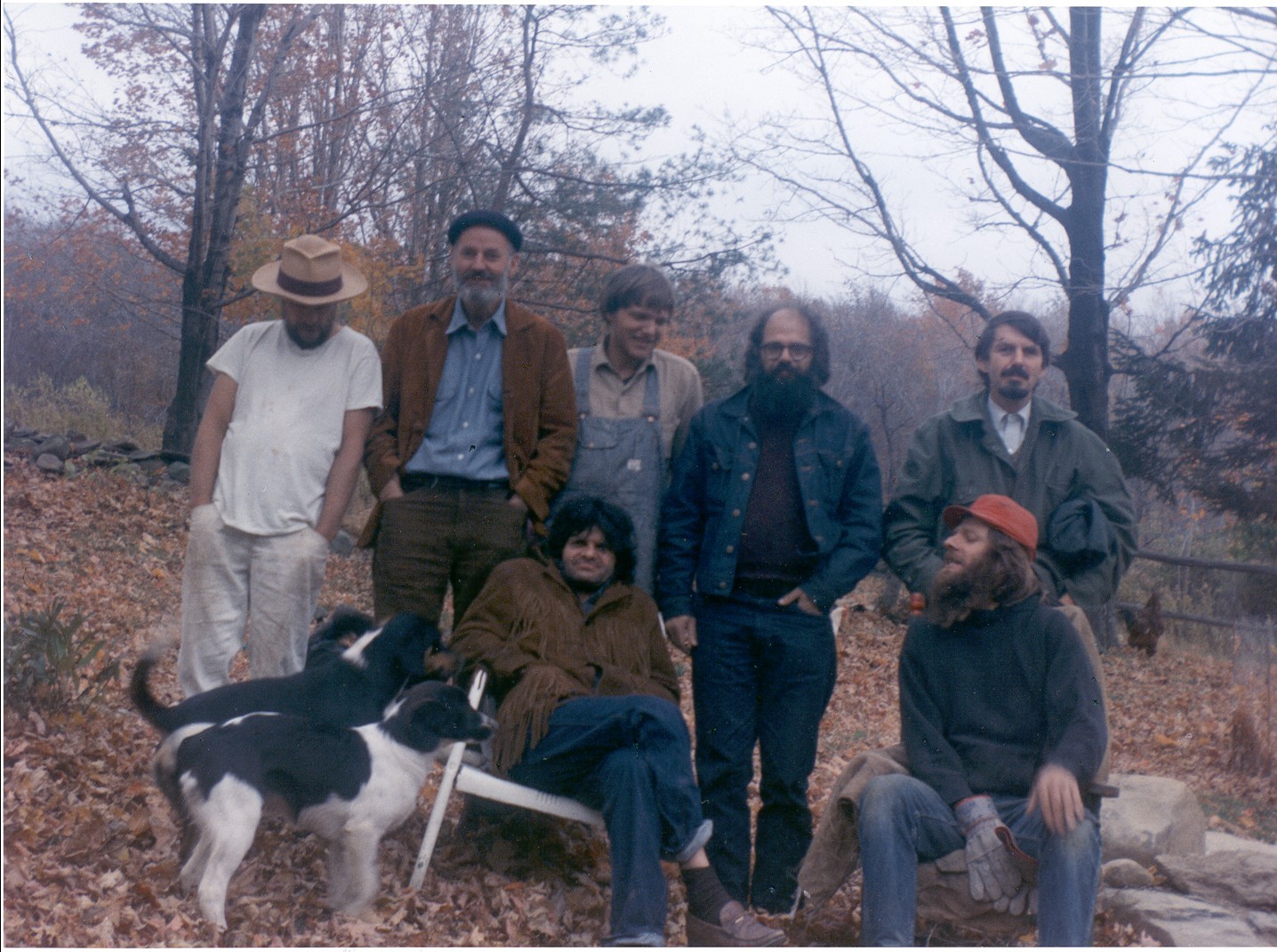
Podcast: Play in new window | Download
Steve Steinberg: Urban Shocker: Silent Hero of Baseball’s Golden Age
April 15, 2018 by David
Filed under Non-Fiction, WritersCast
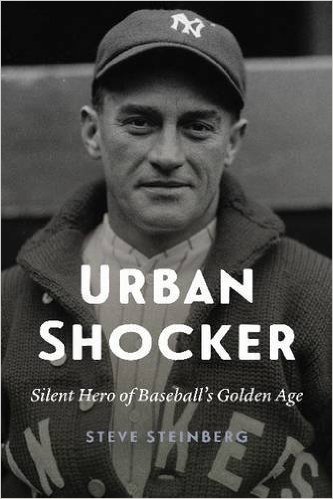 Urban Shocker: Silent Hero of Baseball’s Golden Age – Steve Steinberg – University of Nebraska Press – Hardcover – 9780803295995 – 352 pages – $32.95 – ebook versions available at lower prices – April 1, 2017
Even avid baseball fans may be forgiven for not knowing much about Urban Shocker, one of the best pitchers of major league baseball’s early modern era. It is no surprise that Shocker is not as famous as he could and should be. Shocker’s best years were spent in St. Louis, playing for the perennially mediocre Browns. And his time as a Yankee teammate of Babe Ruth was tragically cut short by ill health. Furthermore, he was a star player at a time when baseball was much more of a local sport – no television to memorialize his achievements – his face and skill as a pitcher is virtually invisible to us, now almost 100 years since his glory years.
Steve Steinberg is a talented baseball historian and writer. His work in uncovering the story of this undeservedly ignored pitcher is admirable. Baseball history can be a rich vein to mine, but it requires talented and dedicated individuals to do the incredibly time consuming work of research, and then to transform those details into a compelling narrative arc. Steinberg succeeds in both respects, and with this fine book, he brings Urban Shocker to life for contemporary readers.
Even if you are not a diehard baseball fan, Shocker’s life reveals a great deal about baseball and its players as part of the culture and daily life of America in the immediate post World War I (Roaring Twenties) era. Baseball players lived much more difficult lives than their modern descendants, it seems. And of course, the business of baseball was very different then – players were tied to their teams for life, and had very little control over their own destinies. While they were paid well compared to the average worker of the day, in relative terms, their paychecks were not usually life changing and most players had to work other jobs during the off seasons.
Little is known of Shocker’s early life, and he did not make it to the big leagues until he was in his early twenties. Like many players of the day, his path to success was not an easy one. And once he reached the majors, playing for the Yankees before their great success years, he was quickly traded away to the St. Louis Browns in 1918. It was not until 1925, after four straight seasons with at least twenty wins for the lowly Browns that Urban was finally traded back to the Yankees. He finally had the opportunity to play in the World Series with the 1926 Yankees.
In the almost mythological 1927 season, often considered to be among best in baseball history, Shocker pitched brilliantly to compile 18 wins against only 6 losses, this at a time when his skills were clearly in decline. Shocker was suffering from a then incurable heart disease that would kill him less than a year later. He kept his illness to himself, and managed to excel as a pitcher using his years of experience to substitute for physical dominance before he finally had to quit the game altogether, surprising the baseball world at the time.
Steinberg has given us a deftly written, detailed and sensitive portrait of a complicated man, whose brilliant baseball career was cut all too short. I enjoyed reading this compelling biography immensely – it brought me back to a period of baseball history I have long been interested in – and I had a great time speaking with author Steinberg about this book and his work in baseball history.
Steve Steinberg is known as a baseball historian of the early 20th century. He was fortunate to have sold a family business, allowing him to explore a new career as a baseball writer. He focuses his work on portraying long-forgotten players, bringing them to the attention of contemporary baseball fans and readers. He is the author or co-author of several books and many articles, including with Lyle Spatz, 1921: The Yankees, the Giants, and the Battle for Baseball Supremacy in New York. Steve’s web site is a wealth of baseball history. He lives in Seattle with his wife, Colleen.
Podcast: Play in new window | Download
Bill Schubart: Lila and Theron (A Novel)
December 13, 2017 by David
Filed under Fiction, WritersCast
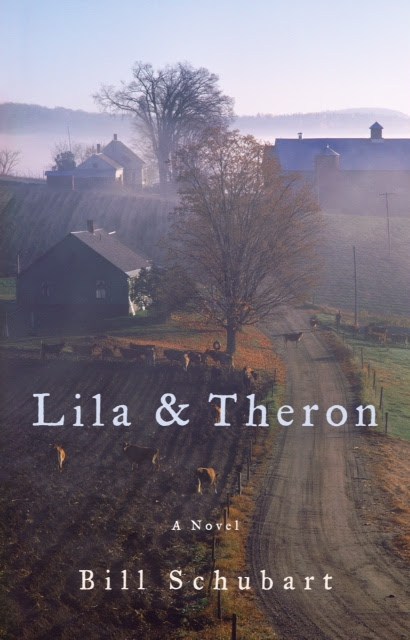 Lila and Theron (A Novel) – Bill Schubart – Charles Michael Publishing – Hardcover — 9781682613566 – 192 pages- $19.95 – ebook versions available at lower prices – June 6, 2017
This small book is short and sweet in a very good way. Through well written fiction, the book documents and celebrates an imagined place and people in time, that have only recently disappeared from the American landscape. It’s difficult for most of us moderns to imagine life without all the technological conveniences we have come to take for granted today. It was not that many years ago that the isolated mountain communities of northern Vermont were still home to small farmers, whose daily lives were closer in rhythm to the nineteenth century than to even the twentieth, much less the technologically advanced twenty first century of today. Some of these hardy folk still farmed with horses into the 1960s, and many small-scale daily and truck farming operations managed by dint of endless toil, to support the families on the land they had worked for generations.
To most of us, these lives will be as foreign as science fiction. Harsh circumstances often make people harsh, but Schubart’s characters find a way to access their humanity despite all the struggles of life which which they must cope. It’s a joy to get to know these characters and to share the stories of their lives. Schubart, now in his seventies, bridges this time frame. He grew up in northern Vermont, and while his life experience was vastly different from the farm people he writes about here, these are people he knew and loved during the his youth, and it benefits us all that he has brought them to life in this lovely novel.
Thelma dies at nineteen giving birth to a son, Theron. When the son first meets his father, he learns his mother’s death is his fault and can only muster the question, “How did she die?”
Looking away, the father mutters, “She died givin’ birth ta you. An’ I lost all her help and comforts.”
“I have long considered Bill Schubart to be the wisest columnist in America. That same wisdom, deep life experience, and empathy come shining through on every page of his new novel, Lila and Theron. Full of joy, sadness, humor, and insight, Lila and Theron is a clear-eyed celebration of our almost boundless capacity, despite all our human frailties, to love both one another and the place we call home. Over the years, I have known many true and good country people like Lila and Theron, whom I have been proud and honored to call my friends. This is a beautiful book.” – Howard Frank Mosher, author of Marie Blythe and Walking to Gatlinburg.
Bill Schubart has lived with his family in Vermont since 1947. He writes about Vermont in fiction, humor and opinion pieces, is the author of several books, is a regular commentator on Vermont Public Radio, and active in Vermont community and political life. Learn more about him and his work at his website.
It was a true pleasure for me to share a conversation about Vermont and its people, small-scale farming, and the art of fiction with my old friend, Bill Schubart.
Podcast: Play in new window | Download
Christopher Benfey: Red Brick, Black Mountain, White Clay
November 26, 2017 by David
Filed under Non-Fiction, WritersCast
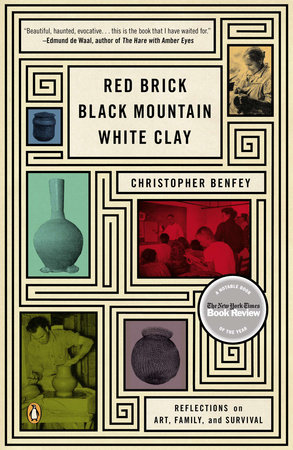 Red Brick, Black Mountain, White Clay: Reflections on Art, Family, and Survival – Christopher Benfey – Penguin – paperback – 9780143122852 – 304 pages – $16.00 – ebook versions available at lower prices – February 26, 2013
I found this lovely and compelling book by complete happenstance while visiting North Carolina earlier this year. The redoubtable Regulator Bookshop in Durham had a copy out on its “local interest” shelf, and the cover grabbed my attention immediately.
Not knowing anything about author Benfey, I was surprised and pleased to learn about his background through this complex and rewarding memoir. It’s a book that combines so many different areas of his interest – and mine – built around a complex interweaving of his family’s story and his desire to learn about and understand the people in his life story.
Benfey was raised in Richmond, Indiana, where his father was a chemistry professor at Earlham College. His father’s side of the family were German Jews who escaped Hitler, including aunt and uncle Josef and Anni Albers, who were both central figures at Black Mountain College, in North Carolina (and central also to modern arts and crafts in 20th century America). North Carolina is a nexus, as Benfey’s mother grew up in the longstanding folk pottery region of the state as well.
So Benfey’s story starts as a family history, but moves assuredly through art, geography, cultural history and his own personal journey of discovery as a writer and thinker; as the title itself suggests, “names the three paths, each mapping the experience of relatives or ancestors of mine trying — by art, by travel, or by sheer survival — to find a foothold in the American South.”
There are many well-told stories here, and North Carolina is at the core of it all. Even if you have never explored the cultural and geographical riches of that state, this book will capture your imagination and bring you there. Benfey builds his story much as a brick layer does, carefully assembling the pattern from materials at hand to create a fully formed story all the while.
This is a book I am happy to recommend to almost any reader.
Chris Benfey is a professor at My. Holyoke College, where he is Andrew W. Mellon Professor of English. He was educated at the Putney School, Earlham College, Guilford College, and Harvard (Ph.D. in Comparative Literature). Benfey is also a journalist, having served as the art critic for Slate, and also is a contributor to The New York Review of Books, The New York Times Book Review, and The New Republic, among many others. Chris is a renowned Emily Dickinson scholar, and author of four highly regarded books about the American Gilded Age. His edition of essays on the Iliad by Simone Weil and Rachel Bespaloff appeared as War and the Iliad in 2005.
Benfey’s poems have appeared in The New Yorker, the Paris Review, and Ploughshares.
This book is among my favorites and I hope you enjoy the conversation I had with the interesting and well-spoken Christopher Benfey as much as I did.
Podcast: Play in new window | Download