
David Wilk interviews Lindy Hough of North Atlantic Books and Io Magazine
May 9, 2016 by David
Filed under Ebooks and Digital Publishing, Publishing History, PublishingTalks, The Future
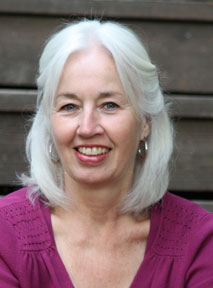 Publishing Talks began as a series of conversations with book industry professionals and others involved in media and technology about the future of publishing, books, and culture. As we continue to experience disruption and change in all media businesses, I’ve been talking with some of the people involved in our industry about how publishing might evolve as our culture is affected by technology and the larger context of civilization and economics.
I’ve now expanded the series to include conversations that go beyond the future of publishing. I’ve talked with editors and publishers who have been innovators and leaders in independent publishing in the past and into the present, and will continue to explore the ebb and flow of writing, books, and publishing in all sorts of forms and formats, as change continues to be the one constant we can count on.
It’s my hope that these conversations can help us understand the outlines of what is happening in publishing and writing, and how we might ourselves interact with and influence the future of publishing as it unfolds.
Over the past few years, I’ve talked to several independent publishers in an effort to document the extraordinary period of the past 40 years, which has been a kind of golden age of innovation and creativity as publishing has literally been redefined. The list of great publishers established during this time in almost every category of publishing is amazing.
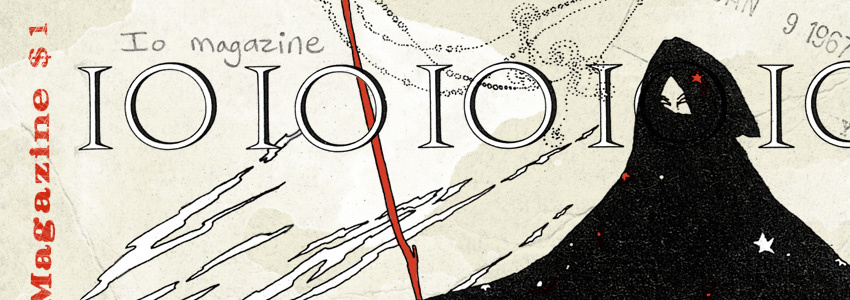
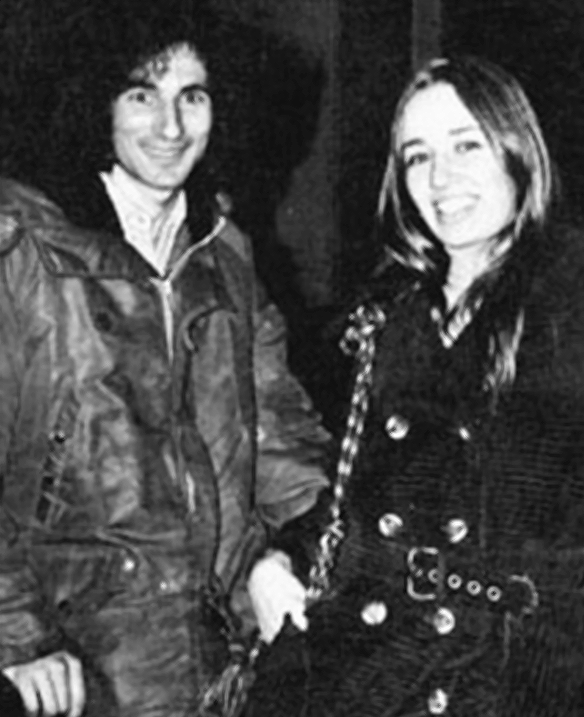
One of those presses that has had a special impact on my own work is North Atlantic Books, founded by Richard Grossinger and Lindy Hough as an outgrowth of their literary journal called Io, which they began together in 1965 when they were undergraduates at Amherst and Smith Colleges respectively. Richard and Lindy have been mentors, friends, and colleagues of mine for more than forty years, and their influence on my thinking about writing, ideas and books has been profound.
Since both Richard and Lindy are writers and editors with their own individual interests and styles, I thought it would make sense to interview each of them separately for this series of conversations. These two conversations can stand independently or together. They tell two versions of an amazing and almost mythologic story, which I hope listeners will find as compelling as it was for me when I spoke to them.
Io Magazine traveled with Lindy and Richard, moving to Michigan, Maine, Vermont and eventually California. Io is one of a number of influential literary magazines established in the sixties and seventies, publishing poets, film-makers and visual artists, many of whom were related to what has become known as the New American Poets, with influences ranging from Black Mountain College and the New York School to hermeticism and mystical spirituality. Io was singular in that it was most frequently a one-subject magazine, and this led eventually to the establishment of North Atlantic Books, which was incorporated in 1974 as a non-profit literary publisher in California.
North Atlantic Books has become one of the most successful and influential independent presses in America with a strong focus on spirituality and alternative health, while continuing its commitment to literary publishing.
Lindy graduated from Smith College and received an MFA in Creative Writing at Goddard College. She is the author of seven books of poetry, non-fiction, and fiction (including one book I published in 1978, the excellent Outlands & Inlands). She has taught literature and writing in Michigan, Maine, Vermont and California, and is currently finishing a novel.
This is the “official” description of North Atlantic Books, taken from its website:
North Atlantic Books is a nonprofit publisher committed to an eclectic exploration of the relationships between mind, body, spirit, and nature. Founded in 1974 by Richard Grossinger and Lindy Hough, NAB aims to nurture a holistic view of the arts, sciences, humanities, and healing. Over the decades, it has been at the forefront of publishing a diverse range of books in alternative medicine, ecology, and spirituality. NAB is the publishing program of the Society for the Study of Native Arts and Sciences, a 501(c)(3) nonprofit educational organization that promotes cross-cultural perspectives linking scientific, social, and artistic fields. With more than one thousand books in print, NAB has operated from Berkeley, California, since 1977.
Richard and Lindy are now retired from full time work with the press they founded, and each is now actively writing and editing books.
Our conversation was recorded in December, 2016. (55 minutes runtime)

Podcast: Play in new window | Download
Mary Volmer: Reliance, Illinois (a novel)
May 2, 2016 by David
Filed under Fiction, WritersCast
 9781616956721 – Soho Press – 368 page – Hardcover – $27.00 – ebook versions available at lower prices
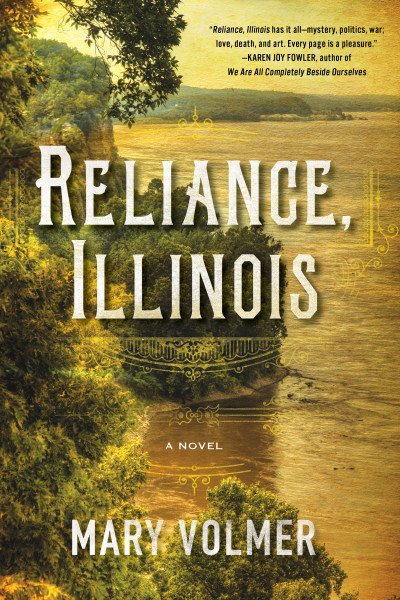
Mary Volmer’s novel, Reliance, Illinois is a beautifully written historical novel that takes place in midwestern America in 1874.
The story revolves around thirteen-year-old Madelyn Branch. She comes to the town of Reliance with her mother, Rebecca, who is being married through an in the Matrimonial Times, but there was no mention of a daughter to the suitor involved. So Madelyn’s entire life in Reliance is based on the fiction that she is Rebecca’s sister.
Madelyn is thoroughly unhappy in her new home, and is emotionally wounded by her mother’s deception, so she soon leaves her mother and her new family to work for Miss Rose Werner, the daughter of the town’s founder, a strong and independent figure who stands out in this small conservative town.
Miss Rose is not only an early suffragette, she is also the supplier of black market birth control devices to women in the town. Miss Rose sees Madelyn as someone she can help mold into her vision of a modern woman. But for the most part, Madelyn, whose face is strongly birth marked, simply wants to feel beautiful and loved. She pines for William Stark, a young photographer and haunted Civil War veteran.
As the story unfolds, and events in this small town become increasingly fraught, Madelyn learns secrets she could never have previously imagined, and becomes a woman who is ultimately in charge of her own destiny.
There’s a tremendous amount of historical research underpinning this wonderful story, great characters, and quite a bit that will resonate for modern readers (yes, there is an election in the town, which I found interesting to read about in our current election season).
I was very taken by this book, and am looking forward to reading more by this excellent writer. I hope my conversation with Mary Volmer will help listeners discover a new voice in American fiction.
I agree with this reviewer’s sentiments:
“Mary Volmer’s Reliance, Illinois grabbed me from the first page. Staggeringly beautiful prose, a poignant story, the whip smart heroine Maddy who I rooted for all the way. Volmer brings a universal theme of the reliance—all of us who search for it—to be found in ourselves. Do yourself a favor, clear your schedule and drink in Volmer’s radiant Reliance, Illinois.”
—Cara Black, New York Times bestselling author of Murder on the Quai
Mary Volmer’s first novel is Crown of Dust, which takes place during the Gold Rush in California. Her website is here.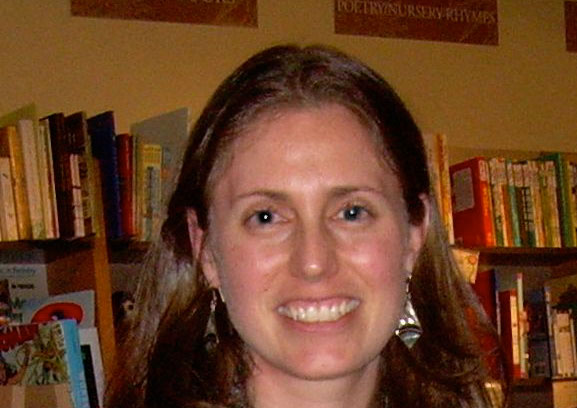
Podcast: Play in new window | Download
David Wilk interviews John Ingram of Ingram Content Group
April 18, 2016 by David
Filed under Ebooks and Digital Publishing, PublishingTalks, Technology, The Future
 Publishing Talks began as a series of conversations with book industry professionals and others involved in media and technology about the future of publishing, books, and culture. As we continue to experience disruption and change in all media businesses, I’ve been talking with some of the people involved in our industry about how publishing might evolve as our culture is affected by technology and the larger context of civilization and economics.
I’ve now expanded the series to include conversations that go beyond the future of publishing. I’ve talked with editors and publishers who have been innovators and leaders in independent publishing in the past and into the present, and will continue to explore the ebb and flow of writing, books, and publishing in all sorts of forms and formats, as change continues to be the one constant we can count on.
It’s my hope that these conversations can help us understand the outlines of what is happening in publishing and writing, and how we might ourselves interact with and influence the future of publishing as it unfolds.
This, my latest in this series of interviews with publishers and editors is a conversation with John Ingram, the chairman of Ingram Content Group Inc., which is now both the largest wholesaler in the book industry, and with its Lightning Source digital printing division, also the largest printer of print on demand books in the world. In addition, with the recent acquisition of Perseus Distribution, Publishers Group West, Legato and Consortium, Ingram is the largest distributor of independent publishers in all markets worldwide. Ingram also operates IngramSpark, which is now a major provider for self publishing authors.
Clearly Ingram is now pivotal to the book industry, as a key supplier of services, logistics and infrastructure to virtually every element and category within the business.
John Ingram deserves significant credit for recognizing the need for ongoing innovation and change in the book supply chain. Ingram Book Company and Lightning Source are both technology oriented operations, and with John’s leadership, the company has invested in a long list of important initiatives that have made major contributions to the growth and development of book publishing and distribution.
While many look at logistics and supply chains as boring necessities, I’d argue that they are very often the key elements of business success, and Ingram’s dedicated focus on invention, improvement and efficiency have been critical to keeping book publishing workable in a period of massive disruption.
John is a graduate of Princeton University, where he received his bachelor of arts degree in English in 1984. In 1986, he received his master of business administration degree from the Owen Graduate School of Management at Vanderbilt University.
John joined the family business, Ingram Industries Inc., in 1986, serving as the Assistant Treasurer and later as President of Tennessee Book Company (which became part of Ingram Content Group in 2009). He later served as President of Ingram Book Company, Vice President of Purchasing for Ingram Micro Europe, and Director of Purchasing for Ingram Micro Inc.
It is no small thing to foster innovation and experimentation inside a large company. It requires committed leadership and a willingness to both imagine a future and risk failures, learn from experiences both good and bad, constantly being aware of the broader picture of your industry and cultural trends, yet still maintaining focus on the core elements of your own business. None of this is easy.
I wanted to talk to John about some of the ways he and the Ingram companies have been able to manage change, and also to tap into his vision – how he sees the future of publishing and book distribution unfolding over the next few years. It is my pleasure to present this conversation with John Ingram for Publishing Talks, as part of my effort to document the key elements of a changing media environment as the book business moves into the future.

Podcast: Play in new window | Download
A.J. Hartley: Sekret Machines Book One: Chasing Shadows
April 4, 2016 by David
Filed under Fiction, WritersCast
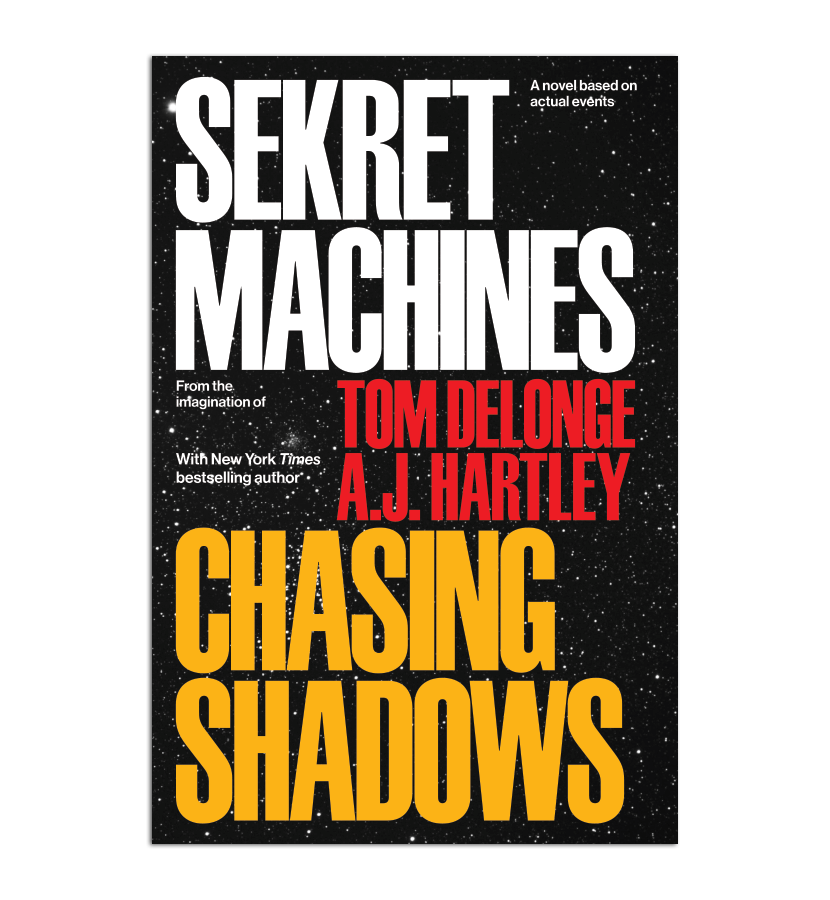 9781943272150 – To the Stars Media – Hardcover – 704 pages – $24.95 – ebook editions available at lower prices.
Recently, I’ve had the good fortune to be working with musician Tom DeLonge and the energetic staff of To the Stars Media, helping them develop their book publishing projects. To the Stars is an independent production and publishing company that creates trans-media projects, all done with a tremendous level of creativity and imagination.
To the Stars began its publishing program last year with the wildly successful young adult novel, Poet Anderson: Of Nightmares, co-written by DeLonge and best selling novelist Suzanne Young (The Program series).
The newest project from this team is a thriller called Sekret Machines Book One: Chasing Shadows, that reflects Tom DeLonge’s specific interests in UFO’s and secret government programs. Tom is best known as the former leader of Blink-182 and founder of Angels and Airwaves. He is also a serial entrepreneur, film maker and writer, who is an authority on UFO’s and government involvement with them (this Billboard article and interview with Tom is a must-read).
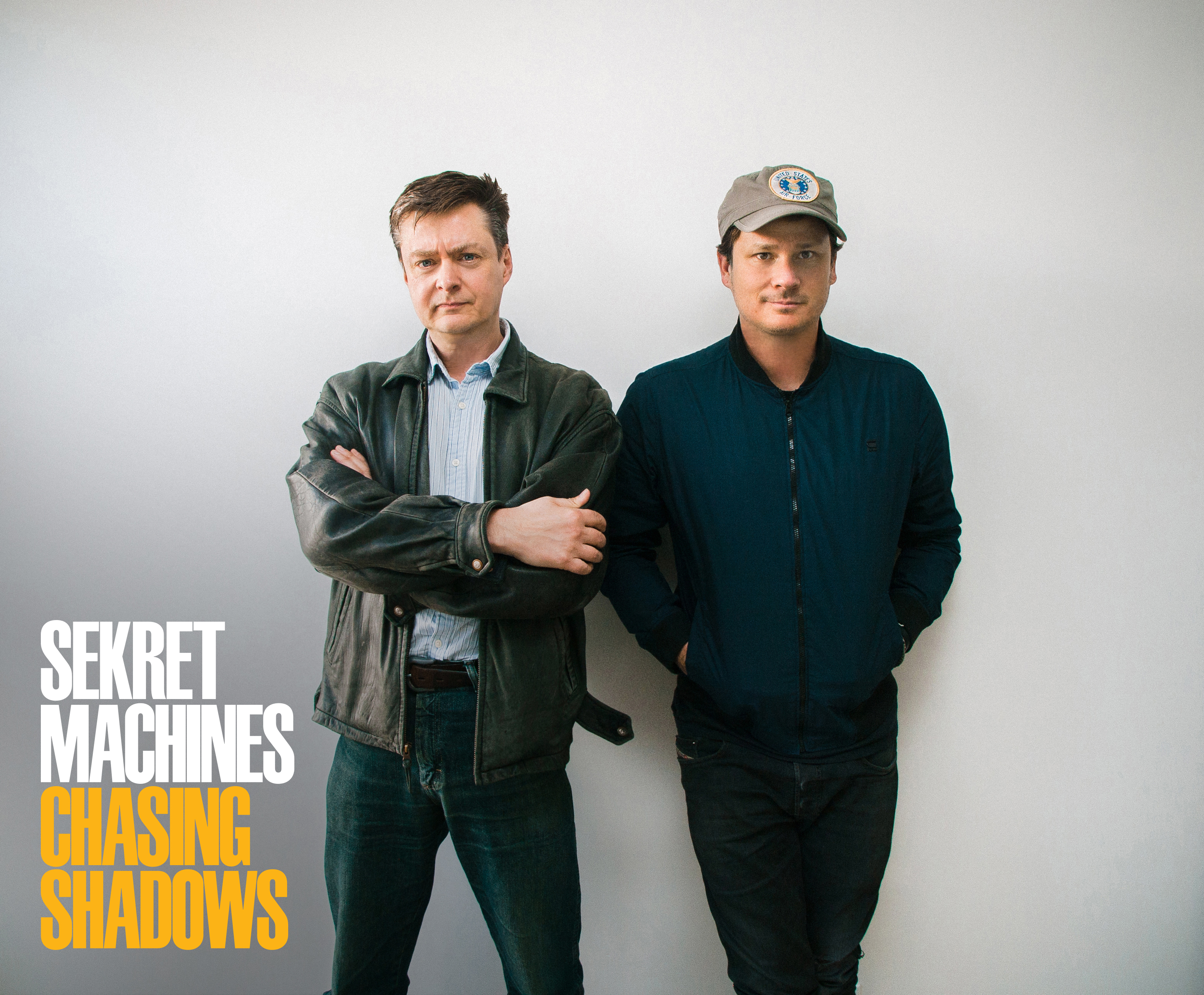
The Sekret Machines project includes some forthcoming nonfiction books as well as this series of novels that is a collaboration between DeLonge and best selling YA and sci fi novelist AJ Hartley. Between them, they have created a thrilling and complex weaving of four stories told from multiple perspectives.
Sekret Machines Book One: Chasing Shadows is fiction based on secrets drawn from the the mostly hidden realities of alien contact known to our military and intelligence communities. It’s an exciting and engrossing story, the first in a trilogy that promises excitement and action for anyone interested in great storytelling and compelling characters.
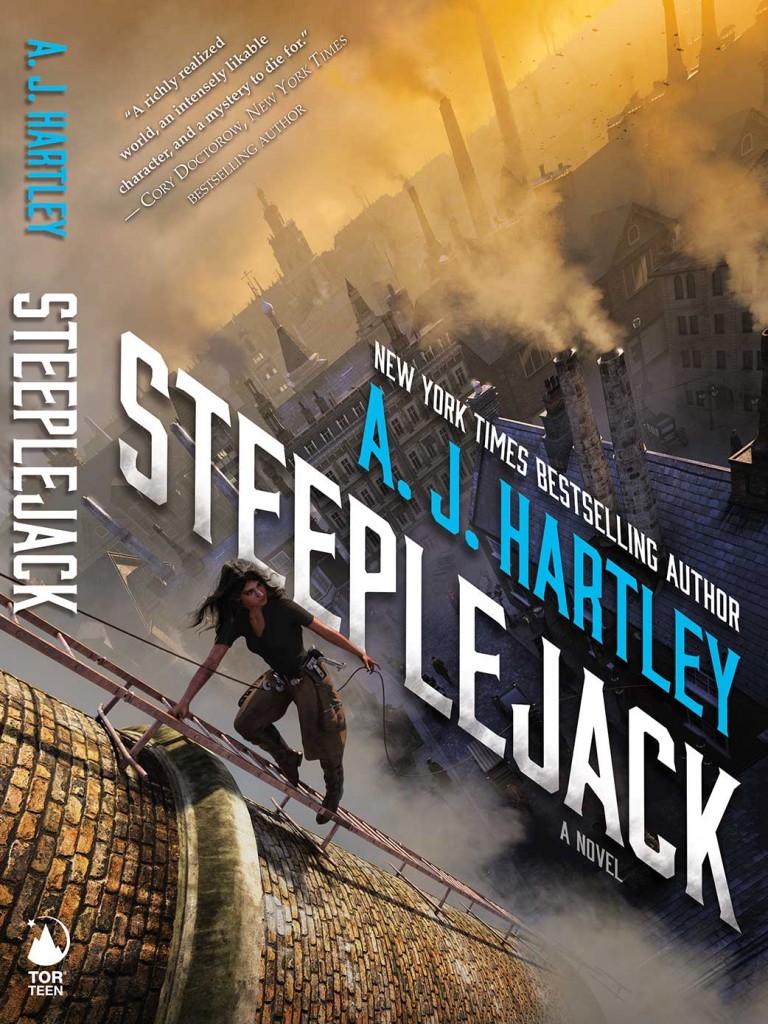
AJ Hartley is a prolific writer of fiction for all ages, as well as being an accomplished Shakespearean scholar and professor at the University of North Carolina-Charlotte. His novels for kids include the wonderful Darwen Arkwright series, among others, and the YA novel called Steeplejack is coming from Tor this spring.
I have now read several AJ Hartley books, and have concluded that he is one of the best new writers I have come across in a long time. His work is really remarkable, and the collaboration with the effervescent Tom DeLonge has resulted in a really terrific novel. I had the opportunity to speak with AJ about the writing of Sekret Machines and his collaboration with Tom while we were both visiting To the Stars in Encinitas, California in February, 2016. We had a great time talking about this very cool project.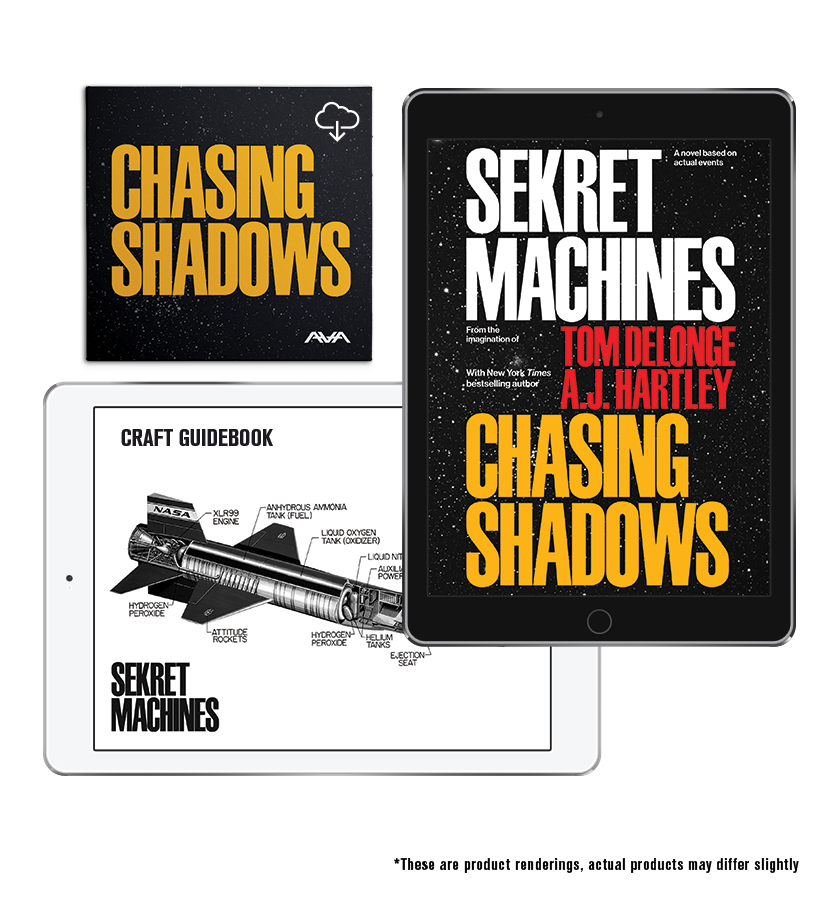
Podcast: Play in new window | Download
David Wilk interviews Robert Pennoyer about the Whiting Awards
March 30, 2016 by David
Filed under Publishing History, PublishingTalks
 Publishing Talks began as a series of conversations with book industry professionals and others involved in media and technology about the future of publishing, books, and culture. As we continue to experience disruption and change in all media businesses, I’ve been talking with some of the people involved in our industry about how publishing might evolve as our culture is affected by technology and the larger context of civilization and economics.
I’ve now expanded the series to include conversations that go beyond the future of publishing. I’ve talked with editors and publishers who have been innovators and leaders in independent publishing in the past and into the present, and will continue to explore the ebb and flow of writing, books, and publishing in all sorts of forms and formats, as change continues to be the one constant we can count on.
It’s my hope that these conversations can help us understand the outlines of what is happening in publishing and writing, and how we might ourselves interact with and influence the future of publishing as it unfolds.
It’s well known to all that literary writers more often than not struggle financially. This is especially true for writers early in their careers. According to most research, fewer than five per cent of writers who identify as “professional” are able to make their livings directly from writing.
Aside from the National Endowment for the Arts fellowships for writers, there are few programs that provide direct support to emerging and early career literary writers. That is why the Whiting Awards, given annually by The Whiting Foundation since 1985 have been so meaningful to literary culture, and of course, to the writers who have received this form of support.
The Whiting Foundation provides $50,000 to each of ten writers every year. Writers cannot apply for these awards–instead, Whiting accepts nominations from 100 individuals in the literary arts, and then an anonymous panel of six toils in secret throughout the year to read the work, and then argue over who should be selected based based on the criteria of early-career achievement and the promise of superior literary work to come.
Overall, more than $6.5 million has been awarded to 310 poets, fiction and nonfiction writers, and playwrights to date. This is an incredible program that has had a remarkable impact on American literature. Some of the now recognizable writers selected over the course of the last 30 years include David Foster Wallace, Colson Whitehead, Tracy K. Smith, Jeffrey Eugenides, Lydia Davis, Denis Johnson, Susan-Lori Parks, Mary Karr, Tony Kushner, Michael Cunningham, Alice McDermott, August Wilson, Jorie Graham, Mark Doty, Deborah Eisenberg, Ben Fountain, Justin Cronin, Tobias Wolff, Jonathan Franzen, Terrance Hayes, Ian Frazier, and John Jeremiah Sullivan, all of whom were “emerging” when their awards were given.
Every time I see a new list of Whiting Award winners, I feel compelled to explore their work, as I am sure I will find some whose writing will affect my imagination and attract me to continue to follow them in the future.
The recently announced 2016 winners are:
Brian Blanchfield, Nonfiction
Alice Sola Kim, Fiction
J. D. Daniels, Nonfiction
Catherine Lacey, Fiction
LaTasha N. Nevada Diggs, Poetry
Layli Long Soldier, Poetry
Madeleine George, Drama
Safiya Sinclair, Poetry
Mitchell S. Jackson, Fiction
Ocean Vuong, Poetry
So how did the Whiting Awards come about? The history of the Whiting Foundation is a fascinating story. I had the good fortune to publish the memoir of attorney Robert Pennoyer in 2015, As it Was, in which he recounts the story of the Whiting Foundation and its programs. Bob was one of the first trustees of the Whiting Foundation, as his firm had represented Flora Whiting, who was quite an amazing and brilliant woman.
As Bob writes, “In 1921, before IBM had even acquired its name, she had had the good fortune to sit next to Thomas J. Watson, Sr., at dinner. He told her, “My dear, I have a new company that’s going to be making things.” She invested in the stock when it was almost worthless and held on to it for almost fifty years. When she died, in 1970, she left $10 million to the foundation that she had established, with no restriction on how it should be used.”
At the outset, the foundation supported the humanities, but as its endowment continued to grow, it had to create some additional programs; Bob’s wife, Vicky was a poet, and she suggested that creative writers were in need of some meaningful support. The trustees agreed, and then hired Gerald Freund, who had worked with the MacArthur Foundation to establish their “genius” awards, to design a program to support emerging writers, and thus the Whiting Awards to Writers began.
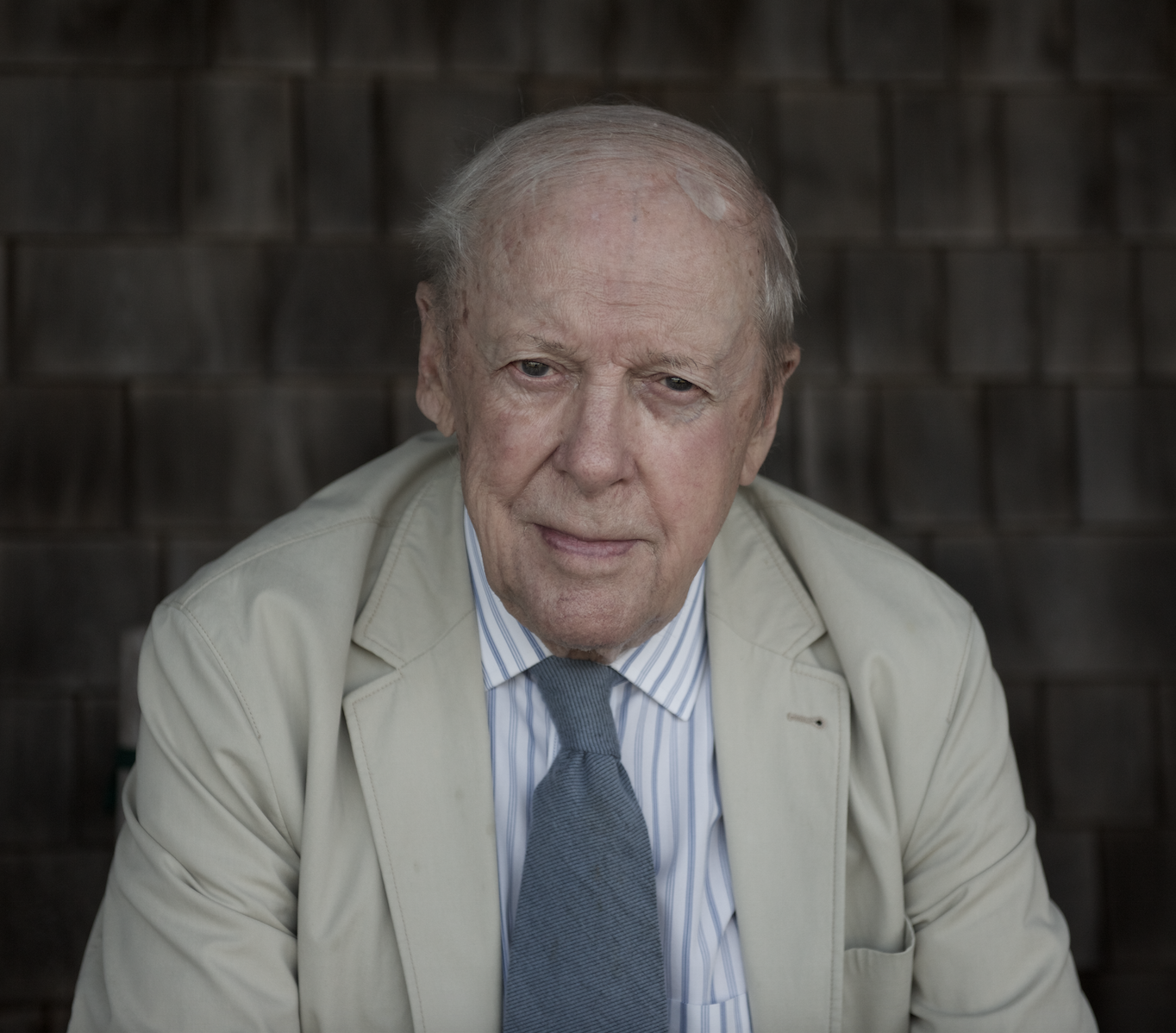
I am pleased to present here my conversation with Bob Pennoyer, recorded in his office in New York City, talking about the Whiting Awards. His first-hand accounts of the history he has lived are unmatched. In fact, Bob’s book is full of such fine storytelling. Bob has been an attorney with the Patterson, Belknap law firm in New York City since 1958. Before that he served as counsel in the Defense Department (where he has the pleasure of testifying in front of Senator Joe McCarthy) and was in the US Navy during World War II.
Bob Pennoyer was president of the board of trustees of the Whiting Foundation for many years. In the 1960’s, Bob was a founder and trustee of Exodus House, a halfway house for addict rehabilitation in East Harlem and he has served as a trustee of Union Theological Seminary, Carnegie Institution in Washington, Columbia University and is currently serving as trustee of the William C. Bullitt Foundation and trustee emeritus of the Metropolitan Museum of Art and the Morgan Library and Museum.
“…The spirit that flows through these pages may be modest, but it is also filled with an irrepressible optimism and a faith in simple values that are both uplifting and marvelously contagious. As It Was is a lesson in a life well lived, and a tonic for dark and troubled times.”
— Scott Horton
Podcast: Play in new window | Download
David Wilk talks with James Sherry of Segue Foundation
February 22, 2016 by David
Filed under Publishing History, PublishingTalks
 Publishing Talks began as a series of conversations with book industry professionals and others involved in media and technology about the future of publishing, books, and culture. As we continue to experience disruption and change in all media businesses, I’ve been talking with some of the people involved in our industry about how publishing might evolve as our culture is affected by technology and the larger context of civilization and economics.
I’ve now expanded the series to include conversations that go beyond the future of publishing. I’ve talked with editors and publishers who have been innovators and leaders in independent publishing in the past and into the present, and will continue to explore the ebb and flow of writing, books, and publishing in all sorts of forms and formats, as change continues to be the one constant we can count on.
It’s my hope that these conversations can help us understand the outlines of what is happening in publishing and writing, and how we might ourselves interact with and influence the future of publishing as it unfolds.
The latest in this series of interviews with important independent publishers and editors is my talk with yet another old friend, James Sherry, founder of both Roof Books and the Segue Foundation, in New York City. I have followed and admired his writing and publishing for more than three decades now.
Sherry is the author of 14 books of poetry and prose, most recently Oops! Environmental Poetics (2014). He is the publisher of Roof Books, a press he founded in 1979, and the Segue Foundation, a nonprofit chartered in 1977. He lives in New York City.
With Roof Books and Segue, James has been a significant force in the promotion of experimental and innovative writing, both as a publisher, with more than 150 titles now in print, and as a venue for live events and poetry readings. At one point, Segue was the distributor for some of the most significant literary journals and small presses, including, notably, L=A=N=G=U=A=G=E, edited by Charles Bernstein and Bruce Andrews.
For this interview, I had the opportunity to speak with James Sherry in New York City, where he and Segue are going strong – the Segue calendar of events demonstrates some of the best of contemporary innovative writing, and Roof Books also continues to produce significant publications that anyone interested in modern poetry should be following.
Podcast: Play in new window | Download
Joy Harjo: Crazy Brave – A Memoir
February 8, 2016 by David
Filed under Non-Fiction, Poetry, WritersCast
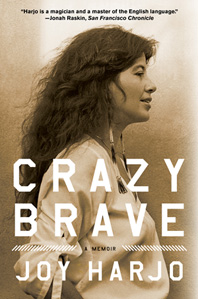 978-0-393-34543-8 – W.W. Norton – paperback – 176 pages – $14.95 (eBook versions available at lower prices)
Joy Harjo has been one of my poet heroes for a really long time. I have been reading her poems for so many years I have lost count. Her writing is inspiring, mystical, deeply human and politically explosive. The perfect word to describe Joy’s work is “unflinching,” which she is with herself and with her commitment to following poetry and spirit wherever it takes her.
Recently I read her very personal memoir of self becoming called Crazy Brave, and was stunned by the language, heart and soul of this book. This is the story of Joy Harjo’s becoming a person, unfolding into poetry, and discovering her true self.
The writing in this book is literally transcendent, as Harjo recounts the her earliest memories and family life.
Here are the basics: Joy Harjo was born in Tulsa, Oklahoma and is a member of the Mvskoke Nation. Her mother remarried a deeply abusive man, and Harjo was lucky to escape to an Indian arts boarding school and from there went on to get her BA from the University of New Mexico and eventually an MFA from the Iowa Writers’ Workshop.
Crazy Brave is about all of this, but it is really the telling of her path into poetry, the words that saved her, the voice that enabled her to become. It’s a beautiful, power-full, magical book I urge you to read as soon as possible. This is a book whose inner song will stay with you for a long time. Joy Harjo once said this about her own work: I feel strongly that I have a responsibility to all the sources that I am: to all past and future ancestors, to my home country, to all places that I touch down on and that are myself, to all voices, all women, all of my tribe, all people, all earth, and beyond that to all beginnings and endings. In a strange kind of sense [writing] frees me to believe in myself, to be able to speak, to have voice, because I have to; it is my survival.
It was a heartfelt pleasure for me to speak to Joy Harjo about this book and her work as a writer. If you’ve never read her poetry, you can find some of her work online, including reading her fine poem, She Had Some Horses.
And here, a poem I really love:
Perhaps the World Ends Here
“Perhaps the World Ends Here” from The Woman Who Fell From the Sky by Joy Harjo. Copyright © 1994 by Joy Harjo

Podcast: Play in new window | Download
Ursula Le Guin: Late in the Day (Poems 2010-2014)
January 16, 2016 by David
Filed under Fiction, Poetry, WritersCast
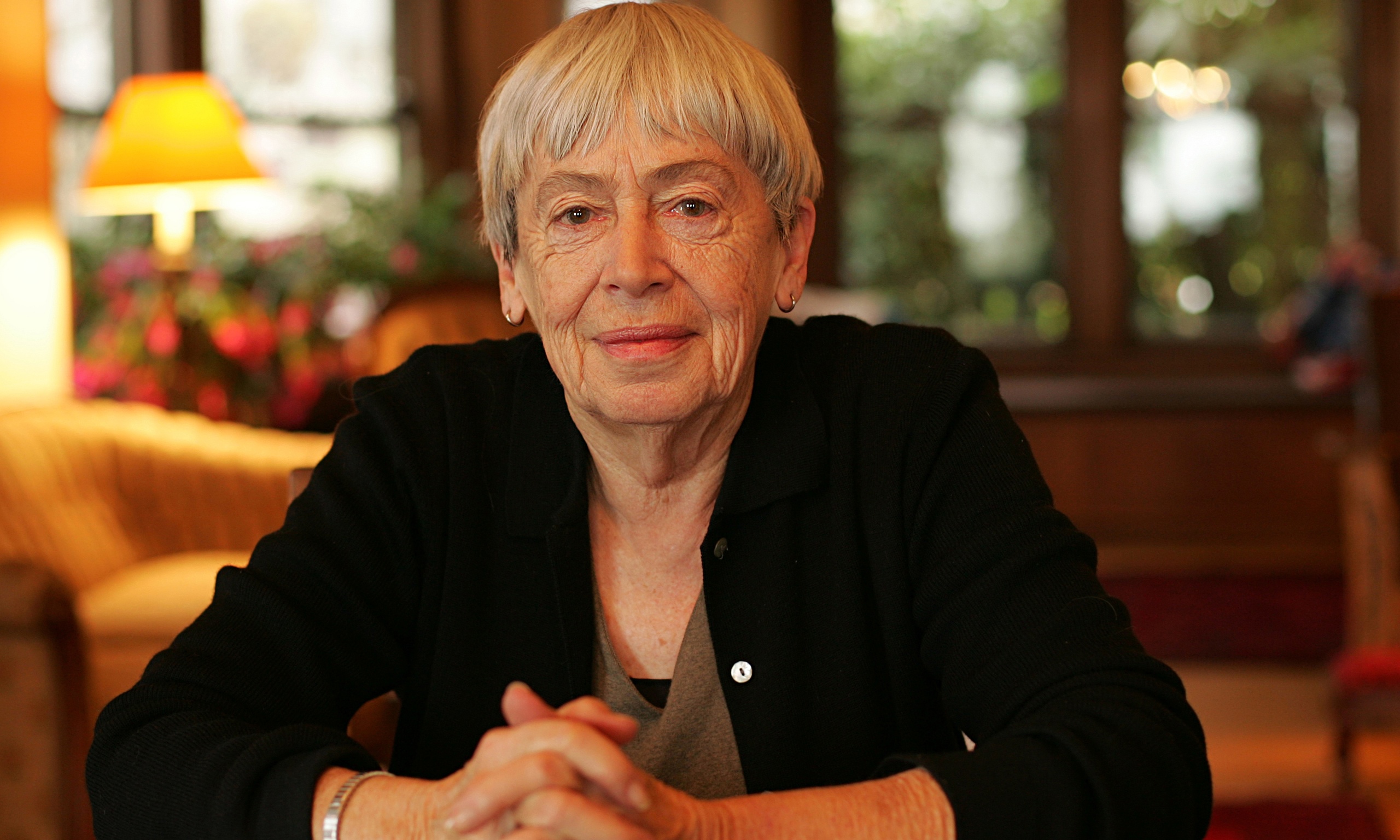
Ursula Le Guin has had a long and wonderful career as a writer. Her extraordinary work has influenced many other writers, particularly in science fiction, for which she is probably best known, but Ursula has also written extensively about the art and craft of writing, as well as children’s books, and books for young adults. She is also a poet of some note, with four poetry collections published. Altogether she has had published almost fifty books and more than a hundred short stories.
Ursula was born and raised in Berkeley, California, where her parents were the anthropologist Alfred Kroeber and the writer Theodora Kroeber, author of the very famous book, Ishi. She went to Radcliffe College and did graduate work at Columbia University. Ursula married Charles A. Le Guin, a historian, in 1953; they have lived in Portland, Oregon since 1958.
Le Guin’s best known fantasy works, the six Books of Earthsea, have sold millions of copies in America and England. Her first major work of science fiction was The Left Hand of Darkness, whose radical investigation of gender roles and literary complexity have made the book a classic and a must read work of literature. Among her books for children, the Catwings series has become extremely popular. She also published a translation of Lao Tzu’s Tao Te Ching, after forty years of working on it and practicing Taoist principles in her life.
Three of Le Guin’s books have been finalists for the American Book Award and the Pulitzer Prize, and among her honors are a National Book Award, five Hugo Awards, five Nebula Awards, SFWA’s Grand Master, the PEN/Malamud Award, and in 2014 she was awarded the National Book Foundation Medal for Distinguished Contribution to American Letters.
While Le Guin is no longer writing fiction, she continues to write poetry, as she has done virtually her entire life. With the appearance of this new collection of poems from 2010-2014, Late in the Day, published by the excellent PM Press, I had the opportunity to speak with her about her writing and her recent writing. In these poems she explores a variety of poetic forms, all of which she easily masters. The poems are most often about relationships, connecting to the natural world, to myth, story, and of course, other humans, always with a careful eye and a deft understanding of the complexity of all things.
And the Afterword on poetic form and free verse is itself a small masterpiece of explication and joy. Ursula Le Guin is truly one of the great writers of our time. It is my great honor to have had the chance to speak with her here for Writerscast. If you are not aware of Ms. Le Guin’s work as a poet, this new collection of sharp and compassionate compressed expression is definitely worth your time to read. We talked about many subjects, including writing, her career, Oregon, the recent occupation at Malheur, a place with which she is very familiar, and of course the poems in this book, one of which she was kind enough to read aloud for us.
There is an excellent interview transcription with Ursula by Choire Sicha in Interview Magazine; the author’s own website is a rich source of material by and about her great body of work.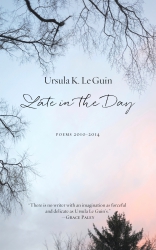
Podcast: Play in new window | Download
David Wilk talks with Bill Henderson of Pushcart Press
January 4, 2016 by David
Filed under Publishing History, PublishingTalks
 Publishing Talks began as a series of conversations with book industry professionals and others involved in media and technology about the future of publishing, books, and culture. As we continue to experience disruption and change in all media businesses, I’ve been talking with some of the people involved in our industry about how publishing might evolve as our culture is affected by technology and the larger context of civilization and economics.
I’ve now expanded the series to include conversations that go beyond the future of publishing. I’ve talked with editors and publishers who have been innovators and leaders in independent publishing in the past and into the present, and will continue to explore the ebb and flow of writing, books, and publishing in all sorts of forms and formats, as change continues to be the one constant we can count on.
It’s my hope that these conversations can help us understand the outlines of what is happening in publishing and writing, and how we might ourselves interact with and influence the future of publishing as it unfolds.
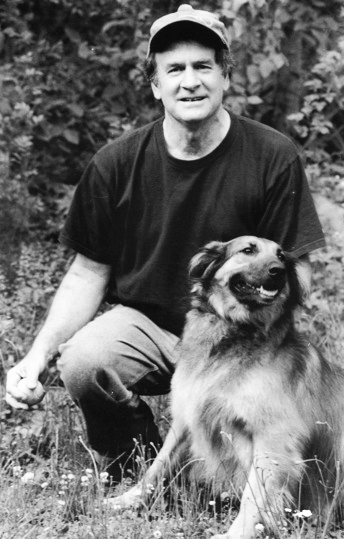
It is my great pleasure and honor to have a conversation about publishing with extraordinary Bill Henderson, the founder and editor of Pushcart Press and the Pushcart prize.
Pushcart was founded in 1972, the same year Bill ended his gainful employment as an editor at Doubleday (which is now one of the many imprints of Penguin Random House). Bill’s first book was the very important Publish It Yourself Handbook, published in 1973 and distributed then more or less by hand, at least initially. This book is a collection of essays by such luminaries as Anais Nin, Stewart Brand, Virginia and Leonard Woolf. Over the years it has sold over 70,000 copies through four editions and has been a touchstone for independent publishing.
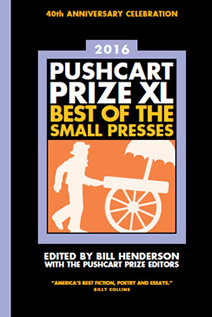
But it was really Henderson’s idea for a prize and anthology to recognize and celebrate the best work of the independent magazines and presses that were flowering in those days that has made Pushcart so meaningful and important. It was in 1976 that Bill and a group of Founding Editors he enlisted, including Paul Bowles, Ralph Ellison, Joyce Carol Oates and Reynolds Price, that began the Pushcart Prize anthology that is still published annually, now forty years on.
The original model is still in place. Publishers, magazines and Pushcart’s contributing editors nominate work they feel is their best, and Bill himself reads everything and selects what he feels is the best work from the hundreds of works submitted. It’s an incredible accomplishment that has helped launch and sustain the work of now thousands of writers and presses.
Pushcart is adamantly individualistic and essentially noncommercial. Its books are distributed by WW Norton, but otherwise, Bill is a one person operation. The press is now a nonprofit, but that means he has to raise money for it, and that takes time too.
As our conversation together will demonstrate, Bill shows no sign of slowing down and no sign of changing his opinion about what matters in writing and publishing. His commitment to the work is unwavering, and what he has done is truly magnificent. I am proud to have had an association with Pushcart from its inception, and am in awe of the work Bill and his operation has accomplished over these many years.
You can learn more about Pushcart here. Order the new anthology from your favorite independent bookstore, and if you are as impressed as I think you will be, make a donation to Pushcart here.
And there is even more to the Pushcart effort – Bill Henderson operates a bookstore on his property every summer in Maine, where he has also built a cathedral of local stone (profiled in the NY Times!)

Podcast: Play in new window | Download
David Wilk talks with Nicolás Kanellos of Arte Publico Press
December 14, 2015 by David
Filed under Publishing History, PublishingTalks
 Publishing Talks began as a series of conversations with book industry professionals and others involved in media and technology about the future of publishing, books, and culture. As we continue to experience disruption and change in all media businesses, I’ve been talking with some of the people involved in our industry about how publishing might evolve as our culture is affected by technology and the larger context of civilization and economics.
I’ve now expanded the series to include conversations that go beyond the future of publishing. I’ve talked with editors and publishers who have been innovators and leaders in independent publishing in the past and into the present, and will continue to explore the ebb and flow of writing, books, and publishing in all sorts of forms and formats, as change continues to be the one constant we can count on.
It’s my hope that these conversations can help us understand the outlines of what is happening in publishing and writing, and how we might ourselves interact with and influence the future of publishing as it unfolds.
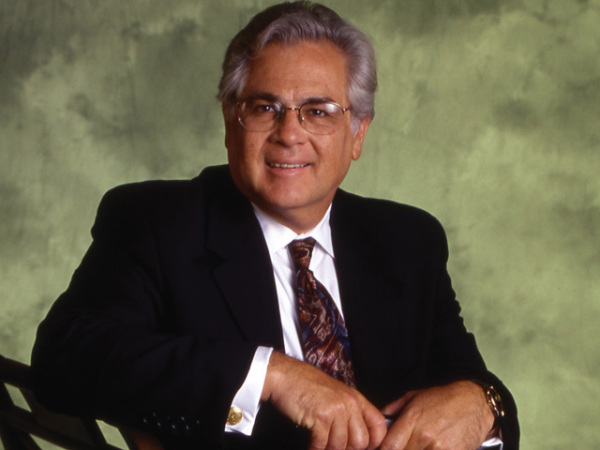
Over the past several years, I have had a number of conversations with the literary editors and publishers whose work in independent publishing has been influential during the past four, or sometimes even five decades. Independent literary publishing, both magazines and books, has been and continues to be at the forefront of cultural change, enabling independent and outsider writing to be available to readers. One of the most important of these presses is Arte Publico Press, founded by writer and scholar Nicolás Kanellos, housed at the University of Houston for many years now.
As Nicolás says about his founding of the press: “In the early 1970s, it became obvious that Hispanic writers were not being published by mainstream presses. Because there was no outlet for the creative efforts of these Latino writers, their work was condemned to be forgotten, lost or just delivered orally through performance.”
Starting, as so many publishers have done, with a literary magazine, Kanellos founded the Revista Chicana-Riqueña in Gary, Indiana, in 1972. Revisita was a quarterly magazine for Latino literature and cultural arts that subsequently evolved into the well respected Americas Review, which published its final issue, Volume 25, Numbers 1-4, in 1999.
Kanellos then founded Arte Público Press in 1979 to further expand the work of providing a n important forum for Hispanic literature. In 1980, Kanellos was offered a teaching position at the University of Houston, and brought Arte Publico with him, where it has now thrived for 35 years.
Arte Publico has published an incredible range of important Hispanic writers of many different backgrounds since its beginnings nearly four decades ago. And Kanellos and the press have expanded into a range of other important programs, including collecting and archiving lost Latino writings from the colonial era to today through the Recovering the U.S. Hispanic Literary Heritage project, and more recently a Latino children’s publishing program. The list of authors that Arte Publico has published is truly astonishing, and its impact on writers and readers alike is immeasurable.
It is my great pleasure to speak with my old friend Nicolás Kanellos for Writerscast about his work as editor, publisher and literary impressario. Publisher website here. NBC Latino profile of Kanellos and the press here.
Note to listeners, as with most of the Publishing Talks interviews, this is longer than most podcasts at 49 minutes, but hopefully well worth your time to listen and enjoy.

Podcast: Play in new window | Download