
Mel Harkrader Pine: From Pain to Peace
September 4, 2026 by David
Filed under Non-Fiction, WritersCast
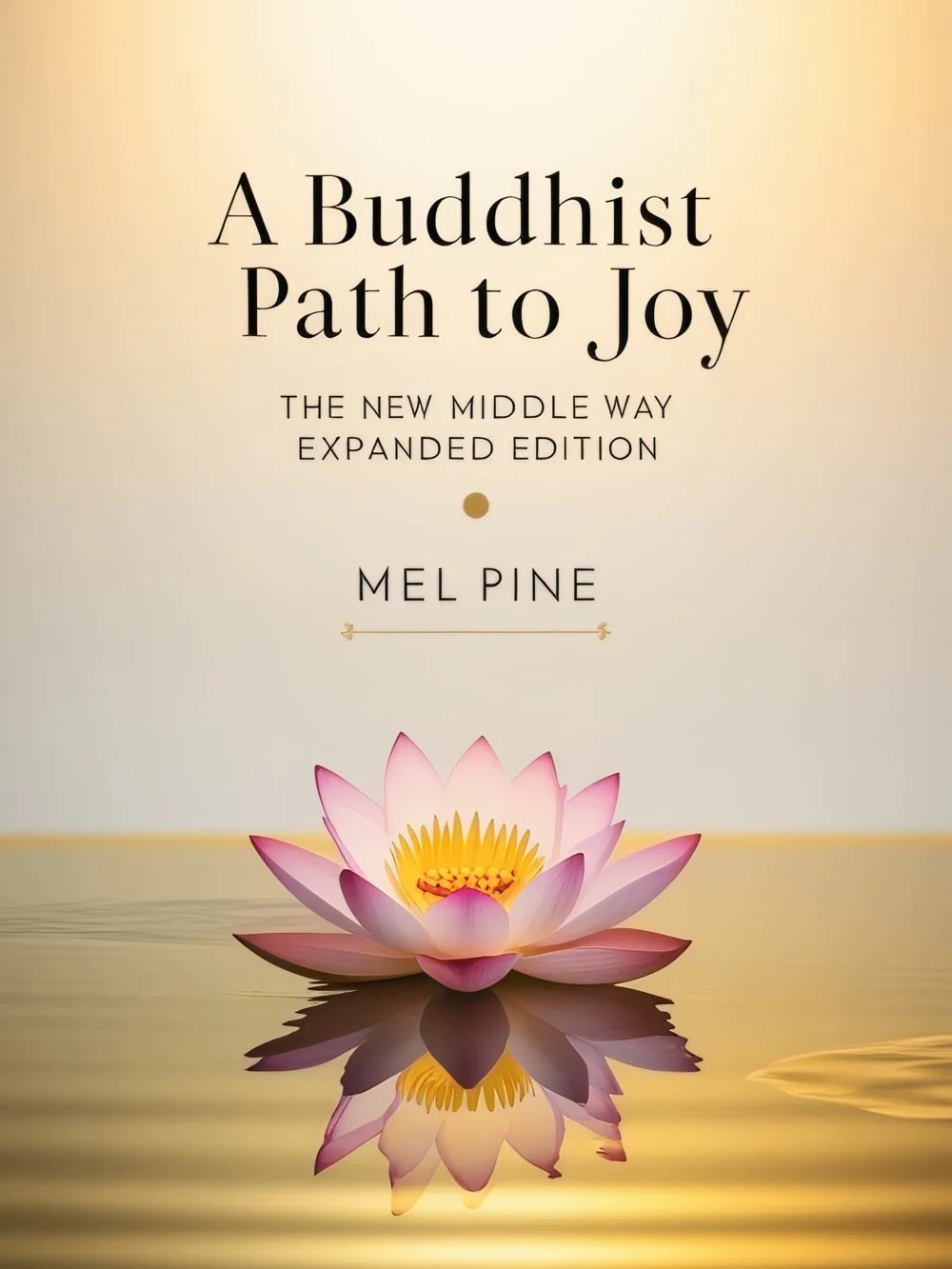
 From Pain to Peace: How Trauma and Tragedy Teach Us Compassion and Wisdom – Mel Harkrader Pine – Prospecta Press – Paperback – 9781632261786 – 240 pages – $18.00 – September 15, 2026 – ebook versions available at lower prices
The subject of trauma has become far more discussed and understood over the past half century. When I was growing up, people never really talked about the traumatic events and experiences in their lives. Today, trauma is much more commonly talked about and recognized, yet still so many of us are unable to heal from our traumatic experiences. The counter culture of the sixties planted seeds for a broader acceptance and understanding of trauma, both personal and cultural, experienced directly or epigenetically, as well as an increased awareness and practice of non-western religions and philosophies that often enable practitioners heal from traumatic experiences.
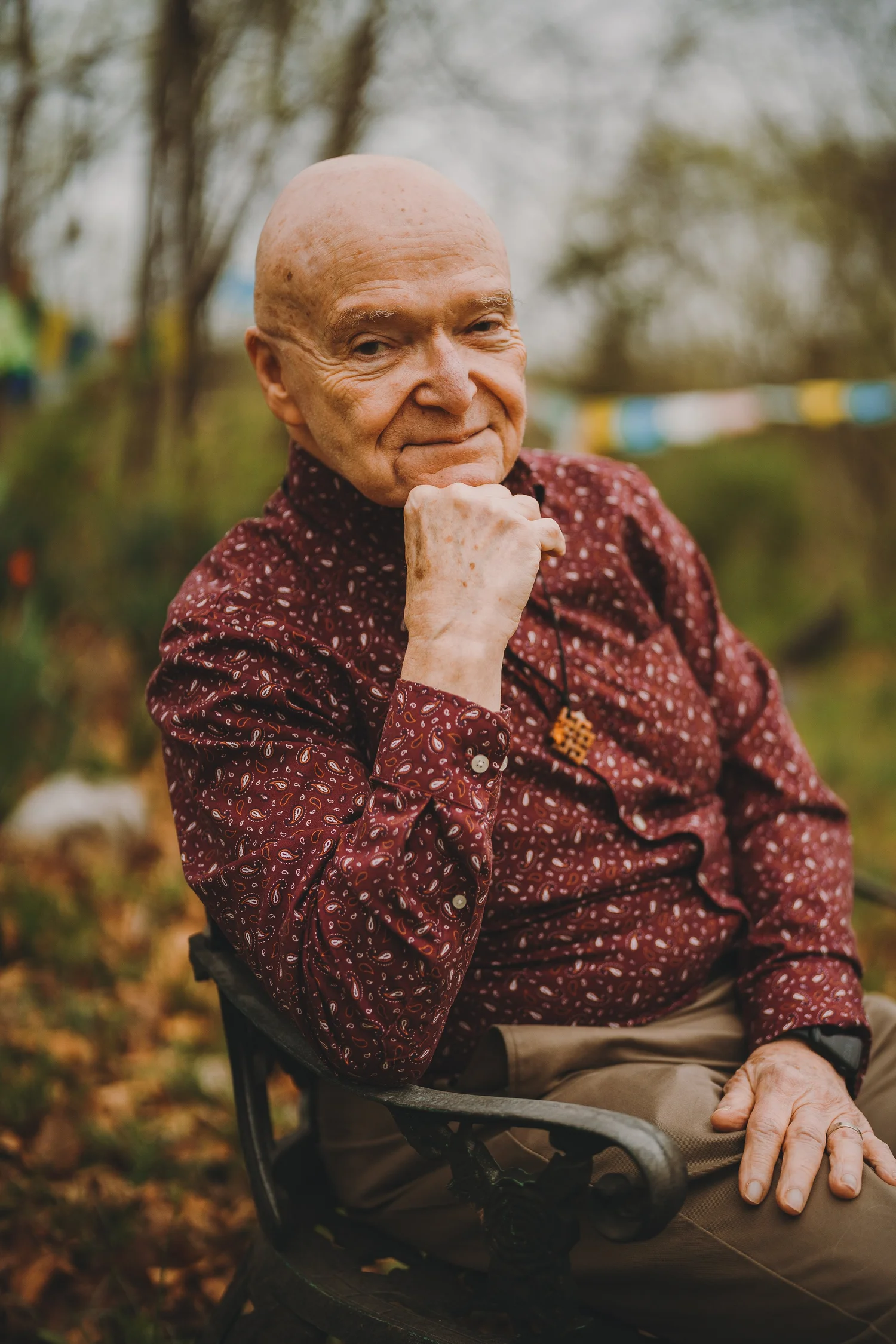
Mel Pine has experienced deep trauma throughout his life. He is a long time Buddhist practitioner. In From Pain to Peace, he demonstrates how Buddhist concepts like impermanence, impermanence and equanimity become tools for healing. It is an extraordinary book by an extraordinary human being, whom I have had the pleasure of getting to know. And it has been my honor to publish his extraordinary book.
As Mel says on his website, “this book speaks to the universal longing for healing and wholeness.” It seems that today, almost every feeling human being feels traumatized, and in need of tools like those this book provides to help live a fuller life.
Here’s what Mel says about himself: “I live in the State of Joy. I’ve devoted my remaining days of cognitive and physical health to helping others join me here.
I’ve had a passion for writing since eighth grade, began a career in journalism at age 20, moved on to other forms of communication through words, images, and videos, and became a spiritually focused author at 78.
That very-late-life career put new oomph into these old bones and neurons, so as I approach my 80th birthday, I intend to keep pursuing my mission as long as impermanence lets me.”
Mel also publishes two Substack newsletters. From the Pure Land focuses on spiritual issues, especially Buddhism for modern life. Human-AI Mutuality covers what Mel calls humankind’s most important frontier — how we relate to artificial intelligence.
The trauma Mel has experienced is acutely painful—at once generational, social, and decidedly personal. It is a morass of sludge enough to soil a soul interminably. And yet, out of the mud, the lotus blossoms. This book is Mel Pine’s lotus blossom. It describes how he discovered spiritual resources within the suffering that not only enabled him to survive; they enhanced his equanimity, deepened his compassion, and awakened in him a sober wisdom. They brought him to a place of genuine peace. Trauma can cut both ways. It can mire one in the mud, or the mud can give rise to a flower born of suffering. This book is one of those flowers.—Frank Rogers Jr., author of Cradled in the Arms of Compassion
Author website (he has a Kickstarter!) melpineauthor.com
You can buy the book here at Bookshop.org
Podcast: Play in new window | Download
Todd Goddard: Devouring Time: Jim Harrison a Writer’s Life
February 1, 2026 by David
Filed under Fiction, Non-Fiction, WritersCast
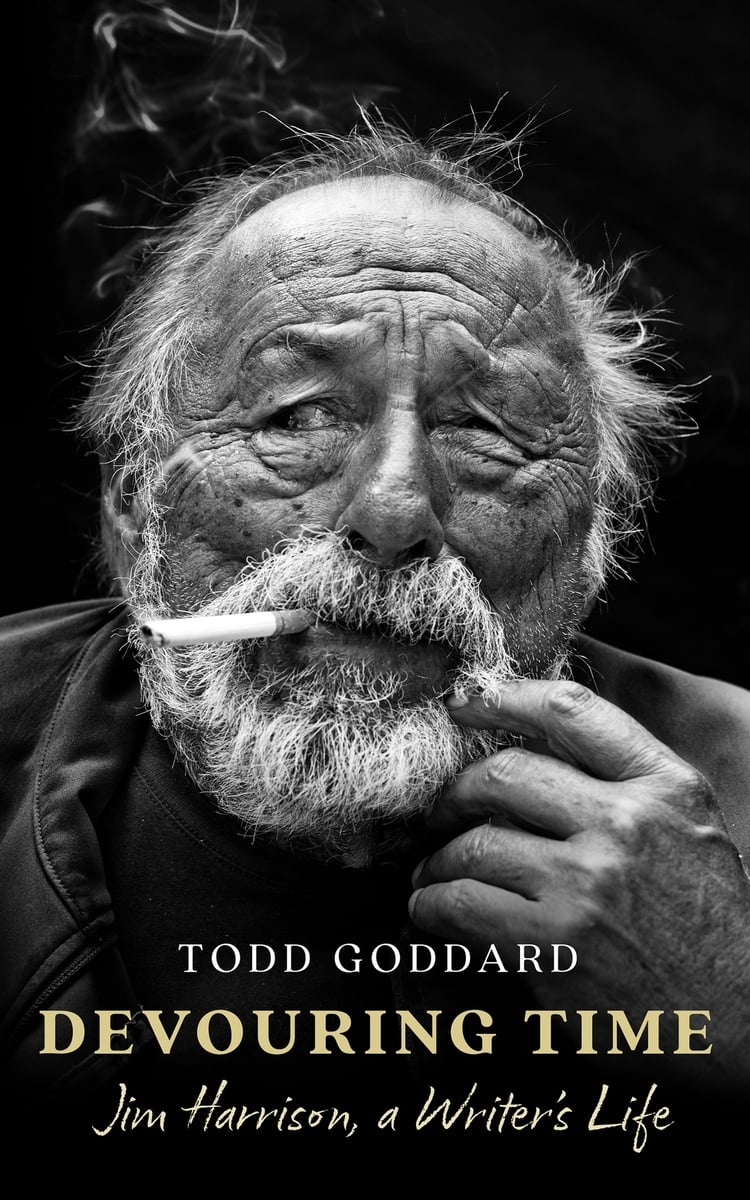 Devouring Time: Jim Harrison, a Writer’s Life — Todd Goddard — 9781799902362 – Blackstone Publishing — Hardcover — 558 pages — $29.99 — November 4, 2025
Jim Harrison was for so many readers – and other writers – one of the central voices of American literature for the last half century. When Harrison began writing, it was as a poet, and most readers came to his fiction and nonfiction much later. It was the novels and many novellas that drew large numbers of readers to him, while his first hand style nonfiction writing about food and his many adventures introduced him to a completely different audience who in many case, I am sure, also read his fiction. And then there was the film writing and the stories of fishing, carousing and gourmand like intake of food, alchohol, and drugs with friends like Thomas McGuane, Peter Matthiessen, Jimmy Buffett, and Jack Nicholson in Key West, Montana and Hollywood. Harrison became more than a writer, but also a publicly imagined character much like Ernest Hemingway and F. Scott Fitzgerald, whose persona became entwined with his writing and made him that much more attractive to some of his readers.
His output as a writer was amazing: poetry, novels, novellas, short stories, magazine nonfiction, film scripts. His appetite for life was immense. His friendships were legendary and he was loved by many whose lives he touched. Fittingly, he died alone while in the midst of writing a poem.
In Devouring Time, Todd Goddard presents a meaningful account of this writer’s life, from beginning to end, including much about his persona that many readers could not have otherwise known. I’ve read much of Jim Harrison’s writing, and knew more than a little about his life. But I learned much more from this book, feeling after reading it that I understood Harrison more clearly both as a writer and a person. This is not a celebratory paean to someone’s hero, or the work of a starry eyed fan. Nor is it a reductionist scholarly account. This book is a carefully constructed narrative worthy of the subject’s complicated, sometimes very painful, but always meaningful life. Goddard refuses to turn away from Harrison as a human being whose life included physical and emotional challenges, who suffered, who lived a full life also of joy and beauty, and despite his foibles, his accomplishments were immense and lasting.
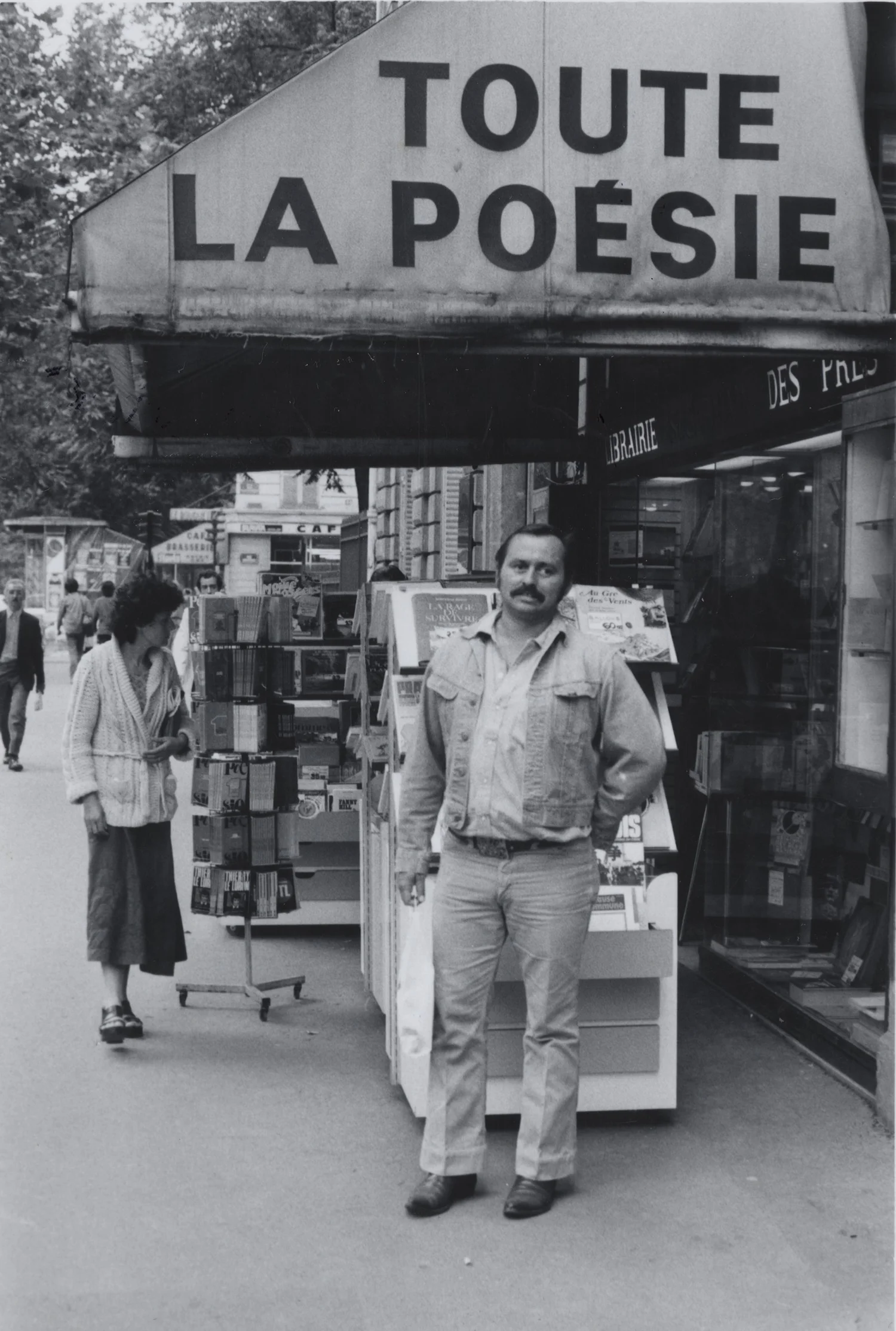
Jim Harrison was born in Michigan in 1937 and died Patagonia, Arizona in 2016. He wrote twenty-one books of fiction and fourteen books of poetry that influenced many other writers of all kinds and won him legions of readers. Harrison helped shape the course of contemporary American literature, revitalizing in particular the novella, a form he mastered and reinvigorated.
Though it was his fiction, nonfiction, and film writing that made him famous (and by which he made his living), it was always poetry that he loved most, and while he was a thoroughly social writer who enjoyed the company of many friends (and lovers), he was simultaneously a private person who cherished remoteness, the singularity of the wilderness, and solitude, and also the company of his wife and children at home.
Todd Goddard conducted over a hundred interviews and had full access to Harrison’s collected papers, as well as the cooperation of Harrison’s family to create this fully formed literary biography of one of our most important writers of the last half century.
I very much enjoyed the opportunity to speak with Todd. We talked about Harrison, of course, but also about the art of biography and the process of writing a book with so much depth of attention and detail. Whether you are a reader of Jim Harrison’s poetry or prose, this biography will capture your attention and in all likelihood, lead you to want to read further in Harrison’s extensive body of work.
“Todd Goddard tells the story of this bon vivant, outdoorsman, hellion, and great poet from his ancestors to his end with grace, momentum, generosity, and insight…and what a great American life it was, wreckage, glory, gifts, and ALL.”—Rebecca Solnit, author of Orwell’s Roses
Calendars
Back in the blue chair in front of the green studio
another year has passed, or so they say, but calendars lie.
They’re a kind of cosmic business machine like
their cousin clocks but break down at inoppormne times.
Fifty years ago I learned to jump off the calendar
but I kept getting drawn back on for reasons
of greed and my imperishable stupidity.
Of late I’ve escaped those fatal squares
with their razor-sharp numbers for longer and longer.
I had to become the moving water I already am,
falling back into the human shape in order
not to frighten my children, grandchildren, dogs and friends.
Our old cat doesn’t care. He laps the water where my face used to be.
from IN SEARCH OF SMALL GODS, Copper Canyon Press, 2010
Podcast: Play in new window | Download
Publishing Talks Interviews Thad McIlroy-Future of Publishing
November 24, 2025 by David
Filed under PublishingTalks, Technology, The Future
 Publishing Talks started as a series of conversations with book industry professionals and others involved in media and technology, mostly talking about the future of publishing, books, and culture. It was great fun talking with people in the book industry about the evolution of publishing in the context of technology, culture, and economics.
In the past few years, I’ve talked with a variety of editors, publishers and others who have been innovators and leaders in independent publishing and bookselling in the past and into the present.
These conversations have been inspirational to me. I have had the pleasure of speaking with visionaries and entrepreneurs, editors, publishers and others who have influenced and changed contemporary literature and culture. I’ve also had the opportunity to speak with a number of friends and colleagues in the book business.
I really enjoy the opportunities to find out about the boundless creativity that motivates so many of us in the book business, and I also really enjoy talking to others in the business, who like me, have tried to make sense of it all in some way or another. That’s one of the reasons I have frequently sought out other publishing consultants, gurus, and observers over the years, to talk about various topics in publishing. Sometimes it is about the history of books, but more often during the past almost twenty years of this series, conversations have centered on change and the future of publishing.
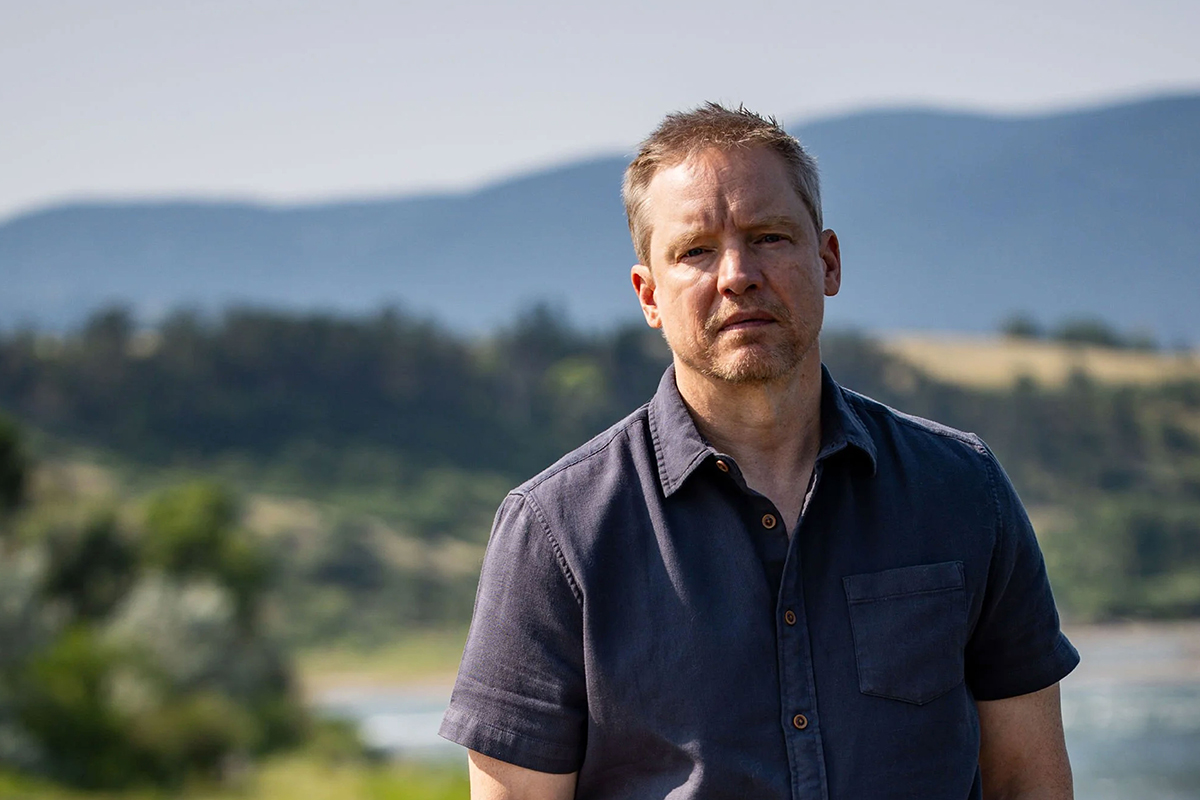
And that brings me to Thad McIlroy, a publishing consultant and author whose aptly named website is The Future of Publishing. As you can imagine, Thad and I had a great time together, and I hope you will enjoy hearing what he has to say, especially about emerging technology. Thad is a really smart guy who understands publishing from multiple perspectives.
AI discussions cannot be avoided at this point. My current thinking is that the version of AI we have now (LLMs) is not going to be the AI technology that will eventually take over our world. In the meantime, human creativity is still valued and it would surprise no one if there is a massive backlash against this technology before too long, especially as it is applied to the creative arts. Would love to hear what listeners think, so feel free to comment.
Here’s what Thad sent me as a working bio: “Writing and publishing are in my blood—my father was an author and broadcaster, and Kenneth Grahame (The Wind in the Willows) was my third cousin. I began as a bookseller in Toronto, then founded Virgo Press (1977) and co-founded book distributor Beatty & Church (1979). In 1985, I created what I believe was the first trade book using desktop publishing technology.
Now based in San Francisco, I’m an electronic publishing consultant, and author. I co-founded Publishing Technology Partners and serve as contributing editor at Publishers Weekly, focusing on AI and innovation. My latest book is 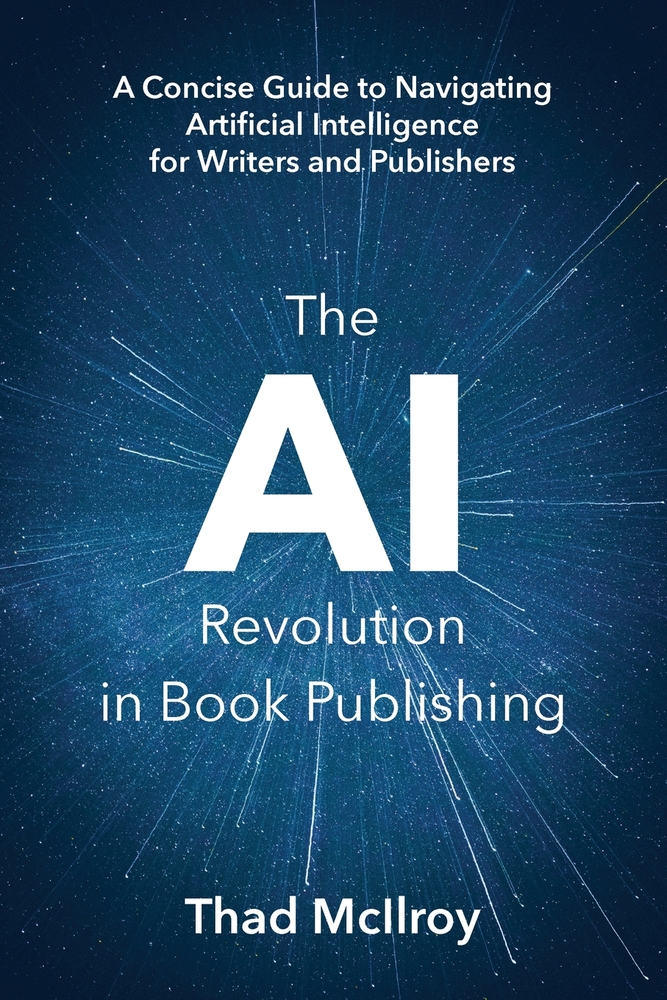 (2024, re 2025). I’ve authored dozens of books and articles exploring publishing technology, metadata, and industry transformation.”
Thad’s current interests are focused on AI. Here is a recent post of his on Onix 3 (if you’re not in the book business, this piece may be a bit in the weeds for you, but if you are in the business and care about data, search and findability, this matters – alot.)
Podcast: Play in new window | Download
Publishing Talks Interviews Derek Newton/Verify My Writing
October 24, 2025 by David
Filed under PublishingTalks, Technology, The Future
 Publishing Talks started as a series of conversations I had with book industry professionals and others involved in media and technology, talking about the future of publishing, books, and culture. It was great fun discussing the evolution of publishing in the context of technology, culture, and economics.
More recently, I’ve also had conversations with a variety of editors, publishers and others who have been innovators and leaders in independent publishing and bookselling in the past and into the present.
These conversations have been inspirational to me. I have had the pleasure of speaking with visionaries and entrepreneurs, editors, publishers, and others who have influenced and changed contemporary literature and culture. I’ve also had the opportunity to speak with a number of friends and colleagues in the book business about their work.
I really enjoy these opportunities to learn about the boundless creativity that motivates so many in the book business. I was approached recently by a PR firm who wanted me to talk to edtech writer Derek Newton about a new project he has undertaken. While my first reaction was to ignore what seemed to be yet another “pitch,” when I read further about the project, my interest was piqued and I decided I should talk to Derek to find out more about his ideas.
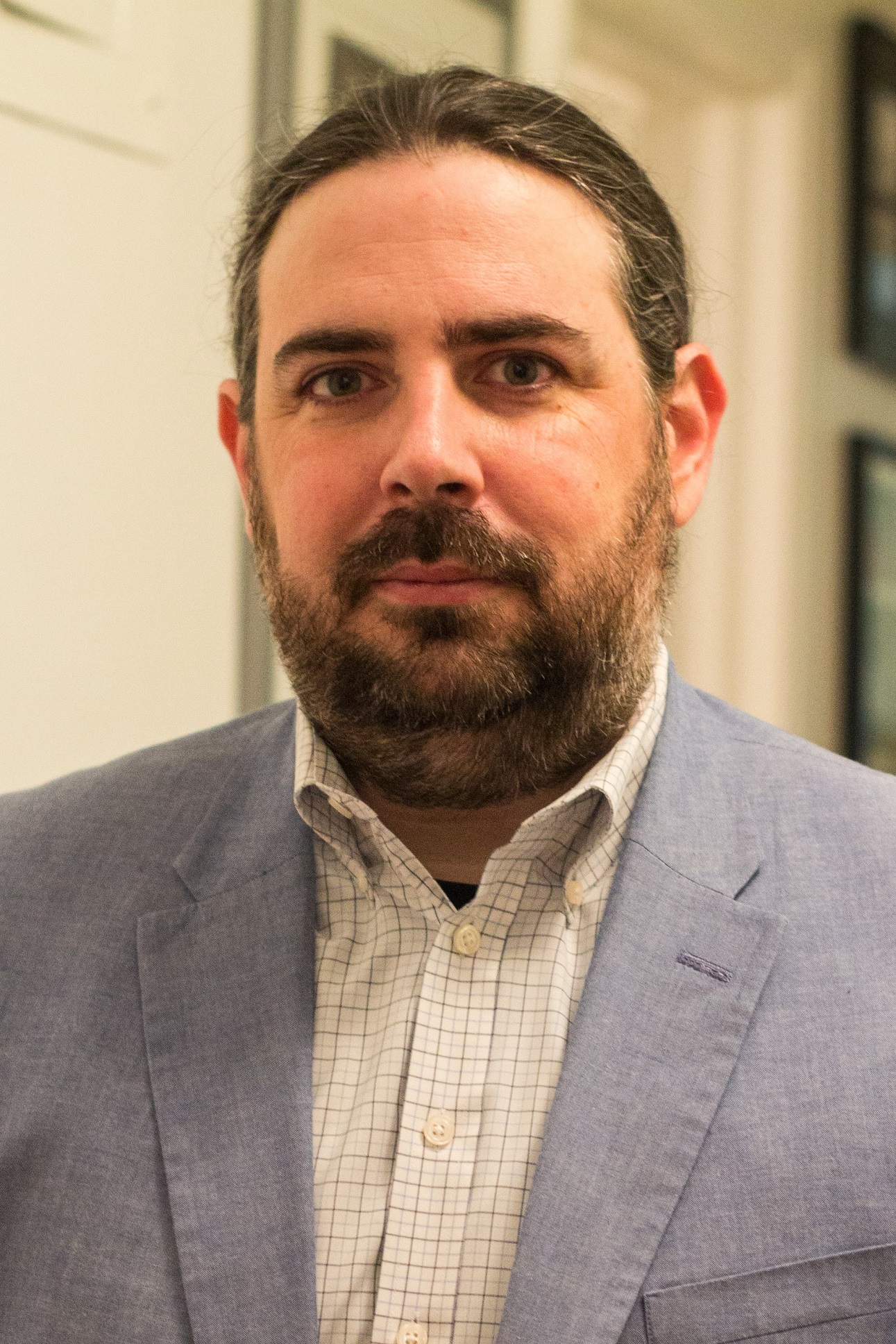
Derek Newton has written extensively about education and technology, including contributions to the Atlantic, Washington Post, USA Today, Money Magazine and many others. He’s also a contributing writer at Forbes and founder of the new and very interesting project that we talked about in this episode, Verify My Writing.
Verify My Writing allows writers to get a verified certification that their work is real, authentic, and human. In short, this enables them to certify that their work was not created by AI. The certification can help with submissions and pitches. Verify My Writing also certifies books and articles that have already been published with a “Human-Written” hallmark. And as Derek and I discussed, there other applications for this sort of certification as well. While writers certainly have self-interest in proving to magazines and publishers that their work is original, it seems to me that publishers will also want to verify for themselves when they receive submissions that the work they are reading is wholly or at least substantially original.
Book publishers and magazines with limited editorial resources are now dealing with a tsunami of submissions, with no practical way to determine the originality of the work they are considering for publication.
Given how good some AI-assisted writing can be, and how often AI is inaccurate (or completely wrong), there’s no question that all of us as readers will also appreciate knowing whether what we are reading online is human or machine written. This sort of validation may become a requirement in the not too distant future.
I found this conversation to be stimulating and thought provoking. Derek’s Verify My Writing seems interesting, and compelling in that it comes from a writer whose work experience inspired it. I hope you find this conversation as stimulating as I did.
Here’s the Verify My Writing website.
If you want to learn more, contact Derek directly: DNewton@VerifyMyWriting.com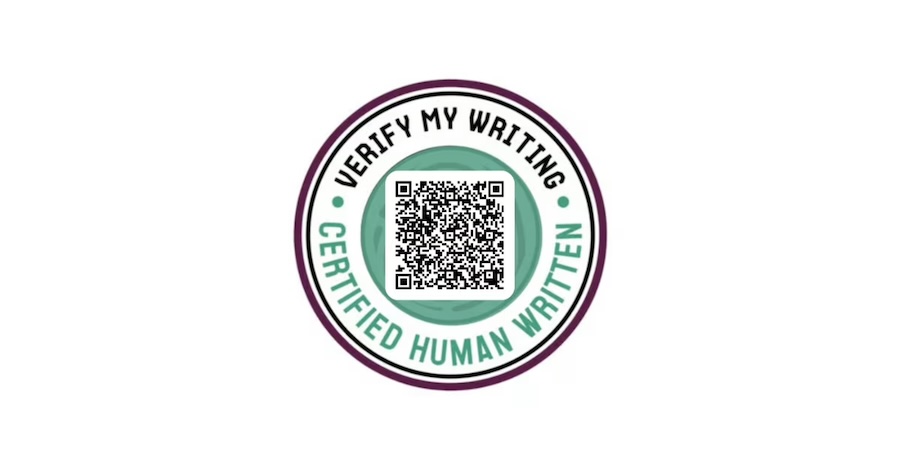
Podcast: Play in new window | Download
Dennis James Sweeney: How to Submit: Getting Your Writing Published with Literary Magazines and Small Presses
March 20, 2025 by David
Filed under Non-Fiction, WritersCast
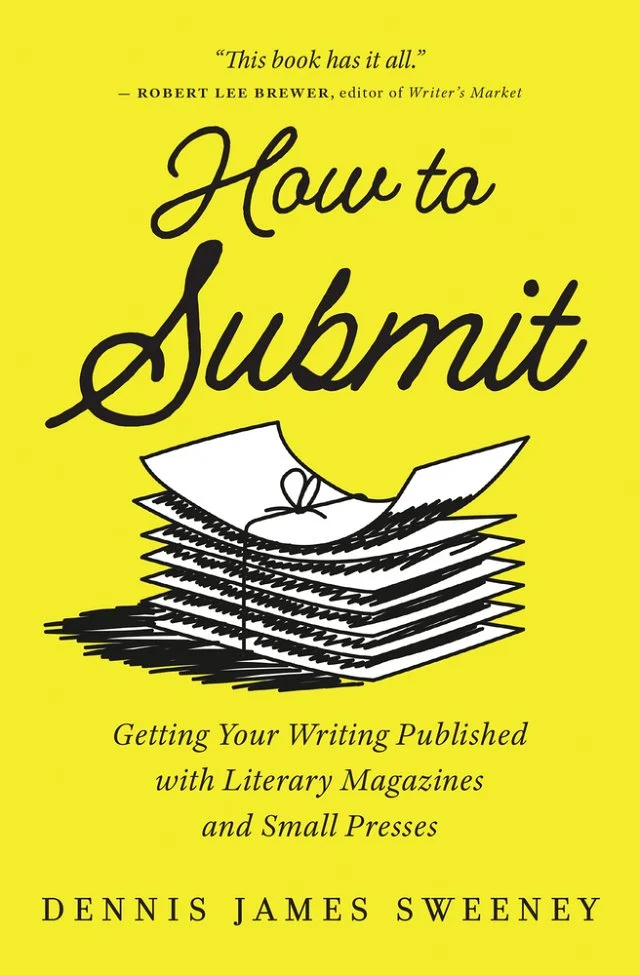 How to Submit: Getting Your Writing Published with Literary Magazines and Small Presses – Dennis James Sweeney – New World Library – Paperback – 9781608689361 – 216 pages – $18.95 – February 25, 2025 – ebook versions available at lower prices
This book is described by its publisher as “A comprehensive guide to getting published and building a literary reputation through small presses and magazines — and taking ownership of your own publishing life.” While I am very familiar with publishing marketing lingo, I think this description, while literally accurate, actually undervalues Sweeney’s book. He does offer us much more than just a “guide to getting published.” By talking to writers as a colleague and exploring his own journey as a writer, he turns what could have been a mechanical self help guide into something much more interesting and engaging.
I’ve been on both sides of the process this book is about – as a writer submitting work for publication and more often as a publisher and editor, combing through submissions of all kinds and qualities. This book provides much more than simply guidance, tools and support for writers. In it, Sweeney personalizes what is so often a depersonalized process, and helps writers see themselves as active agents in a complex ecosystem with many levels and activities. And in many ways, he reveals the process of “submitting” one’s work as an almost spiritual practice, not just a means to an end.
All of the podcast interviews I do are unstructured and informal – I like to start without notes or an agenda and see where the conversation goes. Talking to Dennis was truly a pleasure, and I think we ended up having a wonderfully organic and interesting conversation about the independent literary world, contemporary writing, and the role of the writer in that community. Whether you are already a published author, or a publisher or magazine that works with author submissions, this book has a great deal to offer you.
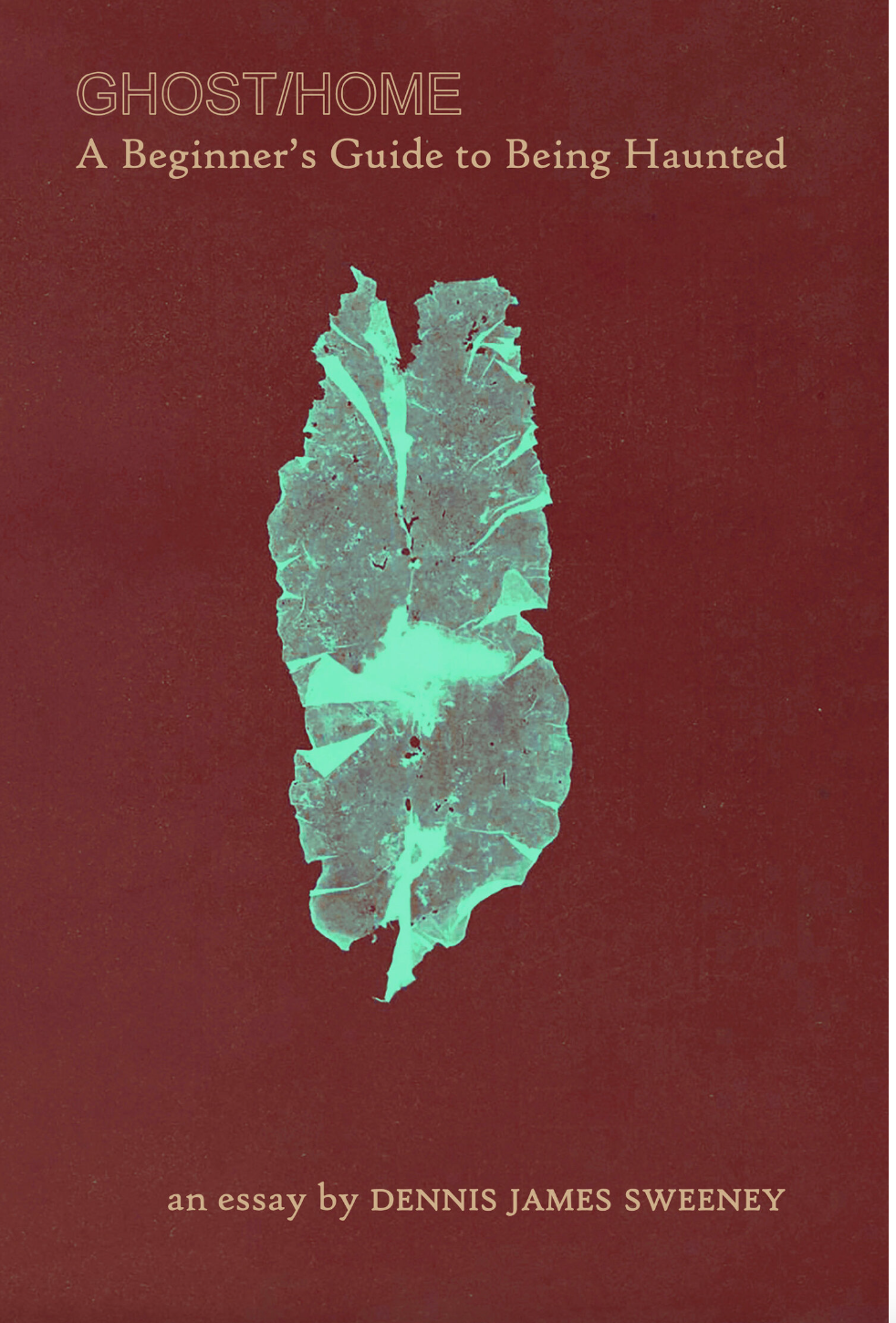
Dennis James Sweeney is a writer and teacher. His books have been published by small independent presses, including Autumn House Press, Essay Press, Ricochet Editions, and Stillhouse Press, and his writing has appeared in Ecotone, The Southern Review, Witness, and The New York Times. Sweeney lives, writes, and teaches in Amherst, Massachusetts. Author website here.
But the book here.

Podcast: Play in new window | Download
Publishing Talks Interview with Jane Friedman of Hot Sheet
December 28, 2023 by David
Filed under Ebooks and Digital Publishing, Publishing History, PublishingTalks, The Future
 Publishing Talks began first as a series of conversations with book industry professionals and others involved in media and technology, mostly talking about the future of publishing, books, and culture. It was great fun talking with people in the book industry about the evolution of publishing in the context of technology, culture, and economics. Over the years, I talked with a variety of editors, publishers and others, innovators and leaders in independent publishing and bookselling in the past, and into the present.
These conversations have been inspirational to me. I have had the pleasure of speaking with people who have influenced and changed contemporary literature and culture. I’ve also had the opportunity to speak with a number of friends and colleagues in the book business, always trying to explore and understand the complex web of books, authors and readers that is at the heart of our evolving culture.
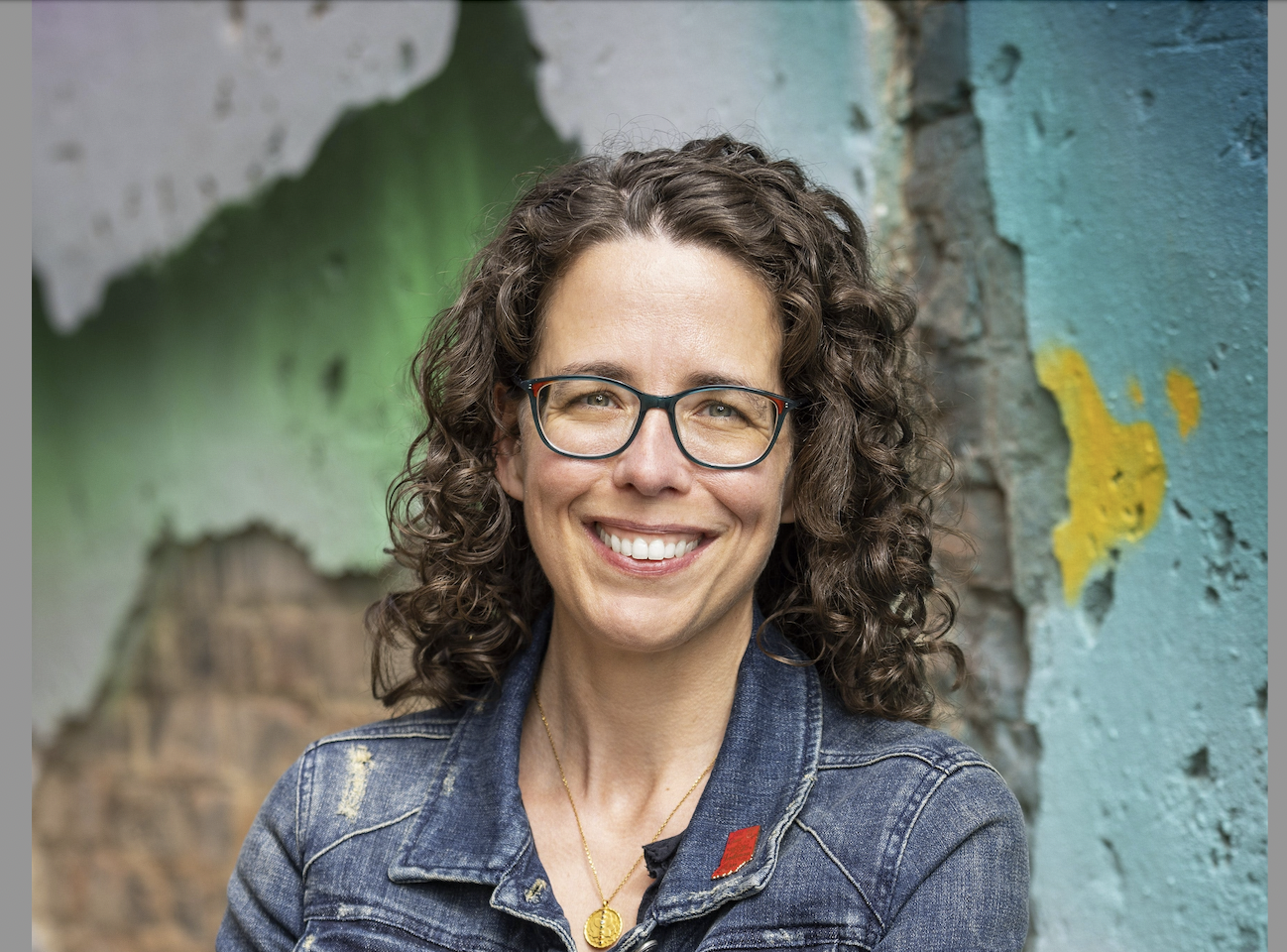
Every year, ever more new books are published, and the “rules of the game” evolve faster than most of us can keep up. Given the pace of change in the book industry, I could not think of anyone better to learn about the latest trends and developments than Jane Friedman, whose insights and breadth of knowledge are unmatched among industry observers. I first spoke with her in 2015 and then again in 2022, and I always learn a great deal from her in every conversation we have.
Jane publishes a bi-weekly industry newsletter, a must-read for anyone involved with publishing, called The Hot Sheet. Her most recent book is The Business of Being a Writer (University of Chicago Press). Collaborating with The Authors Guild, she wrote The Authors Guild Guide to Self-Publishing. In 2023, Jane was awarded Publishing Commentator of the Year by Digital Book World.
You might also have heard of Jane because of her experience with AI book fraud, which she wrote about in August 2023. She has put together a roundup of the extensive coverage and interviews about what happened, which you can explore here.
And she publishers yet another newsletter for writers and creators called Electric Speed, which is also worthwhile subscribing to.
Her website offers a wide range of services and information for writers: “I report on the book publishing industry and help authors understand the business. I’ve been working in book publishing since the 1990s, but my views are not from the 1990s. Amidst rapid change in the industry, writers need honest and unbiased guidance to make the best decisions for their careers. I hope to offer you a signal amidst the noise.”
Jane Friedman is a very busy woman, I am truly grateful that she was able to take some time to talk to me about the latest goings on in publishing.
Writerscast began in 2008! Thanks to all who have participated and all of you who have listened to this series over the past 15 years. It’s been fun.
Podcast: Play in new window | Download
Publishing Talks: An Interview with Shouvik Paul of CopyLeaks
July 27, 2023 by David
Filed under PublishingTalks, Technology
 Publishing Talks began as a series of conversations with book industry professionals and others involved in media and technology, mostly talking about the future of publishing, books, and culture. I’ve spent time talking with people in the book industry about how publishing is evolving in the context of technology, culture, and economics.
Later this series grew to include conversations that go beyond the future of publishing. In an effort to document the literary world, I’ve talked with a variety of editors, publishers and others who have been innovators and leaders in independent publishing in the past and into the present.
These conversations have been inspirational to me on many levels. I have gotten to speak with visionaries and entrepreneurs, as well as editors and publishers who have influenced and changed contemporary literature and culture. I’ve also had the opportunity to speak with a number of friends and colleagues I have met over the many years I have been in the book business.
I met Shouvik Paul a number of years ago when he was working for SharedBook, a company for whom I did some consulting work. He is a really smart guy and has been involved in a variety of technology related start ups during his career. Shouvik is currently the Chief Operating Officer of Copyleaks Inc., an award-winning AI-based text analysis company whose primary work is to identify potential plagiarism and paraphrasing across nearly every language, detect AI-generated content, and provide generative AI governance and compliance solutions. For obvious reasons, this kind of technology will be of interest to all kinds of publishers and content owners.
CopyLeaks has been working in AI for years, and now that AI in many different applications will become crucial for the book industry to understand and apply, I thought this would be a great opportunity for me and for Publishing Talks listeners to learn more about where this is all headed from someone who knows alot more than most of the rest of us.
I think this conversation will spur your thinking in a variety of ways. It certainly has inspired me to learn more about AI and how it can be used, what the risks of using it are, and how we need to think about AI both within the book business and in our overall culture. Don’t be surprised if this changes your outlook on the way AI will affect our business and hopefully it will inspire you as to learn more about it as well. The book industry cannot afford not to recognize how this technology will change our lives in so many ways.
Shouvik lives in Manhattan with his two daughters; he wanted me to note here that they refer to him as “That guy who has to stop and pet every dog that passes by” — which is a pretty great recommendation, in my view.

Podcast: Play in new window | Download
Maureen Owen and Barbara Henning: Poets on the Road
June 21, 2023 by David
Filed under Poetry, WritersCast
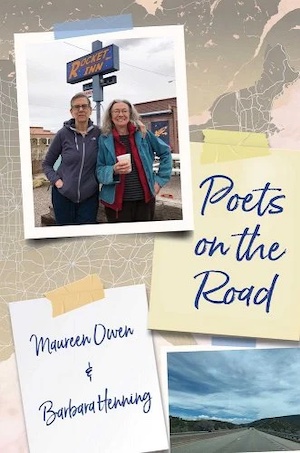 Poets on the Road – Maureen Owen and Barbara Henning – City Point Press – 9781947951709 – Paperback – 176 pages – $18 – June 6, 2023 – ebook editions available at lower prices
This is a special book by two very special poets. I know I am biased. They are both friends of mine, and Maureen I have known for almost fifty years. This terrific travelog documents an amazing poetic journey they took in 2019, crossing the country in a small car, with stops for poetry readings, visits with other poets, cheap motels and funky meals from Brooklyn (where Barbara lives), first south, then west all the way to California and back to Denver (where Maureen lives).
It was truly an incredible trip, originally documented in a blog they wrote while traveling. This book collects those stories and features photos of the poets and the people and places they visited along the way.
I loved this story so much, I decided to publish it, and consequently this book is a collaboration of the two poets plus the exceptional book designer, HR Hegnauer and publisher City Point Press.
Here’s an excerpt from Pat Nolan’s wonderful introduction:
Although a road trip across North American calls to mind Jack Kerouac’s youthful meanderings of self-discovery, this reading tour was more in the manner of Bashō’s late life journeys through the backcountry of Japan. . . . The road trip was in a sense a pilgrimage of reengagement with their calling as poets, and a chance to reacquaint with like-minded friends, old and new, in a far-flung landscape of American poetry.
Venues would include upscale bookstores, coffee houses, museums, legendary used bookstores, botanical gardens, university classrooms, art centers, and artist coops—in short, a unique sampling of poetry environments tracing an arc across the Southern States, the Southwest, and up the West Coast before hooking back to the Rockies.
Framed as a personal challenge, the poets hit the road much in the manner of itinerant preachers and musicians, lodging at discount motels, funky hostels, Airbnbs, and with friends along the way. Adding a social media touch, Maureen and Barbara created a blog of their tour so that friends, family, hosts, and fellow poets might also share in their adventure.
It’s always a pleasure to spend any amount of time with Maureen and Barbara, so this conversation was truly special for me, and I hope for all of you as well who will be listening in.
As further full disclosure, let me add that we were also in Tucson when she and Barb came to visit, so I am a participant and contributor to the blog and to the book as well, making it even more fun for me to talk to both Maureen and Barb about it here.
Maureen’s most recent book is let the heart hold down the breakage Or the caretaker’s log (Hanging Loose Press)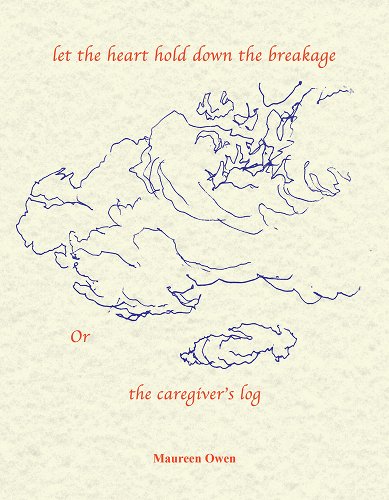
Barbara’s most recent book is Ferne, A Detroit Story (Spuyten Duyvil)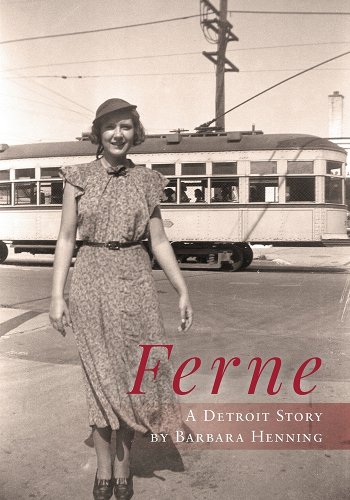
Buy Poets on the Road here. (this link is to Bookshop.org, sales will support indie bookstores)
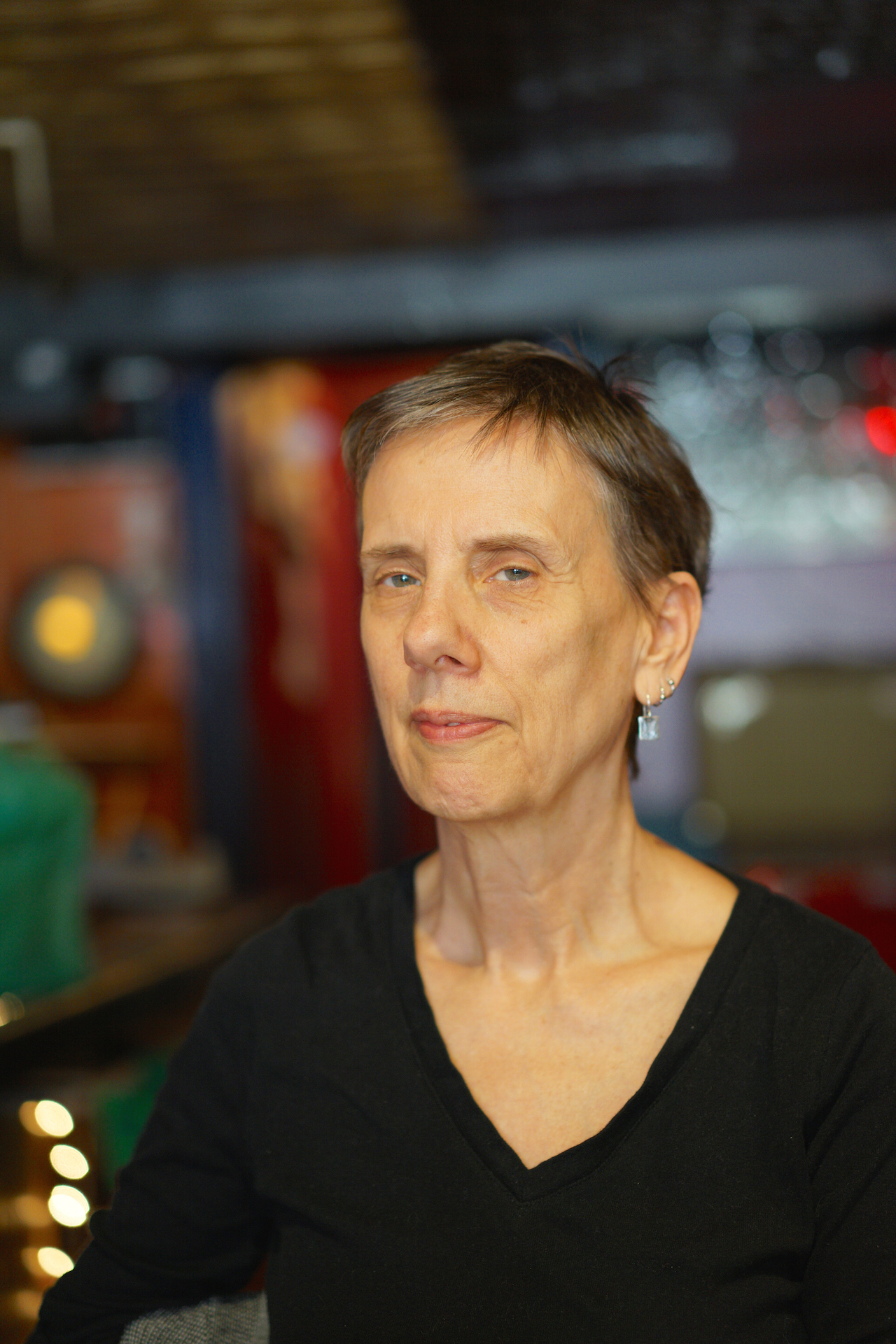 Barbara Henning (photo by Miranda Maher)
Podcast: Play in new window | Download
Even as We Breathe, A Novel: Annette Saunooke Clapsaddle
December 1, 2020 by David
Filed under Fiction, WritersCast
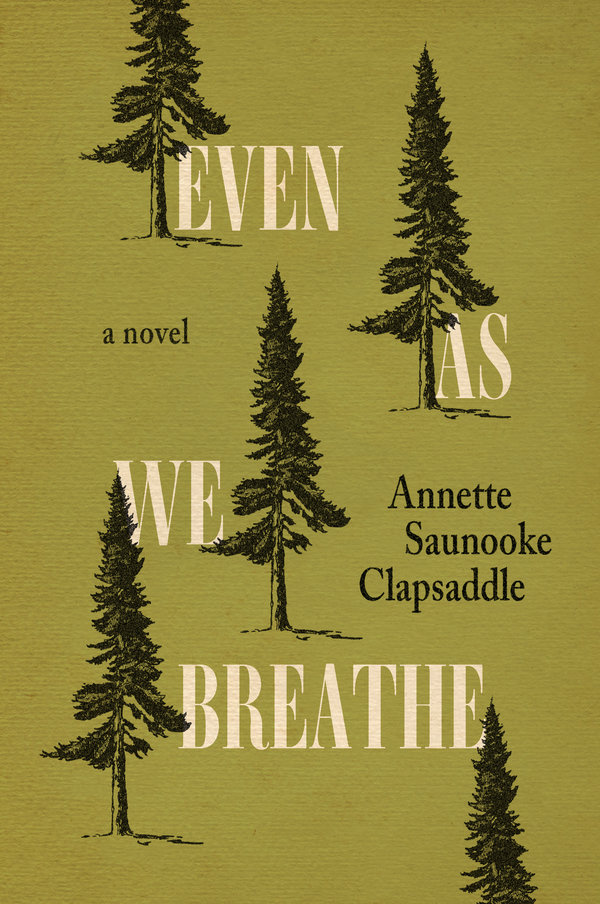 Even as We Breathe, A Novel – Annette Saunooke Clapsaddle – 9781950564064 – University Press of Kentucky – Hardcover – 240 pages – September 2020 – $24.95 – ebook versions available for sale at lower prices
This has been a good year to read fiction, and I am really pleased to have discovered this author. She is a fine writer whose storytelling is powerful, yet restrained.
While this novel has some elements of a mystery, it is really a very personal story about family, love and growing up into the world of western North Carolina during World War II. The book’s main character is nineteen-year-old Cowney Sequoyah, who has grown up in the woods of Cherokee land, raised mostly by his grandmother. The novel is set between the upscale Grove Park Inn, an Asheville resort serving as an internment camp for diplomat prisoners of war and their families.
The Inn provides Cherokee men and women with employment off their reservation, and this is Cowney’s first real time away from home. At the core of the story, Cowley is accused of being involved in the disappearance of a diplomat’s daughter and must move back and forth to home as he attempts to understand the basis of the the unfair accusations, and prove his innocence while at the same time wrestling with his newfound love for another young Cherokee, Essie Stamper, and figuring out his complex family history.
There is alot going on in this subtle and quietly told novel! And a number of surprises are in store for the reader that bring the story to a remarkable and rewarding close.
Even As We Breathe is filled with details and moments that identify the Cherokee tribe and its homeland. The story gives Annette the opportunity to express the meanings of the Cherokee culture as it has survived into the modern world, sometimes still with the values of its people in conflict with the world of white people.
A secret room in the Grove Park Inn becomes a place where Cowney and Essie can escape the white world and try to imagine their futures independent of outsider influences. For awhile, it can feel to them that they have a place of their own. But racism and prejudice are constantly present, and both Cowney and Essie must face disappointment, and struggle to define their identities as Cherokees within a complicated environment that does not give them the space they truly need to be themselves.
Annette Saunooke Clapsaddle, an enrolled member of the Eastern Band of Cherokee Indians (EBCI), graduated from Yale University and has a masters from the College of William and Mary. Her unpublished novel, Going to Water won the Morning Star Award for Creative Writing from the Native American Literature Symposium and was a finalist for the PEN/Bellwether Prize for Socially Engaged Fiction. After serving as Executive Director of the Cherokee Preservation Foundation, Annette (National Board Certified since 2012) returned to teaching English and Cherokee Studies at Swain County High School. She is the former co-editor of the Journal of Cherokee Studies and serves on the Board of Trustees for the North Carolina Writers Network.
“Debut writer Annette Saunooke Clapsaddle lifts the curtain to show us a South we don’t know, revealed through the struggles of Cowney Sequoyah, a young man growing up within the Cherokee Nation of far Western North Carolina, and yet another surprise setting when he takes a job at Asheville’s fabled Grove Park Inn while it is being used by the US military as a place of internment for Axis prisoners of war during World War II. Even As We Breathe is a wonderful novel, complicated as life itself — thrilling, mysterious, and finally, a revelation!” — Lee Smith, New York Times bestselling author of Blue Marlin
This novel was impossible for me to put down and is one of my favorite books I have read this year. It was a deep pleasure for me to speak with Annette about this book and her writing.
I believe you will enjoy this conversation as much as I did.
Purchase Even as We Breathe from Bookshop.org to support independent bookselling.
Author’s website here.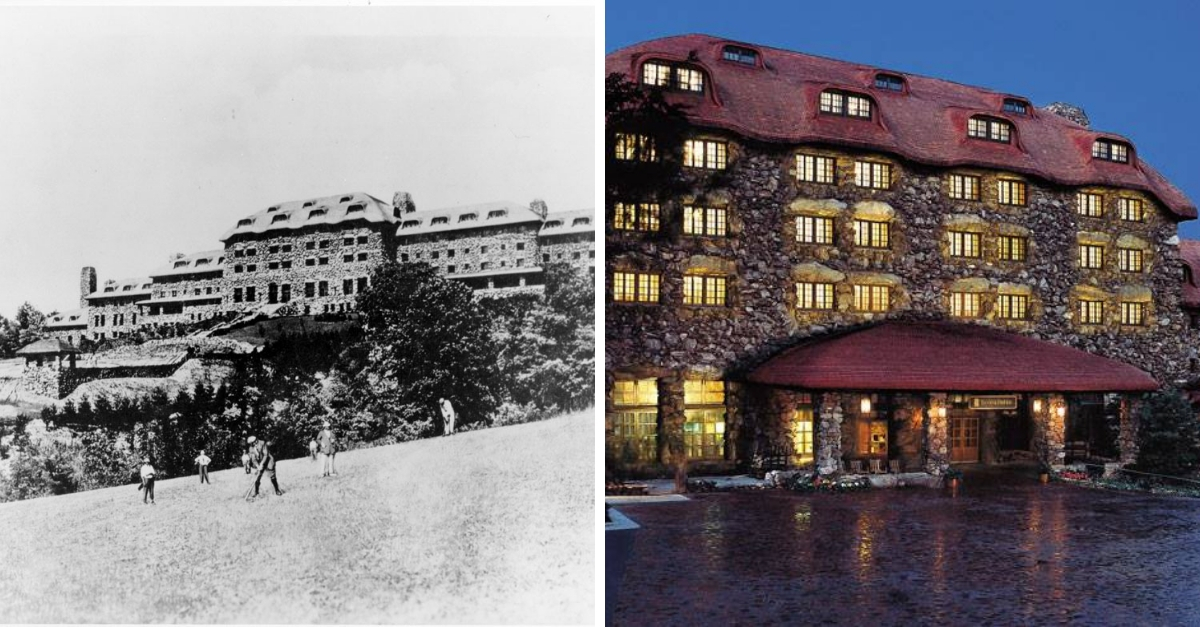

Podcast: Play in new window | Download
Writerscast: David Wilk interviews Roger Angell
October 1, 2020 by David
Filed under Non-Fiction, WritersCast
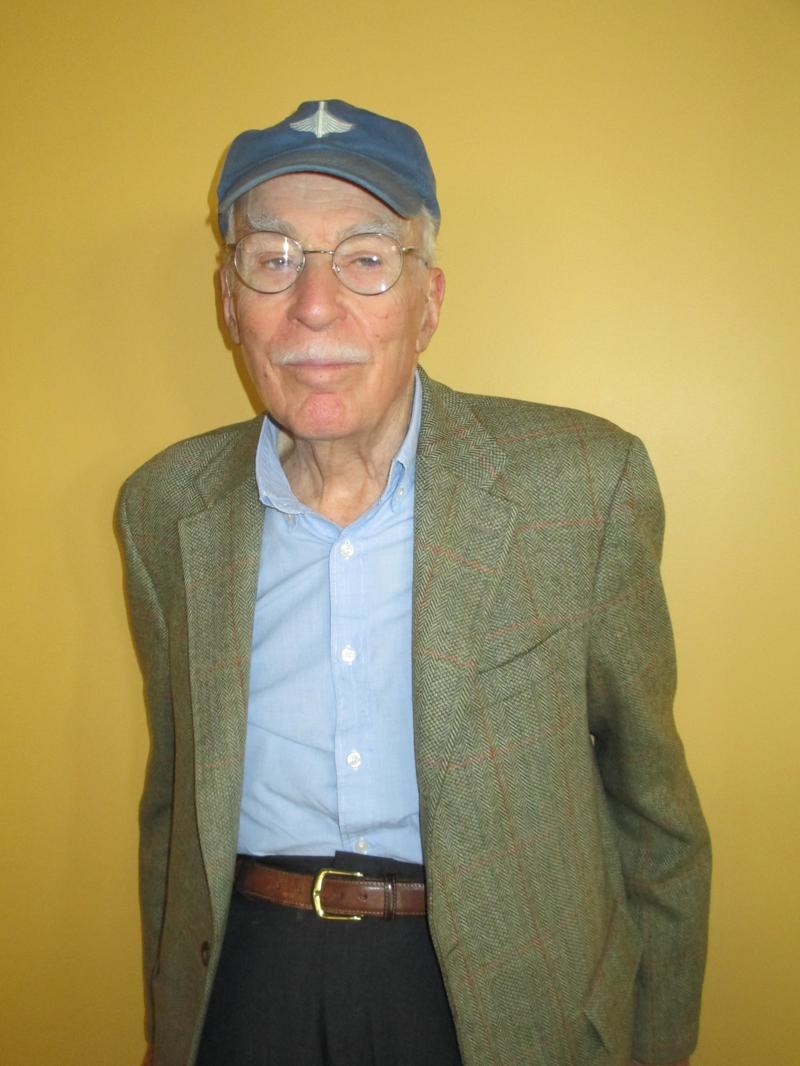 A couple years ago, in the process of researching the mostly unknown and under-appreciated New Yorker writer Robert M. Coates, I reached out to Roger Angell, who knew Coates during his many years of writing for and working at The New Yorker (and whose mother, Katharine Sergeant Angell White, and stepfather, E.B. White, knew Coates well from the earliest days of the magazine in New York and elsewhere). I wanted to learn as much as I could about Coates, and in the process, had the distinct pleasure of talking to one of the greatest writers of our time.
After telling me some interesting first-hand remembrances of Coates, Roger was kind enough to sit or an in-person interview with me in his apartment in New York along with his wife Peggy Moorman. It’s my honor to publish this interview now to celebrate Roger Angell’s 100th birthday. His prodigious, meticulous, and far-ranging memory is a match for his remarkable abilities as a writer.
Roger has always lived in New York City, and spent summers in Brooklin, Maine. He graduated from Pomfret School and Harvard University, served in the Air Force in World War II, first as an instructor in machine guns and power turrets, and then, in the Pacific, as an editor and reporter for the GI magazine Brief.
In 2014 Roger was inducted into the writers’ section of the Baseball Hall of Fame, and then in 2015 he was deservedly elected to the American Academy of Arts and Letters.
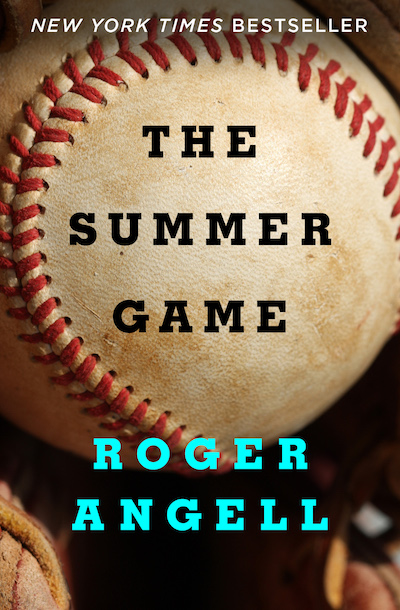
It is impossible to speak about and with Roger Angell without mentioning his writing about baseball, for which he is best known, including the classic books, The Summer Game and Five Seasons: A Baseball Companion, as well as a number of great shorter pieces that appeared first in the The New Yorker.
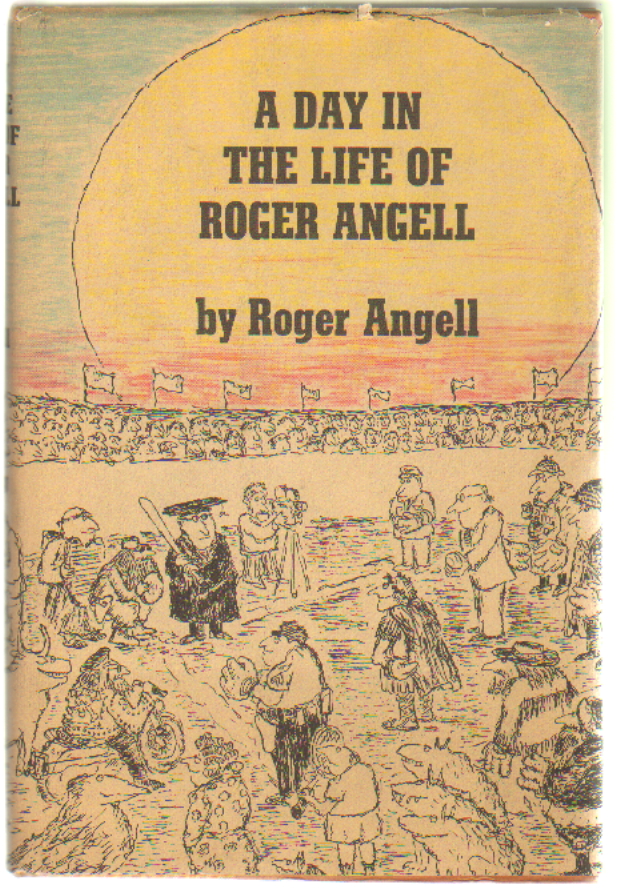
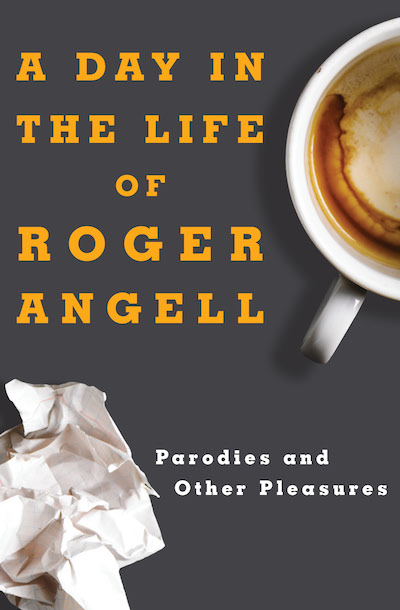
Angell’s earliest published works of short fiction and personal narratives. Several of these pieces were collected in early books, The Stone Arbor and Other Stories (1960) and A Day in the Life of Roger Angell (1970).
Roger first contributed to the The New Yorker in March 1944. He began writing about baseball in 1962, when William Shawn, then the editor of The New Yorker sent him to Florida to write about spring training and over the course of several decades produced some of the best baseball books ever written, inspiring countless readers with his brilliant descriptions of baseball games and players, and of course, fans of the game.
In a review of Once More Around the Park for the Journal of Sport History, Richard C. Crepeau wrote that “Gone for Good”, Angell’s essay on the career of Steve Blass,”may be the best piece that anyone has ever written on baseball or any other sport”.
While Angell has been praised fulsomely for his baseball writing, I’d prefer to think of him as simply one of the better literary stylists of our time. Listening to Roger Angell talk about books, writers and his writing life was one of the great pleasures of my own literary life, which I am pleased to share with you here.
Roger turned 100 on September 19, 2020. Happy Birthday Roger! And thank you and Peggy, for giving me the opportunity to speak with one of my literary heroes.
“Angell writes about baseball the way M.F.K. Fisher did about food, as a metaphor for life’s complexities of desire, defeat, utility and beauty.” — Phillip Lopate
This article in The New Yorker by David Remnick – “Roger Angell Turns 100” – is a must-read piece.
7 Must-Read Roger Angell Books: Legendary essays on baseball, reflections on aging, and so much more. Stephen Lovely, The Archive. 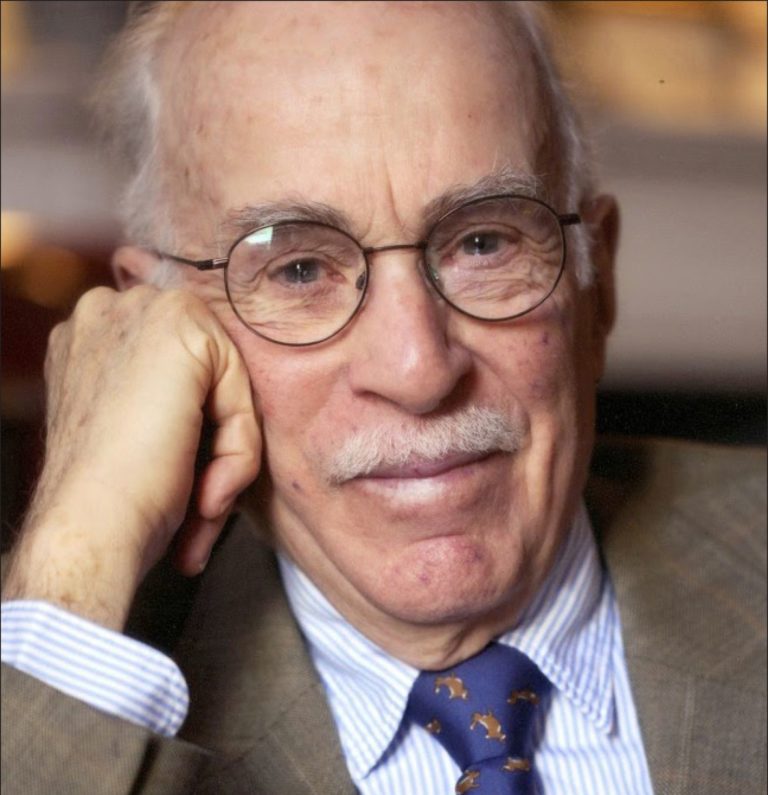
List of Roger Angell’s Books
A Day in the Life of Roger Angell
Five Seasons: A Baseball Companion
Game Time
Late Innings
Let Me Finish
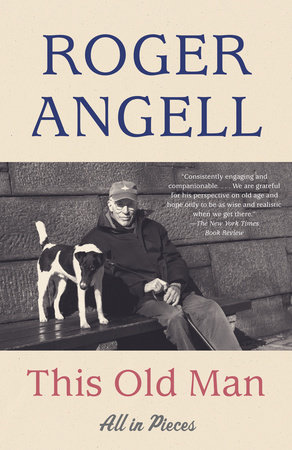
This Old Man: All in Pieces
Once More Around the Park: A Baseball Reader
A Pitcher’s Story: Innings with David Cone
Season Ticket
Selected Shorts: Baseball, a Celebration of the Short Story
The Summer Game
Roger Angell Day – Celebrating Roger Angell – a 100th birthday celebration was held at the Friend Memorial Public Library in Brooklin, Maine, August 8, 2020 Photo by Bill Ray
Podcast: Play in new window | Download