
Jack El-Hai: The Nazi and the Psychiatrist
March 31, 2026 by David
Filed under Non-Fiction, WritersCast
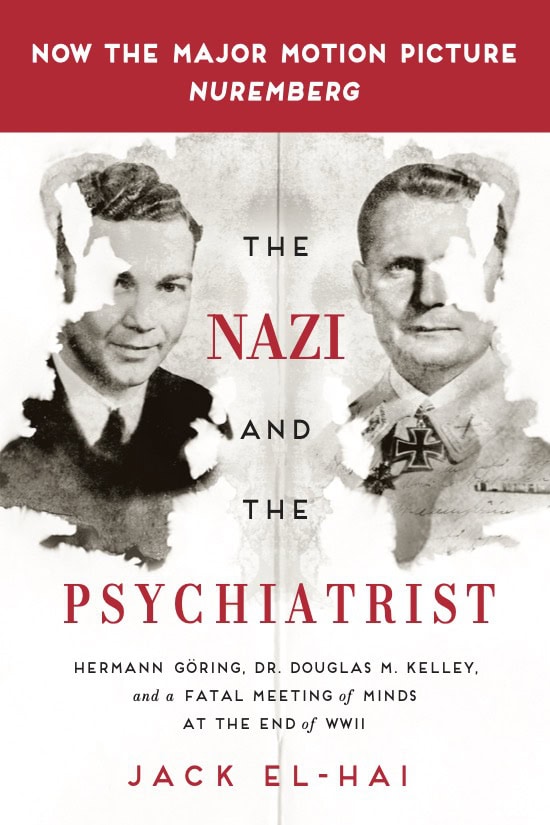 The Nazi and the Psychiatrist: Hermann Göring, Dr. Douglas M. Kelley, and a Fatal Meeting of Minds at the End of WWII — Jack El-Hai — PublicAffairs — 9781610394635 — 304 pages — Published September 2, 2014 — Paperback — $21.99 (ebook available at lower prices; audiobook download also available)
The Nazi and the Psychiatrist was originally published more than ten years ago. It had some terrific reviews, and then became, like most books published today, a “backlist” title mostly available from online retailers. But now that it has become the basis of the well received film, Nuremburg, directed by James Vanderbilt, with a star studded cast, including Rami Malek, Russell Crowe, and Michael Shannon, the book has been re-issued in paperback and has deservedly found many new readers.
In my conversation with its author, Jack El-Hai, we talked mostly about the book itself, and not so much about what it is like for an author to find his book rediscovered because of a movie, though Jack did explain that the film only focuses on a small part of the story El-Hai explored in the book. The Nazi and the Psychiatrist takes on what was a complex relationship between the American psychiatrist Douglas M. Kelley and the 22 Nazis who became his patients as they were imprisoned before their trial as war criminals in the 1945-46 International Military Tribunal at Nuremberg. Of course the key figure among the Nazis was Herman Göring, who was not only an important early supporter of Hitler, as well as one of the central figures in the rise of Nazism, the conduct of WWII as head of the Luftwaffe, and of course one of the architects of the Holocaust. At the time he was captured by the Americans, he expected to become the next leader of Germany.
Kelley was brought in to examine the Nazi leaders who were to be the first tried for war crimes by the Allies – the idea being to determine whether they were each rational enough to stand trial for their horrific actions. As a psychiatrist, this gave him an exceptional opportunity – to gather information about the psychology of Nazis and to understand whether they were indeed within the range of normal human behavior or pathological.
Kelley became especially close with Göring, a formidable figure, who ultimately committed suicide rather than experience the humiliating death by hanging to which he was sentenced by the Tribunal. Kelley’s life was deeply influenced by his experiences with the Nazis, and El-Hai, who had access to Kelley’s files and talked extensively with his surviving children, paints a compelling portrait of a man whose suffering was extreme and led ultimately to his own unfortunate suicide some years later.
Given our present circumstances, a book about the psychological components of authoritarianism and the individuals who led Germany’s fascist enterprise cannot help to resonate. Reading this book will make you think about the nature of evil (and Arendt’s calling it “banal”) as well as the way that fascism masks the personal greed and pursuit of power that drove it.
I do recommend this book at anyone who is trying to grapple with what is happening to us now. And this conversation will be illuminating as well.
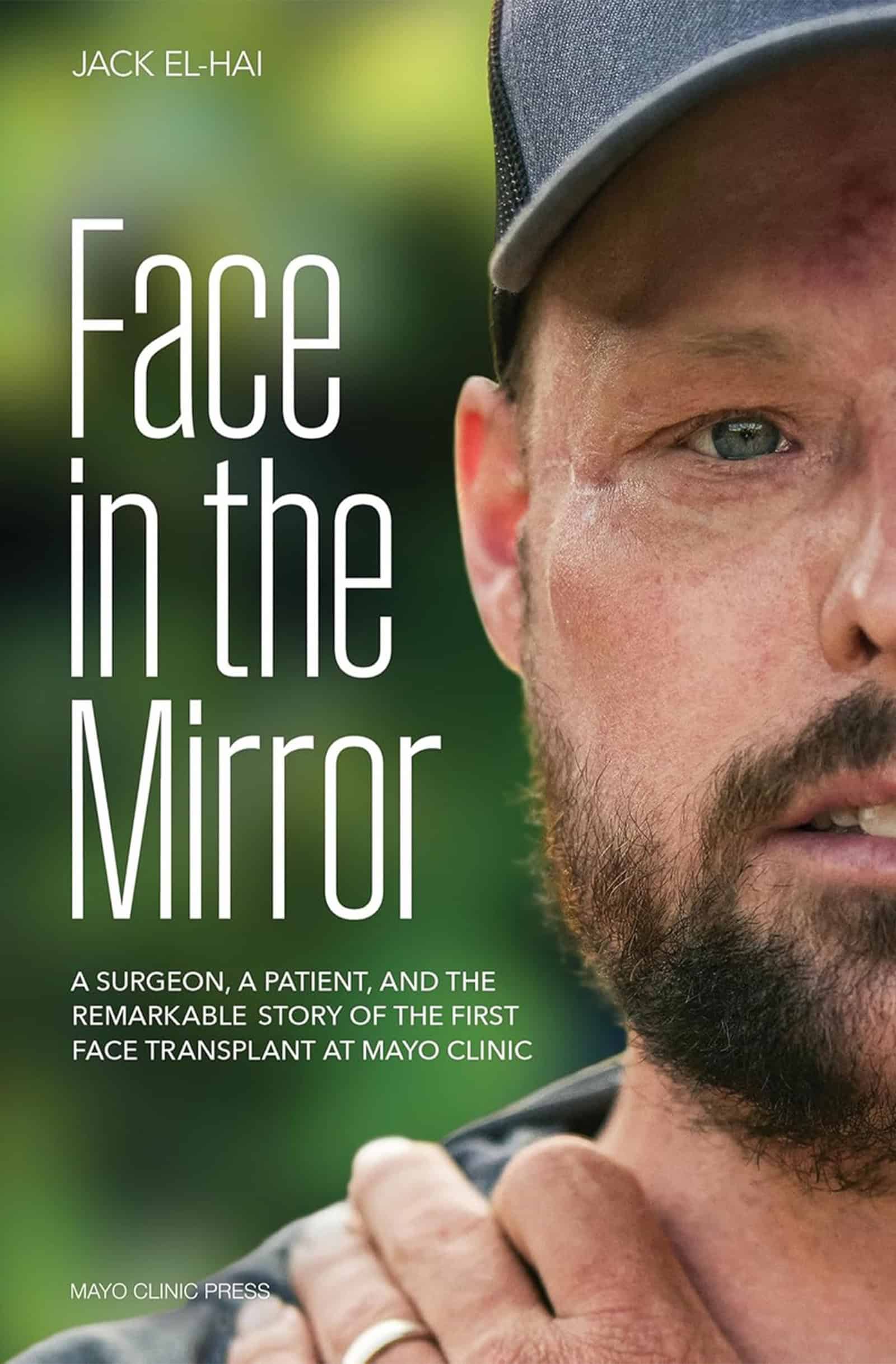
Jack El-Hai is an award-winning writer who has published innumerable articles and more than a dozen books. Jack’s other books include Face in the Mirror, The Lost Brothers, and The Lobotomist: A Maverick Medical Genius and His Tragic Quest to Rid the World of Mental Illness.
He has contributed articles to Scientific American, Wired, Discover, GQ, The Atlantic, Smithsonian, Aeon, The Washington Post Magazine, and many other publications. He lives in Minneapolis.
“This intimate and insightful portrait of two intersecting, outsized personalities‑‑one an exemplar of public service and the other an avatar of evil‑‑is as suspenseful as a classic Hitchcock film that hinges on an eerie psychological secret. Readers of The Nazi and the Psychiatrist will be riveted by Jack El‑Hai’s moving study of how good and evil can converge in a heightened instant and across a lifetime.”—Andrew Solomon, National Book Award winning author of Far from the Tree

Podcast: Play in new window | Download
Ellen Cassedy: We Are Here: Memories of the Lithuanian Holocaust
October 23, 2012 by David
Filed under Non-Fiction, WritersCast
 978-0803230125 – University of Nebraska Press – Paperback – $19.95 (ebook versions available at variable lower prices)
Finding this book was a happy accident for me. Much of my own family is from Lithuania and I have long been interested in the history and culture of the Jewish community prior to World War II. I’ve read a number of books by Jews who survived the Holocaust in Lithuania – terrible stories of suffering and loss. But Ellen Cassedy’s story resonated even more deeply for me. She went to Lithuania to study Yiddish as part of her quest to connect to her Jewish roots on her mother’s side and to explore the country and culture of her family’s birth.
She also needed to learn some of the secrets of her Holocaust survivor Uncle’s past, and as she explored and connected to Jews and gentiles alike, her experiences in modern Lithuania changed her perspective and understanding of the complex connections between people, their history, and their present. Much of what she believed was true about Lithuania as well as her family’s experience in the terrible war years was upended by what she learned and the people she met and interacted with there.
Cassedy’s story should be meaningful not just for Jews seeking to understand their European roots. Through her eyes, we learn a lot about her hard work in trying to master the complexity of the beautiful and difficult Yiddish language. She spends time with old people, young people, survivors, witnesses, goes through old Lithuanian and Russian archives, interviews city and country folk, including an old man who wants to “speak to a Jew” before he dies and learns a great deal about the issues that confront a country that was taken over by both Nazi and Soviet dictatorships. In the end, her journey transforms her, and in this memoir she allows us to travel with her through a difficult and rewarding emotional and physical landscape. I truly enjoyed this book and talking to Ellen about it was a pleasure. And I learned some new Yiddish words and expressions too!
Her own website is well worth a visit – nice video of Lithuania and more about her other work.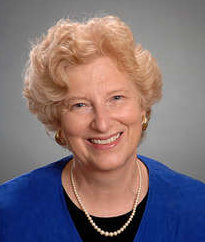
Podcast: Play in new window | Download