
Publishing Talks: Brooke Warner of She Writes Press 2026
July 29, 2026 by David
Filed under Publishing History, PublishingTalks, The Future
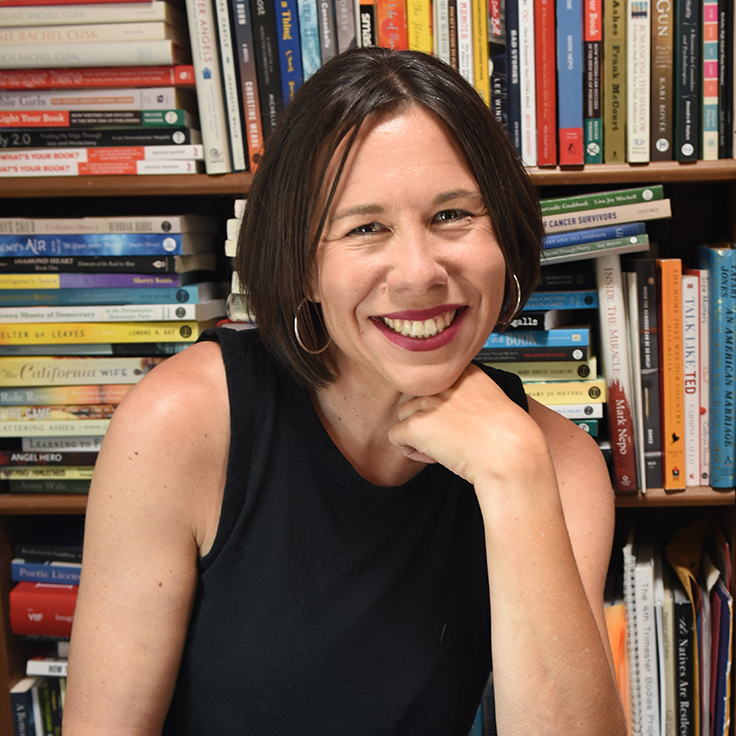 I originally began Publishing Talks as a series of conversations with book industry professionals and others involved in media and technology, mostly talking about the future of publishing, books, and culture. I continue to enjoy my conversations with people in the book industry about the evolution of publishing in the context of technology, culture, and economics. This latest episode features a conversation I recently had with the wonderful Brooke Warner, publisher of She Writes Press (which is only one among the many other roles she somehow manages).
It was ten years ago that I first talked to Brooke for Publishing Talks about her work with She Writes (which she co-founded with Kamy Wicoff in 2012) when the publishing world was a very different place. She Writes was and is a hybrid publisher, requiring support from its author for the publishing process. Ten years ago that was far less common than it is today.
Since Brooke not only keeps a close watch on everything that is happening in independent and commercial publishing, she also writes, talks and podcasts herself about book matters, and now she is also publishing a weekly newsletter about writers, books, and writing. So she is an ideal person for me to talk to about what is happening in the book world today, and I think you will find our conversation to be interesting and educational, no matter your role – reader, writer, publisher, book marketer – or your degree of knowledge about books and publishing. I always enjoy speaking with knowledgeable publishing folk and I think you will enjoy hearing what Brooke has to say. Please have a listen.
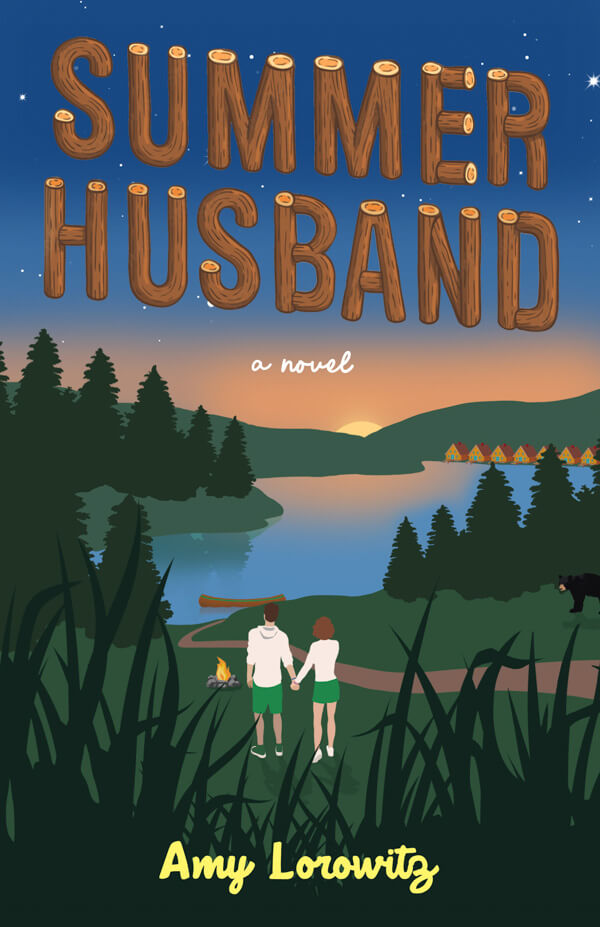
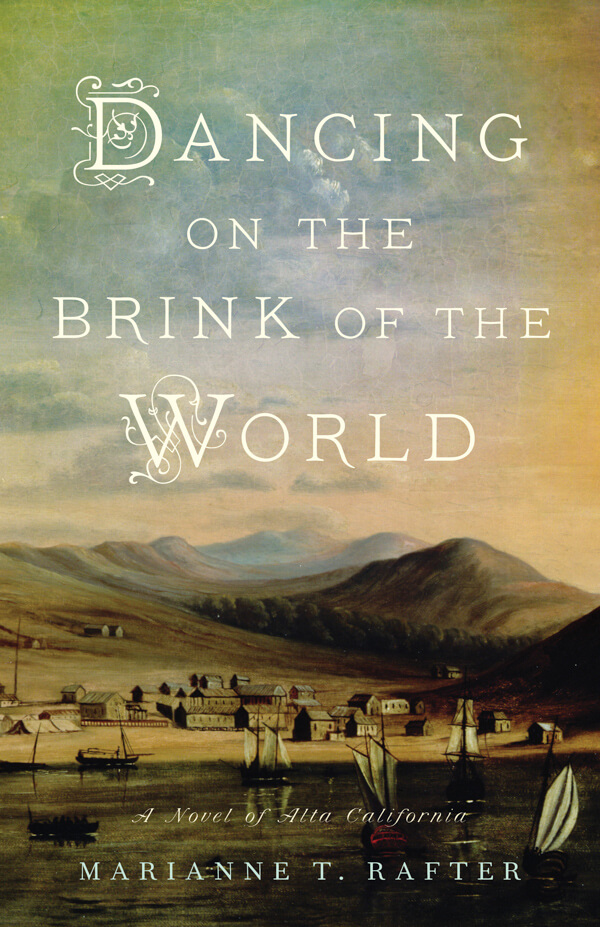
Brooke is also is a memoir coach and author of Write On, Sisters!, Green-light Your Book, What’s Your Book?, and three books on memoir. She’s also a TEDx speaker (“Green-light Revolution”), weekly podcaster (of “Memoir Nation” with co-host Grant Faulkner), and publishes a weekly newsletter, Writerly Things, on Substack at brookewarner.substack.com.
In March 2025, SWP joined The Stable Book Group as one of the inaugural imprints in this new publishing collective. Brooke became Stable Book Group’s COO while maintaining her role as Publisher of She Writes Press.
During the course of its existence SWP has worked with over 1300 authors.
Brooke’s own website is here.
She Writes Press website.
The Stable Book Group website.

Podcast: Play in new window | Download
Publishing Talks Interviews Thad McIlroy-Future of Publishing
November 24, 2025 by David
Filed under PublishingTalks, Technology, The Future
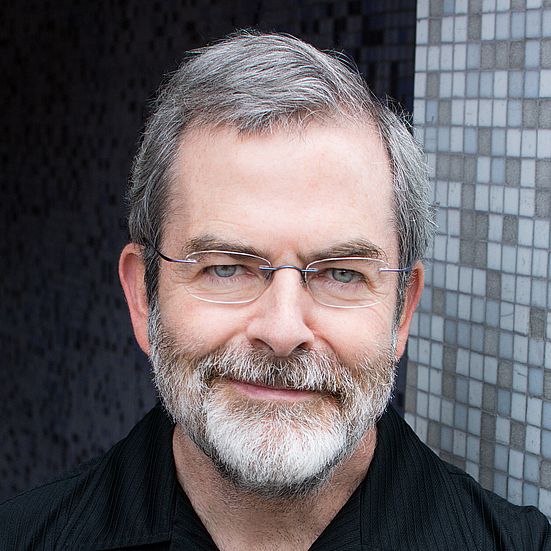 Publishing Talks started as a series of conversations with book industry professionals and others involved in media and technology, mostly talking about the future of publishing, books, and culture. It was great fun talking with people in the book industry about the evolution of publishing in the context of technology, culture, and economics.
In the past few years, I’ve talked with a variety of editors, publishers and others who have been innovators and leaders in independent publishing and bookselling in the past and into the present.
These conversations have been inspirational to me. I have had the pleasure of speaking with visionaries and entrepreneurs, editors, publishers and others who have influenced and changed contemporary literature and culture. I’ve also had the opportunity to speak with a number of friends and colleagues in the book business.
I really enjoy the opportunities to find out about the boundless creativity that motivates so many of us in the book business, and I also really enjoy talking to others in the business, who like me, have tried to make sense of it all in some way or another. That’s one of the reasons I have frequently sought out other publishing consultants, gurus, and observers over the years, to talk about various topics in publishing. Sometimes it is about the history of books, but more often during the past almost twenty years of this series, conversations have centered on change and the future of publishing.
And that brings me to Thad McIlroy, a publishing consultant and author whose aptly named website is The Future of Publishing. As you can imagine, Thad and I had a great time together, and I hope you will enjoy hearing what he has to say, especially about emerging technology. Thad is a really smart guy who understands publishing from multiple perspectives.
AI discussions cannot be avoided at this point. My current thinking is that the version of AI we have now (LLMs) is not going to be the AI technology that will eventually take over our world. In the meantime, human creativity is still valued and it would surprise no one if there is a massive backlash against this technology before too long, especially as it is applied to the creative arts. Would love to hear what listeners think, so feel free to comment.
Here’s what Thad sent me as a working bio: “Writing and publishing are in my blood—my father was an author and broadcaster, and Kenneth Grahame (The Wind in the Willows) was my third cousin. I began as a bookseller in Toronto, then founded Virgo Press (1977) and co-founded book distributor Beatty & Church (1979). In 1985, I created what I believe was the first trade book using desktop publishing technology.
Now based in San Francisco, I’m an electronic publishing consultant, and author. I co-founded Publishing Technology Partners and serve as contributing editor at Publishers Weekly, focusing on AI and innovation. My latest book is 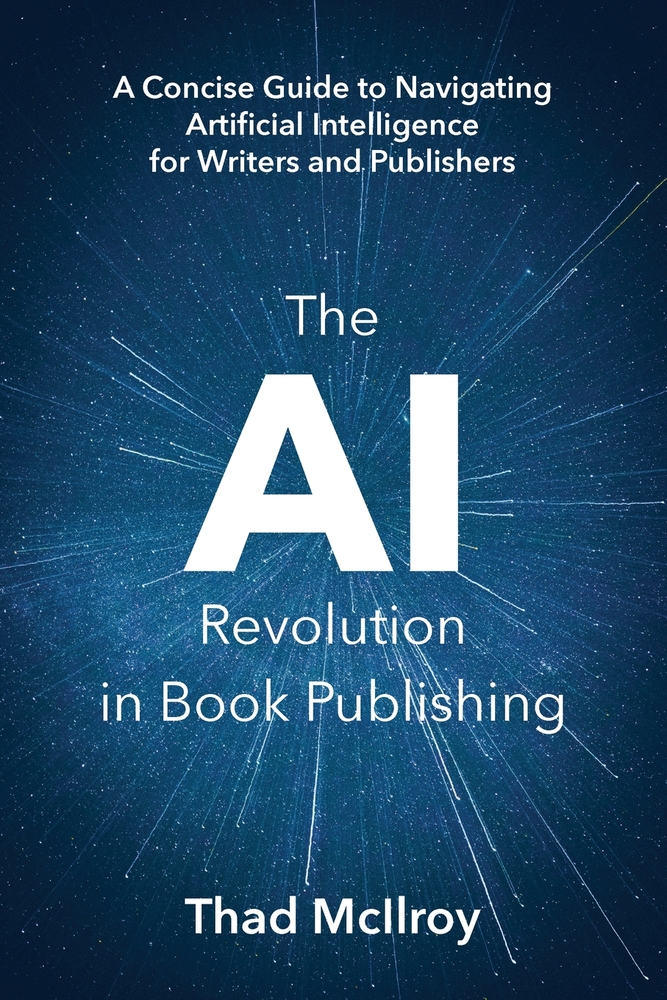 (2024, re 2025). I’ve authored dozens of books and articles exploring publishing technology, metadata, and industry transformation.”
Thad’s current interests are focused on AI. Here is a recent post of his on Onix 3 (if you’re not in the book business, this piece may be a bit in the weeds for you, but if you are in the business and care about data, search and findability, this matters – alot.)
Podcast: Play in new window | Download
Publishing Talks Interview with Leah Paulos Press Shop PR
September 4, 2024 by David
Filed under PublishingTalks, The Future
 Publishing Talks began years ago as a series of conversations with book industry professionals and others involved in media and technology. Most of these interviews originally involved the future of publishing, books, and culture, talking with people in the book industry about how publishing is evolving in the context of technology, culture, and economics.
Later this series broadened to include conversations to go beyond the future of publishing. In an effort to document the literary world, I’ve talked with a variety of editors, publishers and others who have been innovators and leaders in independent publishing in the past and into the present.
These conversations have been inspirational to me on many levels. I have gotten to speak with visionaries and entrepreneurs, as well as editors and publishers who have influenced and changed contemporary literature and culture. I’ve also had the opportunity to speak with a number of friends and colleagues I have met or worked with during the many years I have been in the book business.
More recently, I’ve been talking to book folks about what is going on in publishing today, quite often about the changes in marketing and promotion that have marked all media industries as social media has overwhelmed traditional media, creating an extremely complex and constantly changing environment.
One thing is certain about publishing – there are no final answers, but there are many really important questions that we should be asking all the time.
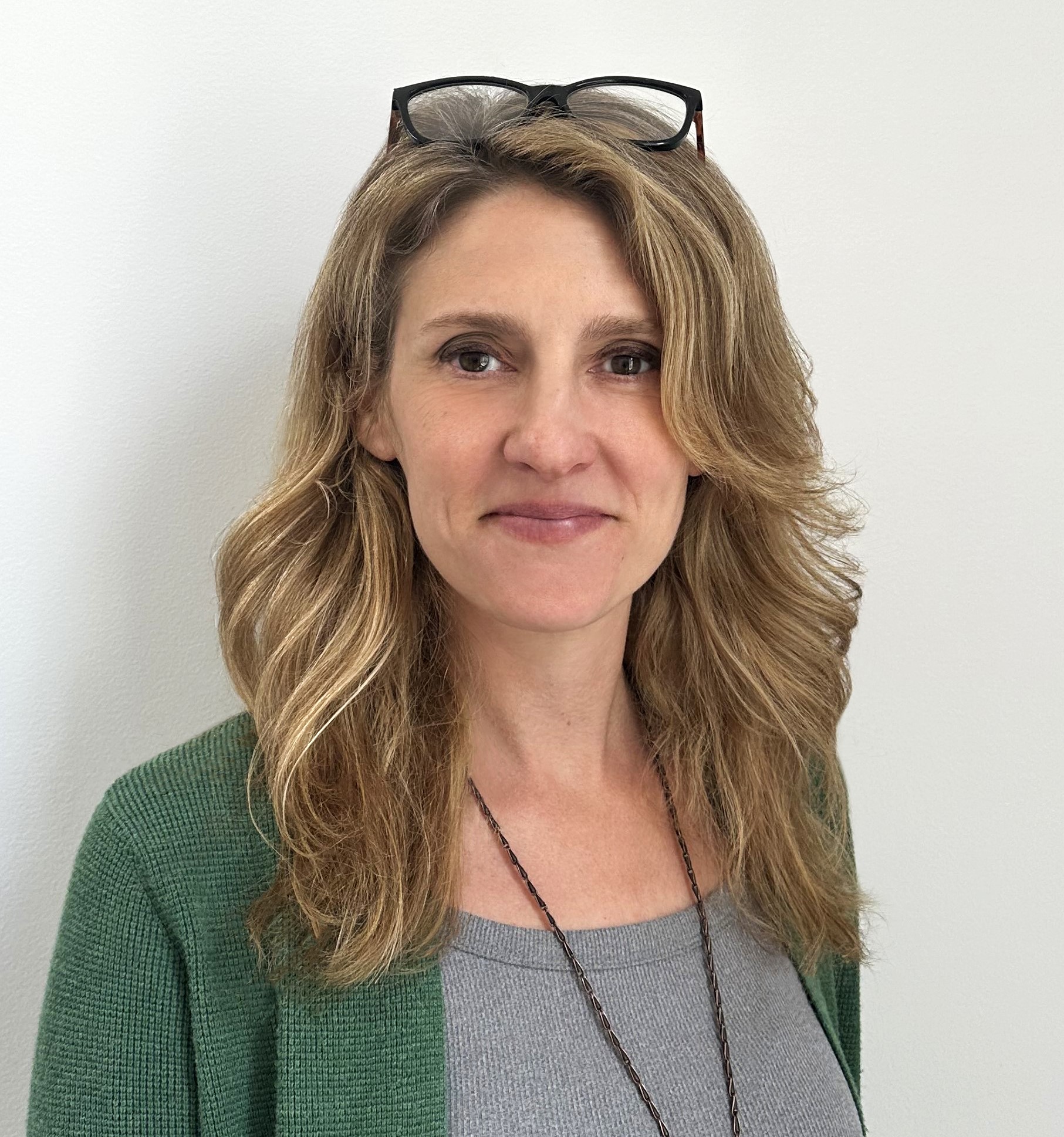
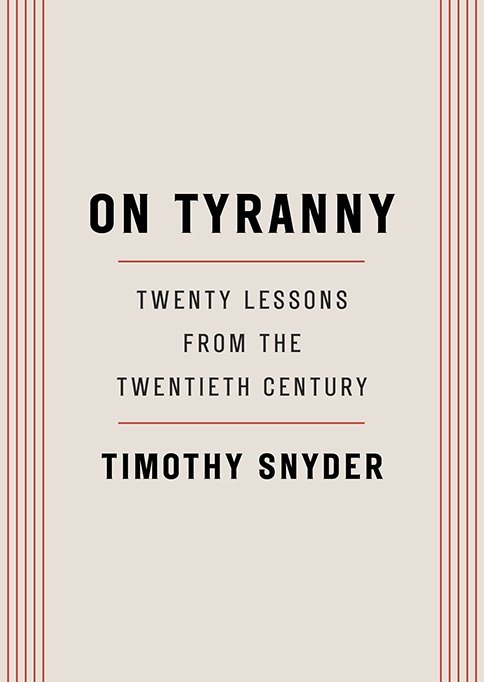
I recently had the opportunity to (virtually) meet and talk to Leah Paulos about some of these questions. Leah is the Founder and Director of Publicity at Press Shop PR and Book Publicity School, and has worked in books and media for over 25 years. Leah has spoken on book publicity at Columbia School of Journalism, CUNY Graduate Center, and as part of her regular workshop series, Book Publicity for Literary Agents. She’s been a magazine editor and a writer, before shifting careers and becoming a book publicist in 2006. She launched her own business, Press Shop PR in 2012 and has worked on campaigns for over 300 authors since its launch, including for ON TYRANNY by Timothy Snyder, MARCH by Rep. John Lewis, and WELCOME TO THE UNIVERSE by Neil deGrasse Tyson.
In 2023, Leah launched Book Publicity School to bring professional PR support directly to authors, as so often today, book publishers require their authors to lead their own publicity efforts. With workshops and coaching programs, Book Publicity School provides authors with tools, strategies, and know-how to effectively advocate for their own work.
With an ever increasing abundance of book product in the market, every author and every publisher is desperately trying to figure out how to reach readers. Our creativity and ability to innovate are constantly being challenged. We need more conversations like this one to help spur us advance our thinking. Authors and publishers alike want to know what works, what doesn’t. And what is on the horizon. Since everything is changing all the time, the only way to keep up is to talk to as many people as possible about what they are doing and what they are observing. I hope this conversation will therefore be useful to writers, publishers, and readers as well.
Please ping me if you have any questions or ideas spurred by this discussion.
Podcast: Play in new window | Download
Publishing Talks: Interview with Josh Schwartz of Pubvendo
May 9, 2023 by David
Filed under PublishingTalks, Technology
 Publishing Talks began as a series of conversations with book industry professionals and others involved in media and technology, mostly talking about the future of publishing, books, and culture. I’ve spent time talking with people in the book industry about how publishing is evolving in the context of technology, culture, and economics.
Later this series broadened to include conversations that go beyond the future of publishing. In an effort to document the literary world, I’ve talked with a variety of editors, publishers and others who have been innovators and leaders in independent publishing in the past and into the present.
These conversations have been inspirational to me on many levels. I have gotten to speak with visionaries and entrepreneurs, as well as editors and publishers who have influenced and changed contemporary literature and culture. I’ve also had the opportunity to speak with a number of friends and colleagues I have met over the many years I have been in the book business.
Josh Schwartz is someone I met at a Book Expo several years ago (remember trade shows? Book Expo, previously known as the American Booksellers Association was an important social gathering for the book industry for more than 50 years, fostering a sense of community that is now lost). As often was the case at old-fashioned industry gatherings, it was purely a chance connection, as we sat together to eat lunch at the Javits Center one busy afternoon. That meeting is emblematic of how a good trade show can work – a chance meeting with someone that turns into a long term business connection and friendship.
Josh was then just launching his company, Pubvendo to specialize in digital marketing for books, working with authors and publishers of every size and kind. Now that it’s been some years he and his team have been at it, the work puts him in the middle of a very interesting part of the book business. Most of us agree that while publishing is not without challenges, marketing is the hardest thing we do. Every new book that is published is an entirely new product (unless it is part of a series or written by an author with an established brand). Every new book must be thought about and in some way “represented” or “presented” to potential readers, booksellers, librarians, media outlets, all of whom are busy, often overwhelmed with information, and hard pressed to notice any one book over any other. How do we find readers and help them discover our books when they have so many other books and media forms to choose from? That is the challenge of book publishing in the digital era. Data driven online marketing as practiced by Pubvendo and only a few other businesses is one way for publishers and authors to make those crucial connections. And while it might be “inside baseball” for some, this is a subject that most of us in the book business have to think about all the time.
Josh is both the Founder and Chief Executive Officer of Pubvendo, which makes him responsible for digital campaign methodology, strategy, and execution. He started in the book business in 2010, working for digital production companies, Aptara and Jouve. He holds a bachelor’s degree in American Literature from George Mason University and a master’s degree from Georgetown University.
Aside from his literary interests, which inform his day-to-day work with publishers and authors, he’s willing and able to engage with a variety of subjects and try to find ways to connect books of all kinds with the right readers – especially the ones who want to buy those books. It is no easy thing to navigate the continuously changeable online universe, but Josh seems better equipped than most to figure it out and at the same time, have some fun and enjoy the ride.
In this conversation, we covered a wide range of topics relating to marketing and publishing – primarily focusing on digital matters but really this is about marketing books in an extremely complex and constantly changing environment. We even talked about AI, the latest and greatest in a series of “new developments” that have faced book publishing over the last twenty years or more.
One thing is certain – there are no final answers, but there are always alot of really important questions.

Podcast: Play in new window | Download
Publishing Talks: Interview with Dan Harke of Mayo Clinic Press
October 5, 2022 by David
Filed under PublishingTalks, The Future
 Publishing Talks began as a series of conversations with book industry professionals and others involved in media and technology, mostly talking about the future of publishing, books, and culture. I’ve spent time talking with people in the book industry about how publishing is evolving in the context of technology, culture, and economics.
Some time back, this series broadened to include conversations that go beyond the future of publishing. In an effort to document the literary world, I’ve talked with a variety of editors, publishers and others who have been innovators and leaders in independent publishing in the past and into the present.
These conversations have been inspirational to me on many levels. I have gotten to speak with visionaries and entrepreneurs, as well as editors and publishers who have influenced and changed contemporary literature and culture. I’ve also had the opportunity to speak with a number of friends and colleagues I have met over the many years I have been in the book business.
This week, I talked to Dan Harke, who manages the Mayo Clinic Press in Rochester, Minnesota. Mayo Clinic is doubtless familiar to Writerscast listeners – it is probably the best-known health care organization in America. It has 73,000 employees (including thousands of MDs) and cares for more than 1.4 million people annually. Mayo is almost always ranked as the number one hospital in the US.
For many years, Mayo Clinic licensed content to established publishers, and sold books direct to consumer only through its mail order business associated with its long-running Mayo Health Letter. Several years ago, Mayo established the Mayo Clinic Press to publish its own books, and now is in the process of growing to become a full line trade publisher, while still maintaining its mission-driven commitment to healthcare for the greater good. Aside from consumer health books, Mayo is now publishing children’s books, ebooks, audio books and podcasts, as well as its still vibrant health letter.
Dan comes to publishing from a diverse background with skills and knowledge in health care, marketing, and innovation, which gives him a very different perspective about publishing than many of us with experience mostly in trade publishing, so I think this conversation will be of interest to many Publishing Talks listeners.
You can look at MCP’s terrific website here.
In the interest of full disclosure, I want to mention that I am a consultant to MCP on trade publishing and marketing matters.
Podcast: Play in new window | Download
David Wilk interviews Peter Costanzo of Associated Press
October 2, 2016 by David
Filed under Ebooks and Digital Publishing, PublishingTalks, Technology, The Future
 Publishing Talks began as a series of conversations with book industry professionals and others involved in media and technology about the future of publishing, books, and culture. As we continue to experience disruption and change in all media businesses, I’ve wanted to talk with people involved in our industry about how publishing might evolve as our culture is so influenced by technology, within the larger context of a change across human civilization.
This series has expanded to include conversations that go beyond the future of publishing. I’ve talked with editors and publishers who have been innovators and leaders in independent publishing in the past and into the present, and will continue to explore the ebb and flow of writing, books, and publishing in all sorts of forms and formats, as change continues to be the one constant we can count on.
Back in 2011 I spoke with my friend Peter Costanzo, who even then was one of the most experienced and knowledgeable digital thinkers in the book industry. Five years later, as digital publishing has evolved and to some extent stabilized, I thought it would be useful to speak to him again to benefit from his perspective as an active participant in this aspect of our industry.
Peter is now the Digital & Archival Publishing Manager for The Associated Press. He is an award-winning book producer who also teaches the “New Media Technology: Formats and Devices” course at NYU.
Peter is also now known for being the person who taught Donald J. Trump (yes that guy) how to use Twitter! This story was widely reported earlier this year, gaining Peter considerable attention and perhaps, notoriety. Here is what the AP said in its story:
Costanzo crossed paths with Trump in 2009 when he was working as online marketing director for the publisher putting out the businessman’s book, “Think Like a Champion.” Twitter was still in its infancy at the time. But Costanzo saw the 140-character-per-message platform as a new tool that the real estate mogul could use to boost sales and reach a broader audience.
He was given seven minutes to make his pitch to Trump — “Not five minutes, not 10,” Constanzo said — in a boardroom at Trump Tower in Manhattan that appeared to be the same one used on Trump’s reality television show.
Trump liked what he heard.
“I said, ‘Let’s call you @RealDonaldTrump — you’re the real Donald Trump,'” Costanzo said. “He thought about it for a minute and said, ‘I like it. Let’s do it.'”
Our talk for this occasion focused on much more serious and meaningful matters, however.
You can follow Peter on Twitter @PeterCostanzo and Writerscast @writerscast.
Podcast: Play in new window | Download
Publishing Talks: David Wilk interviews Eugene Schwartz
June 9, 2013 by David
Filed under Ebooks and Digital Publishing, Publishing History, PublishingTalks, Technology, The Future
 In this series of interviews, called Publishing Talks, I have been talking to book industry professionals and other smart people about the future of publishing, books, and culture. This is a period of disruption and change for all media businesses. We must wonder now, how will publishing evolve as our culture is affected by technology, climate change, population density, and the ebb and flow of civilization and economics?
I hope these Publishing Talks conversations can help us understand the outlines of what is happening in the publishing industry, and how we might ourselves interact with and influence the future of publishing as it unfolds.
These interviews give people in and around the book business a chance to talk openly about ideas and concerns that are often only talked about “around the water cooler,” at industry conventions and events, and in emails between friends and they give people inside and outside the book industry a chance to hear first hand some of the most interesting and challenging thoughts, ideas and concepts being discussed by people in the book business.
Gene Schwartz has been an active participant in the publishing business for many years. I first knew him as the ubiquitous representative of the magazine Foreword, covering every possible book and technology event for the benefit of independent publishers. He still works as editor at large of Foreword Reviews. He is an industry observer, an occasional blogger and columnist for Book Business magazine, a member of its editorial advisory board and its Publishing Business Conference and Expo Advisory Board. He heads his own publishing consultancy, Consortium House, and is currently engaged in new business development projects for Waterside Productions, He is also notably co-founder of Worthy Shorts Inc., an innovative online private press and publication service for professionals , publishers and associations
In an earlier career, he was in the printing business, directed production at Random House and CRM Books/Psychology Today and was director of production and operations for Prentice-Hall/Goodyear. He is a former PMA (IBPA) board member and founder of the San Diego Publishers Group.
Schwartz has a civil engineering degree from CCNY and completed graduate course work in public administration at NYU, so like many of us in the publishing business, he came to this business from a very different background.
I thought it would be valuable to talk to Gene about publishing, past, present, and future, since he has been involved in so many different aspects of the business over such a long period of time. He is consistently perceptive about the way technology and change can be harnessed by publishers and others in the book business, and has a terrifically tuned critical sensibility that he can bring to bear on any subject. We had a great talk and covered a wide range of subjects in this interview.
Podcast: Play in new window | Download
Publishing Talks: David Wilk interviews Andrea Fleck-Nisbet
April 8, 2012 by David
Filed under Ebooks and Digital Publishing, PublishingTalks, Technology, The Future
 In this series of interviews, called Publishing Talks, I talk to book industry professionals and other smart people about the future of publishing, books, and culture. This is a period of disruption and change for all media businesses. How will publishing evolve as our culture is affected by technology, climate change, population density, and the ebb and flow of civilization and economics?
I hope these Publishing Talks conversations will help us better understand the outlines of what is happening in publishing, books and reading culture, and how we can ourselves both understand and influence the future of books and reading.
I have met and talked to a wide range of people involved in publishing and books over the past few years and I’ve interviewed quite a few of them for this series of podcasts. I noticed recently that I have not done very many interviews lately with people who are involved in creating digital reading experiences (also known as “ebooks”). Andrea Fleck-Nisbet, the Director of Digital Publishing at Workman Publishing wrote a piece for American Libraries Magazine called “A Publisher’s Perspective on Ebooks” that caught my eye. In this article, she wrote cogently about e-publishing as seen from the perspective of a leading trade publisher, so I thought that talking to Andrea for this series of Publishing Talks interviews would be fun and interesting.
Andrea has been at Workman for nine years and has worked on their digital initiatives since 2007. Workman is well known in the book industry for its innovative books and deep commitment to marketing and understanding what readers want.
We had a great talk about where things are today in e-publishing, and how we can expect it to evolve over the next few years. As Andrea’s American Libraries article was headlined: “the digital revolution has transformed every aspect of the publishing business.” Many of us know this to be true in theory, but not everyone can speak to all the myriad elements of publishing that are involved in making over an entire business. Andrea’s practical experience in digital publishing inform her perspective and make her well worth listening to.
Podcast: Play in new window | Download
Publishing Talks: David Wilk interviews Brian O’Leary about The Opportunity in Abundance
March 18, 2012 by David
Filed under Ebooks and Digital Publishing, PublishingTalks, Technology, The Future
 In this series of interviews, called Publishing Talks, I talk to book industry professionals and other smart people about the future of publishing, books, and culture. This is a period of disruption and change for all media businesses. How will publishing evolve as our culture is affected by technology, climate change, population density, and the ebb and flow of civilization and economics?
I hope these Publishing Talks conversations will help us better understand the outlines of what is happening in publishing, books and reading culture, and how we can ourselves both understand and influence the future of books and reading.
Brian O’Leary’s Magellan Media provides research, benchmarking and business planning services that help smaller and medium-sized publishers manage and grow their top- and bottom-line results. Magazine, book and association publishers often engage Magellan to improve their content workflows across platforms and uses.
Brian frequently is called on to make industry presentations and he blogs regularly about critical matters in publishing (both for books and magazines). I follow his work closely. One of the pieces he published in October, 2011, called the Opportunity in Abundance, spurred me to talk to him once again for Publishing Talks. Today we live in an age of content abundance. Most publishers realize this as it affects them on a daily basis.
Brian has laid out an analysis of content abundance that I think will enable publishers to make sense of this new reality, and how to work successfully within it. His understanding of digital content should help publishers create their own contextual framework for thinking about how to do business in a radically new environment. It’s a great piece to read (as are his related essays), and this interview should help amplify and explain further some of his ideas. Of course, we did not always stick to the subject at hand, but were able to cover a wide range of related ideas that I hope will be interesting and useful to anyone interested in the current state of the publishing business.
Here is the specific link to his essay The Opportunity in Abundance. Brian is a terrific writer – he’s always able to be clear, insightful and understandable. I recommend reading through the archives at Magellan Media. And I also interviewed him in 2009, when we talked about piracy, another issue he has written about with great incisiveness.
Podcast: Play in new window | Download
Publishing Talks: David Wilk Interviews John Sundman
January 5, 2012 by David
Filed under Ebooks and Digital Publishing, PublishingTalks, Technology, The Future
 In this series of interviews, called Publishing Talks, I talk to book industry professionals and other smart people about the future of publishing, books, and culture. This is a period of disruption and change for all media businesses. How will publishing evolve as our culture is affected by technology, climate change, population density, and the ebb and flow of civilization and economics?
I hope these Publishing Talks conversations will help us better understand the outlines of what is happening in publishing, books and reading culture, and how we can ourselves both understand and influence the future of books and reading.
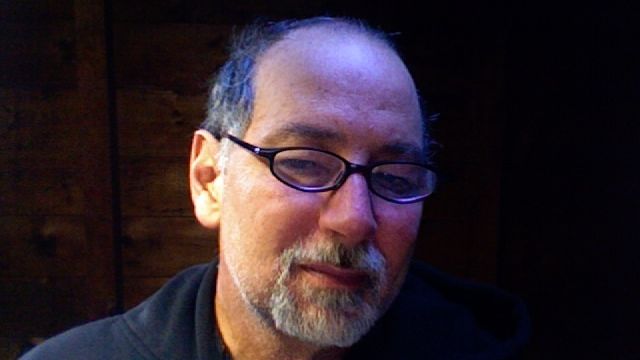
I’ve had the pleasure of knowing John Sundman for only a brief period of time, but value my emerging friendship with him greatly. He’s been a writer in a variety of forms, and a visionary thinker about many things I am interested in. He’s been a self publisher for quite some time, and I thought his experience doing his own publishing would be a good starting point for a conversation about where publishing appears to be going. Here’s his bio (from his Smashwords page):
John Sundman is a freelance technical writer, essayist, novelist, self-publisher, volunteer firefighter, food pantry co-director, former Peace Corps Volunteer, husband, father, and advocate for people with disabilities who resides on the island of Martha’s Vineyard, very near to Massachusetts, USA. He has spent more than 20 of the last 30 years somehow connected to the Silicon Valley/Boston high-tech/computer industry. He also has experience as a farmer, student of agricultural economics, and worker in rural African agricultural development. His books are more subtle than they appear.
John blogs with a number of other free thinking visionaries at Wetmachine (“we write about, mostly, the nexus of technology, science and social policy in the USA. We also write about software praxis, technoparanoia, the craft of writing, self-publishing, politics, and random bullshit. Sundman and Gray, in particular, are leaders in the “random bullshit” category.”)
John’s books are quite good and well worth reading (here’s a review of his first book, Acts of the Apostles, that more or less set him on a successful path of self-publishing, an early web story, which serves as precursor for so many other stories of discovery). I could have interviewed him about one of his books, but I thought talking to him about publishing would give us a chance to talk more broadly. Do take a look at his books (widely available in online retail stores). And he’s finally doing a book with a publisher other than himself, an overhauled and rewritten Acts of the Apostles with the esteemed Underland Press. 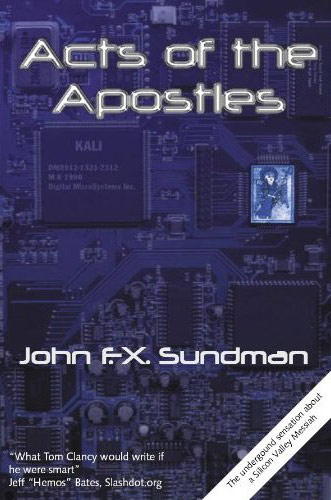
John and I had a great talk. I’ll be interested to hear from listeners what you think of some of his ideas.
.
Podcast: Play in new window | Download