
John Oakes: The Fast: The History, Science, Philosophy, and Promise of Doing Without
March 2, 2024 by David
Filed under Non-Fiction, WritersCast
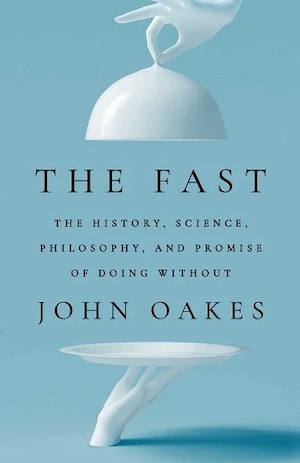 The Fast: The History, Science, Philosophy, and Promise of Doing Without—John Oakes—Avid Reader Press / Simon & Schuster—Hardcover —9781668017418—320 pages—$30—February 13, 2024—ebook versions available at lower prices
If you’re expecting to find a “how to guide to fasting” you will have to look elsewhere. John Oakes is far too good a writer and thinker to spend his time writing something simple like a guide book or even a “rah rah” tome aimed at encouraging you to take up the idea of “intermittent fasting” for yourselves. You might decide to try it out after reading The Fast, but that’s not his purpose and not why you should want to read this book. If you are already engaged in fasting, you should read this book. Perhaps it will be most especially useful during the meditative moments while you are in the midst of your own fast.
Oakes is more interested in a deeper approach to this practice, giving it historicity and enabling us to explore for ourselves how denial of a core bodily function can alter consciousness and help us better understand ourselves. This kind of antidote to the habits of modern life does have an appeal to many of us, but even if you are not going to be a practitioner, you will find yourself captivated, as he is, by the science, history, philosophy and spiritual background of fasting and the denial of physical needs. For Oakes, the ideas and the connection to human spirituality are as important as the specific practices themselves. I’m glad of that, as it makes reading this book that much more rewarding to engage with.
I will also note that Oakes, who has been an editor and publisher for many years, is a really terrific writer and therefore you can read this book for the pleasure good writing affords. As I am sure many of you who listen to this podcast have noticed, there are a lot of badly written books out there and no one wants to spend their limited time reading them. Given the vast number of choices of what to read, it is a particular joy to discover a really good writer. Bravo Oakes for spending a lifetime learning how to write, and bravo Avid Reader Press for publishing this book. I hope you will consider reading it yourself after you listen to our conversation here. Whether you decide to fast or not. For myself, much as I like this book, I am happier eating than not, even if it is an indication of my generally shallow approach to spirituality.
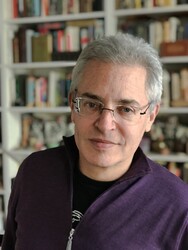
I’ve known John Oakes for a number of years through our mutual involvement in independent publishing. He is currently the publisher of The Evergreen Review. He is also editor-at-large for OR Books, which he cofounded in 2009. OR has been a singularly contrarian publisher for many years, built to demonstrate an alternative approach to traditional reliance on a certain popular online bookseller. Oakes has written for a variety of publications and The Fast is his first book.
We had alot of fun talking together about John’s book. Enjoy…
Podcast: Play in new window | Download
Enrique Salmón: Iwígara: American Indian Ethnobotanical Traditions and Science
January 9, 2022 by David
Filed under Non-Fiction, WritersCast
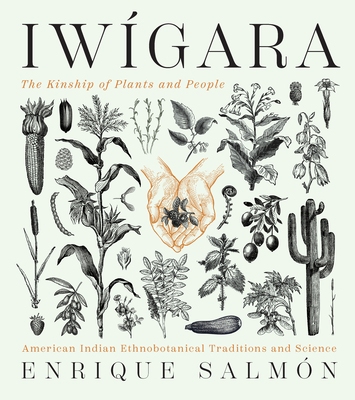 Iwígara: American Indian Ethnobotanical Traditions and Science, The Kinship of Plants and People — Enrique Salmón –Timber Press — 978-1-60469-880-0 — Hardcover – $34.95 – ebook and audio book versions available at lower prices
This is a truly incredible and hugely inspiring book for me. Enrique Salmón, a member of the Raramuri tribe from Mexico, has spent a lifetime learning and studying the medicinal and cultural properties of North American plants. He now teaches at California State University-East Bay in Hayward, California. His work may place him in academia, but he is fully engaged in the natural world.
Salmon begins his work with the deeply held knowledge that all life-forms are interconnected and share the same breath, which is called Iwígara in the Raramuri tribe.
In this book, Salmón presents us with eighty of the most important plants used by North American indigenous peoples. Of course, plants have always been used as food and medicine by indigenous peoples. What is important knowledge for those who are interested in engaging with a plant centric life are the passed down information about identification and harvest, the nature and applications of plants for food and medicine, and to understand how they have been central to traditional stories and myths for the disparate cultures across this continent.
Salmón honors the traditions and practices of so many different tribes here, and helps us understand the variation across different biomes and cultures of the people who live in them. Some of us learn deeply in a specific place across long periods of time, while others may trade breadth for depth. Native peoples are among the former, but most modern people fall into the latter category. A book like this one helps bridge the two different approaches to knowledge. Salmón recognizes that tension, and manages it well here. He understands that one cannot live in deep connection to the natural world without choosing a place in which to live. But readers need to know where to begin, and this book can be an introduction for anyone who wants to begin their own journey of learning and knowledge about plants, healing and cultural traditions.
I should mention also that the book is beautifully designed and includes many excellent photographs and illustrations, most in color. It is excellent work, combining narrative with references suited to beginners and experienced naturalists alike.
Enrique is also the author of Eating the Landscape: American Indian Stories of Food, Identity, and Resilience (2012).
I was honored to have the opportunity to speak with Enrique Salmón for Writerscast about his work, and hope you will enjoy listening to a truly knowledgeable plant practitioner.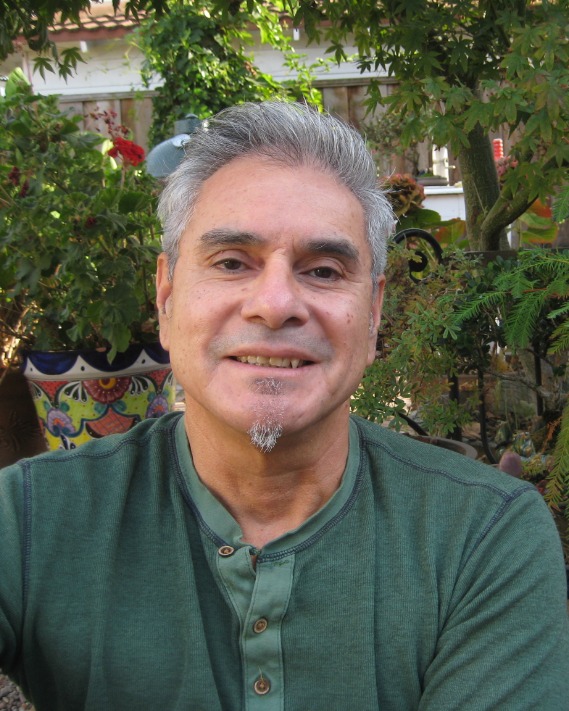
Purchase Iwígara from Bookshop.org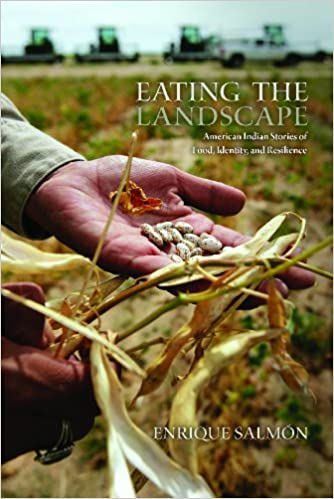
Podcast: Play in new window | Download
Fuchsia Dunlop: The Food of Sichuan
February 12, 2020 by David
Filed under Non-Fiction, WritersCast
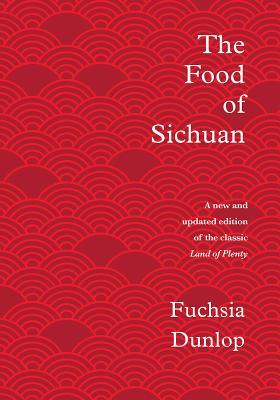 The Food of Sichuan (A New and Updated edition of Land of Plenty)- Fuchsia Dunlop – Hardcover – 978-1-324-00483-7 – 480 pages – W.W. Norton – October 15, 2019 – $40.00 – ebook versions available at lower prices.
I love cooking and I particularly love cooking Chinese cuisine, and among Chinese cuisines, my favorite has always been Sichuanese. I am by no means an expert chef, but as an educated and somewhat experienced eater and cook, books like The Food of Sichuan are wonderful for me to read and learn from. Now having spent some time with the recipes, I can attest that this is a spectacular book for anyone interested in becoming a better cook of any form of Chinese cuisine.
Fuchsia’s writing about traditional Sichuan cookery is illuminating, and her knowledge and awareness the issues facing western cooks make this book a pleasure to work with. And it is a beautifully produced book – so much so that I have had to be extremely careful as I cooked from it, as I did not want to splash soy sauce or hoisin on any of the pages of the book.
Nearly twenty years ago, Fuchsia’s first book, Land of Plenty, was viewed by many to be one of the greatest cookbooks of all time. In this new book, Dunlop returns to the region where her own culinary journey began, adding more than 70 new recipes to the original selection and adding new writing as well.
The Food of Sichuan offers home cooks the tools needed to make a broad range of Sichuan dishes, ranging from the simple to the complex. The book includes beautifully reproduced food and travel photography, as well as Dunlop’s extensive writing about the culinary and cultural history of Sichuan, home of one of the great cuisines of the world.
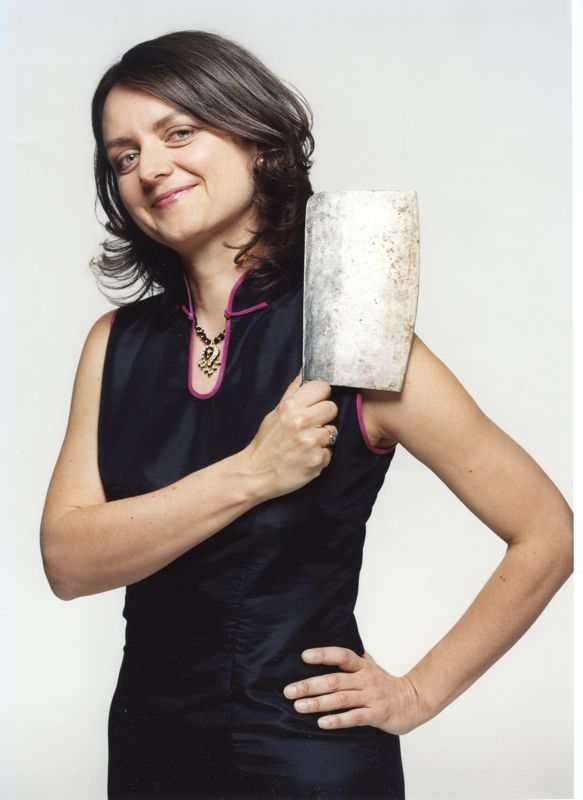
Fuchsia Dunlop is a cook and food-writer specializing in Chinese cuisine. She is the author of the award-winning Land of Fish and Rice: Recipes from the Culinary Heart of China (a collection of recipes from the Jiangnan or Lower Yangtze Region in eastern China), Every Grain of Rice: Simple Chinese Home Cooking; Shark’s Fin and Sichuan Pepper: A Sweet-Sour Memoir of Eating in China, an account of her adventures in exploring Chinese food culture; and two other now well-known books of Chinese cooking, Revolutionary Chinese Cookbook, and of course, the aforementioned Land of Plenty.
Fuchsia’s writing has appeared in many publications including Lucky Peach, Saveur, The New Yorker, and Gourmet. In the US, she has won four James Beard awards and was named ‘Food Journalist of the Year’ by the British Guild of Food Writers (GFW) in 2006. Shark’s Fin and Sichuan Pepper won the IACP Jane Grigson Award in the US, and the GFW Kate Whiteman Award for Food and Travel in the UK. Most recently, Land of Fish and Rice won the 2017 Andre Simon Food Book of the Year award.
She is a restaurant consultant in London, and has also consulted and taught Chinese cookery for companies including Williams Sonoma and Marks and Spencer. Dunlop has spoken and cooked at conferences and events in China, Barcelona, California, New York, Sydney and Singapore, and as part of the Transart festival in Bolzano, Italy.
Fuchsia Dunlop grew up in Oxford, England, and studied at Magdalene College, Cambridge University, Sichuan University, and the School of Oriental and African Studies in London. She speaks, reads and writes Chinese.
‘The best writer in the West… on Chinese food’ — Sunday Telegraph
‘Fuchsia Dunlop joins the ranks of literary food writers such as Elizabeth David and Claudia Roden.’ — Independent
‘A world authority on Chinese cooking… Her approach is a happy mixture of scholarly and gluttonous.’ — Observer Food Monthly
Support independent bookselling – purchase The Food of Sichuan from RJ Julia Booksellers in Madison, Connecticut, they will send the book to you promptly.
Visit the author’s excellent and comprehensive website here.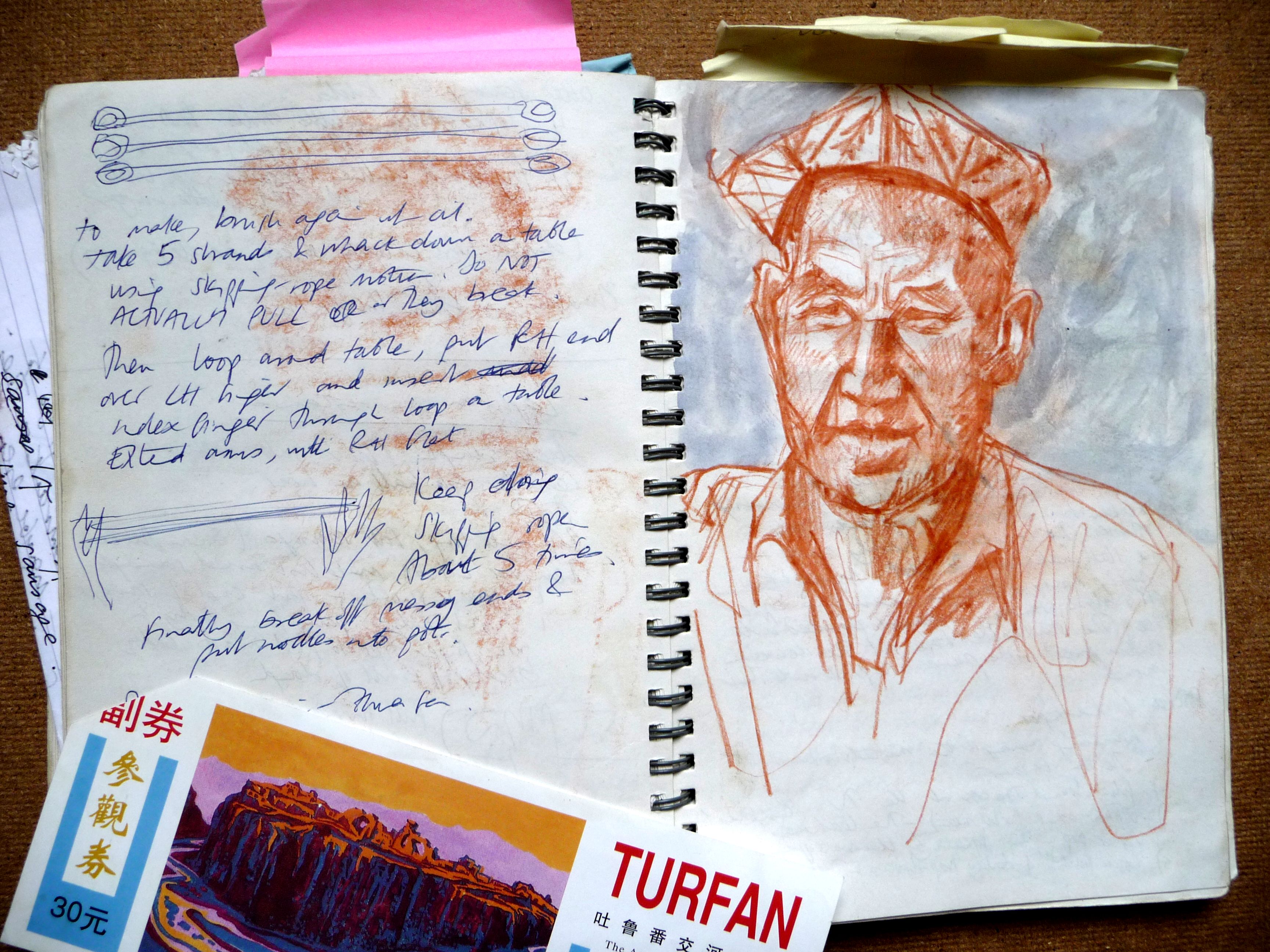
Podcast: Play in new window | Download
Gregory McNamee: Tortillas, Tiswin & T-Bones: A Food History of the Southwest
September 23, 2018 by David
Filed under Non-Fiction, WritersCast
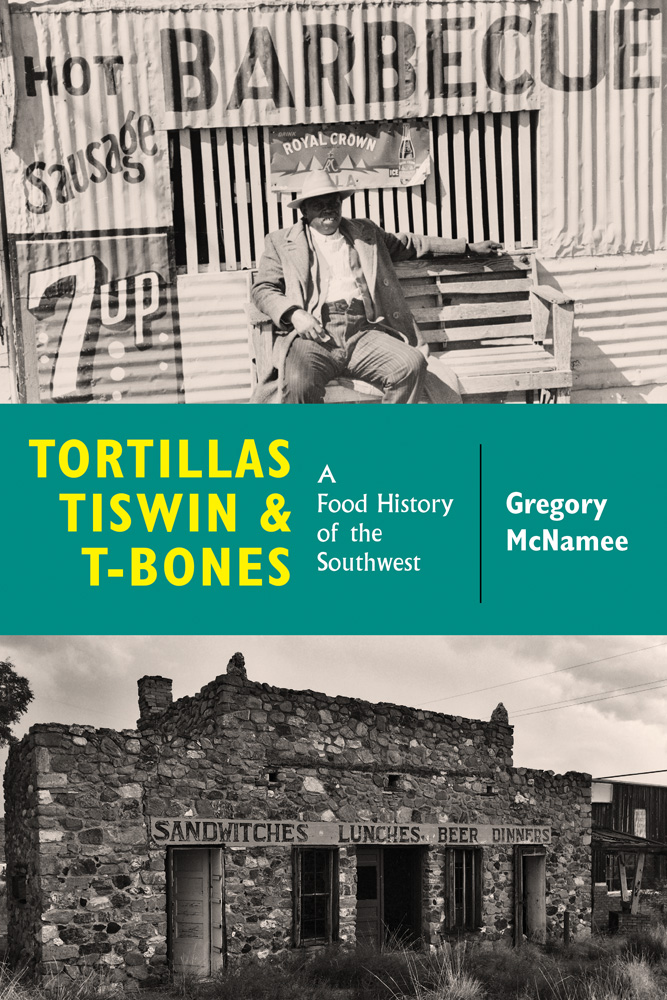 Tortillas, Tiswin & T-Bones: A Food History of the Southwest – Gregory McNamee – University of New Mexico Press – 256 pages – paperback – 9780826359049 – $24.95 – October 30, 2017 – ebook versions available.
According to the publisher, this book is an “entertaining history [of] the many ethnic and cultural traditions that have contributed to the food of the Southwest.” And while I do agree that the book’s style makes it a relatively compelling and easy book to read, I think its author, Greg McNamee, is trying to do much more than entertain. McNamee uses food and cooking as a lens to understanding culture, yes, but also to pinpointing the issues that face us in America as we try to grapple with climate change, to live reasonably and sustainably on the earth, and to work together with our fellow humans. There is no heavy handedness to his approach, but he never lets us forget the driving themes of his work, and his perspective.
McNamee starts off by going back to the earliest periods when humans arrived in the Americas, and takes us through the beginning of agriculture in Mesoamerica, and the ancient trade networks that evolved to connect peoples of the coasts, plains, and mountains. From there, he takes us through the various areas that comprise the loosely labelled southwestern region of America, up through the present day’s fusion of cultures and foodways from so many different areas that defines this cuisine now.
Covering just about everything edible in human cultures in what we consider to be the southwest region (which he defines a bit more broadly than most), from chili pepper and agave, to modern day cuisines that include Frito pie and other cross cultural inventions, McNamee traces a culinary journey through varieties of space and time, to get us where we are today and significantly, what the southwest and its food and people might look like in our emerging future.
Tortillas, Tiswin & T-Bones is indeed, a masterful work of accessible anthropology that was recognized as one of the 2017 Southwest Books of the Year. Since I love the southwest and its food, reading this book was a great pleasure for me.
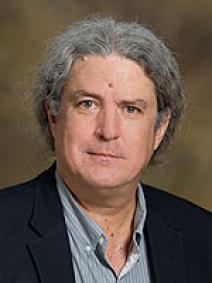
Greg McNamee is a writer, journalist, editor, photographer, and publisher. He is the author or editor of forty books and more than five thousand periodical contributions. He operates Sonora Wordworks, an editorial and publishing service, and is also the publisher of Polytropos Press.
McNamee is a research associate at the Southwest Center of the University of Arizona, and a lecturer in U of A’s Economics Department of the Eller College of Management. Additionally, he teaches courses and gives talks on writing, publishing, journalism, media and technology, as well as cultural and environmental issues. He lives in southern Arizona. Learn more about him and his work at his website.
It was a pleasure for me to get to speak with Greg, who is a great storyteller and conversationalist, and a I only wish we had been able to speak in person, and for a much longer period of time. And I was very pleased to learn how to pronounce “tiswin” too.
This book feels like sitting down to a dinner with Diana Kennedy and Jim Harrison, tequila in hand and great conversation going long into the night. It’s alive, a love story, a timeless journey. I absolutely loved reading it and will treasure Gregory McNamee’s words for a long time to come.
— Tracey Ryder, cofounder of Edible Communities and coauthor of Edible: A Celebration of Local Foods
Tortillas, Tiswin, and T-Bones sends the reader on a riveting adventure, tracking the origins of Southwestern ingredients and culture to reveal American history through food. McNamee’s prose is deft and authoritative, and this is a highly original, timely book.
—Kate Christensen, author of Blue Plate Special and How to Cook a Moose
Podcast: Play in new window | Download
Jane Ziegelman and Andrew Coe: A Square Meal: A Culinary History of the Great Depression
July 17, 2017 by David
Filed under Non-Fiction, WritersCast
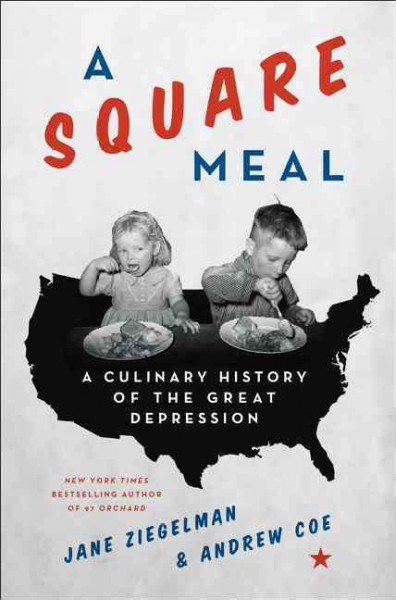 A Square Meal: A Culinary History of the Great Depression – Jane Ziegelman and Andrew Coe – HarperCollins – paperback now available – 9780062216427 – 336 pages – $15.99 – ebook versions available at lower prices.
First, let me say that this is one of the most interesting, readable and thought-provoking works of American history I have read in a long time. It’s interesting to think about how two writers can work together to create a consistent and compelling authorial voice – Andrew and Jane have done that brilliantly. One must assume they have a very special marriage that enables them to both collaborate and live happily together.
If you are interested in food and how the American palate has changed over time, this book will certainly have much to offer. But I think the story here is broader than it may first appear. It’s not just a “culinary history” but a comprehensive social history of one of the most important periods of American life told through the issues surrounding food and nutrition in a challenging time.
Yes, it is “an in-depth exploration of the greatest food crisis the nation has ever faced – and how it transformed America’s culinary culture,” but I think the larger story is that this book uses food as the lens to through which to view how Americans lived during our greatest economic and cultural crisis.
History writing that brings the past to life and engages us in the human dimensions of the big moments of the past is real storytelling. This kind of writing helps us understand and sympathize with the people who came before us. It makes us better able to deal with our own crises, of which there are indeed many.
So this book is important whether food is “your thing” or not. I’d recommend reading it no matter your specific interests, just because it will make you think, will make you care, and will help you to feel that the past really is always prologue. It was a great pleasure to have the opportunity to talk in person with Jane and Andrew about A Square Meal.
Jane Ziegelman is the director of the Tenement Museum’s culinary center and is founder and director of Kids Cook!, a multiethnic cooking program for children. Her writing on food has appeared in numerous publications, and she is the coauthor of Foie Gras: A Passion.
Andrew Coe is a writer and independent scholar specializing in culinary history, and the author of Chop Suey: A Cultural History of Chinese Food in the United States, which was a finalist for a James Beard Award. He appeared in the documentaries The Search for General Tso and Eat: The Story of Food. Jane and Andrew live in Brooklyn, New York. And recently, A Square Meal was announced the winner of the 2017 James Beard Award for best nonfiction book of the year.
NPR’s Fresh Air did a wonderful interview (called “Creamed, Canned and Frozen”) with Jane and Andy about this book in August, 2016. And I interviewed Andy about his book, Chop Suey for Writerscast a few year ago.
Photo of the authors by Sasha Maslov for The New York Times.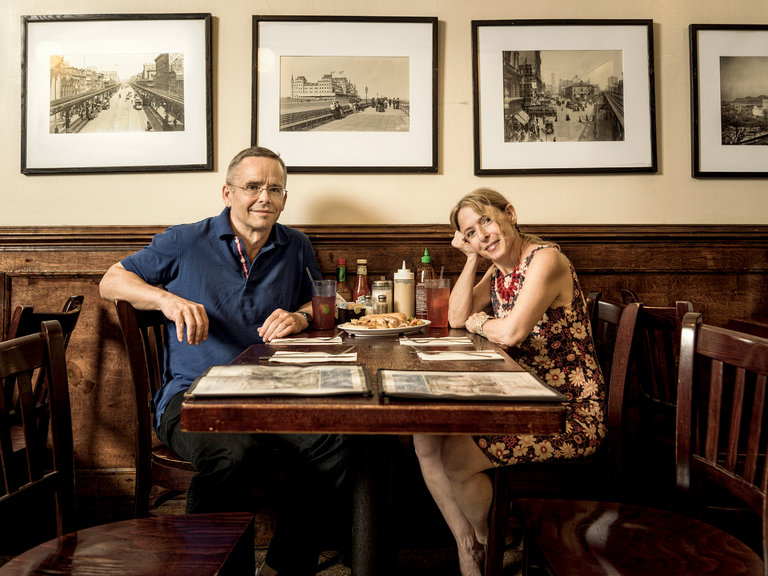
Podcast: Play in new window | Download
Anna Lappe: Diet for a Hot Planet
July 2, 2011 by David
Filed under Non-Fiction, WritersCast
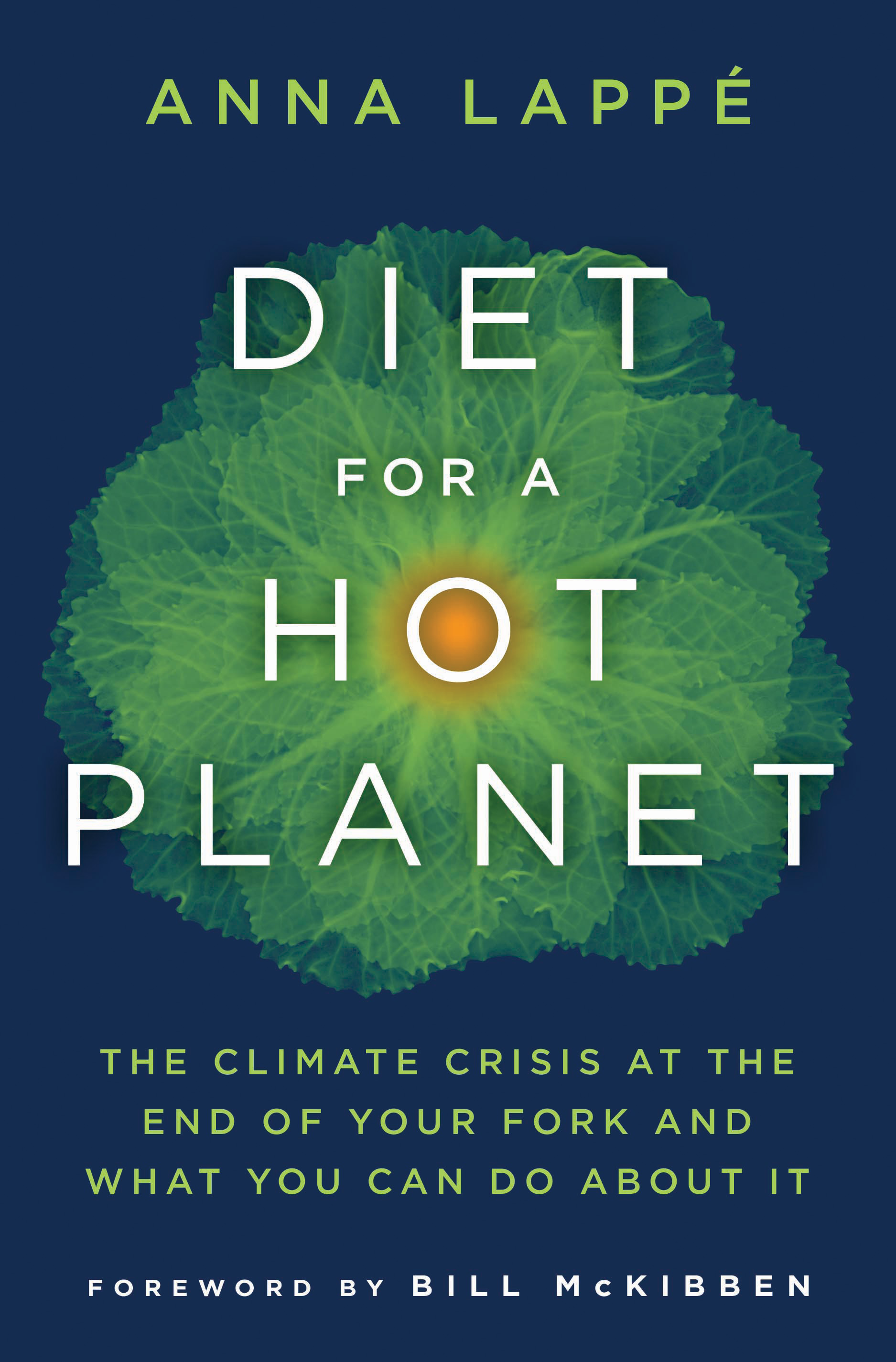 978-1-60819-465-0 – Bloomsbury – Paperback – $15.00 (ebook editions available)
Anna Lappe´ is the daughter of the well-known activist and writer Frances Moore Lappe´, author of the classic Diet for a Small Planet, a book that introduced Americans to the idea of thinking about food and its role in ecology and the world economy, and how food is so deeply intertwined with economics and politics. Anna has therefore been involved in food issues since she was a child. She and her mother collaborated on another interesting and challenging book, Hope’s Edge in 2002. So it’s not a surprise that she is so thoroughly cogent and coherent writing and talking about food issues in the context of climate change.
As Anna says on one of her many website, takeabite.cc, “the food system is responsible for as much as one-third of all greenhouse gas emissions. These emissions are particularly alarming because the food sector is the biggest driver behind methane and nitrous oxide emissions, which have global warming effects many times more powerful than carbon dioxide.” In Diet for a Hot Planet, Lappe´ goes straight to the heart of the issue: if we are going to think about the global climate crisis, we have to think about our food system, and if we are going to make change to mitigate the effects of climate change, we must make changes (now) in the global industrialized food system that dominates most of the world today.
This book was extensively and deeply researched; Lappe´ talked to many scientists, went to UN, governmental, corporate, and grassroots agriculture conferences, worked her way through many lengthy and dense reports and studies, and also visited organic farms around the world.
In this book she has put together an impressive array of facts proving that global industrial agriculture—specifically the use of hazardous chemicals, concentrated animal feeding operations, biotech crops, and processed foods—is impoverishing the land, destroying rain forests, polluting waterways, and emitting nearly a third of the greenhouse gases that are heating the planet.
By contrast, intelligently designed and operated organic-farming methods reduce carbon emissions and toxic waste while at the same time nurture soil and biodiversity. Lappe´is convinced (and will likely convince you) that eating according to ecologically appropriate principles can not only influence the marketplace and help combat world hunger and climate change, but will make us healthier and safer as well. Lappé also decodes food labeling, exposes Big Ag’s “greenwashing” tactics, and offers “seven principles of a climate-friendly diet.”
With a terrific foreword by the brilliant Bill McKibben, Diet for a Hot Planet should be essential reading for anyone who is trying to grapple with making real change in the way we live on this fragile planet. Anna is a terrific public speaker and our talk for WritersCast is lively, full of information, and optimistic and positive as Anna herself.
Anna Lappe´related organizations and websites should be on your bookmark list:
Take a Bite Out of Climate Change

Podcast: Play in new window | Download
Andrew Coe: Chop Suey: A Cultural History of Chinese Food in the United States
March 17, 2010 by David
Filed under Non-Fiction, WritersCast
 978-0195331073 – Hardcover – Oxford University Press – $24.95
Andrew Coe is a very fine writer indeed – his experience as a journalist shows. Like Mark Kurlansky (Cod, still one of my favorite books among many others he has written), Andrew takes deeply researched historical information and presents them smoothly, telling stories that are packed with fascinating details to bring a subject we think we know into much clearer perspective.
In Chop Suey, Coe takes us on a long journey, beginning in 1784 with the earliest contacts between Americans and China. Throughout, it is hard not to be surprised and sometimes embarrassed by the incredible self centered and disrespectful Americans. At times they were better at understanding and working with the absolute foreignness of Chinese culture and experience than were the Europeans, but only marginally so. At the time the first wave of Chinese immigrants came to America in the mid-19th century, only a few Americans knew anything meaningful or substantive about China and the Chinese, and much of what they did “know” was untrue or seriously exaggerated. And later, American xenophobia reached astonishing heights, as Coe documents, with the now forgotten banning of citizenship to Chinese people who had as much right to be here as any other immigrants.
The gulf of understanding between Americans and Chinese had a great deal to do with the way Chinese food was received in this country, but Coe documents in compelling detail, the way that Chinese cuisine came to become the integral part of the American cuisine that it is today, with over 40,000 Chinese restaurants of many different kinds. With the gradual Chinese migration to the East Coast, eventually New York “Bohemians” discovered Chinese restaurants, and made wildly popular, the seemingly new dish, chop suey. In fact, according to Coe, it was a peasant cuisine from one part of China that came to dominate Chinese-American restaurants.
There are many great stories along the way to where we are today. Coe talks about how American Jews fell in love with Chinese restaurants and in particular makes a great story of President Richard Nixon’s 1972 trip to China and how it opened minds and palates across America. This was a particularly fun part of the book for me. For anyone who loves food of any kind, and especially the intersection of food and culture, this book will be a pleasure to read.
Talking to Andrew was a pleasure. He gives a terrific interview – fully in command of his subject, and really fun to talk with. I think that hearing our discussion will encourage readers to seek out this wonderful book. I am certainly looking forward to his next book.
Podcast: Play in new window | Download