
Publishing Talks: David Wilk interviews Black Sparrow Press founder John Martin
November 5, 2012 by David
Filed under Publishing History, PublishingTalks
 In this series of interviews, called Publishing Talks, I talk to book industry professionals and other smart people about the future of publishing, books, and culture. This is a period of disruption and change for all media businesses. How will publishing evolve as our culture is affected by technology, climate change, population density, and the ebb and flow of civilization and economics?
I hope these Publishing Talks conversations will help us better understand the outlines of what is happening in publishing, books and reading culture, and how we can ourselves both understand and influence the future of books and reading. Over the past couple of years, I’ve been talking to a wide variety of people in the book business, mostly about the future of writing, publishing, and reading. But the future is always built on what has gone before now. And there has been so much incredibly creative and wonderful publishing work done in recent years, I’ve wanted to share some of the experiences of people who have accomplished so much, with vision, talent and amazing effort.
I’m very pleased and honored to present my interview with John Martin, founder and publisher of Black Sparrow Press for 36 years, from 1966 through 2002. While best known for his discovery and commitment to the work of poet, Charles Bukowski, John was responsible for publishing an incredible range of writers, poets and critics an established a truly historical breadth of work. Black Sparrow books were notably beautiful (all designed and produced by Barbara Martin), and established a singular and unmistakable brand that told readers that they could expect quality books with writers whose work was selected for aesthetic rather than commercial reasons. And on that commitment to quality, Martin built a very successful and profitable business.
When I was a young poet and publisher, I admired no publisher more than Black Sparrow, and I am sure I am not alone among independent publishers in appreciating John’s achievement over such a long period of time. The list of writers and poets Black Sparrow published is incredible, including Robert Duncan, Charles Olson, Robert Creeley, Diane Wakoski, Paul Bowles, Wyndham Lewis, Joyce Carol Oates, Tom Clark, John Fante, Charles Reznikoff, and many, many others.
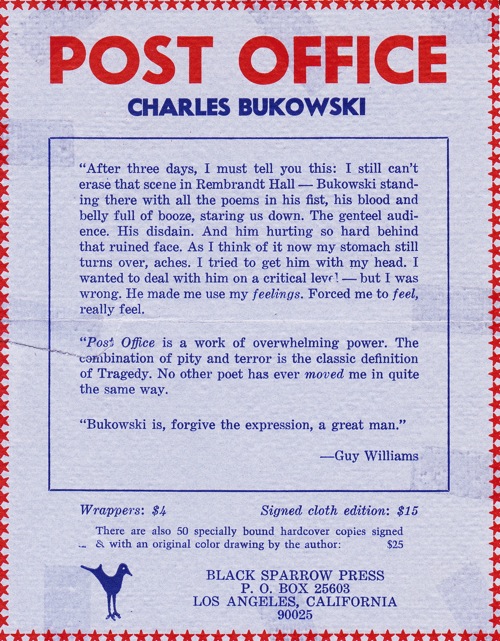
Martin famously promised to pay Charles Bukowski $100 a month for the rest of his life if he would quit his job at the post office and become a full time writer. What a brilliant and creative gesture. Brave and perhaps foolhardy too, but that single act changed literary history and probably enabled Black Sparrow to become so successful. A great investment, risking one fifth of his personal income to support a writer whose work he loved. Bukowski wrote his first novel, Post Office, and Black Sparrow published it in 1971. As John points out, that book sold forever, along with a number of others, and became the backbone of his business.
Black Sparrow Press was started in 1966 with a single broadside poem. After 36 years of long rewarding hours and hundreds of titles published, John Martin decided the business had changed enough by 2002 that it was a good time to get out. He guessed that the consolidation of retail would spell the end of the golden age of independent publishing, and based on that prescience, sold his most valuable assets, his deals with Bukowski, Paul Bowles and a few others, to HarperCollins’ Ecco Press imprint, and the rest of the inventory (but not the contracts) to fellow independent publisher, David Godine, who renamed the list Black Sparrow Books, and who has continued to publish a fine, though smaller list of books in the Black Sparrow vein.
I recently discovered a wonderful letter written to John by Bukowski in 1986. In it he says “To not to have entirely wasted one’s life seems to be a worthy accomplishment, if only for myself.” That seems a pretty good description of what John Martin did himself and a worthy goal for any of us to aspire to. (You can read the entire inspiring letter at a great site called Letters of Note.)
There’s a really well done history of the press, with quite a bit from John himself, written in 2002 here. The Black Sparrow archive is at the University of Alberta and quite a bit of it can be viewed online. I’ll be posting interviews with a number of other independent publishers over the next few months, in hopes of helping to document what has been and remains an amazing era in American literary publishing. (Warning note to listeners: this is a long interview but hopefully well worth your time. Enjoy!)
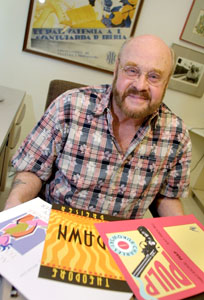
 Photograph of John Martin from Metroactive by Michael Amsler.
Podcast: Play in new window | Download
Publishing Talks: David Wilk interviews Liate Stehlik
May 14, 2012 by David
Filed under Ebooks and Digital Publishing, PublishingTalks, Technology, The Future
 In this series of interviews, called Publishing Talks, I talk to book industry professionals and other smart people about the future of publishing, books, and culture. This is a period of disruption and change for all media businesses. How will publishing evolve as our culture is affected by technology, climate change, population density, and the ebb and flow of civilization and economics?
I hope these Publishing Talks conversations will help us better understand the outlines of what is happening in publishing, books and reading culture, and how we can ourselves both understand and influence the future of books and reading.
Liate Stehlik appeared on a panel I moderated last winter for Digital Book World, and I was very much impressed by her perceptive understanding of the evolving publishing landscape. In her role as the Senior Vice President and Publisher of William Morrow/Harper Voyager/Avon Books division of HarperCollins, Liate oversees the digital-centric Avon Impulse imprint, giving her a unique experience base and outlook. Avon Impulse is innovative publishing for authors and readers, and is a learning base for the company within which it operates.
I thought it would be interesting and enjoyable to talk to her about her views on the book business, past, present and future, and I think our conversation demonstrates that it was just that and more. Avon Impulse represents a significant effort by a Big Six publisher, creating a chance to experiment and learn important and valuable lessons about digital books and readers, which can then be applied across the overall publishing enterprise. Much of what Liate and her company has learned will doubtless be applicable to many others in publishing. I’ll welcome comments and reactions from listeners in all kinds of publishing.
Podcast: Play in new window | Download
Publishing Talks: David Wilk interviews Dan Blank
April 26, 2012 by David
Filed under Ebooks and Digital Publishing, PublishingTalks, The Future
 In this series of interviews, called Publishing Talks, I talk to book industry professionals and other smart people about the future of publishing, books, and culture. This is a period of disruption and change for all media businesses. How will publishing evolve as our culture is affected by technology, climate change, population density, and the ebb and flow of civilization and economics?
I hope these Publishing Talks conversations will help us better understand the outlines of what is happening in publishing, books and reading culture, and how we can ourselves both understand and influence the future of books and reading.
Dan Blank is a very smart and perceptive guy. He works with writers and publishers – as he says on his website, to “make an impact and build their legacies.” Through his company, We Grow Media, he offers a great deal of really valuable free advice – a terrific email newsletter and always interesting blog – along with paid courses and speaking engagements. I’ve assiduously read just about everything he has written for quite a while now, and have watched some of his presentations on video as well.
Marketing is a tough subject for most authors and many publishers. Dan always has clear and sensible advice and ideas for writers and publishers. His ideas and perceptions have influenced my own thinking about how writers can operate in the new media environment.
So I am really pleased and honored to have had the opportunity to talk to him for Publishing Talks and bring what he has to say to my audience about marketing for writers and publishers. I am certain that you will hear more than one actionable piece of advice or a cogent idea that will make you think, and question your assumptions.  And if you get a chance to hear Dan speak in public, make sure you do, it will be well worth your while.
Podcast: Play in new window | Download
Publishing Talks: David Wilk interviews Andrea Fleck-Nisbet
April 8, 2012 by David
Filed under Ebooks and Digital Publishing, PublishingTalks, Technology, The Future
 In this series of interviews, called Publishing Talks, I talk to book industry professionals and other smart people about the future of publishing, books, and culture. This is a period of disruption and change for all media businesses. How will publishing evolve as our culture is affected by technology, climate change, population density, and the ebb and flow of civilization and economics?
I hope these Publishing Talks conversations will help us better understand the outlines of what is happening in publishing, books and reading culture, and how we can ourselves both understand and influence the future of books and reading.
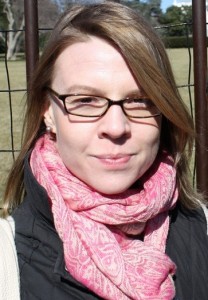
I have met and talked to a wide range of people involved in publishing and books over the past few years and I’ve interviewed quite a few of them for this series of podcasts. I noticed recently that I have not done very many interviews lately with people who are involved in creating digital reading experiences (also known as “ebooks”). Andrea Fleck-Nisbet, the Director of Digital Publishing at Workman Publishing wrote a piece for American Libraries Magazine called “A Publisher’s Perspective on Ebooks” that caught my eye. In this article, she wrote cogently about e-publishing as seen from the perspective of a leading trade publisher, so I thought that talking to Andrea for this series of Publishing Talks interviews would be fun and interesting.
Andrea has been at Workman for nine years and has worked on their digital initiatives since 2007. Workman is well known in the book industry for its innovative books and deep commitment to marketing and understanding what readers want.
We had a great talk about where things are today in e-publishing, and how we can expect it to evolve over the next few years. As Andrea’s American Libraries article was headlined: “the digital revolution has transformed every aspect of the publishing business.” Many of us know this to be true in theory, but not everyone can speak to all the myriad elements of publishing that are involved in making over an entire business. Andrea’s practical experience in digital publishing inform her perspective and make her well worth listening to.
Podcast: Play in new window | Download
Publishing Talks: David Wilk interviews Brian O’Leary about The Opportunity in Abundance
March 18, 2012 by David
Filed under Ebooks and Digital Publishing, PublishingTalks, Technology, The Future
 In this series of interviews, called Publishing Talks, I talk to book industry professionals and other smart people about the future of publishing, books, and culture. This is a period of disruption and change for all media businesses. How will publishing evolve as our culture is affected by technology, climate change, population density, and the ebb and flow of civilization and economics?
I hope these Publishing Talks conversations will help us better understand the outlines of what is happening in publishing, books and reading culture, and how we can ourselves both understand and influence the future of books and reading.
Brian O’Leary’s Magellan Media provides research, benchmarking and business planning services that help smaller and medium-sized publishers manage and grow their top- and bottom-line results. Magazine, book and association publishers often engage Magellan to improve their content workflows across platforms and uses.
Brian frequently is called on to make industry presentations and he blogs regularly about critical matters in publishing (both for books and magazines). I follow his work closely. One of the pieces he published in October, 2011, called the Opportunity in Abundance, spurred me to talk to him once again for Publishing Talks. Today we live in an age of content abundance. Most publishers realize this as it affects them on a daily basis.
Brian has laid out an analysis of content abundance that I think will enable publishers to make sense of this new reality, and how to work successfully within it. His understanding of digital content should help publishers create their own contextual framework for thinking about how to do business in a radically new environment. It’s a great piece to read (as are his related essays), and this interview should help amplify and explain further some of his ideas. Of course, we did not always stick to the subject at hand, but were able to cover a wide range of related ideas that I hope will be interesting and useful to anyone interested in the current state of the publishing business.
Here is the specific link to his essay The Opportunity in Abundance. Brian is a terrific writer – he’s always able to be clear, insightful and understandable. I recommend reading through the archives at Magellan Media. And I also interviewed him in 2009, when we talked about piracy, another issue he has written about with great incisiveness.
Podcast: Play in new window | Download
Publishing Talks: David Wilk interviews Lou Aronica of Fiction Studio Books
March 4, 2012 by David
Filed under Ebooks and Digital Publishing, Publishing History, PublishingTalks, Technology, The Future
 In this series of interviews, called Publishing Talks, I talk to book industry professionals and other smart people about the future of publishing, books, and culture. This is a period of disruption and change for all media businesses. How will publishing evolve as our culture is affected by technology, climate change, population density, and the ebb and flow of civilization and economics?
I hope these Publishing Talks conversations will help us better understand the outlines of what is happening in publishing, books and reading culture, and how we can ourselves both understand and influence the future of books and reading.
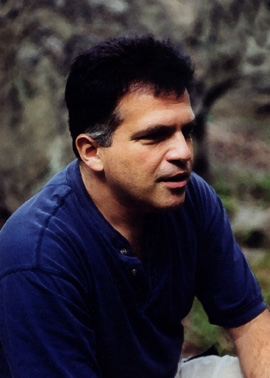
Lou Aronica is a long-time editor and publisher who left commercial publishing some years ago and then built a new career as a writer. In fact, I interviewed him in 2011 about his excellent fantasy sci-fi novel, Blue. Lou has been very successful as a writer and freelance editor. But over the past couple of years, Lou has continued exploring his publishing interests, most recently by founding a digital-first publishing imprint called Fiction Studio Books.
(I do recommend visiting his site and reading what he has to say about publishing in general and what Fiction Studio is all about).
Fiction Studio offers a different and in many ways unique model for writers. Lou is bringing to bear the most important traditional values of publishing – editorial and author development – that so many publishers today are no longer able or willing to provide in commercial publishing. By concentrating on quality and eliminating the overhead costs of print publishing, he has been able to begin to sketch out a workable structure for digital publishing of mainstream fiction that may be a useful model for the future, where the publisher provides real value and services that make sense for authors and readers. Lou calls this a “publishing culture” that benefits the books and the writers he publishes.
Importantly, Fiction Studio is selling a significant number of books, enough to make it a profitable business and not just an experiment in digital publishing. In its first year of existence, the imprint issued 14 titles.
Lou and I have often talked informally about the book business and the future. Typically I have learned alot from him and his experiences, past and present and always enjoy our talks. I think what he is doing now with this publishing program is tremendously important and should be inspirational to both publishers and authors.
Our conversation here covers a wide range of ideas and concepts drawn from his experience and reflecting his expansive vision of what a born-digital publishing company can and should look like. We talked about trends in digital publishing, how the role of the publisher is changing, the importance of editing and developing writers in the new digital marketplace, what makes a publisher meaningful and valuable to authors and to writers, ebook pricing models, and much, much more in this very wide-ranging conversation. To learn more, go to the website and read his essay about why he is publishing and the very active and interesting blog written by Fiction Studio authors as well.
Podcast: Play in new window | Download
Publishing Talks: David Wilk interviews Miral Sattar about BiblioCrunch
November 28, 2011 by David
Filed under Ebooks and Digital Publishing, PublishingTalks, Technology, The Future
 In this series of interviews, called Publishing Talks, I talk to book industry professionals and other smart people about the future of publishing, books, and culture. This is a period of disruption and change for all media businesses. How will publishing evolve as our culture is affected by technology, climate change, population density, and the ebb and flow of civilization and economics?
I hope these Publishing Talks conversations will help us better understand the outlines of what is happening in publishing, books and reading culture, and how we can ourselves both understand and influence the future of books and reading.
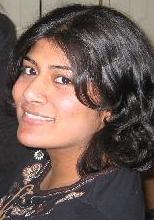
Miral Sattar is a young serial entrepreneur with roots in the publishing business. She is the Founder of Divanee.com and Weddings.Divanee.com and has worked in the media industry for 10 years. Ms. Sattar is a contributor for Time, teaches entrepreneurial journalism sessions at CUNY, and has contributed to Metro and Jane Magazine. She graduated from Columbia University’s School of Engineering and Applied Science, and recently earned an M.S. in Digital + Print Media.
In many ways Miral represents the future of the book business. She’s had innovative and smart ideas for new products and new uses of digital technology to create new ways for readers and writers to interact. Failing to gain any traction for her ideas within traditional publishing institutions, she set out on her own to build what she believes writers and readers want and need, a new and different publishing/reading platform called BiblioCrunch. There’s alot to be interested in here if you are looking for ways that online publishing can be made simple.
From the BiblioCrunch.com website:
What is BiblioCrunch.com?
BiblioCrunch.com is a platform that empowers writers and publishers to create and market their own manuscripts, completed works, digital books and bookazines. Through our platform anyone – bloggers, authors, aspiring writers, students, writers, journalists, publishers – can share their stories.
• You can create all your great books online through our easy interface in any format any eReader!
• Once you’ve written all the chapters for your book you can either post it for FREE or start SELLING.
• You can start SHARING your book via social media so others can download your book.
• VOTE your book to the top by sharing it with all your friends.
• Need to hire an EDITOR or DESIGNER? Why not connect with someone in the MEMBERS community to help edit your book and design an awesome cover.
Why use BiblioCrunch.com?
• BiblioCrunch is the place for you to write, read, and distribute your favorite books in just a few steps.
• Create virtual bookshelves, discover new books, connect with friends and learn more about your favorite books – all for free.
• On BiblioCrunch.com you can connect with writers, publishers, readers, editors, copyeditors, and designers to create the best books.
• We’re also cheaper than other services that take 30% of each book sold.
•
How can I share my books?
• Each book has it’s own public download page that you can share on Twitter and Facebook.
Building tools that make it easy for people to publish their work and for readers to read it is really a publishing function. As with many other sites, the idea here is that readers can decide for themselves what they want to read. It will be interesting to see if, as some traditionally minded digerati have suggested, that the editorial or curatorial role will be needed, perhaps more than ever, but if so, my guess is that it will develop in different ways, based on the different understanding of the editorial function that today’s writers and readers have developed.
I wanted to talk to Miral about BiblioCrunch because I am always interested in new ideas and constructs, and also because I think the story she tells about the genesis and plans for this site will be instructive and valuable to others in the book universe. And hopefully, her ideas might generate some additional thinking about how platforms, innovation and audiences for reading will develop in the near future. Creating a new publishing platform is no small feat, but the real challenge will be to attract readers and writers in significant numbers. I’m hoping this site will succeed through innovation and creativity, as a healthy publishing ecosystem requires a wide variety of niches, large and small.
Podcast: Play in new window | Download
Publishing Talks: David Wilk Interviews Peter Costanzo
August 14, 2011 by David
Filed under Ebooks and Digital Publishing, PublishingTalks, Technology, The Future
 In this ongoing series of interviews, called Publishing Talks, I have been talking to book industry professionals and other smart people about the future of publishing, books, and culture. This is a period of disruption and change for all media businesses. We must wonder now, how will publishing evolve as our culture is affected by technology, climate change, population density, and the ebb and flow of civilization and economics?
I believe that these Publishing Talks conversations can help us understand the outlines of what is happening in the publishing industry, and how we might ourselves interact with and influence the future of publishing as it unfolds.
These interviews give people in and around the book business a chance to talk openly and broadly about ideas and concerns that are often only talked about “around the water cooler,” at industry conventions and events, and in emails between friends. These conversations give people inside and outside the book industry a chance to hear first hand some of the most interesting and challenging thoughts, ideas and concepts being discussed by active participants in the book business.
I’ve known Peter Costanzo for a number of years (and have worked with him on a few projects) – I have always been impressed with his intelligence and his insightful understanding of online media and digital publishing. Peter is now the Director of Digital Content for F+W Media where he is in charge of a diverse and creative set of digital initiatives. Since he is now directing content and production for a publisher that has made a deep commitment to digital publishing, I wanted to talk to him in depth about ebooks, apps and online marketing, from his perspective as a producer as well as a consumer and keen observer of the digital publishing scene.
Peter has been involved in online bookselling for longer than most people in our industry. He began selling autographed books online in 1996. By 1998 he became the Online Retail Marketing Manager for HarperCollins. He then worked at Random House as Online Marketing Manager for the Audiobooks division, and in 2001 became Director of Online Merchandising for Steve Brill’s Contentville, one of the first online retailers to sell e-books. After that he became the Director of Online Marketing for Perseus Books for several years, before moving to F + W Media. He also teaches the “Introduction to Interactive Media” course at NYU. You can follow Peter on Twitter @PeterCostanzo and read his personal blog BookCurrents.
Peter has a lot of important things to say in this discussion that anyone interested in digital publishing will find useful and compelling.
Podcast: Play in new window | Download
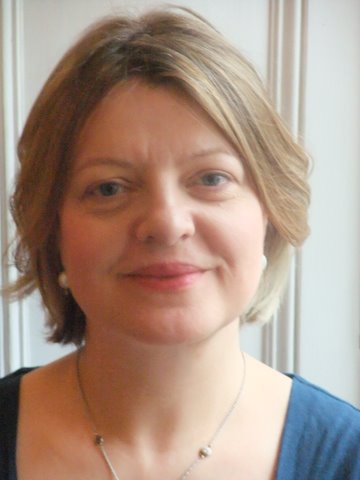
Publishing Talks: David Wilk interviews Kate Wilson
July 11, 2011 by David
Filed under Ebooks and Digital Publishing, PublishingTalks, The Future
 In this ongoing series of interviews, called Publishing Talks, I have been talking to book industry professionals and other smart people about the future of publishing, books, and culture. This is a period of disruption and change for all media businesses. We must wonder now, how will publishing evolve as our culture is affected by technology, climate change, population density, and the ebb and flow of civilization and economics?
I believe that these Publishing Talks conversations can help us understand the outlines of what is happening in the publishing industry, and how we might ourselves interact with and influence the future of publishing as it unfolds.
These interviews give people in and around the book business a chance to talk openly about ideas and concerns that are often only talked about “around the water cooler,” at industry conventions and events, and in emails between friends and they give people inside and outside the book industry a chance to hear first hand some of the most interesting and challenging thoughts, ideas and concepts being discussed by people in the book business.
I was recently introduced to the apps and books created by the new UK based children’s publisher Nosy Crow. I bought their first app, the Three Little Pigs and immediately understood that this company had a vision and an approach that made sense to me. Here is the message from their website that caught my attention right way:
“We make innovative, multimedia, highly interactive apps for tablets, smart phones and other touchscreen devices. These apps are not existing books squashed onto phones, but instead are specially created to take advantage of the devices to tell stories and provide information to children in new and engaging ways.” Books too by the way.
When I finally got a chance to talk to company founder Kate Wilson, I found out right away why the company is so smart, and off to such a great start. I believe that Kate deeply understands how technology and publishing can and will intersect for the creation of great experiences for children readers. She has a vision, one that makes sense, and she has combined creativity with a keen sense of what parents and children want both from new technologies and from traditional books. And her experience in publishing has taught her important lessons which she is now applying in this new publishing space (after attending Oxford University, she worked for a number of UK children’s publishers, including Macmillan Children’s and Scholastic UK, both of which she ran. If you are interested in how children’s publishing is going to evolve, I suggest paying close attention to Nosy Crow, and of course listening to this conversation with Kate Wilson.
Podcast: Play in new window | Download
Slowing Down for the Summer
 I have been posting two podcasts a week for the better part of the last year, which has been great fun. But with the summer in full swing, weather wonderful and plenty of work in the hopper, it looks like I may be posting slightly less frequently for the next couple of months. I’m not reading fewer books, but scheduling interviews seems to be more difficult in the summer too. And publishers and technologists take vacations! I do have some really good interviews coming along soon: Anna Lappe, Nick Mamatas, Dean Bakopoulos among other writers, and Kate Wilson of the great new kids publisher Nosy Crow for Publishing Talks. And there will be more.
I’ve also started a new website I hope you will visit – it’s called New Book Media (newbookmedia.com) featuring a long list of digital book events around the world, and a steady stream of news and information about the wildly expanding world of digital publishing. Livewriters.com now has more than 2500 book and author related videos, and is still the only website focused exclusively on video about books, along with an entertaining and original literary blog called LiveWires.
If you’ve read a great book lately I want to know about it. Direct message your recommendations to @writerscast.