
David Wilk talks with Dominique Raccah of Sourcebooks
February 1, 2015 by David
Filed under Ebooks and Digital Publishing, Publishing History, PublishingTalks, Technology, The Future
 Publishing Talks began as a series of conversations with book industry professionals and others involved in media and technology about the future of publishing, books, and culture. As we continue to experience disruption and change in all media businesses, I’ve been talking with some of the people involved in our industry about how publishing might evolve as our culture is affected by technology and the larger context of civilization and economics.
I’ve now expanded the series to include conversations that go beyond the future of publishing. I’ve talked with editors and publishers who have been innovators and leaders in independent publishing in the past and into the present, and will continue to explore the ebb and flow of writing, books, and publishing in all sorts of forms and formats, as change continues to be the one constant we can count on.
It’s my hope that these conversations can help us understand the outlines of what is happening in publishing and writing, and how we might ourselves interact with and influence the future of publishing as it unfolds.
Dominique Raccah is the founder and CEO of independent publisher Sourcebooks, based in Naperville, Illinois, which she began in 1987 after an earlier career in advertising. Reflecting Raccah’s background and interests, Sourcebooks has always been strongly oriented toward marketing and promotion, devoting countless hours and dedicating significant resources to research, intelligence and outreach, and to understanding what customers want. This significantly differentiates Sourcebooks from most other independent publishers, so many of whom are more focused on developing content as opposed to what the customer needs or wants.
But Raccah is more than a smart marketer. She is a highly capable business person, an active entrepreneur, and somewhat of a visionary in terms of technology, business structure. She has been and continues to be willing and able to pivot on her business models and plans much more quickly and readily than most of her peers.
At this stage, after more than a quarter century of successful innovation, she has become a thought leader in the book industry and her presentations about publishing and business structure and opportunities are often models of clarity and deep perception, that are valued by colleagues and competitors alike. In November 2013 she was named FutureBook’s Most Inspiring Digital Publishing Person of 2013.
Indicative of the ways Raccah has embraced technology to drive her business forward, in an interview with the Chicago Tribune last year she said that digital technology “has been transformative because it allows you to tackle new kinds of problems and create new ways of connecting books and readers.”
In our conversation, which took place in New York City in January, 2015, we covered a wide range of topics, from the history of Sourcebooks, through the present business and publishing landscape that interests and motivates Dominique as she continues to moves her company forward in a highly challenging environment. Much of our conversation focuses on Raccah’s industry leading efforts to work directly with readers to make Sourcebooks’ publishing brands meaningful to readers, and to learn directly what consumers want in their reading experiences. After a concerted effort over the past few years, Sourcebooks is now one of the leaders in the book industry in selling books directly to readers. It was a pleasure speaking with Dominique – who gives a great interview – and I hope this is a conversation that will be both useful and valuable to anyone interested in contemporary publishing.
Sourcebooks features a long list of innovative and successful publishing programs and projects, including Poetry Speaks, The Shakesperience, an interactive iBook that combines audio, video and a glossary to aid understanding of Shakespeare’s plays, and Put Me In The Story, which customizes children’s picture books with the reader’s own name and photos to get kids excited about reading.
Raccah has a master’s degree in quantitative psychology from the University of Illinois at Chicago Circle and worked at Leo Burnett’s quantitative research department before starting Sourcebooks in her home in 1987.
Sourcebooks now has 120 employees, eight imprints and publishes more than 350 titles annually, several of which have been national best-sellers in recent years.
Some worthwhile links:
Dominique’s TedX slideshare The Book in Transformation: A Publisher Vision for the Future
Chicago Tribune interview with Dominique Raccah
Mercy Pilkington article Sourcebooks Dominique Raccah Speaks on Driving Innovation
Put Me in the Story site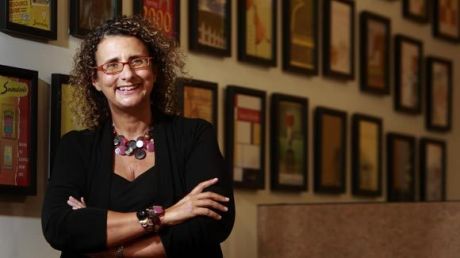
Podcast: Play in new window | Download
David Wilk talks to Kieron Smith about The Best Little Bookshop
October 2, 2014 by David
Filed under PublishingTalks, The Future
 Publishing Talks began as a series of conversations with book industry professionals and others involved in media and technology about the future of publishing, books, and culture. As we continue to experience disruption and change in all media businesses, I’ve been talking with some of the people involved in our industry about how they believe publishing might evolve as our culture is affected by technology and the ebb and flow of civilization and economics.
I’ve now expanded the series to include conversations that go beyond the future of publishing. I’ve talked with editors and publishers who have been innovators and leaders in independent publishing in the past and into the present, and will continue to explore the ebb and flow of writing, books, and publishing in all sorts of forms and formats, as change continues to be the one constant we can count on.
It’s my hope that these conversations can help us understand the outlines of what is happening in publishing and writing, and how we might ourselves interact with and influence the future of publishing as it unfolds.
UPDATE: as of January 27, 2015, it was announced that (sadly) Best Little Bookshop will be closing and Kieron Smith moving on to other pursuits. Still, this discussion ought to remain interesting to anyone who is thinking about bookselling and consumer interaction with books.
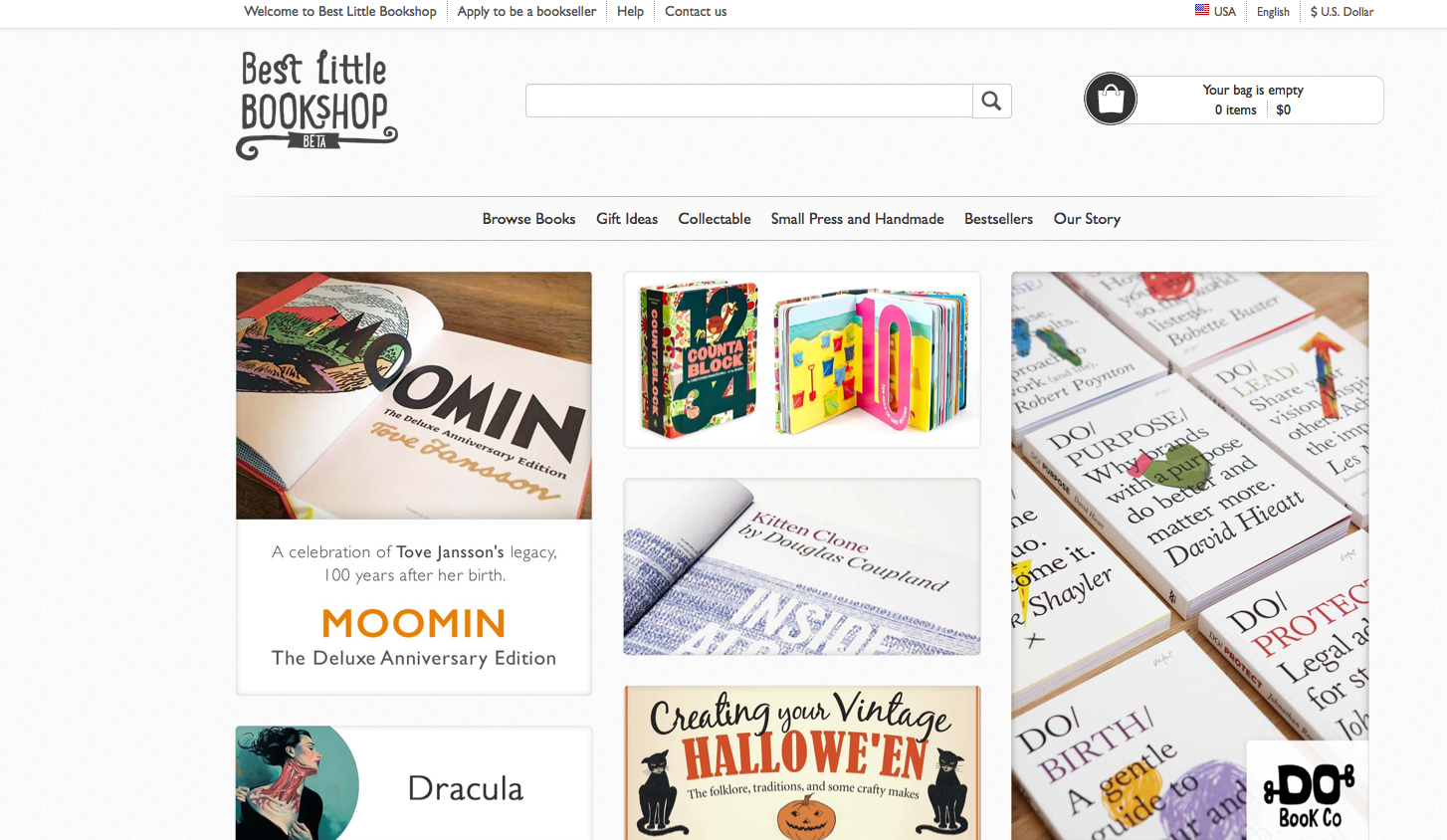
Kieron Smith is a long time bookseller and founder of the new online bookstore, The Best Little Bookshop. This new site takes a different approach to online retail book selling than others have done. There is much more emphasis on curation, more in-depth presentation of books and publishers, social interaction onsite from customers, and importantly, the participation of other booksellers from the outset. And the store, while based in the UK, is friendly to buyers from other countries. I’ve spent a fair amount of time playing around with BLB, and for me, it’s a great experience. I’ve discovered books and publishers I’ve never heard of and that I am interested in reading and buying. I’m looking forward to seeing how Kieron and his team integrate other booksellers into the store experience and how its community of users will influence the direction the store takes in the future.
Best Little Bookshop is clear evidence that it is possible to create new models of retail book selling online. The store launched in summer 2014, so as of now, there are still features in development, and doubtless more changes and improvements to come. My conversation with Kieron was exciting for me, as I see so much potential with this site for publishers, authors and readers, and wanted to hear first hand how the founder views the future. One interesting point – no ebooks here, just print.
Alert: this is a relatively long interview at 41 minutes. Take your time and enjoy!
Kieron Smith has over 17 years of book trade experience, starting with WHSmith Retail, establishing the multi-channel Ottakars.co.uk website in 1999, heading up the web offering at BCA and operations at Methven’s Booksellers, followed by three years outside the industry at Europe’s leading video games website GAME.co.uk. Head of online for Waterstones.com in 2006-7 and then MD of international online book retailer The Book Depository (purchased by Amazon in 2011) for five years until November of 2013. The Book Depository was acquired by Amazon.com in 2011.

Podcast: Play in new window | Download
Self Publishing News
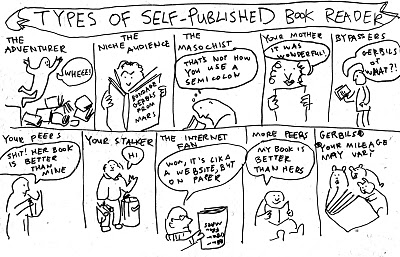 If you are interested in self publishing (and who isn’t these days?), there are so many options and choices, it’s not so easy to figure out what your best pathway is. And it will differ depending on what kind of writing you do, how much you have published in the past, and what your goals are as a writer.
There are all kinds of resources for writers who want to self publish, and there is something new going on almost every day that could be useful, valuable or interesting to writers (and some publishers) in the universe of self publishing.
Since so much of my work relates to publishing and options for writers, I decided to follow new developments and doings in the self publishing arena, and highlight some of those I think will be most useful to writers. You can find my Self Publishing News on Tumblr. Please take a look, and if you like what you see, you can follow my posts pretty easily. I’ll be posting 3-5 times a week, depending on my workload and what kind of interesting news I can uncover. I hope you find this little site useful. Feel free to send links and news items my way whenever you find something you think is interesting or valuable to writers.
Coming soon: a new interview series focusing on Self Publishing How To. Video and audio interviews with experts and successful writers talking about what works and what doesn’t, always practical and useful information and ideas for writers and anyone who might be self publishing their work.
Publishing Talks: David Wilk interviews Andy Doe
March 6, 2013 by David
Filed under Ebooks and Digital Publishing, PublishingTalks, Technology, The Future
 In this series of interviews, called Publishing Talks, I have been talking to book industry professionals and other smart people about the future of publishing, books, and culture. This is a period of disruption and change for all media businesses. We must wonder now, how will publishing evolve as our culture is affected by technology, climate change, population density, and the ebb and flow of civilization and economics?
I hope these Publishing Talks conversations can help us understand the outlines of what is happening in the publishing industry, and how we might ourselves interact with and influence the future of publishing as it unfolds.
These interviews give people in and around the book business a chance to talk openly about ideas and concerns that are often only talked about “around the water cooler,” at industry conventions and events, and in emails between friends and they give people inside and outside the book industry a chance to hear first hand some of the most interesting and challenging thoughts, ideas and concepts being discussed by people in the book business.
I discovered Andy Doe’s writing quite by accident, and a happy accident that was. UK based, Andy comes from the music business. Most recently, he was the COO at classical music label Naxos from 2010-2012, and was head of classical music at iTunes from 2004-2010; now he freelances to help artists, labels and other organizations on recording and marketing activity, both on and offline. He also blogs brilliantly and with a great sense of humor at Proper Discord.
A piece he posted in November, 2012 caught my attention and is one I highly recommend to anyone interested in physical and digital media; it’s called What is Going on with the Record Industry (at New Music Box, a very cool site about new music). It’s a list of ten observations with explications of each. The first one is called “Almost everything you read about the state of the record industry is, at best, totally useless,” which should give you a good idea of where Andy is coming from and where this piece might be headed.
Naturally, I thought it would be fun to talk to Andy about his thinking about the record business and to draw him out on how what has happened and is happening in that industry might apply (or not apply) to the book business. We do tend to think that all entertainment media businesses, including books, music, television, radio, film, video games and even newspapers have similar enough structures and relationships between physical and digital media, as well as similar disruptive innovations as to make the experiences in one useful to the those who work in other creative industries. So we talked about that a bit, as well as how some of what Andy has observed and learned in the music business may not be relevant to book publishing. Overall, because he is such a smart and witty guy, I think this conversation should be of particular interest. As has happened recently, when discussions have been going well, we have gone a bit longer than podcasts usually go. This one is 47 minutes.
Another good reference point I should mention – here’s a written interview with Andy Doe by Tom Manoff you might enjoy as well.
And oh, by the way, this is the 200th interview I have posted on Writerscast since its inception just a few years ago. I’d like to thank all the wonderful writers, technologists and thinkers who have been willing to give me some of their valuable time to pepper them with questions and engage them in my enthusiasms and interests. And I’d also like to thank the individuals who have helped make this project work, my daughter, Emma Wilk, for editing my often poor efforts at recording, website builder and podcast expert Rob Simon of Burst Marketing, and his web guru, Jeremy Brieske.
And in particular I owe thanks to all of you who have listened and responded to this humble effort to contribute to the cultural and intellectual good of all. 
Podcast: Play in new window | Download
Publishing Talks: David Wilk interviews Black Sparrow Press founder John Martin
November 5, 2012 by David
Filed under Publishing History, PublishingTalks
 In this series of interviews, called Publishing Talks, I talk to book industry professionals and other smart people about the future of publishing, books, and culture. This is a period of disruption and change for all media businesses. How will publishing evolve as our culture is affected by technology, climate change, population density, and the ebb and flow of civilization and economics?
I hope these Publishing Talks conversations will help us better understand the outlines of what is happening in publishing, books and reading culture, and how we can ourselves both understand and influence the future of books and reading. Over the past couple of years, I’ve been talking to a wide variety of people in the book business, mostly about the future of writing, publishing, and reading. But the future is always built on what has gone before now. And there has been so much incredibly creative and wonderful publishing work done in recent years, I’ve wanted to share some of the experiences of people who have accomplished so much, with vision, talent and amazing effort.
I’m very pleased and honored to present my interview with John Martin, founder and publisher of Black Sparrow Press for 36 years, from 1966 through 2002. While best known for his discovery and commitment to the work of poet, Charles Bukowski, John was responsible for publishing an incredible range of writers, poets and critics an established a truly historical breadth of work. Black Sparrow books were notably beautiful (all designed and produced by Barbara Martin), and established a singular and unmistakable brand that told readers that they could expect quality books with writers whose work was selected for aesthetic rather than commercial reasons. And on that commitment to quality, Martin built a very successful and profitable business.
When I was a young poet and publisher, I admired no publisher more than Black Sparrow, and I am sure I am not alone among independent publishers in appreciating John’s achievement over such a long period of time. The list of writers and poets Black Sparrow published is incredible, including Robert Duncan, Charles Olson, Robert Creeley, Diane Wakoski, Paul Bowles, Wyndham Lewis, Joyce Carol Oates, Tom Clark, John Fante, Charles Reznikoff, and many, many others.
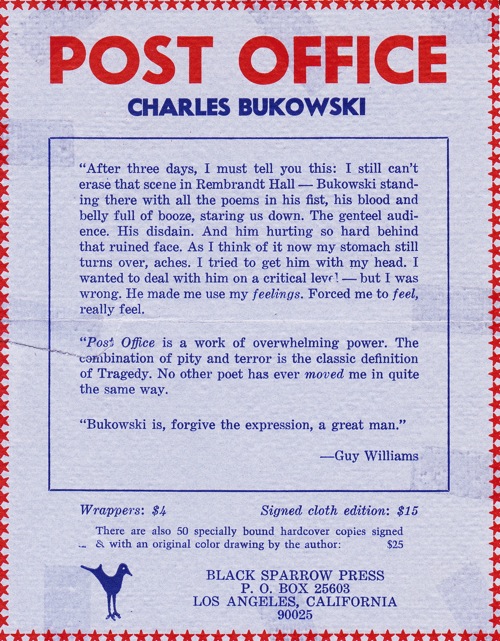
Martin famously promised to pay Charles Bukowski $100 a month for the rest of his life if he would quit his job at the post office and become a full time writer. What a brilliant and creative gesture. Brave and perhaps foolhardy too, but that single act changed literary history and probably enabled Black Sparrow to become so successful. A great investment, risking one fifth of his personal income to support a writer whose work he loved. Bukowski wrote his first novel, Post Office, and Black Sparrow published it in 1971. As John points out, that book sold forever, along with a number of others, and became the backbone of his business.
Black Sparrow Press was started in 1966 with a single broadside poem. After 36 years of long rewarding hours and hundreds of titles published, John Martin decided the business had changed enough by 2002 that it was a good time to get out. He guessed that the consolidation of retail would spell the end of the golden age of independent publishing, and based on that prescience, sold his most valuable assets, his deals with Bukowski, Paul Bowles and a few others, to HarperCollins’ Ecco Press imprint, and the rest of the inventory (but not the contracts) to fellow independent publisher, David Godine, who renamed the list Black Sparrow Books, and who has continued to publish a fine, though smaller list of books in the Black Sparrow vein.
I recently discovered a wonderful letter written to John by Bukowski in 1986. In it he says “To not to have entirely wasted one’s life seems to be a worthy accomplishment, if only for myself.” That seems a pretty good description of what John Martin did himself and a worthy goal for any of us to aspire to. (You can read the entire inspiring letter at a great site called Letters of Note.)
There’s a really well done history of the press, with quite a bit from John himself, written in 2002 here. The Black Sparrow archive is at the University of Alberta and quite a bit of it can be viewed online. I’ll be posting interviews with a number of other independent publishers over the next few months, in hopes of helping to document what has been and remains an amazing era in American literary publishing. (Warning note to listeners: this is a long interview but hopefully well worth your time. Enjoy!)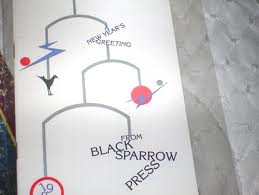
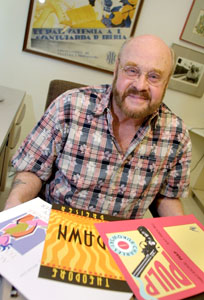
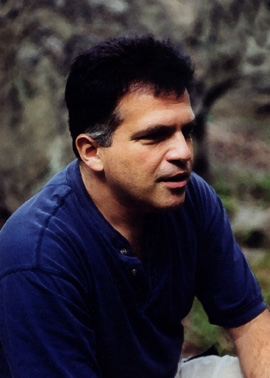
 Photograph of John Martin from Metroactive by Michael Amsler.
Podcast: Play in new window | Download
Publishing Talks: David Wilk Interviews Kathy Meis of Bublish
July 15, 2012 by David
Filed under Ebooks and Digital Publishing, PublishingTalks, Technology, The Future
 In this series of interviews, called Publishing Talks, I talk to book industry professionals and other smart people about the future of publishing, books, and culture. This is a period of disruption and change for all media businesses. How will publishing evolve as our culture is affected by technology, climate change, population density, and the ebb and flow of civilization and economics?
I hope these Publishing Talks conversations will help us better understand the outlines of what is happening in publishing, books and reading culture, and how we can ourselves both understand and influence the future of books and reading.
There has been alot of talk around the publishing business this year about “book discovery” as it is clear that the decline of bricks and mortar bookstores has lessened the opportunity for readers to discover books they want to read through the kinds of browsing and personal recommending that have been the hallmarks of physical bookselling up to now. Online bookselling and even social media have thus far been less than perfect mechanisms for either writers or readers, with lots of frustration expressed especially by publishers and writers about the whole process. We’re not sure we know what readers think about all this, but there is doubtless much to be inferred.
The relatively steep decline in overall sales of print books, and the increase in the concentration of sales to best sellers (witness 50 Shades of Gray, among others) suggest that readers are not finding it easy or practical to take advantage of the online availability of just about every book in print. There are too many books and not enough connection tools for most of them.
Meanwhile, there are intelligent people out there seeking to solve these twin “problems” of too many choices for readers, and ineffective online marketing tools for authors and publishers. One new project that is the result of some deep thinking about both issues is Bublish, which seeks to create opportunities for social discovery of books by readers. One of the founders is Kathy Meis, whom I met briefly at this year’s IDPF summit at Book Expo in New York City.
Here is what Kathy said about Bublish in an online interview she did recently with Madison Woods:
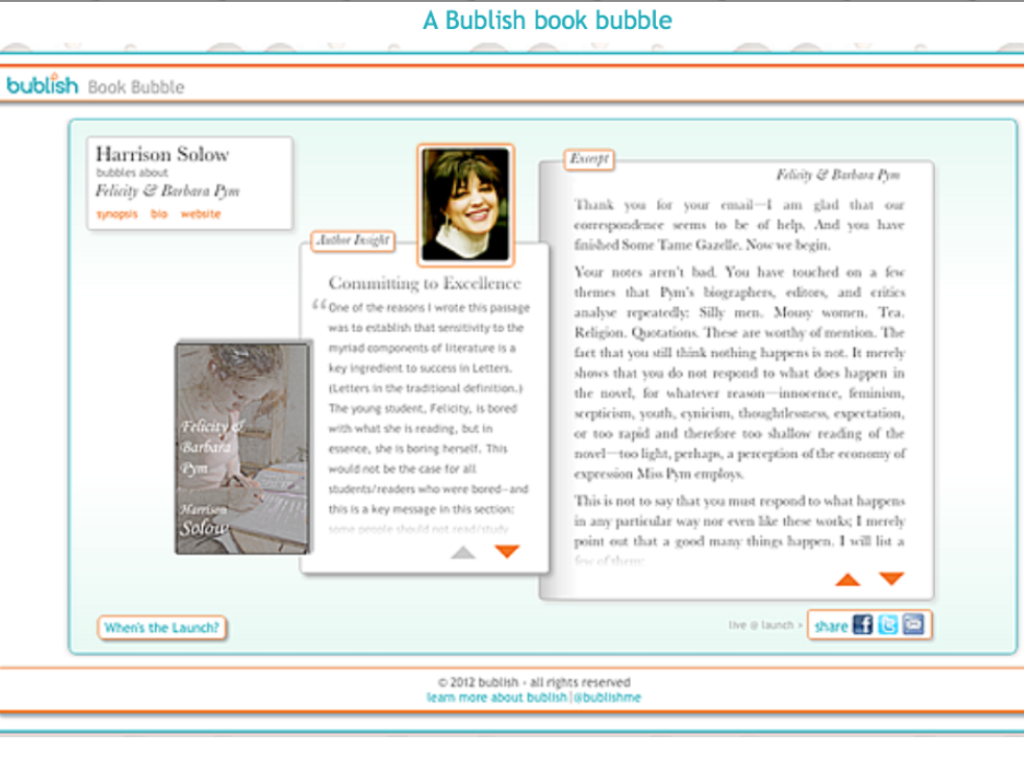
With Bublish, authors share book bubbles, and readers get to browse through them. A book bubble consists of an excerpt and an author’s insight about that excerpt. We call this the story behind the story. Both of these elements are presented in a beautifully designed book bubble that also includes the author’s photo and bio, the book’s cover and synopsis as well as links to the author’s website. It’s about as close to the bookstore discovery experience as you can get online. And because we match writers and readers by genre and keywords, we can connect the right authors and books with the right readers without ruining the serendipity of browsing. In an age of immense content abundance, you need a few filters when you’re looking for good books.
Bublish is designed to solve a number of problems for writers and readers. For authors, Bublish will let them repurpose their best writing, the content of their books, and enrich it with the story behind the story. This creates an entirely fresh piece of content for authors to share across multiple social networks. Authors have a lot of demands on their time. We think it’s important to make it as easy and effective as possible for them to facilitate discovery of their work without feeling like salespeople. With Bublish, the social conversation starts with the voice of the author, just like it does in the bookstore. And since authors can create and share book bubbles in seconds, Bublish significantly lightens the author’s promotional content load.
For readers, Bublish recreates online all the pleasure of the bookstore discovery experience. No ads, no algorithms, no distractions…just browsing. Of course, once a reader finds a book or author they love, they’ll want to share it. Word-of-mouth continues to be the most popular way for readers to find new books. That’s why book bubbles are highly shareable across multiple social networks. Finally, Bublish will create a wonderful community for writers and readers to engage around stories. Imagine getting an invitation to chat with one of your favorite authors or being able to follow the book bubbles of an author you’ve never even heard of before.
In my interview with Kathy we talked about Bublish and also about many of the perplexing issues surrounding writing and reading, as we enter a new stage in the ways that writers, publishers and readers will relate to each other, indeed a very exciting and challenging time for us all.
 Kathy Meis has been a professional writer for more than twenty years. She founded Serendipite Studios to empower those who create and enhance quality content. You can follow her on Twitter @katmeis or @BublishMe.
Podcast: Play in new window | Download
Publishing Talks: David Wilk interviews Liate Stehlik
May 14, 2012 by David
Filed under Ebooks and Digital Publishing, PublishingTalks, Technology, The Future
 In this series of interviews, called Publishing Talks, I talk to book industry professionals and other smart people about the future of publishing, books, and culture. This is a period of disruption and change for all media businesses. How will publishing evolve as our culture is affected by technology, climate change, population density, and the ebb and flow of civilization and economics?
I hope these Publishing Talks conversations will help us better understand the outlines of what is happening in publishing, books and reading culture, and how we can ourselves both understand and influence the future of books and reading.
Liate Stehlik appeared on a panel I moderated last winter for Digital Book World, and I was very much impressed by her perceptive understanding of the evolving publishing landscape. In her role as the Senior Vice President and Publisher of William Morrow/Harper Voyager/Avon Books division of HarperCollins, Liate oversees the digital-centric Avon Impulse imprint, giving her a unique experience base and outlook. Avon Impulse is innovative publishing for authors and readers, and is a learning base for the company within which it operates.
I thought it would be interesting and enjoyable to talk to her about her views on the book business, past, present and future, and I think our conversation demonstrates that it was just that and more. Avon Impulse represents a significant effort by a Big Six publisher, creating a chance to experiment and learn important and valuable lessons about digital books and readers, which can then be applied across the overall publishing enterprise. Much of what Liate and her company has learned will doubtless be applicable to many others in publishing. I’ll welcome comments and reactions from listeners in all kinds of publishing.
Podcast: Play in new window | Download
Publishing Talks: David Wilk interviews Dan Blank
April 26, 2012 by David
Filed under Ebooks and Digital Publishing, PublishingTalks, The Future
 In this series of interviews, called Publishing Talks, I talk to book industry professionals and other smart people about the future of publishing, books, and culture. This is a period of disruption and change for all media businesses. How will publishing evolve as our culture is affected by technology, climate change, population density, and the ebb and flow of civilization and economics?
I hope these Publishing Talks conversations will help us better understand the outlines of what is happening in publishing, books and reading culture, and how we can ourselves both understand and influence the future of books and reading.
Dan Blank is a very smart and perceptive guy. He works with writers and publishers – as he says on his website, to “make an impact and build their legacies.” Through his company, We Grow Media, he offers a great deal of really valuable free advice – a terrific email newsletter and always interesting blog – along with paid courses and speaking engagements. I’ve assiduously read just about everything he has written for quite a while now, and have watched some of his presentations on video as well.
Marketing is a tough subject for most authors and many publishers. Dan always has clear and sensible advice and ideas for writers and publishers. His ideas and perceptions have influenced my own thinking about how writers can operate in the new media environment.
So I am really pleased and honored to have had the opportunity to talk to him for Publishing Talks and bring what he has to say to my audience about marketing for writers and publishers. I am certain that you will hear more than one actionable piece of advice or a cogent idea that will make you think, and question your assumptions.  And if you get a chance to hear Dan speak in public, make sure you do, it will be well worth your while.
Podcast: Play in new window | Download
Publishing Talks: David Wilk interviews Lou Aronica of Fiction Studio Books
March 4, 2012 by David
Filed under Ebooks and Digital Publishing, Publishing History, PublishingTalks, Technology, The Future
 In this series of interviews, called Publishing Talks, I talk to book industry professionals and other smart people about the future of publishing, books, and culture. This is a period of disruption and change for all media businesses. How will publishing evolve as our culture is affected by technology, climate change, population density, and the ebb and flow of civilization and economics?
I hope these Publishing Talks conversations will help us better understand the outlines of what is happening in publishing, books and reading culture, and how we can ourselves both understand and influence the future of books and reading.
Lou Aronica is a long-time editor and publisher who left commercial publishing some years ago and then built a new career as a writer. In fact, I interviewed him in 2011 about his excellent fantasy sci-fi novel, Blue. Lou has been very successful as a writer and freelance editor. But over the past couple of years, Lou has continued exploring his publishing interests, most recently by founding a digital-first publishing imprint called Fiction Studio Books.
(I do recommend visiting his site and reading what he has to say about publishing in general and what Fiction Studio is all about).
Fiction Studio offers a different and in many ways unique model for writers. Lou is bringing to bear the most important traditional values of publishing – editorial and author development – that so many publishers today are no longer able or willing to provide in commercial publishing. By concentrating on quality and eliminating the overhead costs of print publishing, he has been able to begin to sketch out a workable structure for digital publishing of mainstream fiction that may be a useful model for the future, where the publisher provides real value and services that make sense for authors and readers. Lou calls this a “publishing culture” that benefits the books and the writers he publishes.
Importantly, Fiction Studio is selling a significant number of books, enough to make it a profitable business and not just an experiment in digital publishing. In its first year of existence, the imprint issued 14 titles.
Lou and I have often talked informally about the book business and the future. Typically I have learned alot from him and his experiences, past and present and always enjoy our talks. I think what he is doing now with this publishing program is tremendously important and should be inspirational to both publishers and authors.
Our conversation here covers a wide range of ideas and concepts drawn from his experience and reflecting his expansive vision of what a born-digital publishing company can and should look like. We talked about trends in digital publishing, how the role of the publisher is changing, the importance of editing and developing writers in the new digital marketplace, what makes a publisher meaningful and valuable to authors and to writers, ebook pricing models, and much, much more in this very wide-ranging conversation. To learn more, go to the website and read his essay about why he is publishing and the very active and interesting blog written by Fiction Studio authors as well.
Podcast: Play in new window | Download
Publishing Talks: David Wilk Interviews Carl Lennertz about World Book Night 2012
January 28, 2012 by David
Filed under Publishing History, PublishingTalks, The Future
 In this series of interviews, called Publishing Talks, I talk to book industry professionals and other smart people about the future of publishing, books, and culture. This is a period of disruption and change for all media businesses. How will publishing evolve as our culture is affected by technology, climate change, population density, and the ebb and flow of civilization and economics?
I hope these Publishing Talks conversations will help us better understand the outlines of what is happening in publishing, books and reading culture, and how we can ourselves both understand and influence the future of books and reading.
Carl Lennertz has got himself a dream job, as he was happy to tell me when we talked. Carl is the Director of World Book Night in the United States. World Book Night originated in the U.K. in 2011 and has quickly grabbed the imagination of book lovers there and in this country as well. Thousands of people will go into their communities on April 23, 2012 to give specially printed books away to potential readers. The idea is to enlist volunteers – many are needed – so if you are interested, go to the website (now!) to register. Even if you miss the 2012 deadline, you will want to participate in the future.
World Book Night is a great idea, supported now by Ingram Book Company in the United States as well as a number of terrific publishers. A total of thirty excellent books (see the list here) were selected and will be printed in special editions of 20,000 copies each. Libraries are signing up to participate, along with booksellers, and writers themselves. Carl is blogging about the whole thing on a regular basis too, visit regularly or subscribe to keep up with all the many events and doings around the country. This is a great project – we need more book readers in America, where we have far too many non-readers for the good of the nation.
Carl is a terrific person to have this job. His enthusiasm and dedication is just what this project needs. Please listen to our conversation about World Book Night, and do what you can to support this effort.
Podcast: Play in new window | Download