
Publishing Talks: Interview with Jane Friedman
May 10, 2022 by David
Filed under Ebooks and Digital Publishing, Publishing History, PublishingTalks, The Future
 Publishing Talks started as a series of conversations with book industry professionals and others involved in media and technology, mostly talking about the future of publishing, books, and culture. It was great fun talking with people in the book industry about the evolution of publishing in the context of technology, culture, and economics.
Later this series broadened considerably. In the past few years, I’ve talked with a variety of editors, publishers and others who have been innovators and leaders in independent publishing and bookselling in the past and into the present.
These conversations have been inspirational to me. I have had the pleasure of speaking with visionaries and entrepreneurs, editors, publishers and others who have influenced and changed contemporary literature and culture. I’ve also had the opportunity to speak with a number of friends and colleagues in the book business.
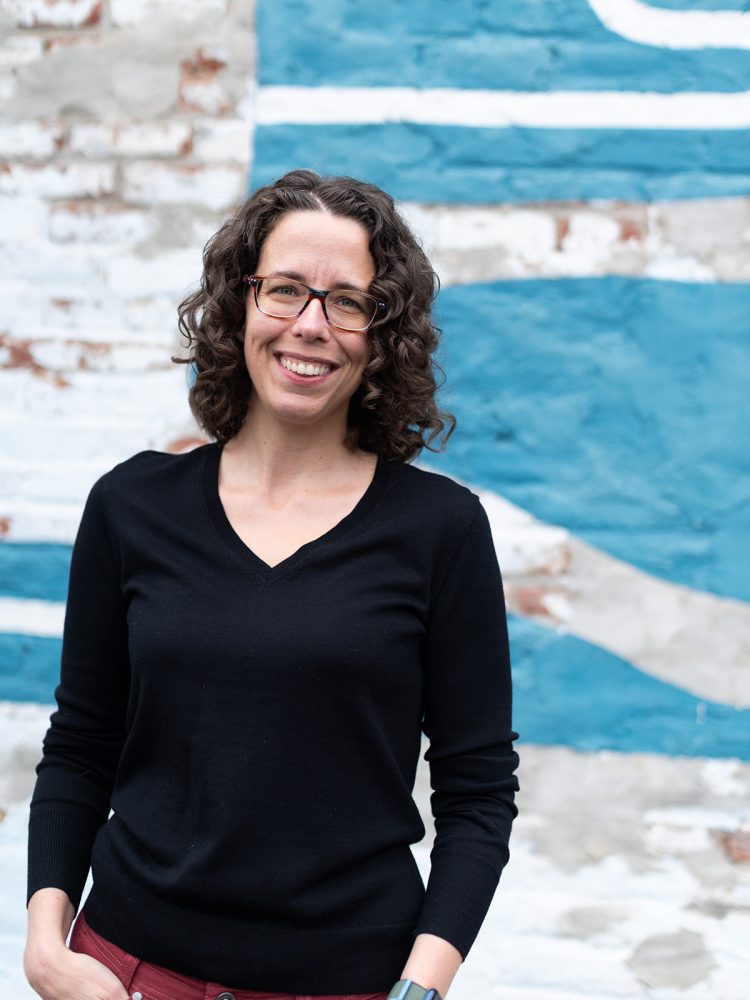
I’ve not had occasion to speak with the same person twice during all the years this series has gone on. But I really wanted to speak again with Jane Friedman, whose insights and knowledge I thoroughly respect, and get her sense of the current state of publishing and bookselling, especially as it affects writers and independent publishers. Our last Publishing Talks conversation was in 2015! Much has changed since then, and there was much for us to talk about.
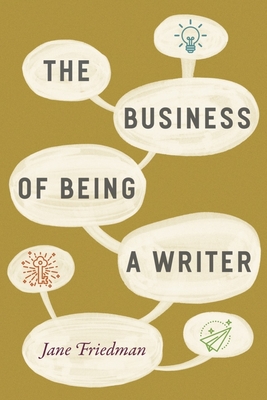
Jane publishes a terrific newsletter I read religiously called The Hot Sheet. Her most recent book is The Business of Being a Writer (University of Chicago Press). Collaborating with The Authors Guild, she wrote The Authors Guild Guide to Self-Publishing. Her website offers a wide range of services and information for writers: “I report on the book publishing industry and help authors understand the business. I’ve been working in book publishing since the 1990s, but my views are not from the 1990s. Amidst rapid change in the industry, writers need honest and unbiased guidance to make the best decisions for their careers. I hope to offer you a signal amidst the noise.”
And I hope this conversation does the same.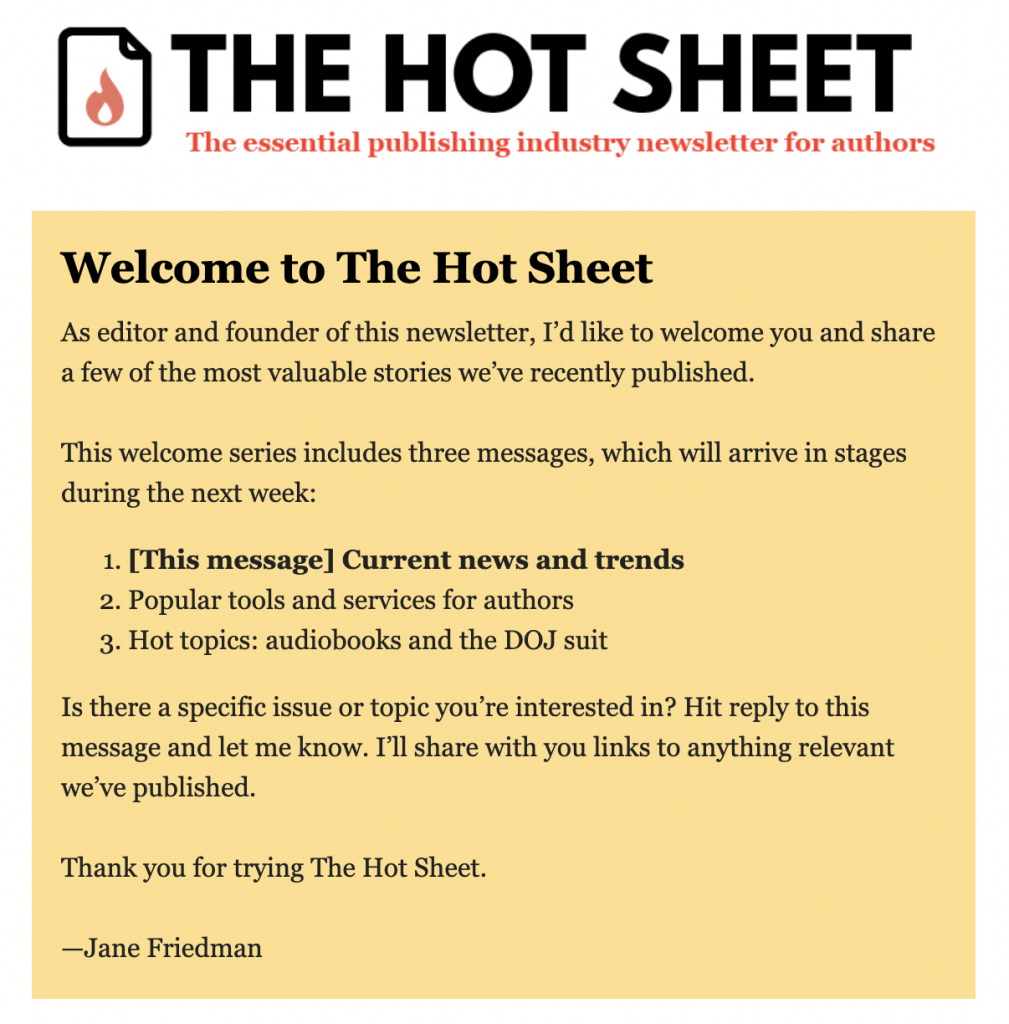
Podcast: Play in new window | Download
Publishing Talks: Interview with Jeff Deutsch of Seminary Co-op Bookstores
October 12, 2021 by David
Filed under PublishingTalks, The Future
 Publishing Talks began as a series of conversations with book industry professionals and others involved in media and technology, mostly talking about the future of publishing, books, and culture. I’ve spent time talking with people in the book industry about how publishing is evolving in the context of technology, culture, and economics.
Some time back, this series broadened to include conversations that go beyond the future of publishing. In an effort to document the literary world, I’ve talked with a variety of editors, publishers and others who have been innovators and leaders in independent publishing in the past and into the present.
These conversations have been inspirational to me on many levels. I have gotten to speak with visionaries and entrepreneurs, as well as editors and publishers who have influenced and changed contemporary literature and culture. I’ve also had the opportunity to speak with a number of friends and colleagues I have met over the many years I have been in the book business.
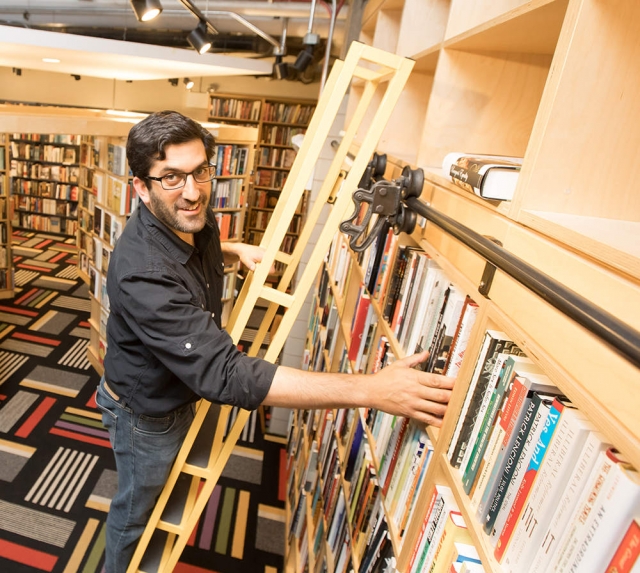
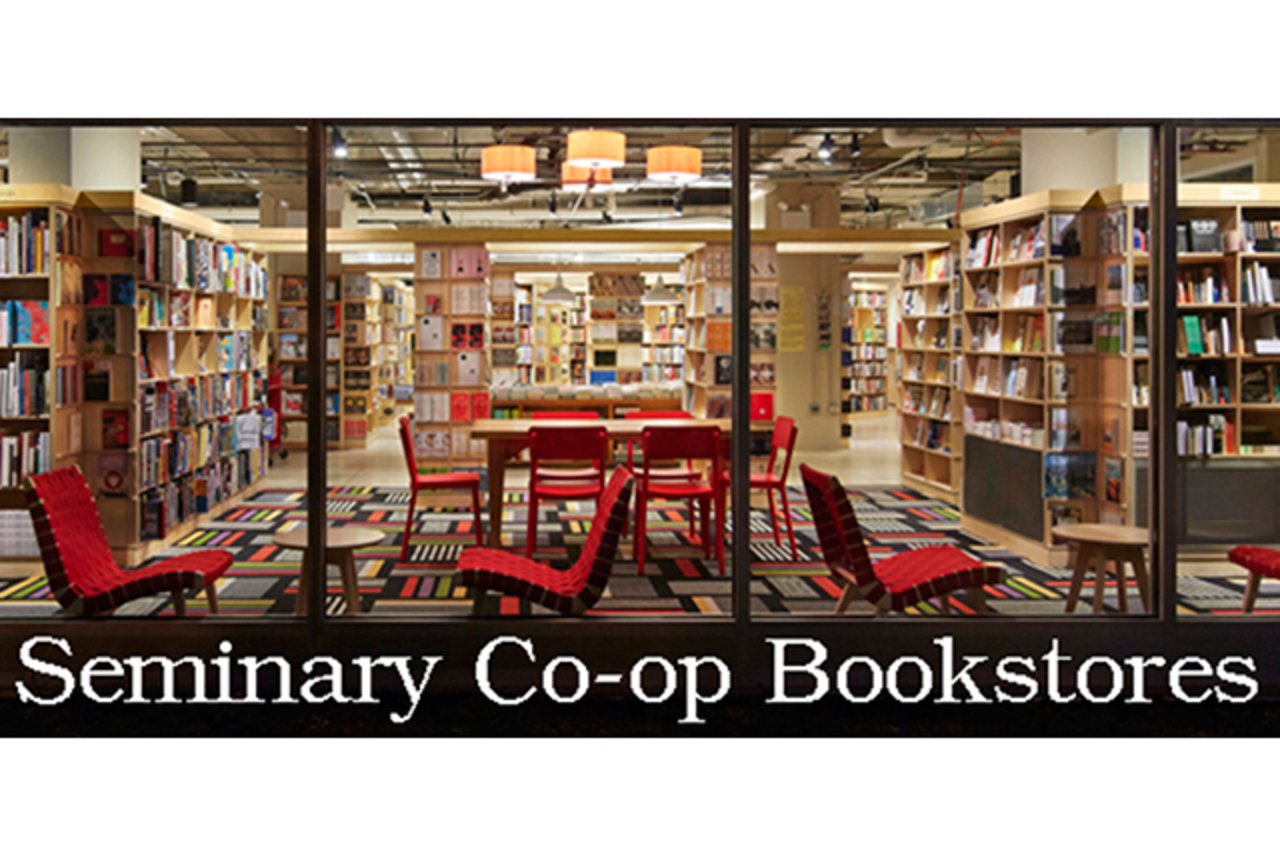
This week’s podcast is one I am really excited about. Jeff Deutsch is the director of Chicago’s Seminary Co-op Bookstores, which calls itself the first not-for-profit bookstore in the United States whose mission is devoted to bookselling (there are other nonprofit bookstores of course, generally components of literary centers, like Beyond Baroque in Venice, California, Woodland Pattern in Milwaukee, and Writers and Books in Rochester, NY are examples).
Last spring I read a report of a Book Industry Study Group panel that included Jeff, and what he talked about immediately caught my attention. Deutsch was reported to have said that the model of bookselling we’ve inherited needs to be rethought: just facilitating more sales, more efficiently, is not the way for bookstores to survive. A bookstore that actually means something to readers will need to carry a deep backlist and to spend time helping readers discover new voices, new texts.
During that panel Deutsch said, “The publishing world and distributors—what you value is not our ability to sell books,” because independent bookstores can never sell in the same volume as Amazon. “Yet we all know how important bookstores are,” he said. As publishers and booksellers once knew, developing readerships for books and authors takes time and devotion that have been boiled out of the entire process now.
Jane Friedman’s outstanding book industry newsletter Hot Sheet compared Jeff’s approach to the Slow Food movement (I think that idea makes sense – I wrote a manifesto for publishers a few years ago on the idea of Slow Publishing, but never developed it enough to publish). Nina Barrett, owner of Bookends & Beginnings in Illinois (which has filed a lawsuit against Amazon), also on the BISG panel said “I think it’s like Alice Waters talking for decades about a sustainable food ecosystem and ultimately revolutionizing the food industry that way. That’s the point we’re at.”
As Jane pointed out, “independent booksellers will lose every time if they base their worth on the mere transactional value of selling books. His stance—that bookselling has a deeper meaning and cultural value—is indeed how boutique and online retailers outside of the Amazon ecosystem are positioning themselves for success.”
Deutsch also said, “We should figure out models that support the work that we’re trying to do, not shoehorn this other model of retail that is really just about buying and selling and not about culture….We all have vocational awe, but couldn’t we have vocational awe and still make a decent living?”
This conceptual framework resonates with me and I think is worthy of much more discussion. Why shouldn’t there be a nonprofit bookselling sector to promote literary and other noncommercial books and authors, just as there is a nonprofit theater? Why should we continuously try to fit a crucially important culture activity into a commercial model, and always fail?
I hope that hearing Jeff talk about this concept will help stimulate further discussion and concrete action. Please feel free to comment and if you are interested in helping, please be in touch.
Connect to the Seminary Co-op Bookstores website here.
Before joining the Co-op Deutsch was the director of stores for the Stanford Bookstore Group and prior to that managed the Cal Student Store at the University of California, Berkeley.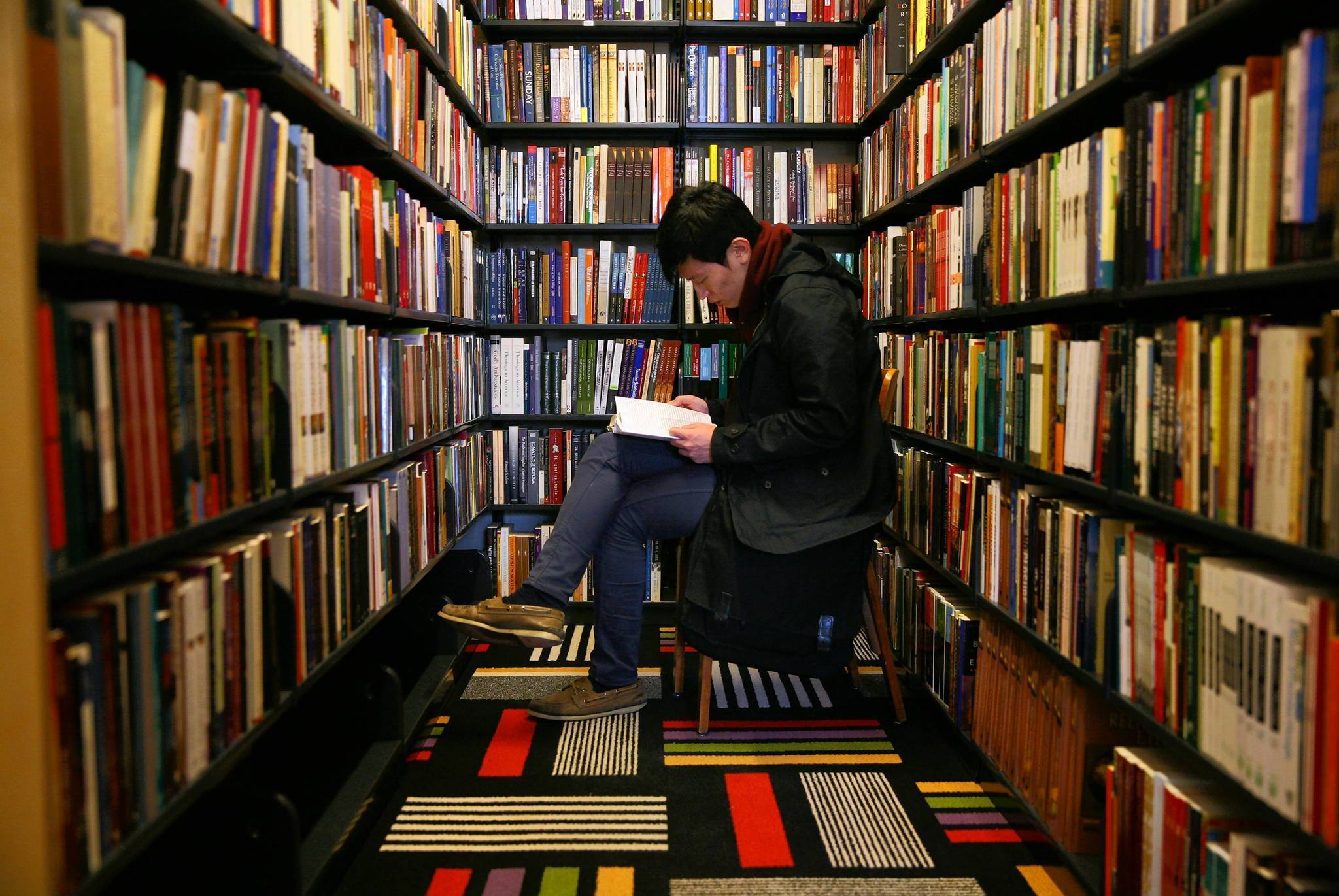
Podcast: Play in new window | Download
Publishing Talks: Interview with Ben Fox of Shepherd.com
September 20, 2021 by David
Filed under PublishingTalks, The Future
 Publishing Talks began as a series of conversations with book industry professionals and others involved in media and technology, mostly talking about the future of publishing, books, and culture. I’ve spent quite a bit of time over the years talking with people in the book industry about how publishing has evolved in the context of technology, culture, and economics.
Some time back, this series broadened to include conversations that go beyond the future of publishing. In an effort to document the literary world, I’ve talked with a variety of editors, publishers, booksellers, innovators, and leaders in publishing from the past into the present.
These conversations have been inspirational to me in many ways. I have gotten to speak with visionaries and entrepreneurs, as well as editors and publishers who have influenced and changed contemporary literature and culture. I’ve also had the opportunity to speak with a number of friends and colleagues I have met over the decades I have been in the book business.
Everyone in the book business recognizes the challenge of matching books to readers and vice versa. Search and discovery are the defining issues of this era of vast abundance and creativity in books and all media. There have been any number of efforts to address these challenges that go far beyond what any individual author or publisher can accomplish. One new effort that is trying to address the problem of online book discovery is called Shepherd. Ben Fox is the founder of this book search and recommendation website which he describes as being “Like browsing the best bookstore in the world.”
Like so many others who have become involved with the book publishing industry, he was motivated by a love of books and a desire to replicate the experience of browsing in a physical bookstore online. It’s a simple enough proposition in theory, but in practice, we know that nothing is easy for start ups, and especially so for start ups in the book industry.
I learned about Shepherd from an author I have worked with who has become a friend. Since I believe we need to foster creativity and innovation in every aspect of the book delivery chain, I wanted to talk to Ben to find out more about what he is doing, how he is doing it, and how he feels he can make this effort a success.
In a fairly short time, Shepherd has built a robust offering, with book lists of all kinds, and direct connections on the site to a large number of active authors.
Visit Shepherd.com and see for yourself what Ben Fox is doing. It would be interesting to me to hear what you think of it. Does Shepherd help you find books you might not otherwise have discovered? Does meeting authors online make a difference to your sense of their books and your willingness to buy and read them? Does Shepherd succeed in creating an online book browsing experience that matches what a great bookstore can do?
“I love walking around the bookstore and browsing until something grabs my attention. I want to bring that experience online. I want to help readers bump into books they would otherwise not find. And, help them follow their curiosity to new places.
And, I want to help authors meet more readers. Authors illuminate our world, take us on faraway journeys, and entertain us. There is a growing trend that authors have to become their own marketing team. That concerns me because it takes time away from writing and is very hard to do. One of my long-term goals is to help authors market themselves and give them more time to write.” — Ben Fox
It’s pretty obvious that retail shopping is changing. As readers, we need to figure out new ways to discover books, and for writers and publishers, it is crucial that there are a variety of different ways for us to reach out to readers when we have books we want them to know about. I hope Shepherd will succeed.
Podcast: Play in new window | Download
Publishing Talks: Interview with Roxanne Coady of R.J. Julia Booksellers
June 17, 2021 by David
Filed under PublishingTalks, The Future
 Publishing Talks began as a series of conversations with book industry professionals and others involved in media and technology, mostly talking about the future of publishing, books, and culture. I’ve spent time talking with people in the book industry about how publishing is evolving in the context of technology, culture, and economics.
Some time ago, this series broadened to include conversations that go beyond the future of publishing. In an effort to document the literary world, I’ve talked with a variety of editors, publishers, booksellers, and others who have been innovators and leaders in independent publishing in the past and in the present.
These conversations have been inspirational to me on many levels. I have gotten to speak with visionaries and entrepreneurs, as well as editors and publishers who have influenced and changed contemporary literature and culture. I’ve also had the opportunity to speak with a number of friends and colleagues I have known over the many years I have been in the book business.
Bookstores have been an essential part of my entire life, even from early childhood, one benefit of growing up with a writer as father. Independent bookselling thrived from the late seventies into the late 1990’s, no doubt reflecting the Baby Boomer generation’s enthusiasm for books and ideas. The last twenty or more years have been very different, and now there are far fewer communities that support bookstores than at anytime in the past fifty years. Bookstores (along with public libraries) are a crucial element of a healthy culture, far more valuable than their size and scope would suggest. Local communities benefit from the presence of bookstores in many ways, and literary culture needs them too, as visible representations of a reading culture. Ideas grow and spread from books, but culture is also built around physically being present with one another.
So it is important for us to find ways as readers and literary citizens, to support bookstores, and it is equally important for booksellers to locate themselves, create and support communities around their stores, to support their workers and to make themselves meaningful enough to be thrive, despite the challenges of being small businesses in a mass-oriented consumer culture.
There are quite a few examples of booksellers who have made just such an impact, and their experiences and ideas are important for all of us to share and understand. It has been a particular pleasure for me to have known and worked with Roxanne Coady, the founder and owner of the exceptional R.J. Julia Booksellers, in Madison, Connecticut. We first met when Roxanne came to Connecticut to establish her new business after pursuing a successful career as a CPA in New York City. Over the years, I have spent many hours browsing their shelves, attending author events, and enjoying the cafe.
R.J. Julia has thrived during the period when local bookselling has faced an array of challenges, first from chain bookstores, then from Amazon and the rise of online retailing, and of course most recently, the pandemic. Throughout this time, Roxanne and her staff have innovated on many levels, including creating a drive-by pickup window for busy parents, putting on over 300 events a year (some of which are with celebrity authors), establishing an active email newsletter, providing online sales with speedy service, podcasting, and building an active book club. Throughout, the emphasis on community, care for staff as individuals, and listening to customers have been paramount characteristics of the enterprise. There is a bit of practical magic at work there, I think.
After more than 30 years of hard work and success, it’s obvious that Roxanne has quite a bit to say about what it takes to be a successful bookseller, to be a locally based business, and to be a crucial part of literary culture. I believe that our conversation should be meaningful for anyone interested in the future success of bookstores and the importance of building a real literary culture within a society that does not put enough value on books, authors, writing.
We need more bookstores! Visit the R.J. Julia Bookseller website and sign up for their newsletter.

Podcast: Play in new window | Download
Publishing Talks: Interview with Angus Yuen-Killick of Red Comet Press
April 21, 2021 by David
Filed under Publishing History, PublishingTalks, The Future
 Publishing Talks began as a series of conversations with book industry professionals and others involved in media and technology, mostly about the future of publishing, books, and culture. I’ve spent time in conversation with people in and around the book industry talking about its evolution in the contexts of technology, culture, and economics.
Later, this series broadened to include conversations that go beyond the future of publishing. In an effort to document the current and recent past of book publishing, I’ve talked with a variety of editors, publishers and others who have been innovators and leaders of all kinds, past and present.
These conversations have been inspirational to me on many levels. I have gotten to speak with visionaries and entrepreneurs, as well as editors and publishers who have influenced and changed contemporary literature and culture. I’ve also had the opportunity to speak with a number of friends and colleagues whose work has influenced my own.
One such person is Angus Yuen-Killick, whom I have known since the 1990s when he came to the US to set up an outpost for a small UK publisher I was working with at the time. I was immediately impressed with Angus’ energy, vision and intelligence and since then, he has gone on to have a great career in children’s book publishing, his true love in the book business.
After working for several larger children’s book publishers over many years, Angus has now founded his own publishing imprint, Red Comet Press, about which he says:
“This is the realization of a long-held dream. The past year has forced us to reevaluate our priorities and reflect on our future. Launching a new publishing company seemed at once a crazy proposition, but also the absolute right thing to do.
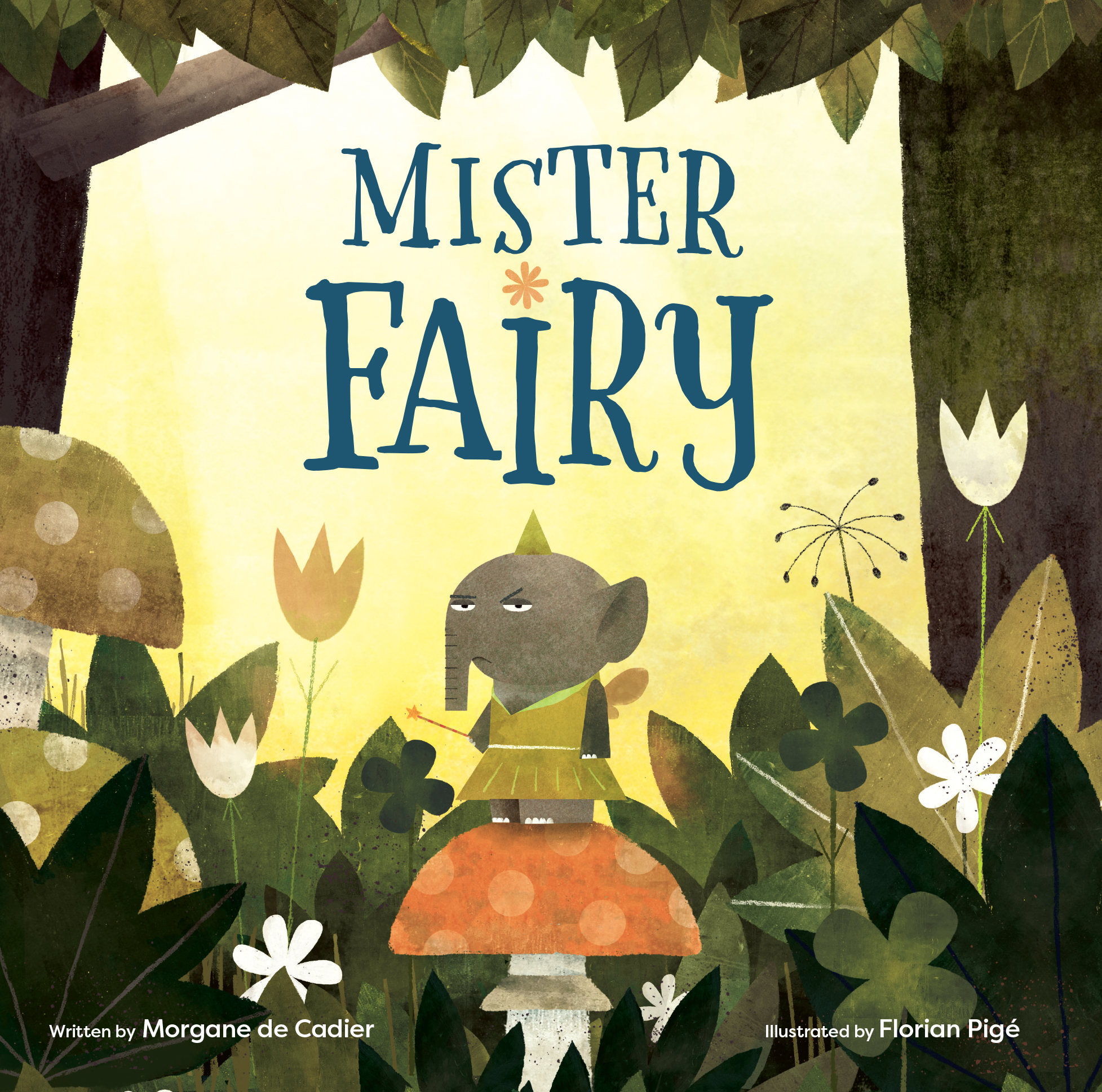
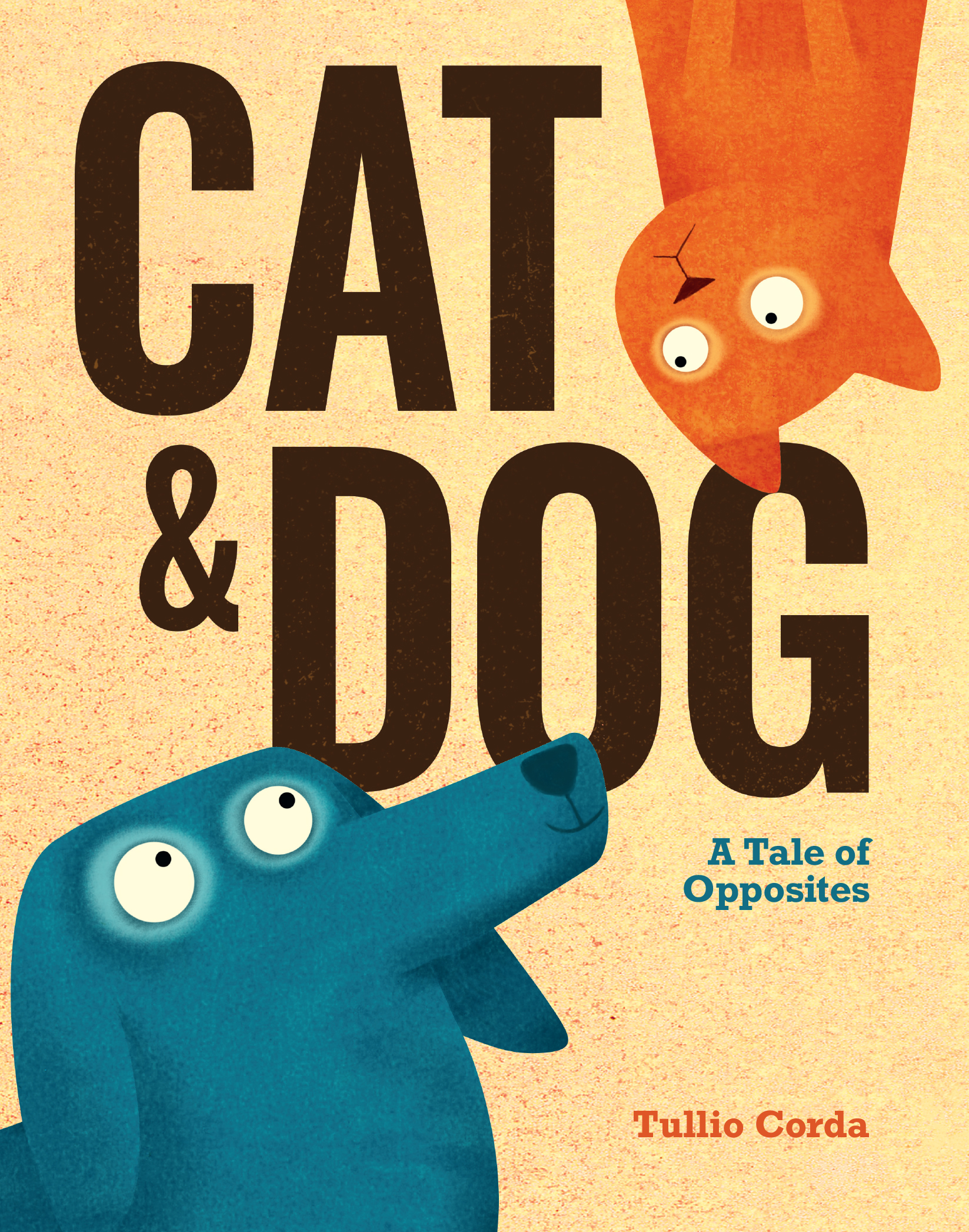
At Red Comet Press, we will focus on the craft of publishing and curating a list of hand-picked titles. We will shepherd them through the publishing process, from creator to reader, with care and attention to detail. When we acquired these first books, it was a sign. They are inventive, surprising, touching, and multi-layered—and they remind me, upon every reading, of the passion and creativity that drew me to this business in the first place.”
Angus was interviewed earlier this year in Publishers Weekly, where he said “When I first started in the business, I worked at a tiny poetry publishing company in the north of England. My dad was an editor there and I was exposed to every aspect of the publishing process. When I left Macmillan last year and was trying to figure out the next step in my career after 30 years in corporate publishing, I realized that my dream was returning to that model of shepherding a list of books from the beginning to the end. This felt like the right thing for me to do next.”
Angus has help from his husband, Michael Yuen-Killick, a talented graphic designer, who serves as creative director for Red Comet, and a raft of friends and associates drawn from his many years of publishing. During his more than thirty years in book publishing, Angus has worked in key roles at various houses, including Macmillan, Penguin, Disney, and DK. I doubt there is anyone in children’s book publishing he does not know; he is widely respected and admired by his colleagues, and by many authors and illustrators as well.
It is always stimulating and fun for me to speak with Angus, so having him as a guest here is a special pleasure. If you are interested in the particular challenges of children’s book publishing, you will learn a great deal from Angus even from this brief interview. His knowledge and experience is unmatched. His enthusiasm and intelligence are often inspirational. And the books he publishes at Red Comet are going to be fantastic too. I am really looking forward to seeing his first list of books later this year.
Podcast: Play in new window | Download
Publishing Talks: David Wilk interviews Mary Gannon of CLMP
May 30, 2020 by David
Filed under Publishing History, PublishingTalks, The Future
 Publishing Talks began as a series of conversations with book industry professionals and others involved in media and technology, mostly talking about the future of publishing, books, and culture. As every media business continues to experience disruption and change, I’ve spent time talking with some of the people involved in our industry about how publishing might evolve as it is affected by technology and the larger context of culture and economics.
Some time back, this series broadened to include conversations that go beyond the future of publishing. In an effort to document the literary world, I’ve talked with a variety of editors, publishers and arts professionals who have been innovators and leaders in independent publishing in the past and the present, and continue to explore the ebb and flow of writing, books, and publishing in all sorts of forms and formats, as change continues to be the one constant we can count on.
Mary Gannon is the Executive Director of the Community of Literary Magazines and Presses, a now more than fifty-year-old nonprofit that is the primary organization in the US supporting the literary publishing community. There are hundreds of publications of all sizes that benefit from CLMP’s work, some well-established, others that are start-ups, and many others in various stages of growth and development. Some have institutional support, while the majority are supported only by the work of volunteers and readers.
Mary is herself a poet, and has worked in the literary community for many years. She well understands the struggles and needs of the community she serves. Before joining CLMP in 2018, she was the Associate Director and Director of Content for the Academy of American Poets, and before that she was the Editorial Director of Poets & Writers, the country’s largest nonprofit organization serving poets and literary writers.
Mary has published numerous articles about publishing and the literary field, as well as book reviews in a variety of journals. With her husband, Poets & Writers Magazine Editor-in-Chief Kevin Larimer, she wrote The Poets & Writers Complete Guide to Being a Writer, published by Avid Reader Press/Simon & Schuster April, 2020.
I’ve wanted to talk to Mary for some time about the state of the independent literary community. Now, with the COVID pandemic having such an impact, especially so on the arts (to the point of crisis for many) it’s an important time for a conversation about the current state and future prospects of literary publishing.
CLMP was founded in 1967 by writers and editors, including Russell Banks (whom I interviewed in 2018.) It offers a range of services and funding to magazines and literary publishers. Visit the CLMP website for more information or to make a donation in support of its vital work to support independent literary culture.
Disclosure: I am currently proud to be a member of the board of trustees of CLMP.
Podcast: Play in new window | Download
Publishing Talks: David Wilk interviews Brian Birnbaum of Dead Rabbits
December 31, 2019 by David
Filed under PublishingTalks, The Future
 Publishing Talks began as a series of conversations with book industry professionals and others involved in media and technology, mostly talking about the future of publishing, books, and culture. As every media business continues to experience disruption and change, I’ve spent time talking with some of the people involved in our industry about how publishing might evolve as it is affected by technology and the larger context of culture and economics.
Some time back, this interview series broadened to include conversations that go beyond the future of publishing. In an effort to document the literary world, I’ve talked with a variety of editors and publishers who have been innovators and leaders in independent publishing in the past and the present, and continue to explore the ebb and flow of writing, books, and publishing in all sorts of forms and formats, as change continues to be the one constant we can count on.
There are many reasons to establish an independent literary venture, but usually the urge is based in the most basic impulse to publish, i.e. make public, work that matters, either to an individual, or a group of writers clustered around a particular geography or literary pursuit. Dead Rabbits is one such new venture. Its founders began by creating a poetry reading in a place that was underserved. The Dead Rabbits Reading Series was founded in 2014 by Devin Kelly (Sarah Lawrence MFA ’15), Katie Longofono (Sarah Lawrence MFA ’14), and Katie Rainey (Sarah Lawrence MFA ’14) as a way of providing a place for an emerging young New York City literary scene to exist and thrive in Upper Manhattan.
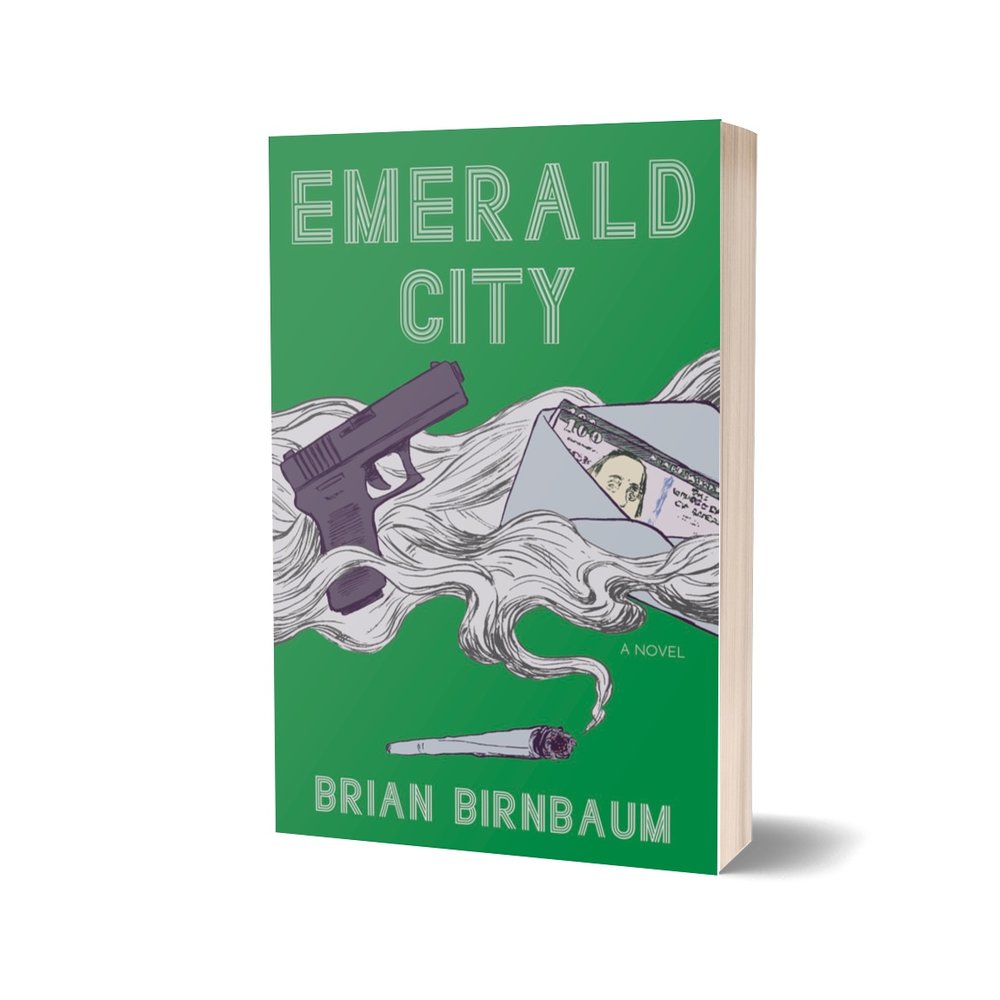
Out of that extremely successful undertaking – with a long list of readers with whom I confess I was not familiar – Katie Rainey, Jonathan Lee Kay and Brian Birnbaum subsequently founded Dead Rabbits Books (“Books that Matter”). Their first publication is Brian Birnbaum’s novel, Emerald City, with several more books planned and ambitions to establish a long term self sustaining publishing venture.
I’ve talked to many folks in publishing who have spent years at their work and thought it would be a useful counterpoint to talk to someone new, on the other end of the spectrum, is just beginning the struggle to publish and reach readers in new ways that have continued to emerge over the past few years.
Dead Rabbits is emblematic of a new generation of writers and editors that is in many ways wrestling with the same challenges that have faced every generation before them, but the current environment is also very different than it has been at any time in the past. Social media creates unmatched opportunities for communication and at the same time a vast array of issues for any new enterprise trying to be discovered. It seems there are more poets and independent presses than ever, all competing for an audience of readers for whom poetry is yet another option for consumption alongside every other media form. Which makes this a very interesting time indeed. Good luck to Dead Rabbits, (in all their various literary ventures) – this is a group of young literary adventurers who seem to have some very good ideas as well as access to some very good writing. Anyone interested in the current literary scene should listen to this podcast.

Podcast: Play in new window | Download
Publishing Talks: David Wilk interviews Dan Blank of We Grow Media
December 16, 2018 by David
Filed under Ebooks and Digital Publishing, PublishingTalks, The Future
 Publishing Talks began as a series of conversations with book industry professionals and folks active in media and technology, at that time, mostly talking about the future of publishing, books and culture. At the outset of this series, I was mostly interested in exploring what people were thinking about the changing economics and culture of publishing and reading.
Now, I’ve expanded these talks to go beyond the future of publishing – in some cases, by going backwards to discuss the recent history of publishing, and in some instances, sideways into various other realms that interest me. I’ve talked with editors and publishers who have been innovators and leaders in independent publishing in the past, and into the present, and will continue to explore the ebb and flow of writing, books, and publishing in to document the cultural milieu around books, authors and publishers.
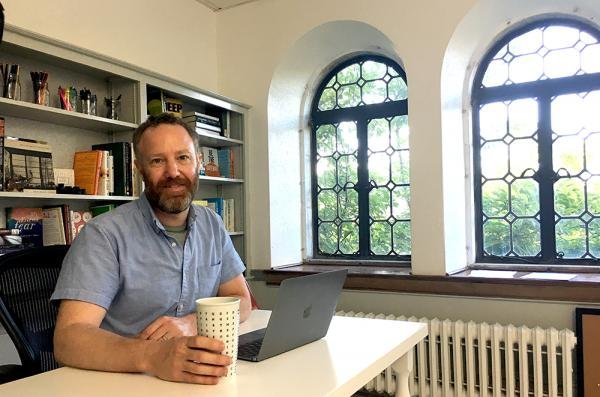
Dan Blank is an inspiring and practical thinker about books, authors and readers. We met a number of years ago, and in working with him on a project to help self publishing authors, I was impressed with his thinking and ideas for ways to help writers conceptualize marketing. I first talked to him for Publishing Talks all the way back in 2012 – you can listen to that interview here. I have continued to follow his work through his excellent email newsletter, and frequently, have been inspired by his writing, especially his view of how writers can thrive in a challenging environment. Since so much has changed in the publishing landscape over the past several years, I thought it would be valuable to talk to Dan again about his current work with writers, books, readers, and the way they are connected.
Dan did not disappoint. This interview is full of great advice for writers and anyone who is interested in connecting with audiences in today’s media-rich environment.
As Dan says about himself on his website, he “help(s) writers and creative professionals share their stories and connect with their audience.” He’s worked with hundreds of authors and many publishers as well. And he has written his own book too, making the process of writing and publishing the book part of his experience-based coaching – Be the Gateway: A Practical Guide to Sharing Your Work and Engaging an Audience.
Dan’s website, wegrowmedia.com is well worth spending some time with, and his newsletter has been a valuable source of ideas and inspiration to many.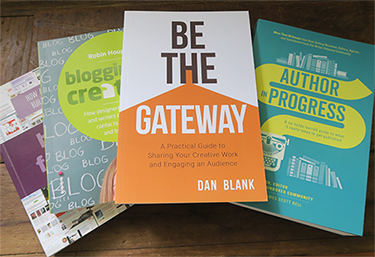
Podcast: Play in new window | Download
David Wilk interviews Tony Sanfilippo of Ohio State University Press
May 6, 2018 by David
Filed under Ebooks and Digital Publishing, PublishingTalks, The Future
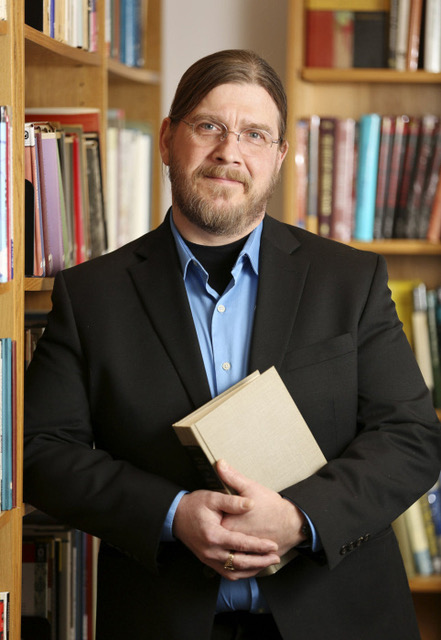
Dispatch photo by Courtney Hergesheimer
Publishing Talks began as a series of conversations with book industry professionals and others involved in media and technology, mostly talking about the future of publishing, books, and culture and have now expanded the series to include conversations that go beyond the future of publishing. I’ve talked with editors and publishers who have been innovators and leaders in independent publishing in the past and into the present, and will continue to explore the ebb and flow of writing, books, and publishing in all sorts of forms and formats, as change continues to be the one constant we can count on.
Tony Sanfilippo is director of the Ohio State University Press in Columbus, Ohio. Under his direction, the press has expanded its trade book and regional publishing programs in interesting and innovative ways, while maintaining a strong commitment to scholarly publishing.
Before joining OSU Press in 2014, Tony was at Pennsylvania State University Press, where he was marketing director and assistant director, having started there as acquisitions editor of regional titles. While at Penn State, he was actively involved with the press’s digital programs. He has also had key roles with the Association of American University Presses and The Association of American Publishers.
Tony is a graduate of Southern Illinois University, and before becoming involved in publishing, he spent more than 20 years as a trade bookseller, as co-owner and manager of Svoboda Scholarly Books in State College, Pennsylvania.
New technology continues to have a big impact on academic and scholarly publishing, and many university presses are actively engaged in exploring and applying digital technology and implementing new publication strategies. Sanfilippo devotes a significant percentage of his time on these issues, and his unusual background and broad pop culture subject interests make him a compelling subject for a Publishing Talks interview.
It was a pleasure to spend some time in a wide ranging conversation about the challenges and opportunities facing university press publishing with this very smart and interesting press director.
Here is a description of OSU Press from its website:
We specialize in literary and cultural studies (including comics, narrative theory, Victorian studies, and medieval studies), American studies, rhetoric and communication, gender and sexuality studies, and race and ethnic studies (including Black studies and Latinx studies). We also acquire books in regional studies on our Trillium imprint, creative works, on our Mad Creek imprint, and linguistics, and publish the annual winners of The Journal’s non/fiction and poetry prizes.
Among the most notable titles published by the Press are Language Files, an introductory linguistics textbook now in its 12th edition; The Centenary Edition of the Works of Nathaniel Hawthorne, the definitive 23-volume edition of the American master’s writings; The Death of Contract, a classic in legal studies; and Listen to Me Good, a moving autobiography of an Alabama midwife. The Press was the original publisher of the Helen Hooven Santmyer blockbuster “. . . And Ladies of the Club,” which is now out of print.
In addition to its books, the Press publishes a distinguished group of journals including Inks, the Journal of the Comics Studies Society, Adoption & Culture, American Periodicals, Victorians, North American Journal of Celtic Studies, and Narrative.
Visit the OSU Press website for more information about their books and programs and read a very useful post, University Press Publishing Under an Autocracy by Tony Sanfilippo at the always interesting Scholarly Kitchen.
Podcast: Play in new window | Download
David Wilk interviews Joanna Penn of The Creative Penn
September 11, 2017 by David
Filed under Ebooks and Digital Publishing, PublishingTalks, The Future
 Publishing Talks began as a series of conversations with book industry professionals and others involved in media and technology, mostly talking about the future of publishing, books, and culture. As every media business continues to experience disruption and change, I’ve been talking with some of the people involved in our industry about how publishing might evolve as it is affected by technology and the larger context of culture and economics.
I’ve now expanded this interview series to include conversations that go beyond the future of publishing. I’ve talked with editors and publishers who have been innovators and leaders in independent publishing in the past and into the present, and will continue to explore the ebb and flow of writing, books, and publishing in all sorts of forms and formats, as change continues to be the one constant we can count on.
The rise of self publishing authors is one of the most significant elements of change in the modern publishing landscape. Technology is one element – ebooks and digital short run printing (aka print on demand) give authors access to low cost production and distribution capabilities. The internet as a disseminator of information has helped to democratize publishing skills and knowledge, and generally to drive down the costs of production for books of all kinds. Disruption among traditional publishers has also helped by creating a large pool of experienced freelancers that can provide high level publishing services at reasonable cost.
And crucially, a large group of successful do-it-yourself publishing authors and publishing professionals have become teachers and guides, assisting writers at every level of experience, of every kind of writing, to themselves learn the ropes of what was once a somewhat esoteric set of skills and knowledge. And because change is such a prominent feature in the modern publishing environment, no author can afford to not be in a continual state of learning. The advisors, consultants and teachers who both know “how to do it” and how to keep learning have become tremendously important resources for a wide range of authors.
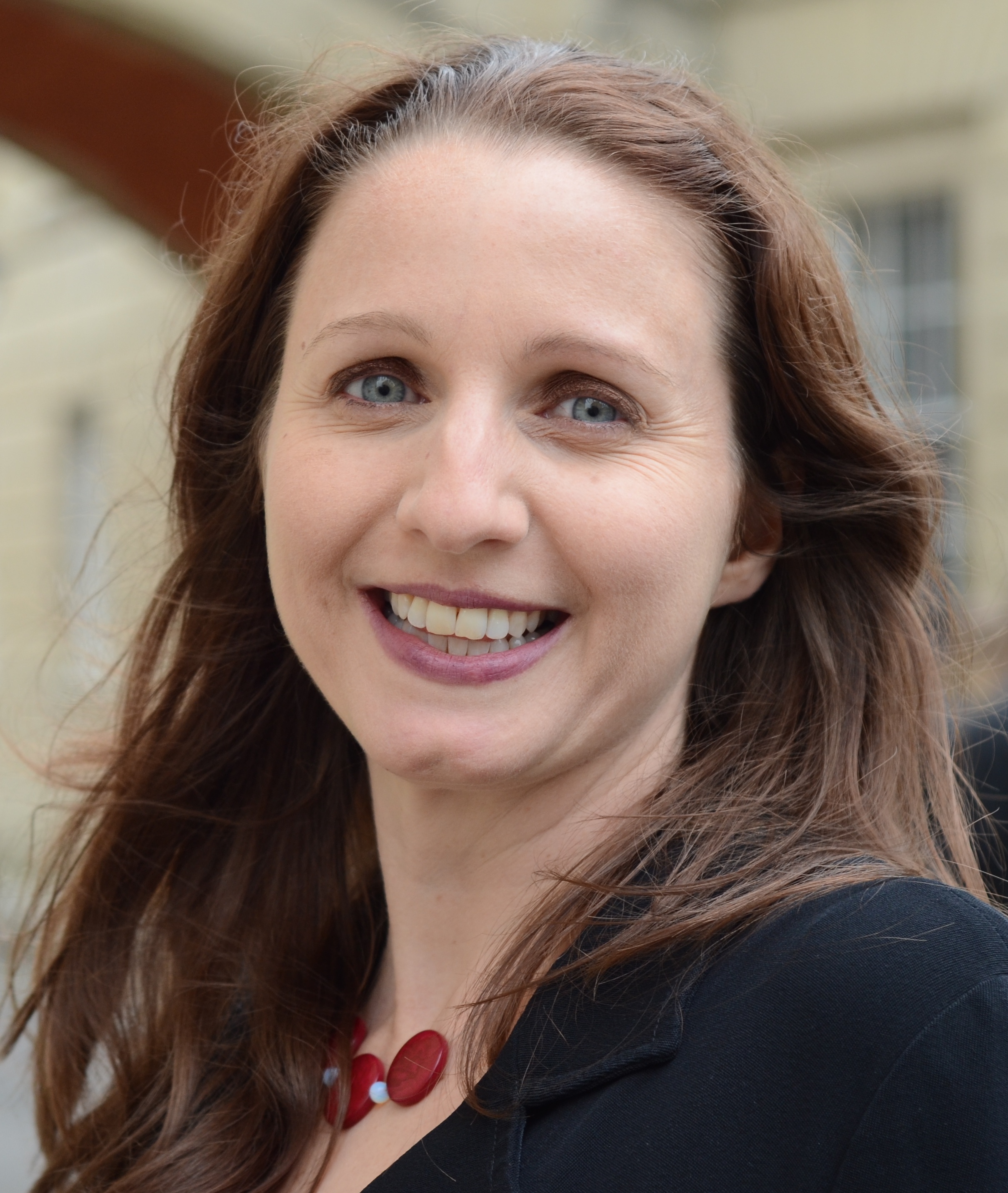
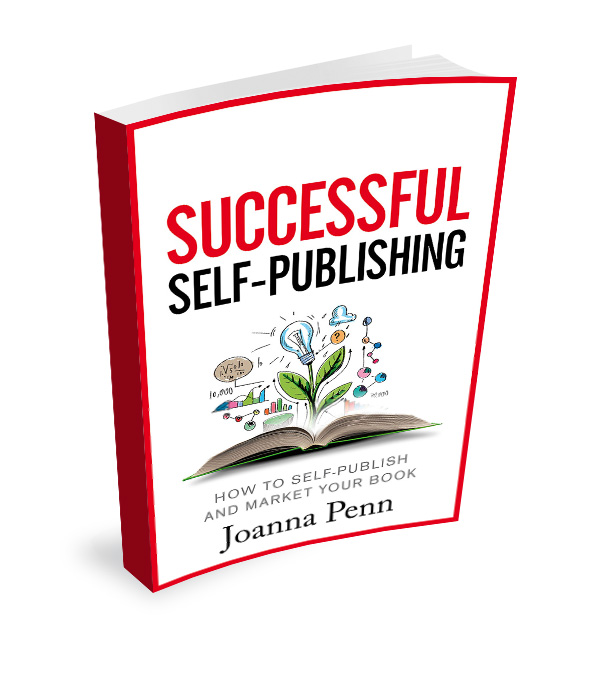
One of the best of the brightest of these is UK-based writer Joanna Penn. Her fantastic website, The Creative Penn, has become one of the largest of its kind in the literary world. Joanna is an award-winning, best-selling thriller writer and she writes really good nonfiction books for authors. She is now a publisher too (Curl Up Press), a speaker, and of course, an entrepreneur. She’s endlessly energetic, smart, perceptive, and gives consistently great advice. I am a regular reader of her work, and refer to it frequently on the self publishing blog I operate myself.
I could not pass up the opportunity to speak with Joanna about her work as a writer and self publishing guide. It was great fun for me, and I am sure will be for my listeners as well. Even if you never self-publish your work, it is well worth hearing what she has to say. At least for me, the time flew by, and we could easily have talked much longer. Thank you Joanna!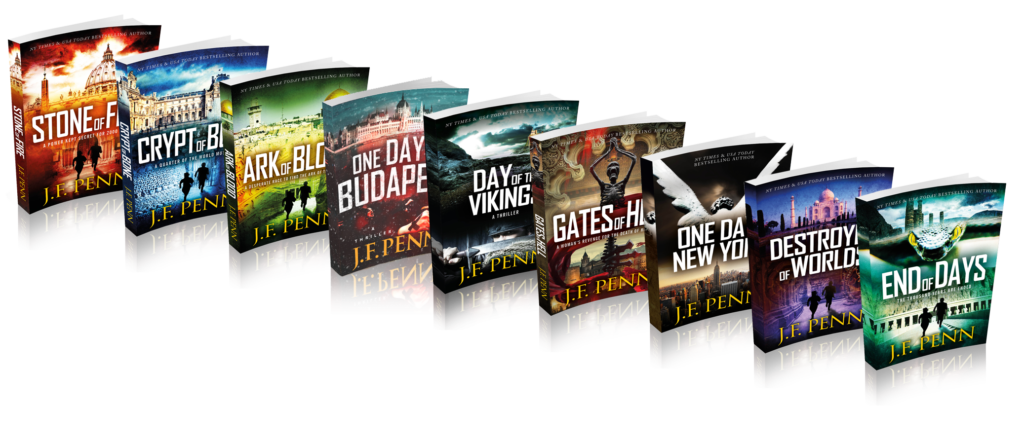

Podcast: Play in new window | Download