
Interview with Nona Footz: A Mansion of Her Own
September 17, 2026 by David
Filed under Non-Fiction, WritersCast
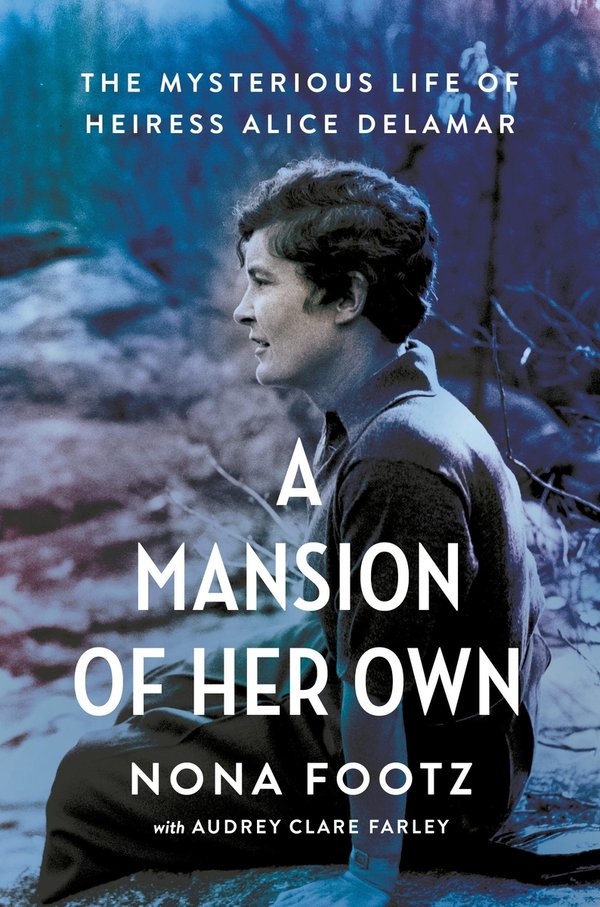 A Mansion of Her Own: The Mysterious Life of Heiress Alice Delamar – Nona Footz with Audrey Clare Farley – Grand Central Publishing – 9781538772072 – 272 pages – $32.50 – October 8, 2026 – ebook versions available at lower prices
It was impossible for me to resist a story about a reclusive heiress who lived only a few miles from where I grew up and lived in southwestern Connecticut. The towns there now are mostly well-to-do suburban enclaves, and best known for their wealth and well-known residents. But when I was growing up there, and earlier in the twentieth century, much of Fairfield County was quite rural. In those times, the area attracted many artists, writers, dancers and Bohemian types who found it a respite from the urban travails of nearby New York City. Only an hour by train or car (on roads with far less traffic than today), it was attractive to a wide range of people, some of whom were quite well off.
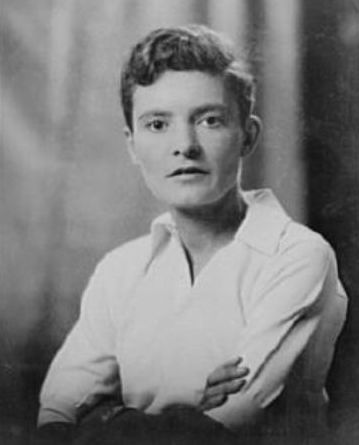
One of those very rich people was a secretive heiress, Alice DeLamar. In 1918 at age twenty-three, she inherited her mining magnate father’s massive wealth, making her the richest woman in America. She immediately became the target of the press, who wanted to know all about her, especially whom she would marry (of course).
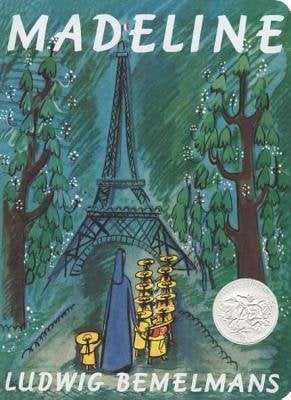
Alice was not the kind of person who enjoyed this attention. She found a piece of land in then rural Weston, Connecticut, and built an estate, where she spent time with an amazing array of interesting people, most of whom were in the arts and many of whom either were then or who are now, quite well-known. She sponsored the children’s writer Ludwig Bemelmans (Madeleine was created there), the actress and producer Eva LeGallienne (with whom she had a lengthy romantic relationship), hosted Vladimir Nabokov, Salvador Dali, George Balanchine (who also lived in Weston), Dave Brubeck, and many others at social gatherings and soirees.
While she kept her apartment in New York City, and eventually had another large home in Palm Beach and a townhouse in Paris too, Weston was always the center of her multifaceted and mostly unknown and undocumented life.
HR executive Nona Footz also lived in Weston for a number of years. She only accidentally learned about Alice Delamar after reading a biography of Eva Le Gallienne by Helen Sheehy. Nona found herself drawn to Alice, and became dedicated to finding out more about this reclusive, highly secretive woman. She spent a decade tracking down anyone she could find who had known Alice, interviewing them and researching her life, all the while in search of Alice’s original papers, including a memoir Alice was rumored to have written, all of which had disappeared upon Alice’s death in 1983.
Nona’s book is not only a mystery story, it is also a memoir as well, in which she recounts her own saga of trying to understand and uncover the true life and times of a remarkable woman. It’s a great story and it was really special for me to have the opportunity to speak with Nona about Alice and this book. I am certain you will enjoy this conversation as much as I did. It is a great story. Don’t miss it!
“A journey through the bedrooms and drawing rooms of the twentieth-century art world where luminaries expressed forbidden sexual desires and found inspiration for much of the art they created. The book is so good, I picked it up and barely breathed until I was finished.” -Mary Gabriel, author of Ninth Street Women
Nona Footz is currently an executive and board recruiter and has been a freelance writer for the magazines VENU and for Art New England. A native of Canada, Footz is an adjunct faculty member at New York University. This is her first book.
Co-author Audrey Clare Farley is the author of The Unfit Heiress and Girls and Their Monsters, which won the Michigan Notable Book Award and was named a New York Times Editors’ Choice.
Some interesting notes: a portion of what was the Delamar property is now the 21-acre Stonebridge Waterfowl Preserve in Weston, which she donated in 1969.
On her estate, Alice had a pool built that includes a tunnel leading from the basement. It is rumored that this was so she could swim in the nude without fear of being seen (or to walk outside).
Delamar funded the Civic Repertory Theatre established by Le Gallienne in New York City.
When she passed away, most of her estate went to Harvard, Columbia, and Johns Hopkins, per her father’s original will.

Podcast: Play in new window | Download
Mel Harkrader Pine: From Pain to Peace
September 4, 2026 by David
Filed under Non-Fiction, WritersCast
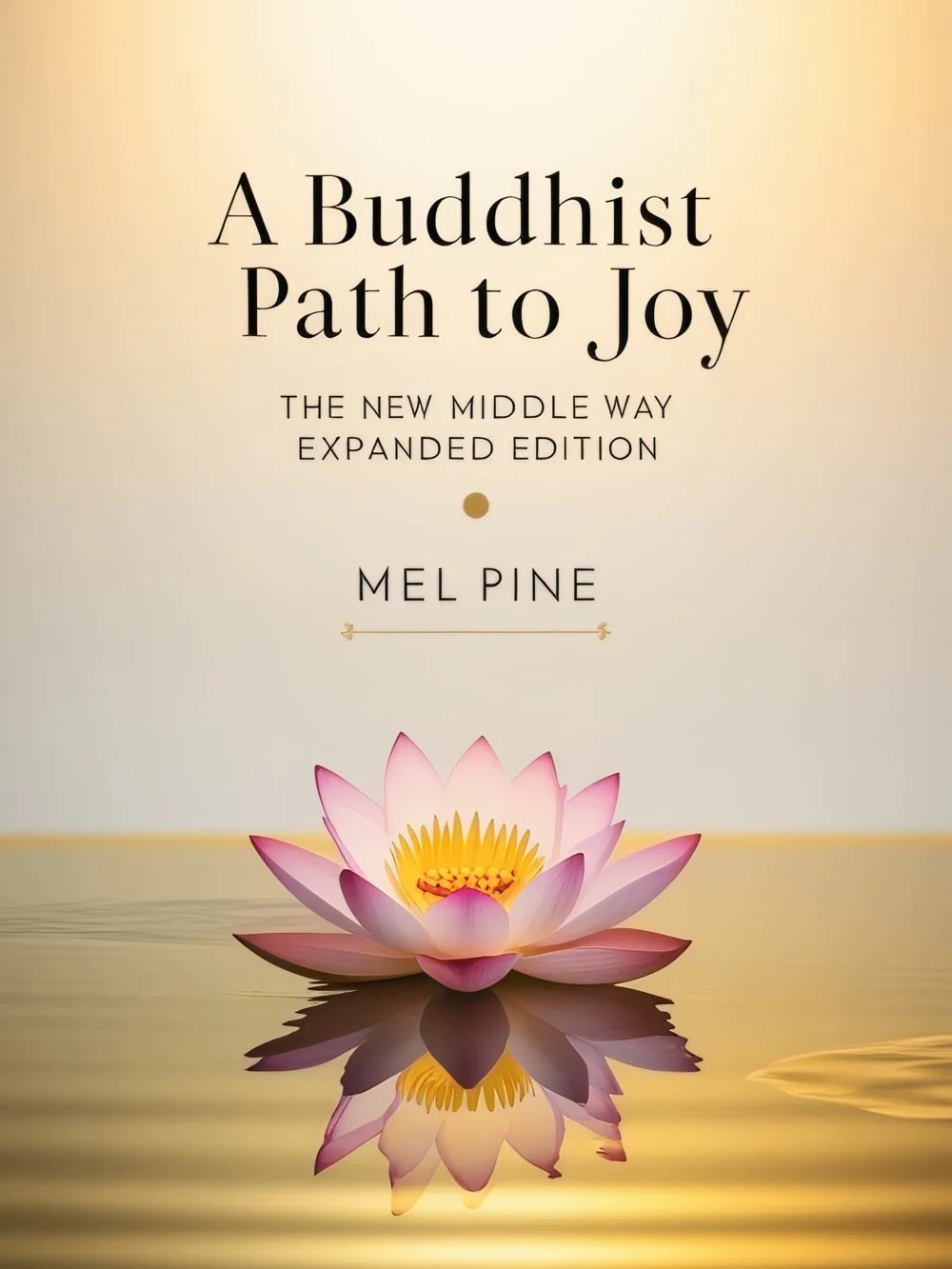
 From Pain to Peace: How Trauma and Tragedy Teach Us Compassion and Wisdom – Mel Harkrader Pine – Prospecta Press – Paperback – 9781632261786 – 240 pages – $18.00 – September 15, 2026 – ebook versions available at lower prices
The subject of trauma has become far more discussed and understood over the past half century. When I was growing up, people never really talked about the traumatic events and experiences in their lives. Today, trauma is much more commonly talked about and recognized, yet still so many of us are unable to heal from our traumatic experiences. The counter culture of the sixties planted seeds for a broader acceptance and understanding of trauma, both personal and cultural, experienced directly or epigenetically, as well as an increased awareness and practice of non-western religions and philosophies that often enable practitioners heal from traumatic experiences.
Mel Pine has experienced deep trauma throughout his life. He is a long time Buddhist practitioner. In From Pain to Peace, he demonstrates how Buddhist concepts like impermanence, impermanence and equanimity become tools for healing. It is an extraordinary book by an extraordinary human being, whom I have had the pleasure of getting to know. And it has been my honor to publish his extraordinary book.
As Mel says on his website, “this book speaks to the universal longing for healing and wholeness.” It seems that today, almost every feeling human being feels traumatized, and in need of tools like those this book provides to help live a fuller life.
Here’s what Mel says about himself: “I live in the State of Joy. I’ve devoted my remaining days of cognitive and physical health to helping others join me here.
I’ve had a passion for writing since eighth grade, began a career in journalism at age 20, moved on to other forms of communication through words, images, and videos, and became a spiritually focused author at 78.
That very-late-life career put new oomph into these old bones and neurons, so as I approach my 80th birthday, I intend to keep pursuing my mission as long as impermanence lets me.”
Mel also publishes two Substack newsletters. From the Pure Land focuses on spiritual issues, especially Buddhism for modern life. Human-AI Mutuality covers what Mel calls humankind’s most important frontier — how we relate to artificial intelligence.
The trauma Mel has experienced is acutely painful—at once generational, social, and decidedly personal. It is a morass of sludge enough to soil a soul interminably. And yet, out of the mud, the lotus blossoms. This book is Mel Pine’s lotus blossom. It describes how he discovered spiritual resources within the suffering that not only enabled him to survive; they enhanced his equanimity, deepened his compassion, and awakened in him a sober wisdom. They brought him to a place of genuine peace. Trauma can cut both ways. It can mire one in the mud, or the mud can give rise to a flower born of suffering. This book is one of those flowers.—Frank Rogers Jr., author of Cradled in the Arms of Compassion
Author website (he has a Kickstarter!) melpineauthor.com
You can buy the book here at Bookshop.org

Podcast: Play in new window | Download
Jeff Gomez: The 10 Commandments of Successful Corporate Narratives
August 12, 2026 by David
Filed under Non-Fiction, WritersCast
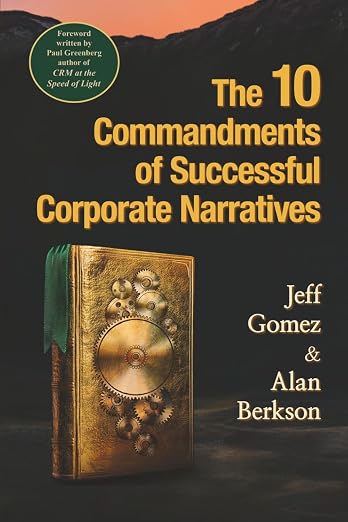 The 10 Commandments of Successful Corporate Narratives – Jeff Gomez & Alan Berkson – Intelligist Press – Paperback – 9798218853914 – 138 pages – $24.00 – February 15, 2026 – Kindle version $14.99 (Amazon only)
Jeff Gomez is an amazing guy. We met years ago in some now forgotten business connection, but I always remembered being impressed by his innate understanding of narrative. He seems to always have been able to use that understanding to engage in brilliantly executed world building for a range of brands and entertainment properties.
For the many years he has been in the entertainment industry, he has worked on some of the most iconic properties in the world with many brands and companies, including Coca-Cola, Hasbro, Pirates of the Caribbean, Spiderman, and many more. His work has doubtless touched the lives of millions of people.
Jeff has also recognized how much the media world has changed as the internet as grown and new media has arisen. Many of us recognize how different the media landscape is today, but most of us do not fully understand exactly what has changed and similarly, while we can feel that society and culture have changed inalterably, understanding how to operate in this new environment is deeply challenging, not only to creators and entertainment industries, but to all of us as consumers and citizens.
Jeff has written about this under the rubric “The Collective Journey: Storytelling architecture for the post-digital age.” Follow this link to read the entire piece. Here is a quote to get you started:
For centuries, every agency, company, studio, and writer has relied on the Hero’s Journey as a standard for storytelling. But nonlinear, trans-platform communication has entirely disrupted that model. To rising generations, the standard tropes of classic storytelling have begun to feel slow, obvious, and dated. We yearn for a new, far more dynamic and participative approach…
Society is grappling with seismic, accelerated, and seemingly chaotic change.”
Together with his long-time colleague Alan Berkson, Jeff has also written on this topic in the book we started out to discuss, The 10 Commandments of Successful Corporate Narratives. It’s a short book and is well worth reading. While it is directed at and oriented toward business executives trying to understand and navigate our fractured and challening media landscape, it is really useful for anyone who wants to grapple with the implications of a highly connected culture.t to
The core insight is that the now famous structure of “The Hero’s Journey” has been transformed into what they call “the lightning bolt” of the Collective Journey.
Jeff posits and I agree, that this understanding is crucial for all of us, not just as consumers of media, but more importantly as citizens in a democracy that is subject to all of the pressures and tensions of this new world. If you do not understand what is happening, you will not be able to work successfully to achieve your goals, whether they are cultural or political.
I hope you will enjoy listening to our conversation as an entry point to Jeff’s thinking and writing. The Collective Journey comprises an eight part series of essays published on Medium (available for free). I think it’s an important piece of writing that should be read more widely.
Jeff Gomez is the CEO of Starlight Runner, a transmedia entertainment company. He is a brand and cause-related consultant, producer of franchise storyworlds and transmedia entertainment properties.
Alan Berkson has provided top-tier service to companies from one-person firms to enterprise-level corporations—across Wall Street, the United Nations and Main Street—by wielding his own brand of non-traditional business strategy. Alan was named one of The Top 100 Most Social Customer Service Pros On Twitter and is the Director of Community Outreach for SaaS helpdesk company Freshdesk.
You can buy The 10 Commandments of Successful Corporate Narratives on Amazon.


Podcast: Play in new window | Download
David Margolick: When Caesar Was King
June 30, 2026 by David
Filed under Non-Fiction, WritersCast
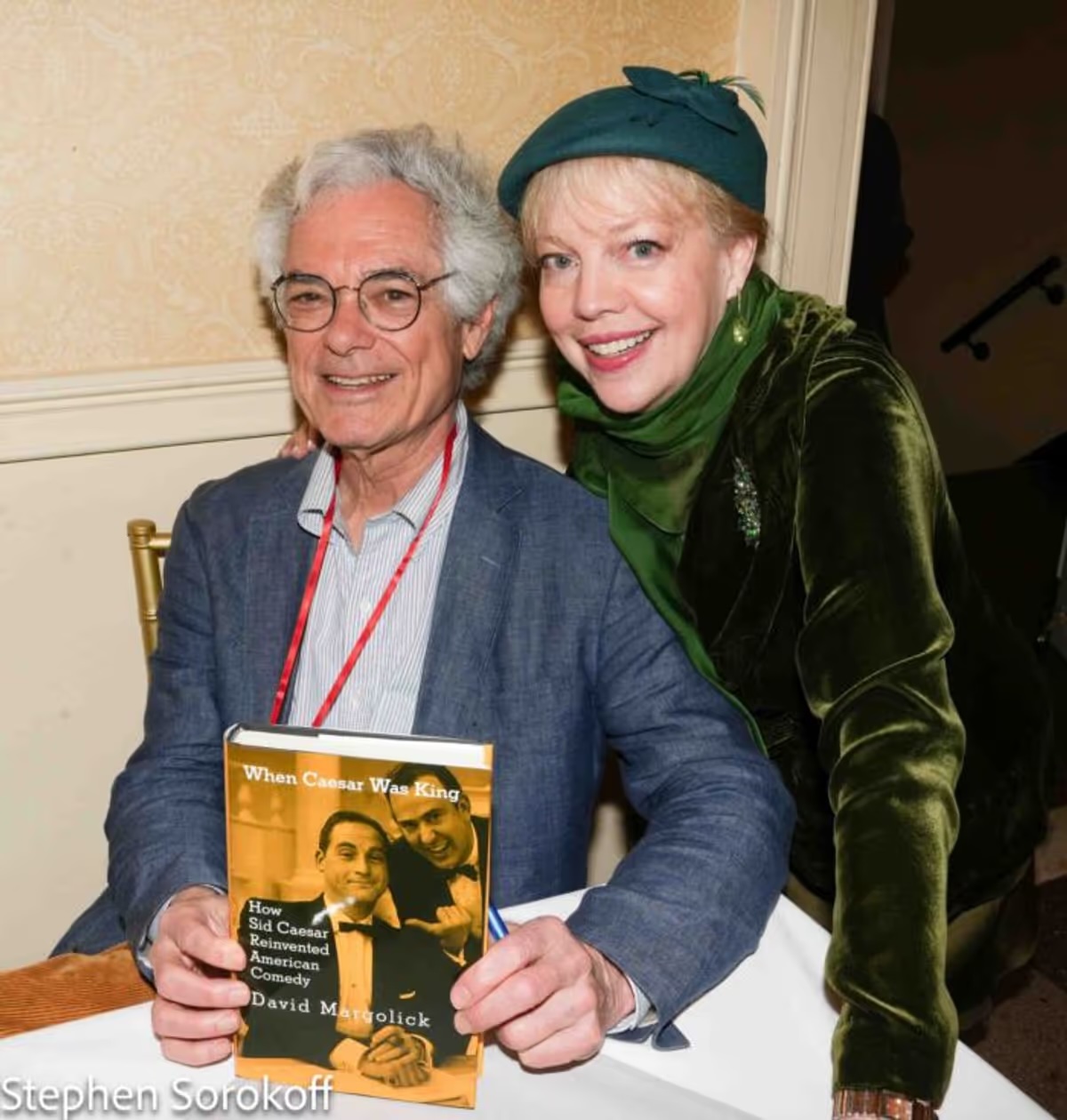
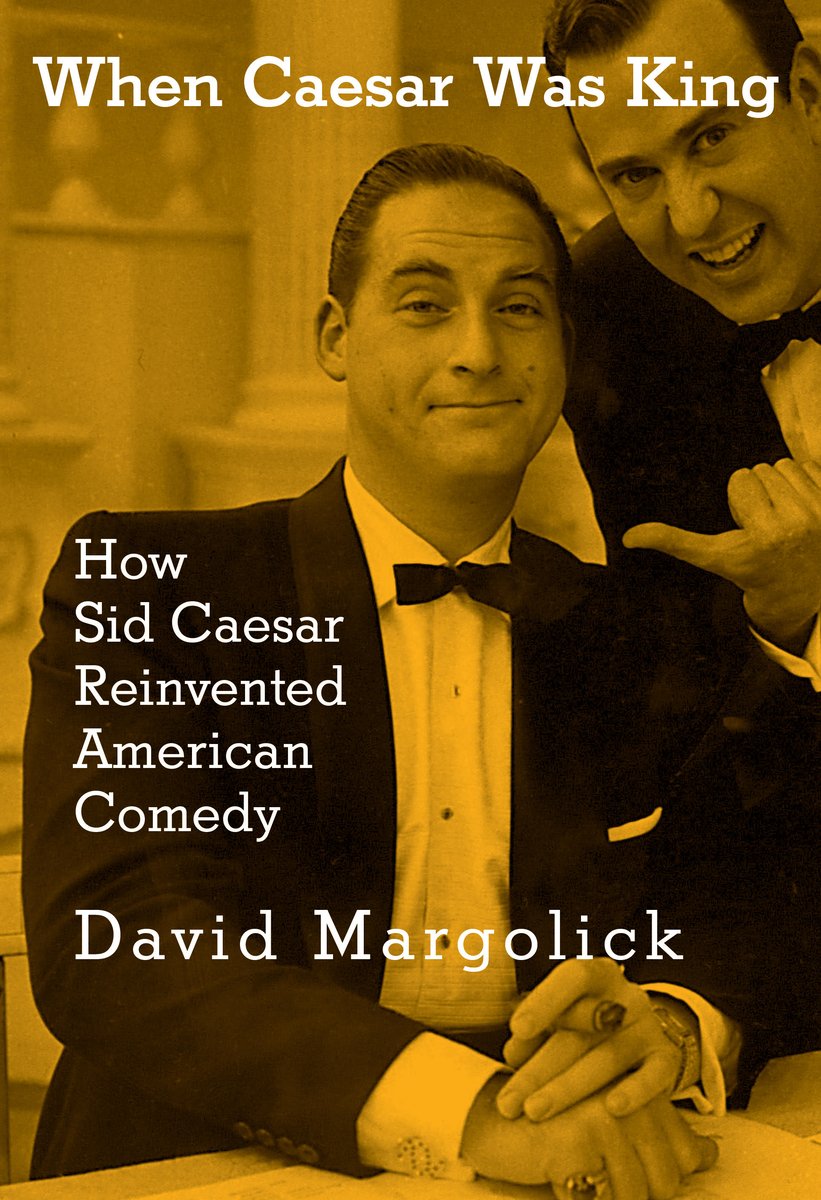 When Caesar Was King: How Sid Caesar Reinvented American Comedy – David Margolick – Shocken Books – Hardcover – 9780805242553 – 400 pages – $35.00 – November 11, 2025 – ebook edition available at lower cost, audio book also available.
I am almost the same age as author David Margolick, so was born too late to see any of Sid’s early classic shows that aired when he was establishing the way comedy would work on the then new medium, television. Growing up with a comedy writer father, Sid Caesar was legendary in our house as a revered progenitor of the current crop of television comedy, but by the time I was old enough to know who he was, Sid Caesar was no longer at the pinnacle of his success. Despite being active on TV through the sixties, seventies and beyond, he was no longer culturally relevant as he had been earlier in his career. Yet his impact on television and its audiences was massive, and I remember hearing my parents and their friends talk about Sid Caesar, Imogen Coca, Carl Reiner, and Mel Brooks and their less well-known writers, always with admiration and joy.
Whether you are lucky enough to have seen Sid Caesar in action in his early days, or know nothing about him at all, David Margolick’s biography brings Sid to life. He provides us with a vivid rendering of an extremely complicated actor/comedian. In the early 1950s, Caesar was television’s first real star, his show drawing am audience of twenty million people at a time before televisions were not even present in most homes in America. His sketches helped define the nature of television comedy for generations to come even to this day. (All you have to do is watch a Caesar sketch followed by a modern SNL sketch and you will get it.)
Most of Caesar’s writers and actors went on to their own successful and influential careers and helped define television culture for decades. His writers included Neil Simon (The Odd Couple), Larry Gelbart (M*A*S*H), Mel Tolkin (All in the Family), Woody Allen (too many to list), Mel Brooks (Blazing Saddles, The Producer) and Carl Reiner (Dick Van Dyke Show).
Sid Caesar success was relatively short-lived. As television moved to take over the heartland of America, other stars supplanted him. As Margolick makes clear, Caesar was a complicated, introverted, socially awkward person, completely unlike the public personae he portrayed in performance. He could not or would not adapt to the changing tastes of television audiences—perhaps because Caesar’s humor was based on and drawn from 20th century urban American Jewish experience, and was more sophisticated than what mass market television would support. And Caesar’s personality was not suited for the massive success he achieved.
Margolick’s research and attention to detail, interviews with key people involved in Caesar’s life and his obvious love for Caesar’s humor and culture all contribute to make this a highly readable and enjoyable book for anyone who is interested in American culture and especially television comedy.
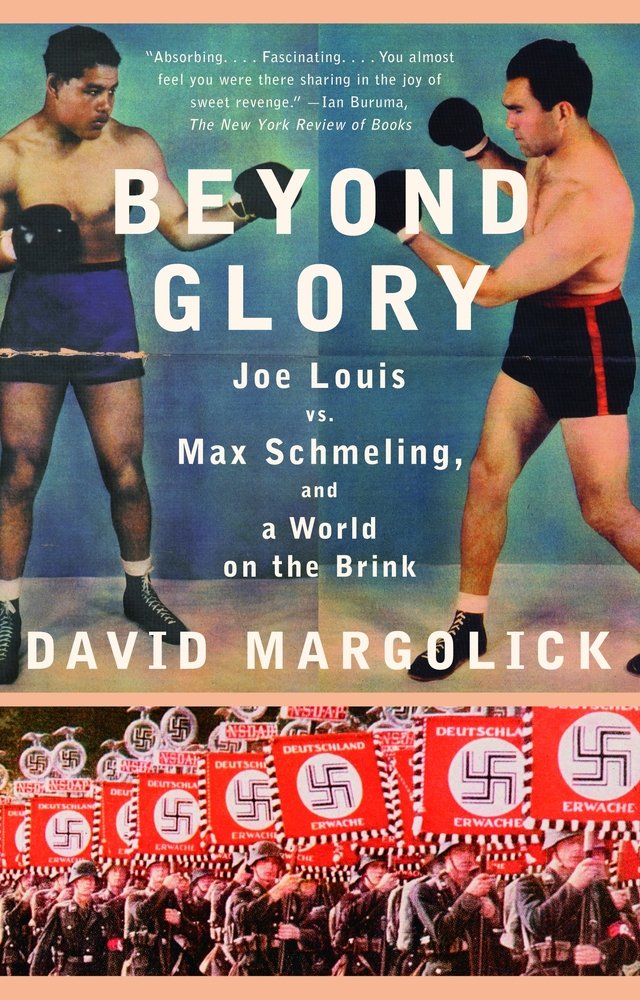
David Margolick was a reporter on legal affairs for the New York Times, where he wrote the weekly “At the Bar” column and covered, among other stories, the trial of O. J. Simpson. He was subsequently a contributing editor at Vanity Fair. His books include Beyond Glory: Joe Louis vs. Max Schmeling, At the Bar, Strange Fruit: The Biography of a Song, Dreadful: The Short Life and Gay Times of John Horne Burns; and Elizabeth and Hazel: Two Women of Little Rock, and The Promise and the Dream. He lives in New York City.
I very much enjoyed reading this biography, which is appropriately entertaining as well as informative. It broadened and deepened my appreciation for early television comedy, a milieu I enjoy. With the ubiquity of old television clips now available on YouTube, I was able to sample some of the sketches that are described in the book, including some I had never seen. Watching Caesar in action with his great supporting casts, while reading about those people in the book will change the way you see them now. David and I had a terrific conversation which I hope you will enjoy as much as I did.


Podcast: Play in new window | Download
Thomas W. Gilbert: Death in the Strike Zone
June 7, 2026 by David
Filed under Non-Fiction, WritersCast
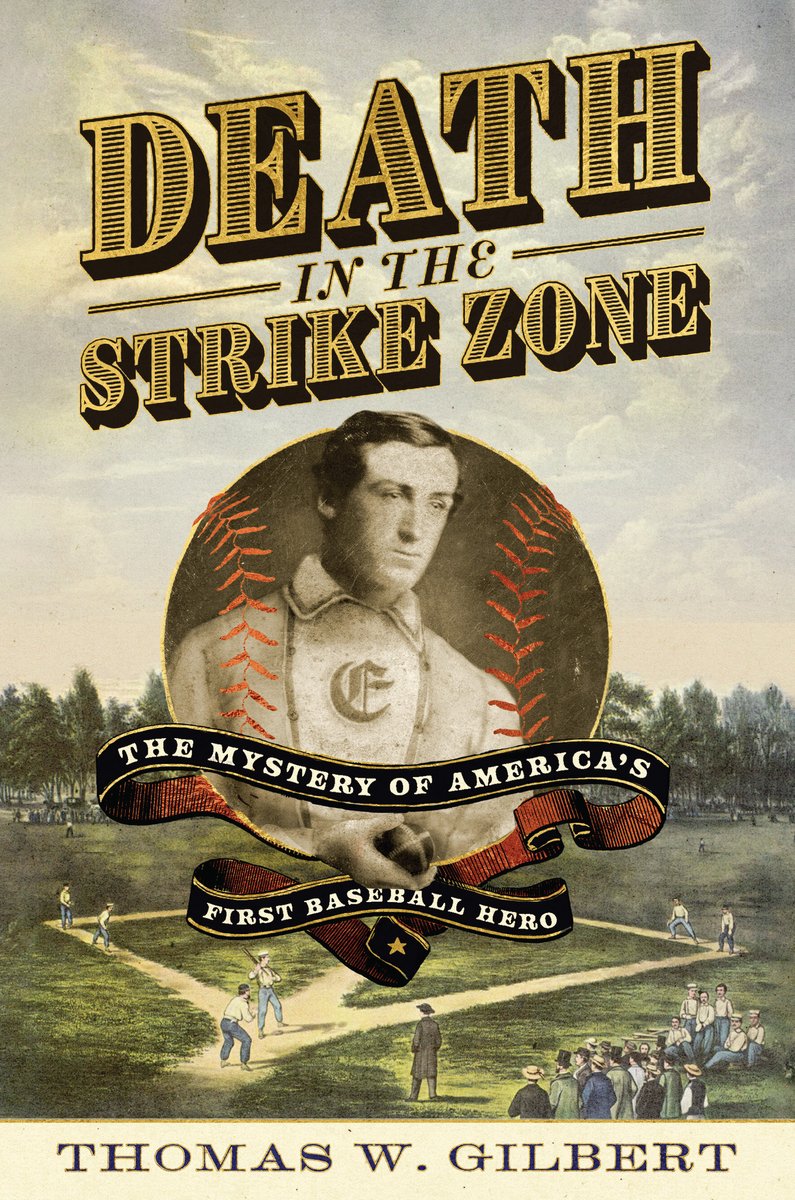 Death in the Strike Zone: The Mystery of America’s First Baseball Hero — Thomas W. Gilbert — David Godine — Hardcover — 978-1-56792-759-7 — 192 pages — $27.95 — March 24th, 2026 – ebook edition available at lower cost
As most of my listeners probably know by now, I love baseball and I really love books about baseball. At one time I thought I knew alot about baseball history, but I have come to realize that I am a rank amateur in a world where there are true baseball historians at work on almost any baseball related subject one could imagine.
I loved reading Tom Gilbert’s wonderful book about James Creighton, arguably the first true baseball star, whose brief career took place in the heated era of early baseball in New York City. Pre-Civil War baseball is really not the same game as the one we play today. It was a precursor even to the game played in the late 19th century and early twentieth century, an era that at least some rabid fans today know something about. But baseball as it was played in the 1850s and 1860s was far different, and perhaps no more so than how pitching was done.
Reading this vividly written book, we learn about an era that is both strangely foreign and similar to our own in many ways. Baseball this early was still being defined by its players, and the game was emerging from pure amateur club sport played only in the big eastern cities, showing signs of popularity that would enable baseball to become the dominant sport in the entire country in less than 50 years.
Creighton was his era’s Babe Ruth and Shohei Ohtani, someone whose skills and manner of playing changed the game completely. What I learned from Tom Gilbert is that in this early time, pitching was much more like today’s slow pitch softball than what we recognize as hardball pitching today. The mount was much closer to home plate, and there were no balls and strikes – hitters just waited for a pitch “served” to them that they could hit, and it was fielding and running that made the game interesting, not today’s “inside game” where the pitcher and hitter define so much of what will happen.
Even if you don’t care as much about baseball as I do, Gilbert’s narrative weaves together the history of nineteenth century America into his narrative in a way that will interest many in the story of American culture.
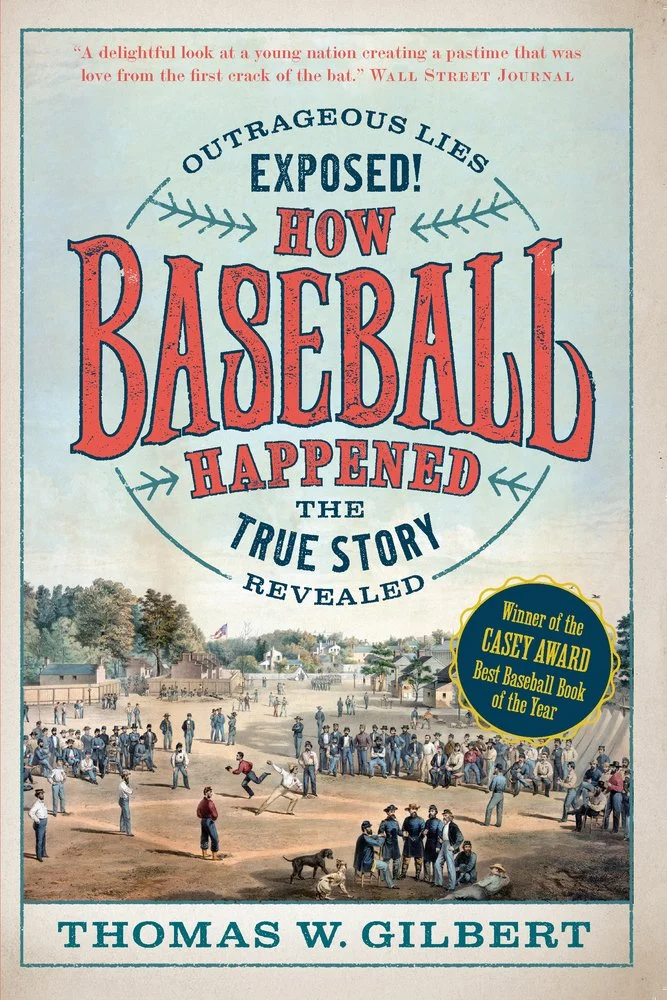
Thomas W. Gilbert is also the author of How Baseball Happened: Outrageous Lies Exposed, The Truth Revealed, Baseball and the Color Line, Roberto Clemente, and Playing First. He grew up in Connecticut and lives in Brooklyn, not far from where James Creighton played and is buried.
We had a great conversation I hope you will enjoy as much as I did.

Podcast: Play in new window | Download
Anne Enright: Attention: Writing on Life, Art, and the World
May 7, 2026 by David
Filed under Non-Fiction, WritersCast
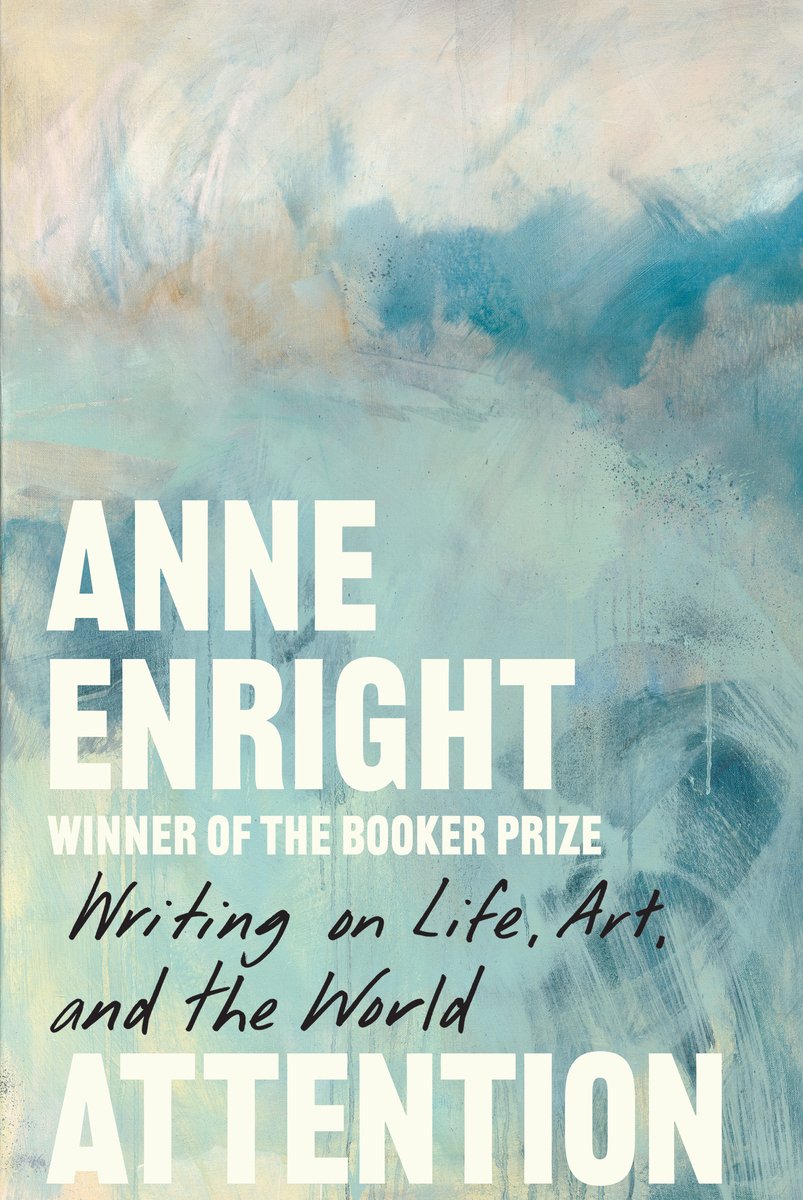 Attention: Writing on Life, Art, and the World — Anne Enright — W.W. Norton — Hardcover — 978-1-324-12413-9 — 288 pages — $29.99 — April 7, 2026 — ebook and audio book versions available, prices vary
Anne Enright has quickly become one of my favorite writers over the past several years. Her fiction is superb, her characters fully alive, and the complex stories of their lives are gripping. She has rightfully won just about every major award, including the Man Booker, a Whiting Campbell award, the Andrew Carnegie Medal, and in 2022 a Lifetime Achievement Award from the Irish Book Awards. We talked in person in 2020 just prior to the pandemic about her beautiful novel, Actress, a great honor for me.
Her newest book, Attention: Writing on Life, Art, and the World, collects nearly thirty years of her essays that cover a wide range of topics, always focusing with laser attention on what matters most about her subjects, mostly writers. Some you will know well, others, unless you are Irish or particularly well read in contemporary Irish lit will be new to you, as they were to me. You’ve probably read James Joyce, Alice Munro, Angela Carter, and Toni Morrison, for example, but you may be less familiar with John McGahern or Maeve Brennan. I think Enright’s personal approach to these writers and the stories of how they have affected her life bring her unique perspective to all of them.
But there is more, much more in this collection than writing about writers. The book is divided into three sections: “Voices,” “Bodies,” and “Time.” The first section collects her writing about writers and the second presents her essays about women, their bodies and who will control them, while the third section is broader (as time is, isn’t it?) and less specific, including essays about Canada (beautiful), where Enright spent time in her youth, Honduras for a visit, children and religion (challenging), and traveling with her husband, among others.
Enright’s writing is always spot on, simultaneously warm and tough. It’s a great read. And the essays always leave the reader thoughtful and engaged, which I like very much.
We had a great talk about a great many things, some not included in the book at all. Talking to Anne Enright is like being in a room where a brilliant salon is taking place. The conversation is always great, and like her essays, spur one to thought and reflection. What more could you ask for?
“…she is one of the best essayists alive.”—Megan Nolan, Observer
Buy: Attention: Writing on Life, Art, and the World
- The Wig My Father Wore (1995)
- What Are You Like? (2000)
- The Pleasure of Eliza Lynch (2002)
- The Gathering (2007)
- The Forgotten Waltz (2011)
- The Green Road (2015)
- Actress (2020)
- The Wren, the Wren (2023)
- The Portable Virgin (1991)
- Taking Pictures (2008)
- Yesterday’s Weather (2009) – A collection of new and selected stories
- Making Babies: Stumbling into Motherhood (2004) – Essays on motherhood
- Attention: Writing on Life, Art and the World (2026)

Podcast: Play in new window | Download
Jack El-Hai: The Nazi and the Psychiatrist
March 31, 2026 by David
Filed under Non-Fiction, WritersCast
 The Nazi and the Psychiatrist: Hermann Göring, Dr. Douglas M. Kelley, and a Fatal Meeting of Minds at the End of WWII — Jack El-Hai — PublicAffairs — 9781610394635 — 304 pages — Published September 2, 2014 — Paperback — $21.99 (ebook available at lower prices; audiobook download also available)
The Nazi and the Psychiatrist was originally published more than ten years ago. It had some terrific reviews, and then became, like most books published today, a “backlist” title mostly available from online retailers. But now that it has become the basis of the well received film, Nuremburg, directed by James Vanderbilt, with a star studded cast, including Rami Malek, Russell Crowe, and Michael Shannon, the book has been re-issued in paperback and has deservedly found many new readers.
In my conversation with its author, Jack El-Hai, we talked mostly about the book itself, and not so much about what it is like for an author to find his book rediscovered because of a movie, though Jack did explain that the film only focuses on a small part of the story El-Hai explored in the book. The Nazi and the Psychiatrist takes on what was a complex relationship between the American psychiatrist Douglas M. Kelley and the 22 Nazis who became his patients as they were imprisoned before their trial as war criminals in the 1945-46 International Military Tribunal at Nuremberg. Of course the key figure among the Nazis was Herman Göring, who was not only an important early supporter of Hitler, as well as one of the central figures in the rise of Nazism, the conduct of WWII as head of the Luftwaffe, and of course one of the architects of the Holocaust. At the time he was captured by the Americans, he expected to become the next leader of Germany.
Kelley was brought in to examine the Nazi leaders who were to be the first tried for war crimes by the Allies – the idea being to determine whether they were each rational enough to stand trial for their horrific actions. As a psychiatrist, this gave him an exceptional opportunity – to gather information about the psychology of Nazis and to understand whether they were indeed within the range of normal human behavior or pathological.
Kelley became especially close with Göring, a formidable figure, who ultimately committed suicide rather than experience the humiliating death by hanging to which he was sentenced by the Tribunal. Kelley’s life was deeply influenced by his experiences with the Nazis, and El-Hai, who had access to Kelley’s files and talked extensively with his surviving children, paints a compelling portrait of a man whose suffering was extreme and led ultimately to his own unfortunate suicide some years later.
Given our present circumstances, a book about the psychological components of authoritarianism and the individuals who led Germany’s fascist enterprise cannot help to resonate. Reading this book will make you think about the nature of evil (and Arendt’s calling it “banal”) as well as the way that fascism masks the personal greed and pursuit of power that drove it.
I do recommend this book at anyone who is trying to grapple with what is happening to us now. And this conversation will be illuminating as well.
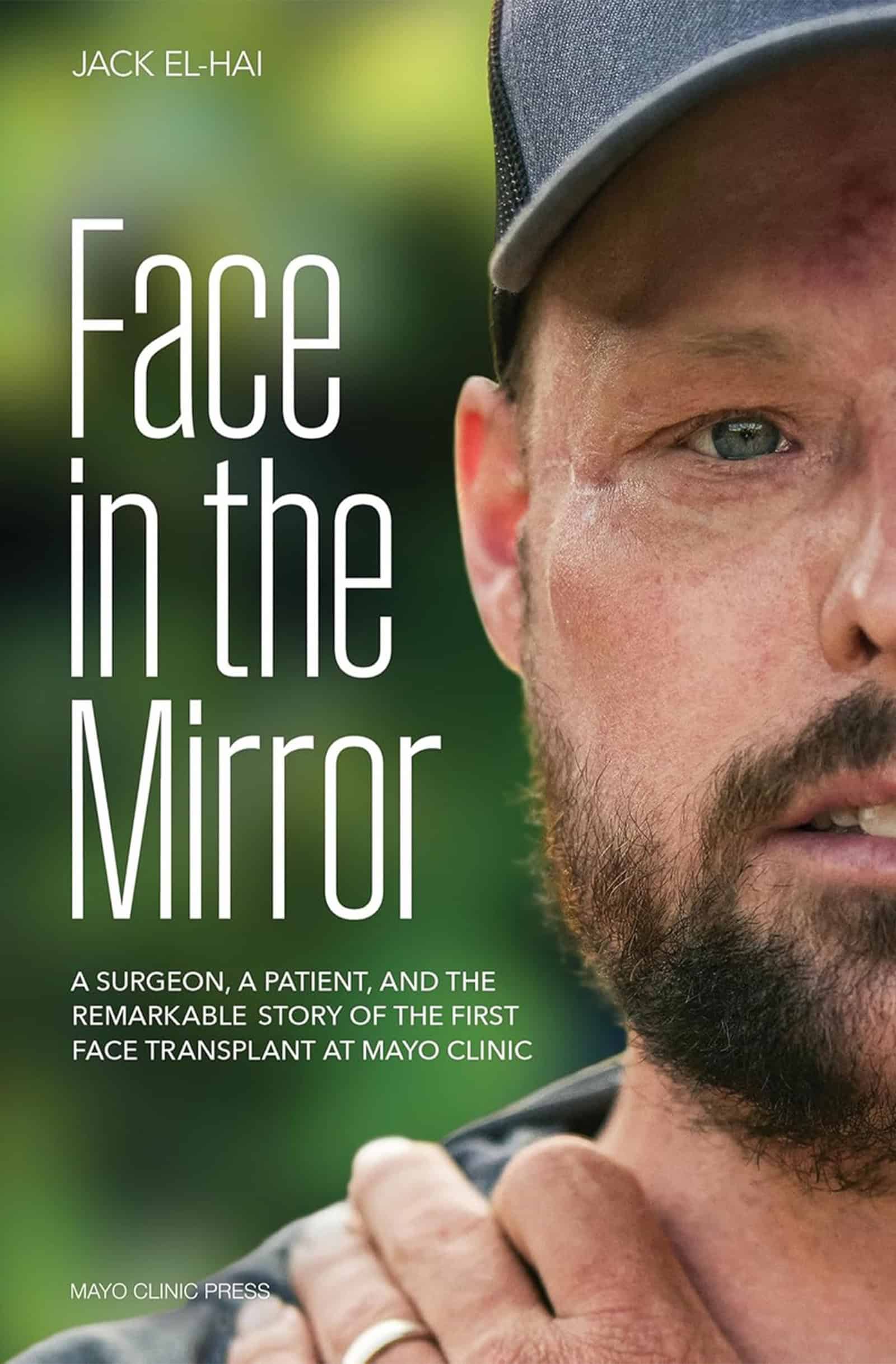
Jack El-Hai is an award-winning writer who has published innumerable articles and more than a dozen books. Jack’s other books include Face in the Mirror, The Lost Brothers, and The Lobotomist: A Maverick Medical Genius and His Tragic Quest to Rid the World of Mental Illness.
He has contributed articles to Scientific American, Wired, Discover, GQ, The Atlantic, Smithsonian, Aeon, The Washington Post Magazine, and many other publications. He lives in Minneapolis.
“This intimate and insightful portrait of two intersecting, outsized personalities‑‑one an exemplar of public service and the other an avatar of evil‑‑is as suspenseful as a classic Hitchcock film that hinges on an eerie psychological secret. Readers of The Nazi and the Psychiatrist will be riveted by Jack El‑Hai’s moving study of how good and evil can converge in a heightened instant and across a lifetime.”—Andrew Solomon, National Book Award winning author of Far from the Tree

Podcast: Play in new window | Download
Todd Goddard: Devouring Time: Jim Harrison a Writer’s Life
February 1, 2026 by David
Filed under Fiction, Non-Fiction, WritersCast
 Devouring Time: Jim Harrison, a Writer’s Life — Todd Goddard — 9781799902362 – Blackstone Publishing — Hardcover — 558 pages — $29.99 — November 4, 2025
Jim Harrison was for so many readers – and other writers – one of the central voices of American literature for the last half century. When Harrison began writing, it was as a poet, and most readers came to his fiction and nonfiction much later. It was the novels and many novellas that drew large numbers of readers to him, while his first hand style nonfiction writing about food and his many adventures introduced him to a completely different audience who in many case, I am sure, also read his fiction. And then there was the film writing and the stories of fishing, carousing and gourmand like intake of food, alchohol, and drugs with friends like Thomas McGuane, Peter Matthiessen, Jimmy Buffett, and Jack Nicholson in Key West, Montana and Hollywood. Harrison became more than a writer, but also a publicly imagined character much like Ernest Hemingway and F. Scott Fitzgerald, whose persona became entwined with his writing and made him that much more attractive to some of his readers.
His output as a writer was amazing: poetry, novels, novellas, short stories, magazine nonfiction, film scripts. His appetite for life was immense. His friendships were legendary and he was loved by many whose lives he touched. Fittingly, he died alone while in the midst of writing a poem.
In Devouring Time, Todd Goddard presents a meaningful account of this writer’s life, from beginning to end, including much about his persona that many readers could not have otherwise known. I’ve read much of Jim Harrison’s writing, and knew more than a little about his life. But I learned much more from this book, feeling after reading it that I understood Harrison more clearly both as a writer and a person. This is not a celebratory paean to someone’s hero, or the work of a starry eyed fan. Nor is it a reductionist scholarly account. This book is a carefully constructed narrative worthy of the subject’s complicated, sometimes very painful, but always meaningful life. Goddard refuses to turn away from Harrison as a human being whose life included physical and emotional challenges, who suffered, who lived a full life also of joy and beauty, and despite his foibles, his accomplishments were immense and lasting.
Jim Harrison was born in Michigan in 1937 and died Patagonia, Arizona in 2016. He wrote twenty-one books of fiction and fourteen books of poetry that influenced many other writers of all kinds and won him legions of readers. Harrison helped shape the course of contemporary American literature, revitalizing in particular the novella, a form he mastered and reinvigorated.
Though it was his fiction, nonfiction, and film writing that made him famous (and by which he made his living), it was always poetry that he loved most, and while he was a thoroughly social writer who enjoyed the company of many friends (and lovers), he was simultaneously a private person who cherished remoteness, the singularity of the wilderness, and solitude, and also the company of his wife and children at home.
Todd Goddard conducted over a hundred interviews and had full access to Harrison’s collected papers, as well as the cooperation of Harrison’s family to create this fully formed literary biography of one of our most important writers of the last half century.
I very much enjoyed the opportunity to speak with Todd. We talked about Harrison, of course, but also about the art of biography and the process of writing a book with so much depth of attention and detail. Whether you are a reader of Jim Harrison’s poetry or prose, this biography will capture your attention and in all likelihood, lead you to want to read further in Harrison’s extensive body of work.
“Todd Goddard tells the story of this bon vivant, outdoorsman, hellion, and great poet from his ancestors to his end with grace, momentum, generosity, and insight…and what a great American life it was, wreckage, glory, gifts, and ALL.”—Rebecca Solnit, author of Orwell’s Roses
Calendars
Back in the blue chair in front of the green studio
another year has passed, or so they say, but calendars lie.
They’re a kind of cosmic business machine like
their cousin clocks but break down at inoppormne times.
Fifty years ago I learned to jump off the calendar
but I kept getting drawn back on for reasons
of greed and my imperishable stupidity.
Of late I’ve escaped those fatal squares
with their razor-sharp numbers for longer and longer.
I had to become the moving water I already am,
falling back into the human shape in order
not to frighten my children, grandchildren, dogs and friends.
Our old cat doesn’t care. He laps the water where my face used to be.
from IN SEARCH OF SMALL GODS, Copper Canyon Press, 2010

Podcast: Play in new window | Download
Shirley C. Strum: Echoes of Our Origins: Baboons, Humans, and Nature
January 8, 2026 by David
Filed under Non-Fiction, WritersCast
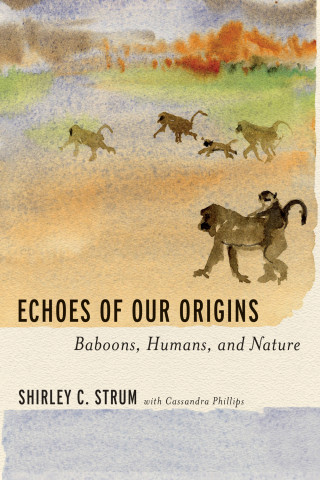 Echoes of Our Origins: Baboons, Humans, and Nature — Shirley C. Strum, with Cassandra Phillips — Johns Hopkins University Press — Hardcover — 978-1-4214-5203-6 — 376 pages — $32.95 — September 9, 2025 — ebook edition available.
This book was a fantastic discovery for me. I consider myself fairly well read; I’ve studied anthropology extensively and I even briefly went to graduate school to study biology, but my knowledge of primates is woefully poor. Shirley’s book was a great introduction for me to one part of a much wider field, and got me excited and engaged with baboons, who turn out to be incredibly interesting animals, and of course connect us not only to issues of human evolution, but also historical and modern ecology, issues of human/animal interactions, and human responsibilities in relation to other animals, especially primates.
I feel like I learned more from this book than almost anything I have read in the past year. Shirley Strum’s story of her fifty years studying baboons is completely compelling.
Her baboon story started in 1972, when as a graduate student, Strum traveled to Kenya to study the origins of human aggression by observing baboons. Her earliest discoveries completely changed the scientific study of baboons, and many long-held assumptions about primate behavior.
Living closely with a number of different populations of baboons over the past half century, and closely observing their lives, Strum has learned more than any other human about baboons’ complex strategies of negotiation, collaboration, and resilience. And through her work, Strum has had to deal with an array of challenges – not just within her field itself, but in the changing ecology and landscape of Africa, as more people have taken over former baboon (and many other animals’) territories, creating new forms of human/animal conflicts, and changing the evolution of baboon society itself.
In addition to illustrating the incredibly interesting lives of baboons, Strum’s experiences tell us a great deal about how human science works, and the challenges that we face in trying to deal with the massive effects of the anthropocene on our fellow beings in the world. I know it’s simplistic to say that baboons and other primates have a lot to teach homo sapiens about how to live cooperatively together, but I do think that understanding more about primate life can in fact teach us a great deal about ourselves, if only we can begin to see that we humans are not at the top of a hierarchy that makes us “better than” or “smarter than” our evolutionary cohort.
Echoes of Our Origins combines natural history, adventure, memoir, feminism and like some of the its best antecedents in nature writing, asks us to think about and empathize with the natural world in previously unfamiliar ways.
I hope you enjoy our wide-ranging conversation as much as I did. While it is doubtful that I will ever get to Africa to see baboons in the wild for myself, Echoes has given me an unmatched opportunity to imagine these incredible animals.
I’ve been recommending this book to anyone interested in humanity, ecology, our history and our future.
Dr. Shirley C. Strum is a Professor of Anthropology and a Professor of the Graduate Division, School of Social Sciences, at the University of California, San Diego, and Director of the Uaso Ngiro Baboon Project in Kenya. Her first book was Almost Human: A Journey into the World of Baboons.
More about Dr. Shirley C. Strum here.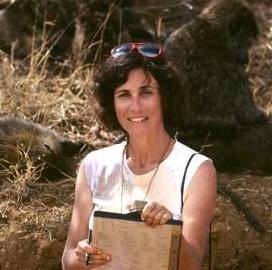
Podcast: Play in new window | Download
Tamara Dean: Shelter and Storm: At Home in the Driftless
September 9, 2025 by David
Filed under Non-Fiction, WritersCast
 Shelter and Storm: At Home in the Driftless – Tamara Dean – University of Minnesota Press – 9781517918569 – Paperback – 224 pages – April 22, 2025 – $19.95 -ebook editions available at lower prices
Books like Shelter and Storm are all too often errantly categorized as “regional,” both by publishers and reviewers alike. That’s a problem, as if you think of this book as being “only” about the Driftless region, or Wisconsin, or even the Midwest as its “region,” too many readers might not be interested enough to read this book. It’s an irony for anyone writing from or about a specific place – it may be that through a deep understanding of a unique place that one can address and communicate the most universal issues of human life and the natural world.
Tamara Dean is a truly gifted writer, and I suspect that she can write well about almost anything. But this book is personal, and it gives her storytelling abilities the opportunity to shine. There are twelve “stories” in this book, really linked chapters that document on multiple levels, the time she spent during a “return to the land” experience not that many years ago in the truly unusual region called The Driftless because the glaciers that extended across this continent managed to miss this part of what is now mostly Wisconsin (and a bit in Iowa). It’s not flat there, but rather consists of steep hills and deep valleys, highly forested with a number of spring-fed streams.
While the stories are about Dean’s life there, she uses her own experiences to illuminate a variety of issues that matter to almost all of us, from climate change as it affects peoples lived lives (especially in farm communities), how people create community and mutuality, survive natural and household disasters, and citizen science (with a special interest in blue-glow fireflies). Dean’s personal experiences are transformative for her, and through her essays, for us as well
Tamara Dean’s Shelter and Storm is reminiscent of the best writing about nature and rural living, including works by Aldo Leopold, Edward Abbey, Wendell Berry and Gary Paul Nabhan. Tamara Dean’s writing will engage those many of us who care deeply about climate change and sustainability, and her stories will make you feel that it is possible and necessary to spend more time not only being in the natural world, but reflecting on what it means now for us in our alienated, disconnected, thoroughly modern world, and how we might forge a way of being that allows us to live better lives and preserve some level of nature still.
I do want to say that this book is one of the best of the many I have read this year. And I truly enjoyed having the opportunity to speak with Tamara about the book and her experiences in the Driftless, a place I now very much want to visit to experience for myself.
Tamara Dean’s essays and stories have been published in magazines including The American Scholar, The Georgia Review, the Guardian, One Story, Orion, and The Progressive. She is also the author of The Human-Powered Home: Choosing Muscles over Motors. She teaches writing independently in various locales.
“It may sound familiar, but Shelter and Storm is an engaging read largely because Dean is a very good writer.”—Big River Magazine
“Tamara Dean’s luminous essay collection paints a thoughtful portrait of the Driftless region of Wisconsin and the struggles it faces due to climate change.”—Shelf Awareness
“The essays collected in Shelter and Storm, grounded in Dean’s experience tending to and rewilding neglected farmland in the Driftless region, are a product of Dean’s lively, curious, meticulous mind, exploring topics as varied as the impacts of climate change, the challenges of sustainable living, brickmaking, prairie tending, and the history of abortion […] At their essence, these essays are informed by awe. They are about what happens when we make space in our lives for deep attention and wonder.”—Craft Magazine
Author website here.
Buy the book at Bookshop.org


Podcast: Play in new window | Download